ITINERARY · MOROCCO
3 Days in Marrakech: Medina Palaces, Madrasa & Gardens
Three unhurried days built around Marrakech’s architecture and living traditions: the historic square and the minaret on day one, palace and madrasa craftsmanship on day two, and the Saadian story and a garden on day three. ATIP’s own destination guidance suggests about three days, so this plan does not stretch it. It uses only places ATIP has reviewed. We have not verified opening hours, ticket fees, transport schedules or travel times, so none are given: confirm them before you go.
The itinerary at a glance
- Day 1 — Jemaa el-Fnaa · Koutoubia Mosque
- Day 2 — Bahia Palace · Ben Youssef Madrasa
- Day 3 — El Badi Palace · Saadian Tombs · Jardin Majorelle
- Best for
- Architecture, history and first-time visitors
- Season
- Year-round; the drier months are generally the most comfortable for exploring on foot
- Getting around
- The medina and central sights suit walking; taxis, buses, sightseeing buses and horse-drawn carriages are also available. Reputable taxis or pre-arranged transport are generally recommended.
Day 1
Jemaa el-Fnaa · Koutoubia Mosque
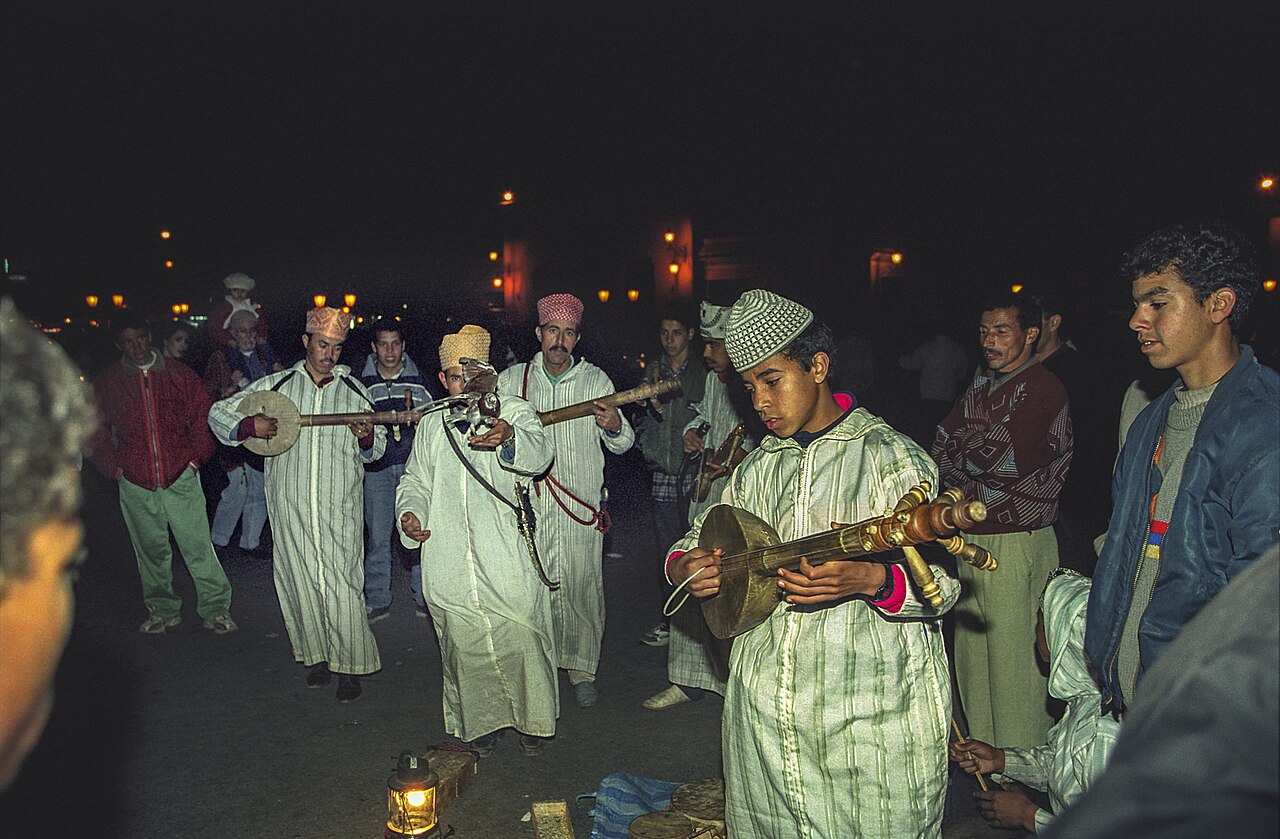
Begin where Marrakech gathers: its historic public square, distinguished by living cultural traditions and performance, and the minaret that defines the skyline. A gentle first day for getting your bearings.
Jemaa el-Fnaa
Photo: Jerzy Strzelecki · CC BY-SA 3.0 · Source A historic public square in Marrakech, distinguished by its living cultural traditions and performance.
Koutoubia Mosque
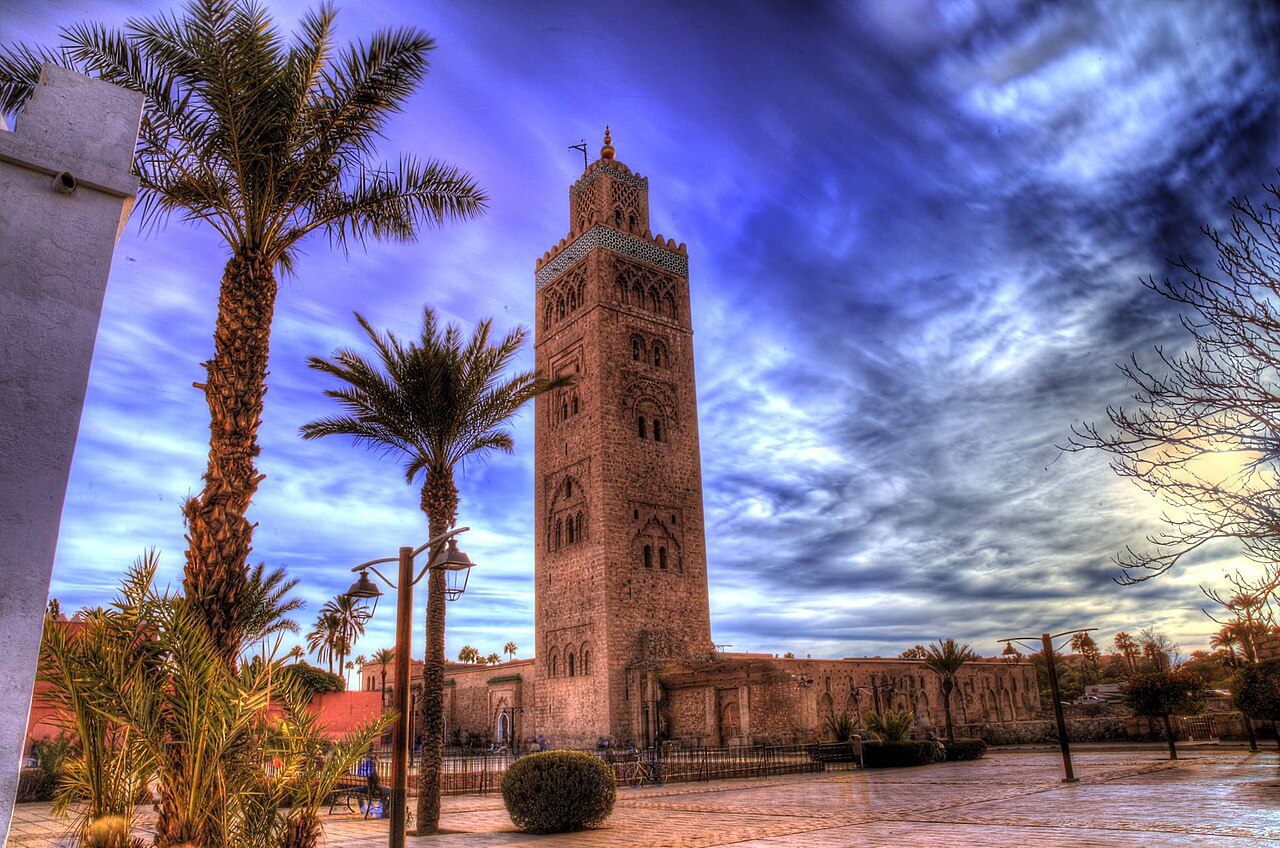
Photo: RED7500 · CC BY-SA 4.0 · Source A landmark mosque whose minaret is a defining feature of the Marrakech skyline and a central part of the city's architectural heritage.
Keep this day short and flexible: the square is about atmosphere and performance rather than a checklist.
Day 2
Bahia Palace · Ben Youssef Madrasa
Turn to craftsmanship: carved cedar ceilings, painted stucco and tiled courtyards at the Bahia Palace, then a historic centre of Islamic learning admired for its Moroccan architectural craftsmanship.
Bahia Palace
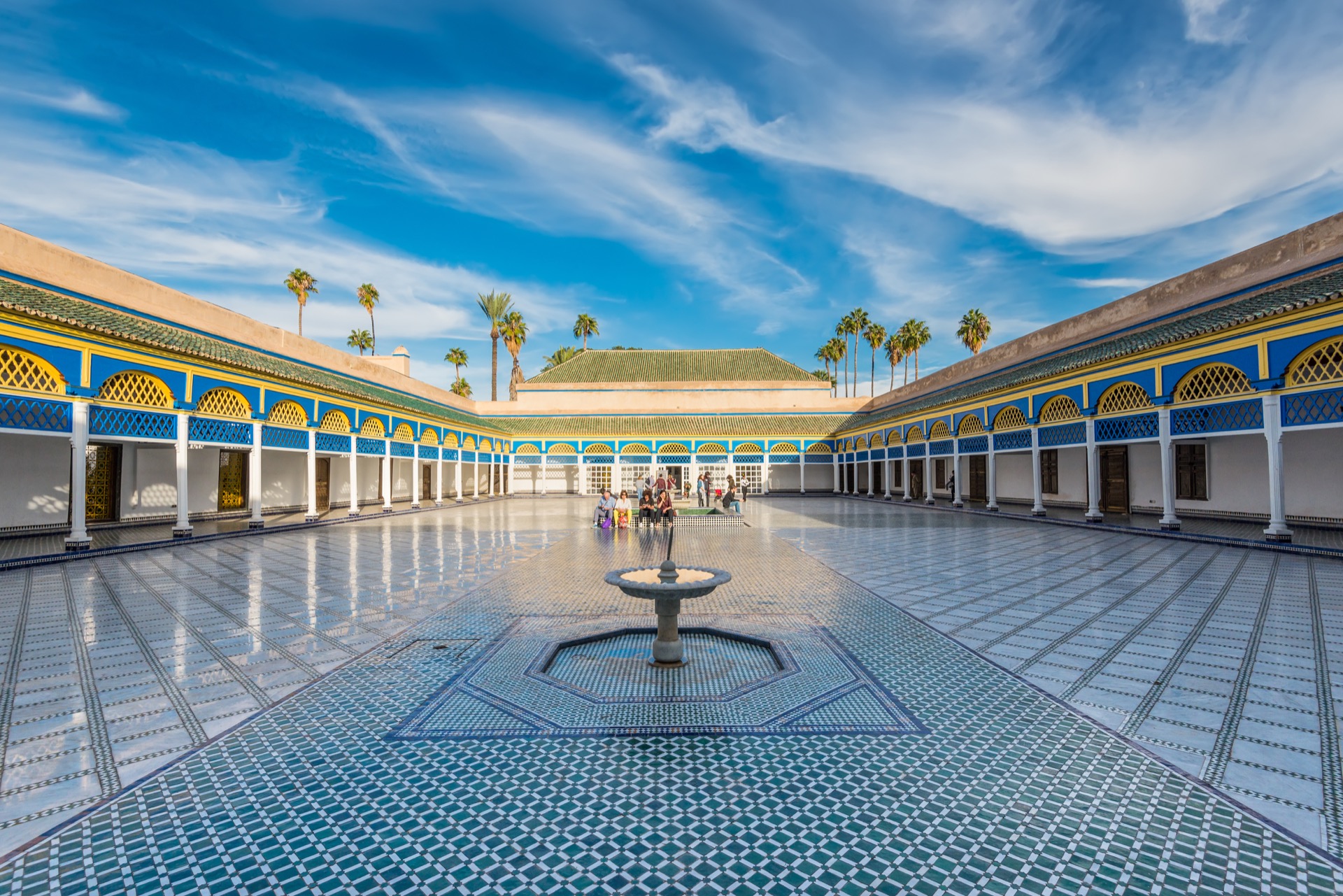
Photo: Val Traveler (Navigator334) · CC BY-SA 4.0 · Source A late-19th-century palace celebrated for its carved cedar ceilings, painted stucco and tiled courtyards.
Ben Youssef Madrasa
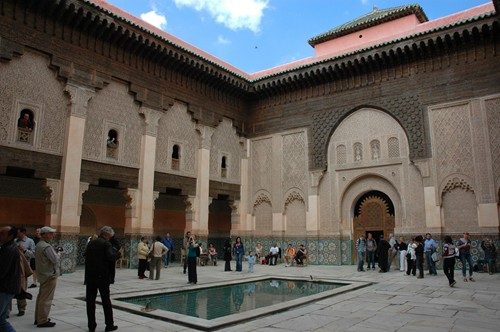
Photo: Josep Renalias · CC BY-SA 3.0 · Source A historic centre of Islamic learning in the medina, admired for its Moroccan architectural craftsmanship.
Both places reward slow looking, so resist adding a third stop.
Day 3
El Badi Palace · Saadian Tombs · Jardin Majorelle
Follow the Saadian story from the ruins of El Badi Palace to the royal burial complex of the Saadian Tombs, then close the trip in the cobalt-blue calm of Jardin Majorelle.
El Badi Palace
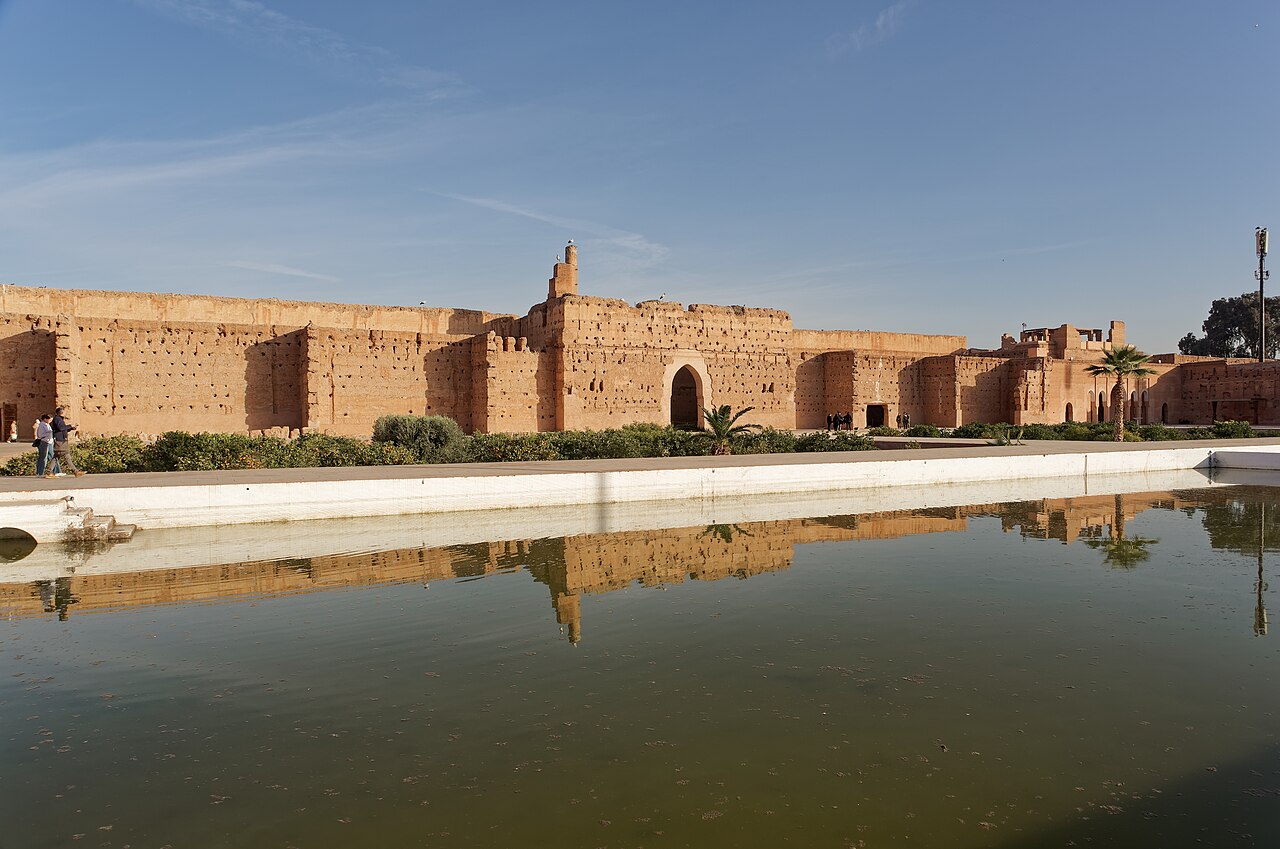
Photo: Jakub Hałun · CC BY 4.0 · Source The remains of an important Saadian-era palace that reflect the royal history of Marrakech.
Saadian Tombs
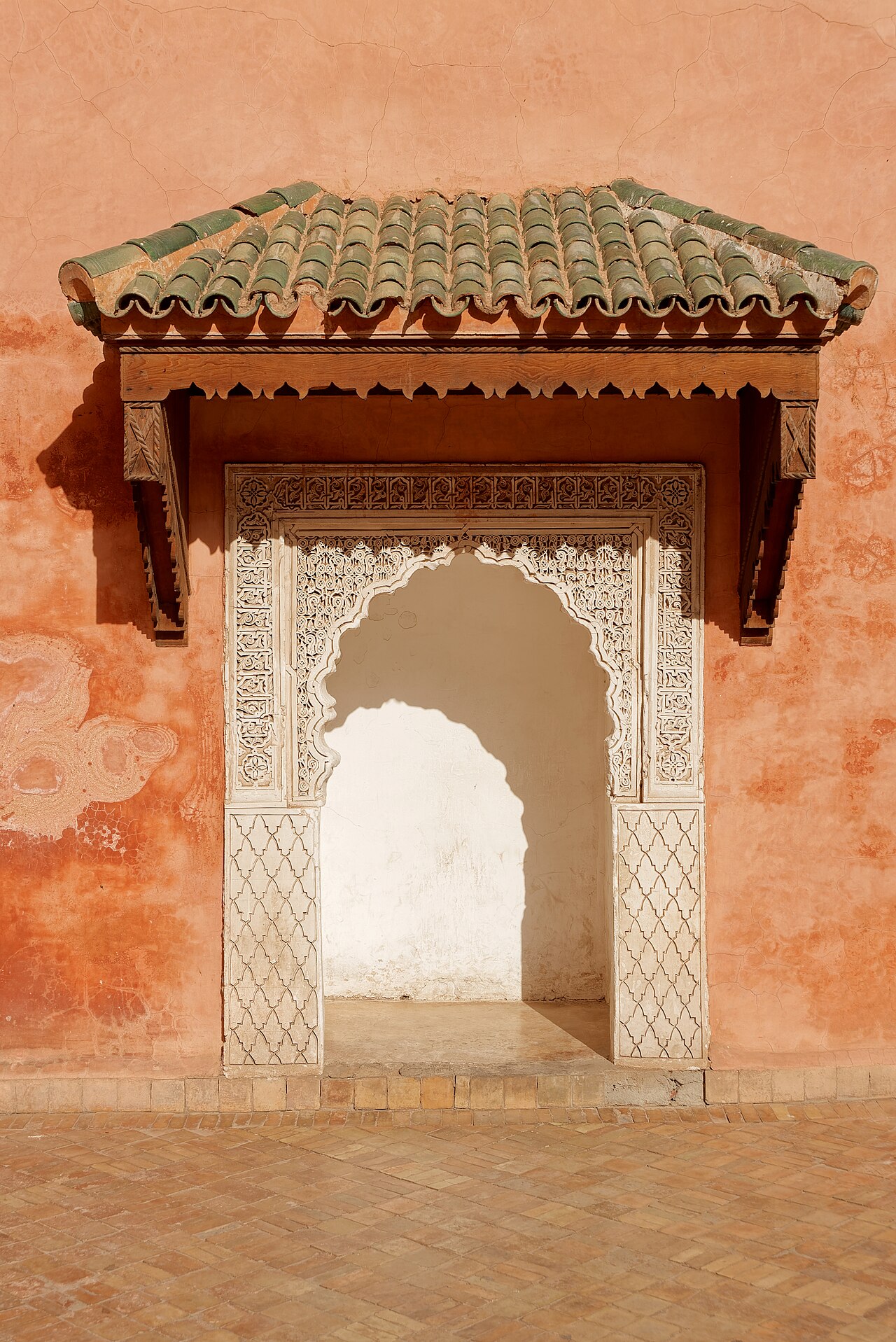
Photo: Jakub Hałun · CC BY 4.0 · Source A historic royal burial complex associated with the Saadian dynasty.
Jardin Majorelle
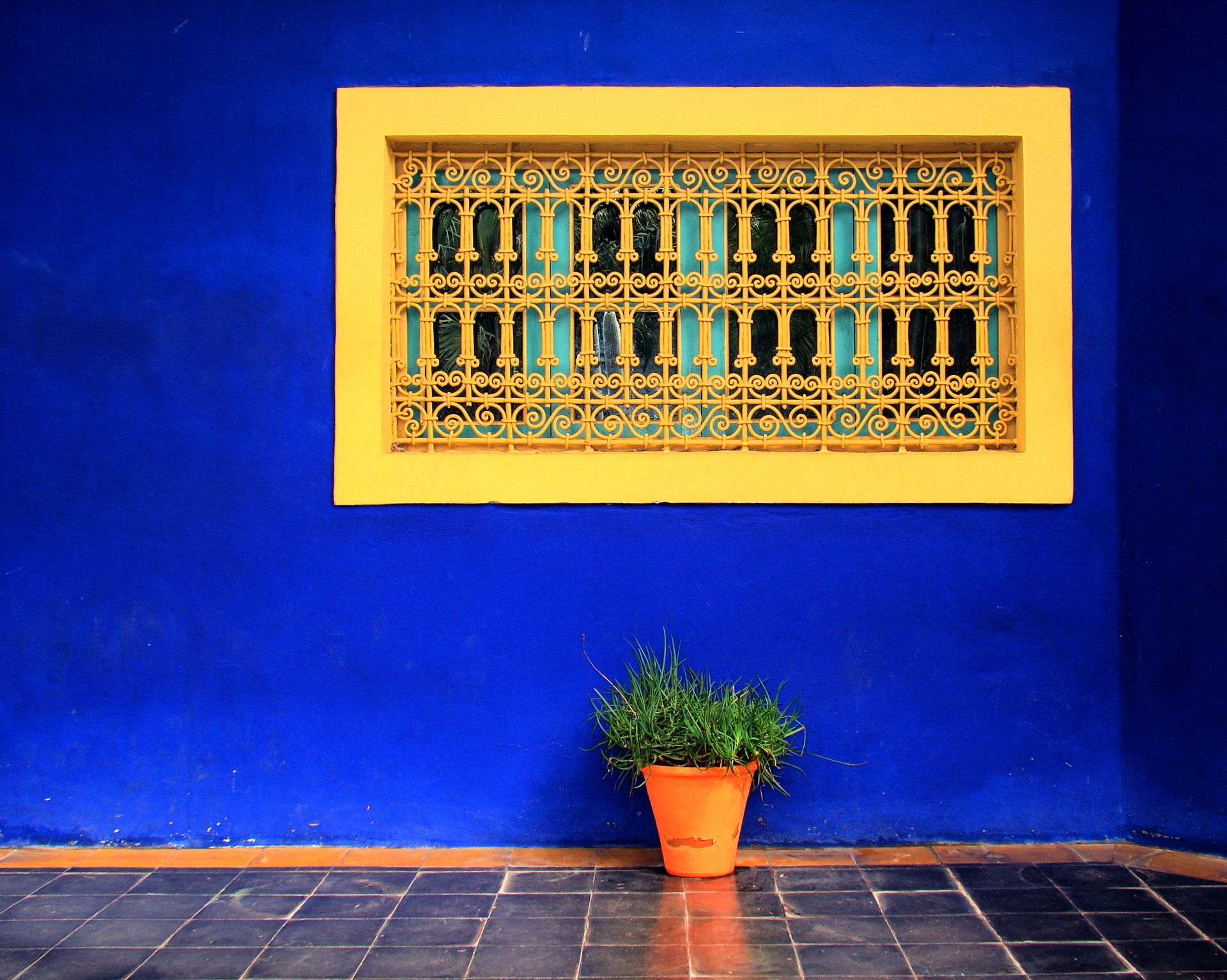
Photo: Bjørn Christian Tørrissen · CC BY-SA 3.0 · Source A cobalt-blue botanical garden created by French painter Jacques Majorelle, later restored by Yves Saint Laurent.
Let the garden be the unhurried end to the trip.
Good to know before you go
- Hours, ticket fees, transport schedules and travel times are not verified by ATIP and are deliberately not stated here. Always confirm them with the venue or operator.
- ATIP is a discovery and planning platform. It does not sell tickets, transport or tours, and online hotel and flight booking is not yet available.
- Confirm current local guidance before your visit, particularly for transport, park or site access and entry requirements.
Quick answers
How many days do I need in Marrakech?
ATIP’s destination guidance suggests about three days, which this plan follows: one for the square and the Koutoubia, one for palace and madrasa craftsmanship, and one for the Saadian sites and a garden.
Is Marrakech good for walking?
The medina and central sights are well suited to walking, and taxis, buses, sightseeing buses and horse-drawn carriages are also available. Confirm current local guidance before you travel.
When is the best time to visit Marrakech?
Marrakech can be visited year-round; the drier months are generally the most comfortable for exploring on foot.
Which months are most comfortable in Marrakech?
Visit Morocco, the national tourism site, gives March to May and September to November as the best time to go, and describes summer as very hot, with mild winter days and cool evenings. That is the source’s general guidance, not a forecast: check the weather for your dates.
Can I add a day trip from Marrakech?
Visit Morocco lists the Agafay Desert at about 45 minutes, the Ourika Valley at about 1 hour and Essaouira at about 2.5 hours from Marrakech. These are the source’s figures, not ATIP’s, and traffic and transport choice change them. The three days here are already full, so ATIP’s editorial suggestion is to treat a day trip as an extra day rather than replacing a medina day.
Can I book this itinerary on ATIP?
Not yet. ATIP currently offers destination discovery and trip planning; online hotel and flight booking is coming soon. Arrange any tickets, transport or tours directly with the provider.
Sources and further reading
Independent references the ATIP team reviewed. They are not partners or suppliers of ATIP.
Explore more
About this guide
Written and maintained by the Africa Travel Intelligence Platform (ATIP) editorial team, using only places and records ATIP has reviewed. Facts we have not verified, such as opening hours, prices and schedules, are left out rather than guessed.
Read about ATIP’s general editorial approach It describes how ATIP works in general and does not verify individual guides.
Make it yours
Tell the ATIP AI Planner what you enjoy and how long you have, and it will build a plan from ATIP’s reviewed places.
Search flights to AfricaCompare hotel rates for your datesExplore tours and activities in Africa
This is an editorial itinerary. ATIP does not sell or organize any of these visits.