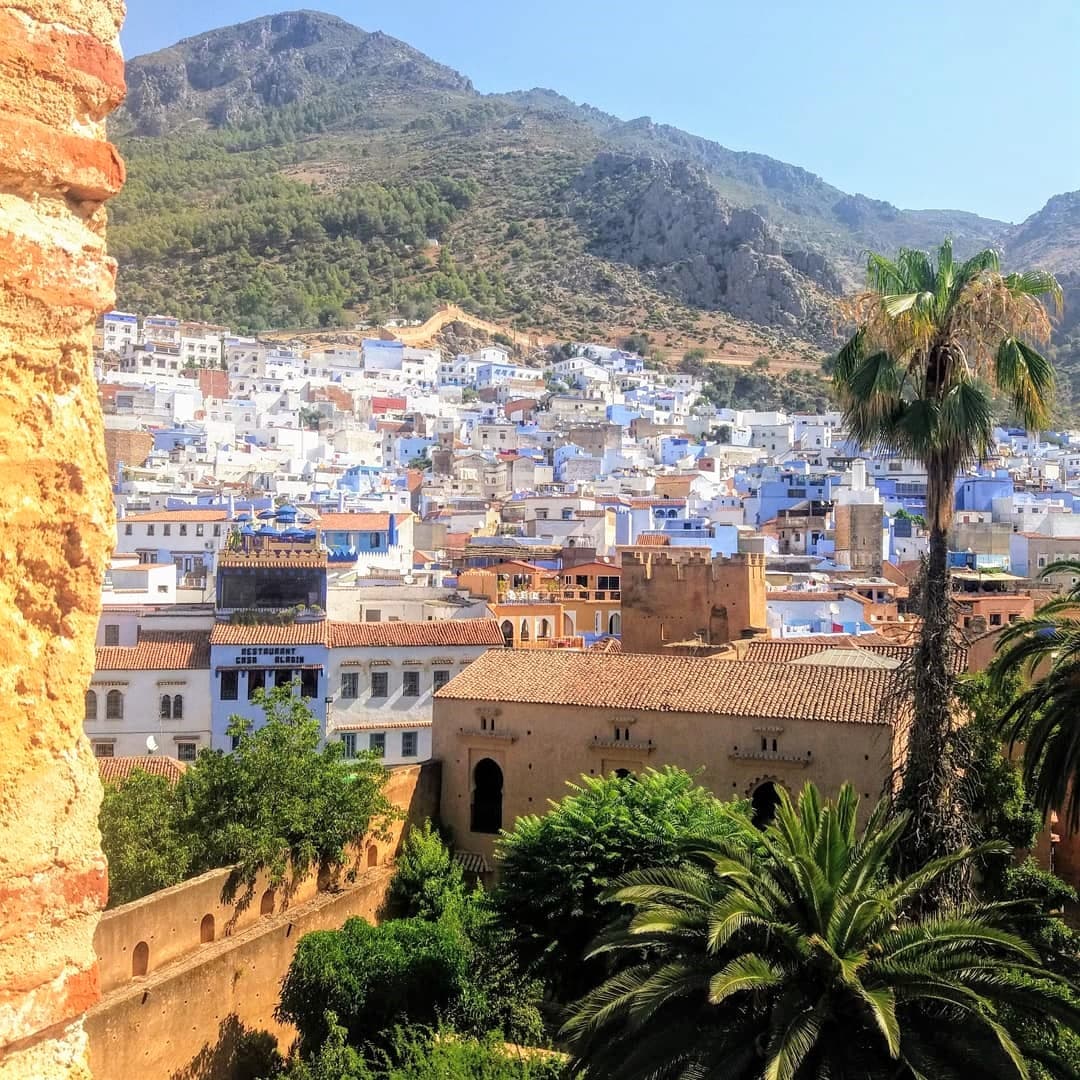
Kasbah of Chefchaouen
A red-walled fortress built in 1471 at the town's main square, now home to a small Ethnographic Museum and gardens; historically used as a prison, including for resistance leader Abd el-Krim.
A NEW PERSPECTIVE ON AFRICA MA
North African crossroads offering imperial cities, Atlantic beaches, mountain villages, Saharan landscapes, and rich cuisine.
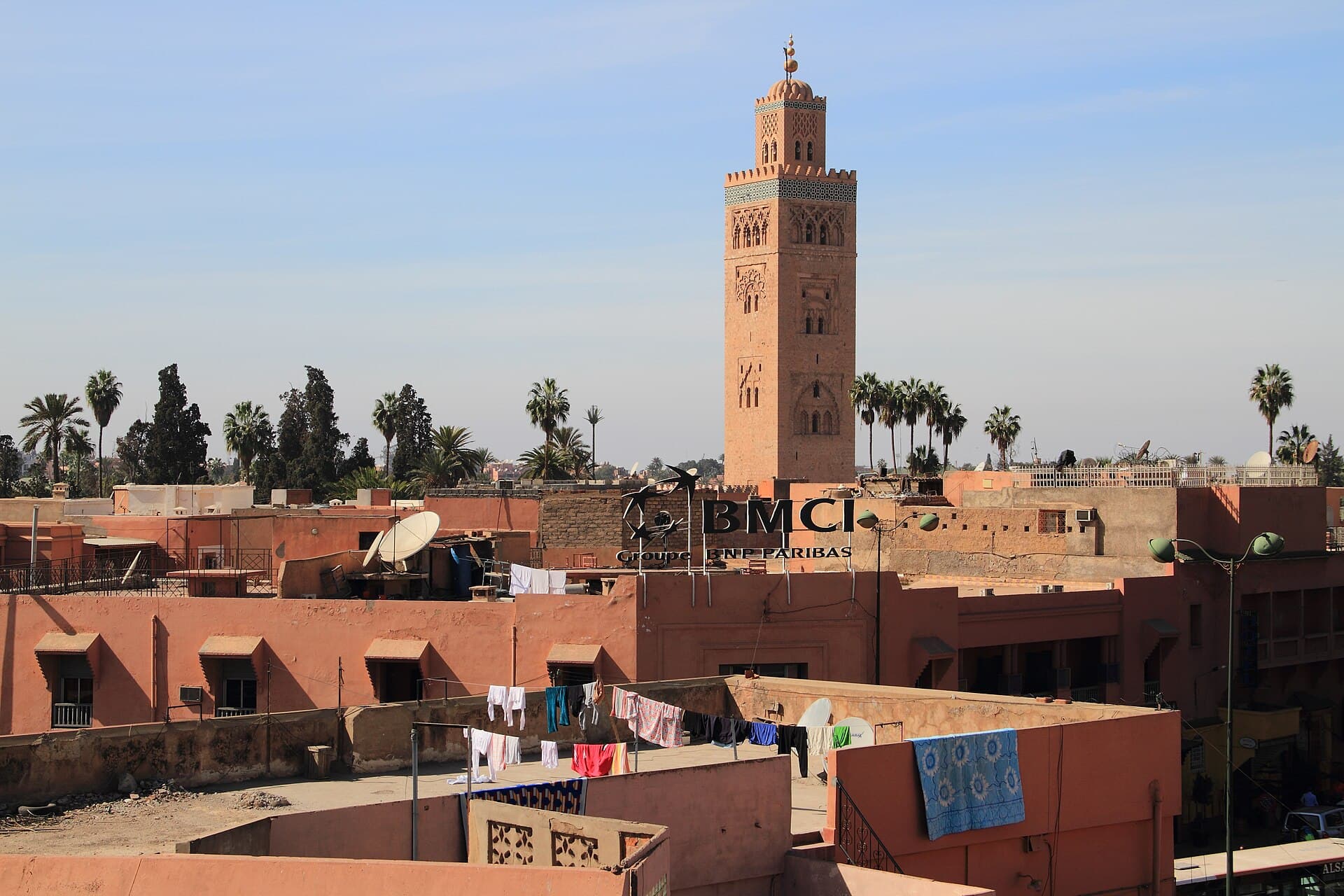
Morocco combines historic medinas, monumental architecture and traditional craftsmanship with Sahara landscapes, Atlantic and Mediterranean escapes, mountain scenery and a distinctive culinary and riad culture.
ATIP’s editorial analysis, drawn from ATIP’s own records and the official sources listed below. It is not first-hand travel experience and not a guarantee.
Country at a glance
From ATIP’s records
Morocco is ATIP’s most varied North African guide: imperial and medina cities (Marrakech, Fez, Rabat), the Atlantic city of Casablanca, the blue town of Chefchaouen and Sahara landscapes. ATIP records it as a year-round destination in which spring and autumn suit inland cities and the Sahara, while Atlantic coastal areas stay appealing through much of the year.
ATIP’s editorial view
ATIP’s editorial view: choose between a city-and-medina circuit and a desert or mountain trip rather than combining everything. Marrakech is recorded at three days and Fez at two, with Casablanca at one to two; ATIP gives no travel times between them, so check them before building a route. When to go depends on the plan: spring and autumn for inland cities and the Sahara, a wider range for the Atlantic coast.
From ATIP’s records, with editorial advice
Marrakech (three days recorded) and Fez (two) are best explored on foot inside the medina, with taxis, buses and sightseeing options for the rest; Casablanca is large and spread out, with a four-line tramway, metered petit taxis and a rail link to the airport; Rabat has a tram. ATIP’s records give Marrakech and Fez medina stays as the heart of a first city circuit.
From government travel advice
UK government travel advice: Morocco’s laws and customs reflect that it is an Islamic country, so respect local traditions, especially during Ramadan and at religious sites. In Ramadan, eating, drinking or smoking in public by day may cause offence and some hotels and restaurants separate non-fasting guests; follow local dress codes.
Confirm before you travel
The Moroccan National Tourism Office’s site (visitmorocco.com) says travellers can submit and track applications for an E-Visa or the AEVM electronic travel authorisation through it, and notes 25 airports across the country. Whether you need either depends on your nationality: confirm on the official site before booking.
ATIP records Morocco as a year-round destination whose best season depends on the region: spring and autumn are especially comfortable for inland cities and the Sahara, while Atlantic coastal areas stay appealing through much of the year. Plan around the trip type rather than a single month, and note that Ramadan changes opening hours and daytime dining; UK government advice says its dates vary by year.
Sources read November 2026.
Reviewed September 2026.
Loading live travel advice…
Rules depend on your passport.
Check requirementsTravel requirements can change. Confirm current entry and health requirements with official sources before you travel.
Finding places to explore…
A red-walled fortress built in 1471 at the town's main square, now home to a small Ethnographic Museum and gardens; historically used as a prison, including for resistance leader Abd el-Krim.
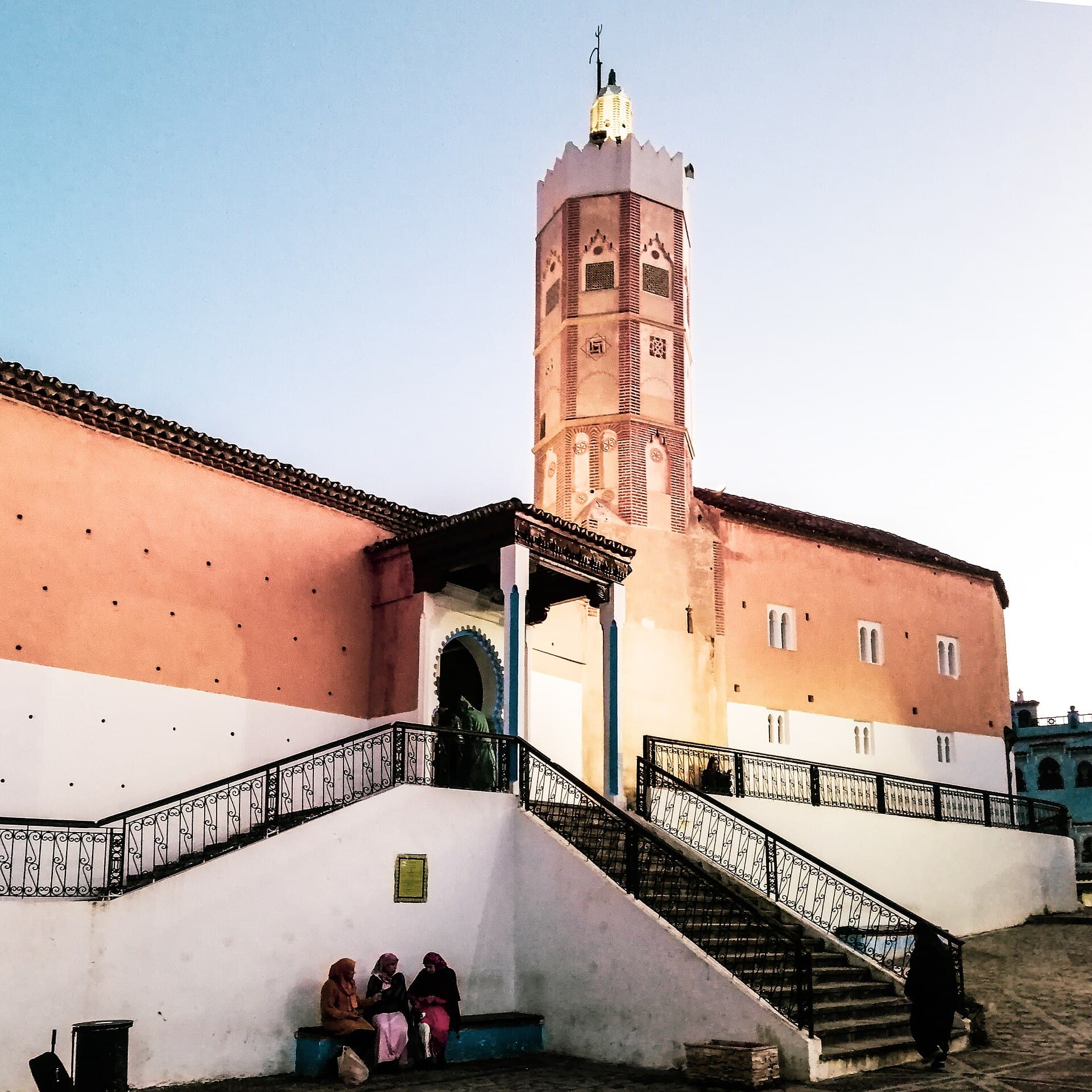
The town's historic Sunni mosque at Place Outa el-Hammam, distinguished by an octagonal minaret built in a 15th-century style.
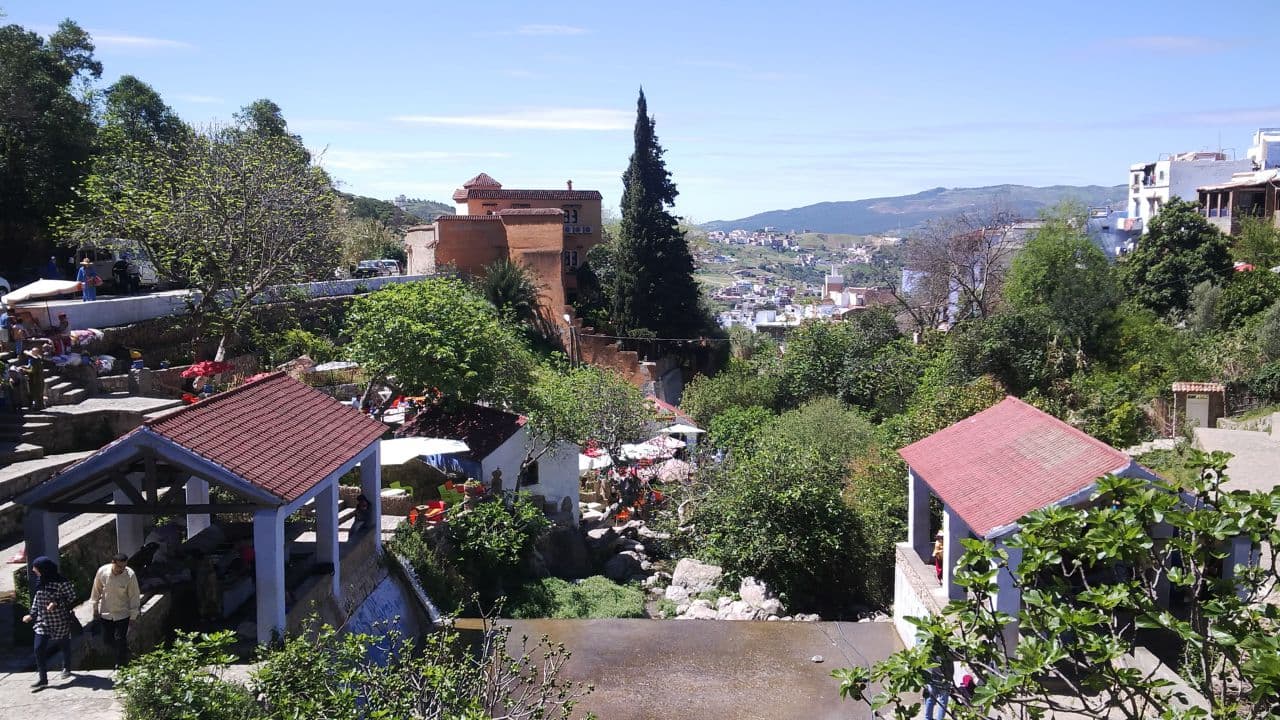
A natural spring and small waterfall at the medina's north-eastern edge that has supplied Chefchaouen with water since its 1471 founding; women still wash wool and laundry there by hand.
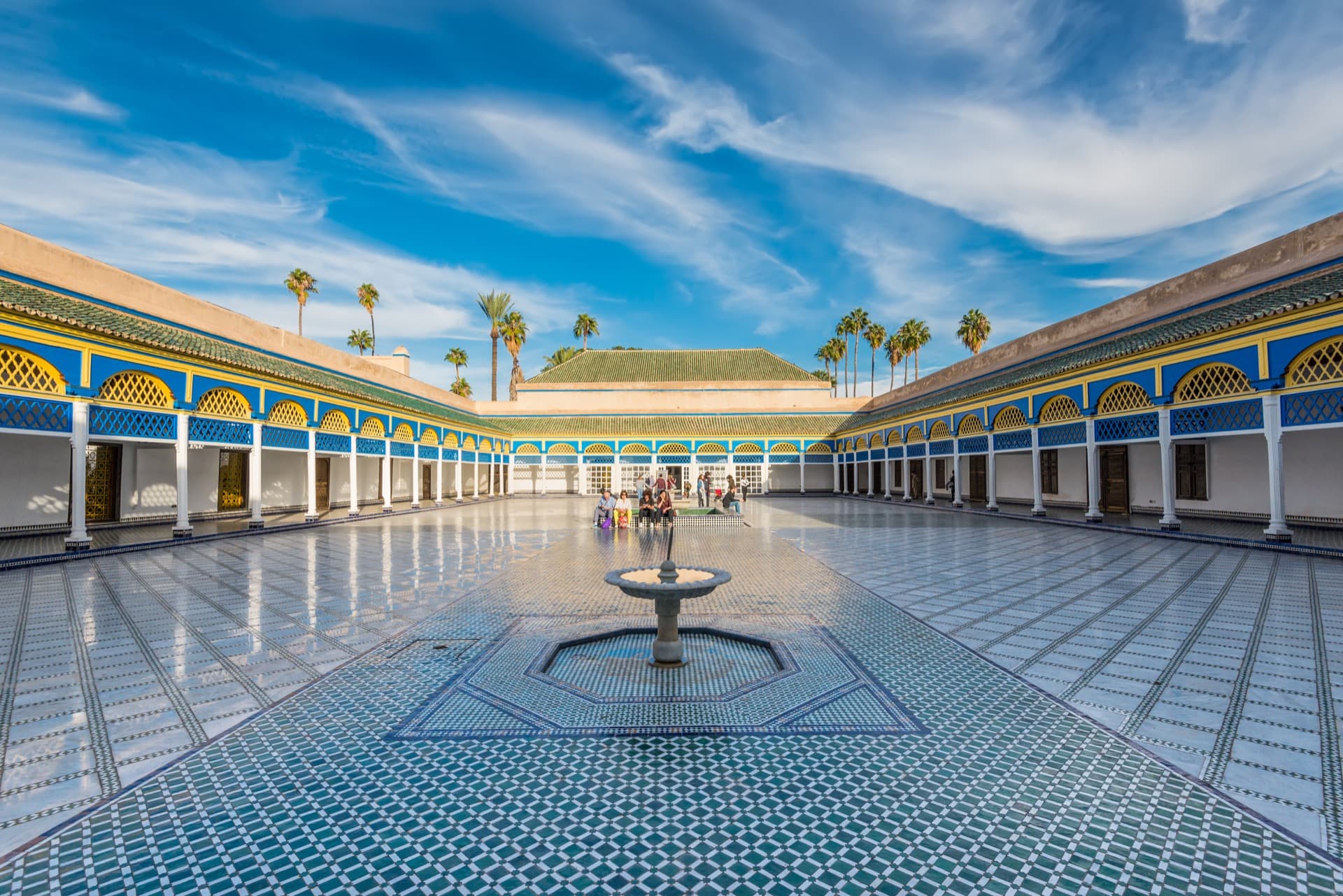
A late-19th-century palace celebrated for its carved cedar ceilings, painted stucco and tiled courtyards.
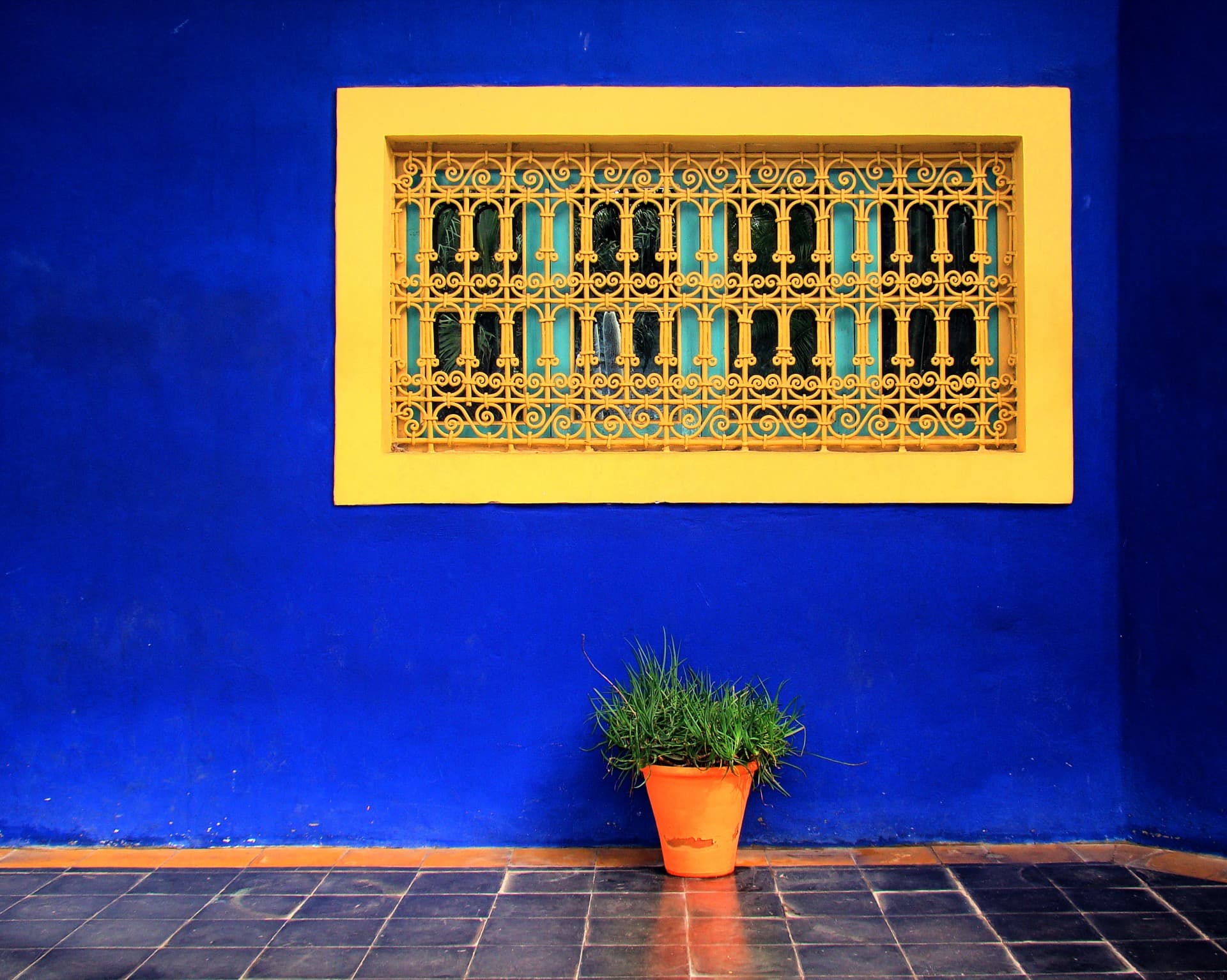
A cobalt-blue botanical garden created by French painter Jacques Majorelle, later restored by Yves Saint Laurent.
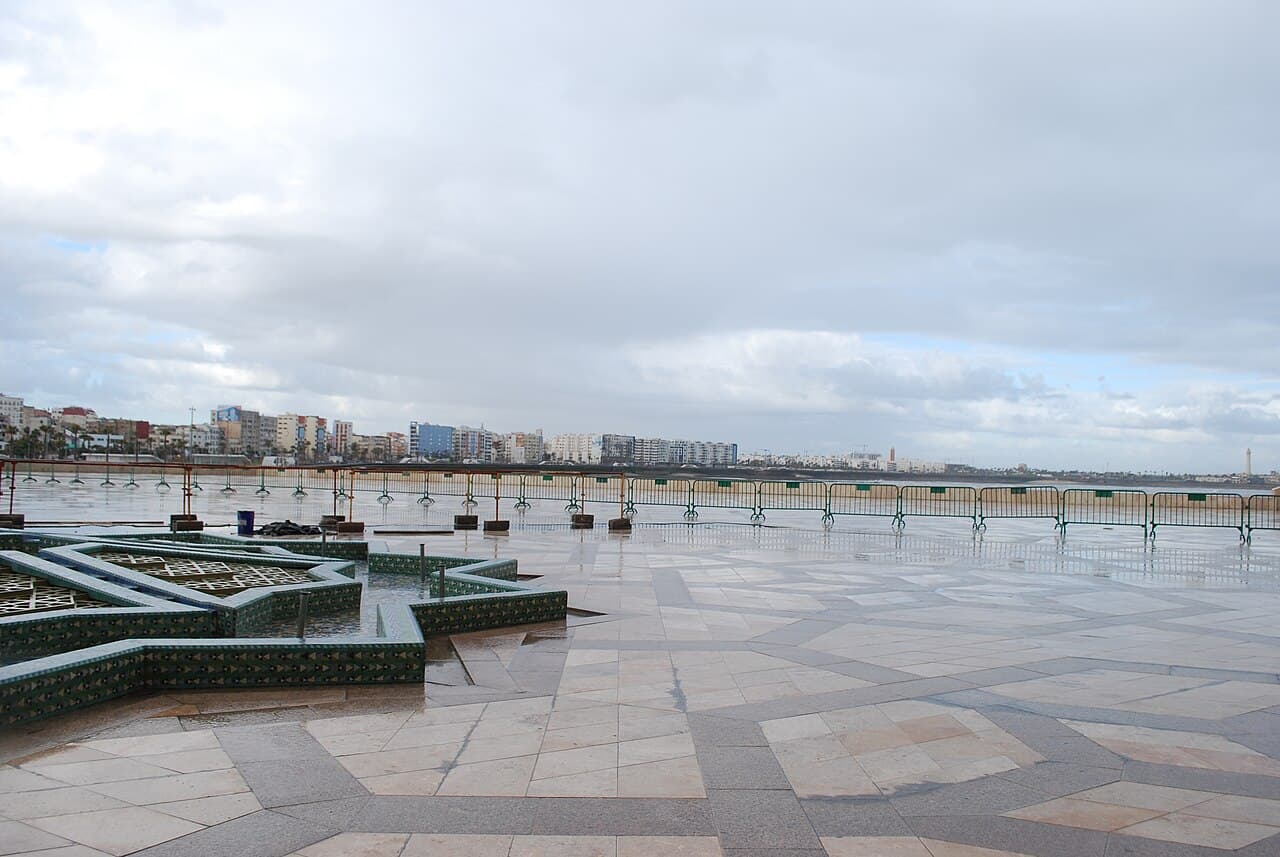
A landmark mosque on Casablanca's Atlantic waterfront, commissioned by King Hassan II (foundation stone laid in 1986), with a minaret of about 210 metres. Visitors who are not Muslim can usually enter on a guided visit.
Prices and availability can change. Final price and availability are confirmed before booking.
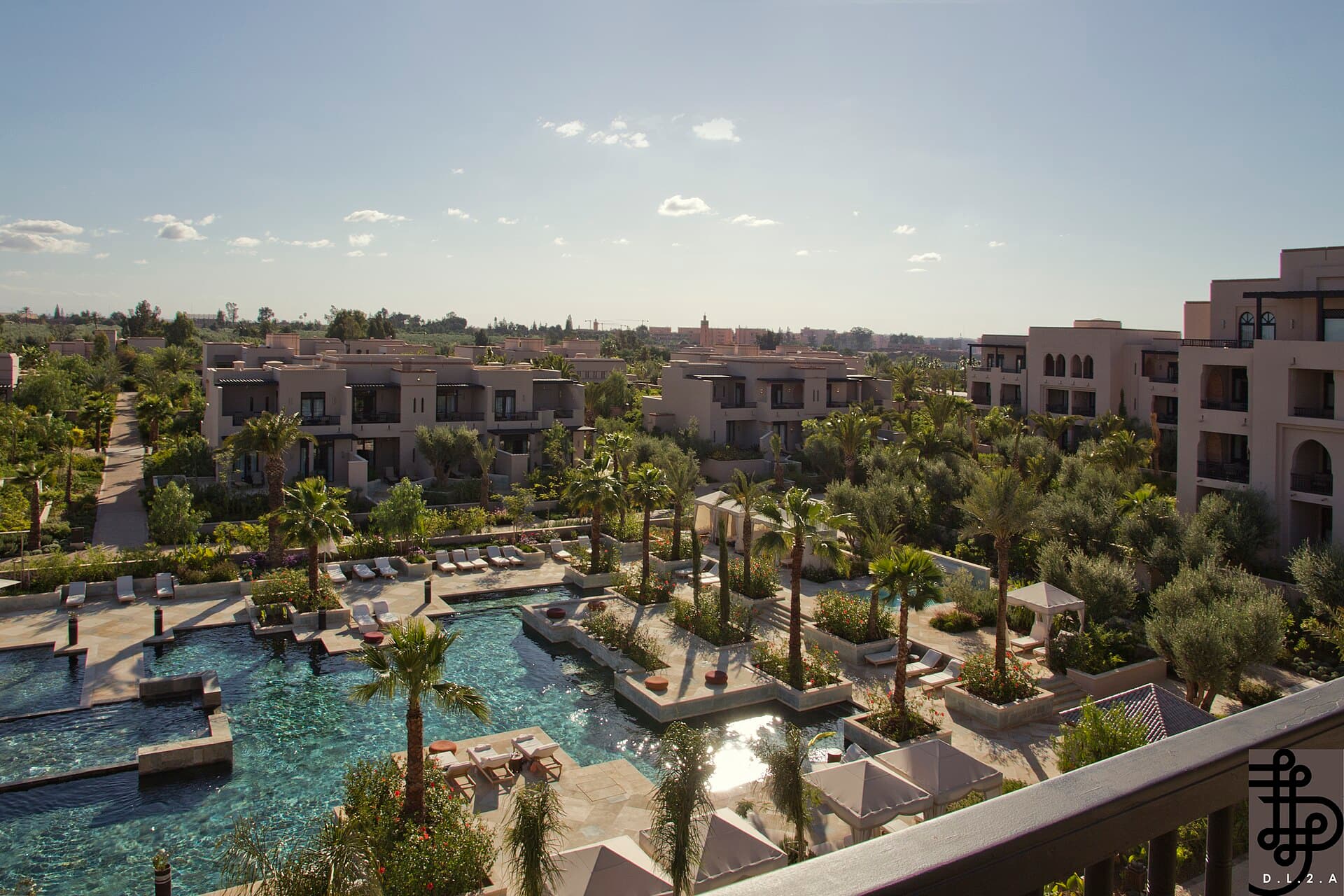
Prices and availability can change. Final price and availability are confirmed before booking.
FEATURED HOTELS
Hotel listings in Morocco from our travel-data partner. These are catalogue entries, not live availability — use “Check live rates” on a hotel for prices and availability.
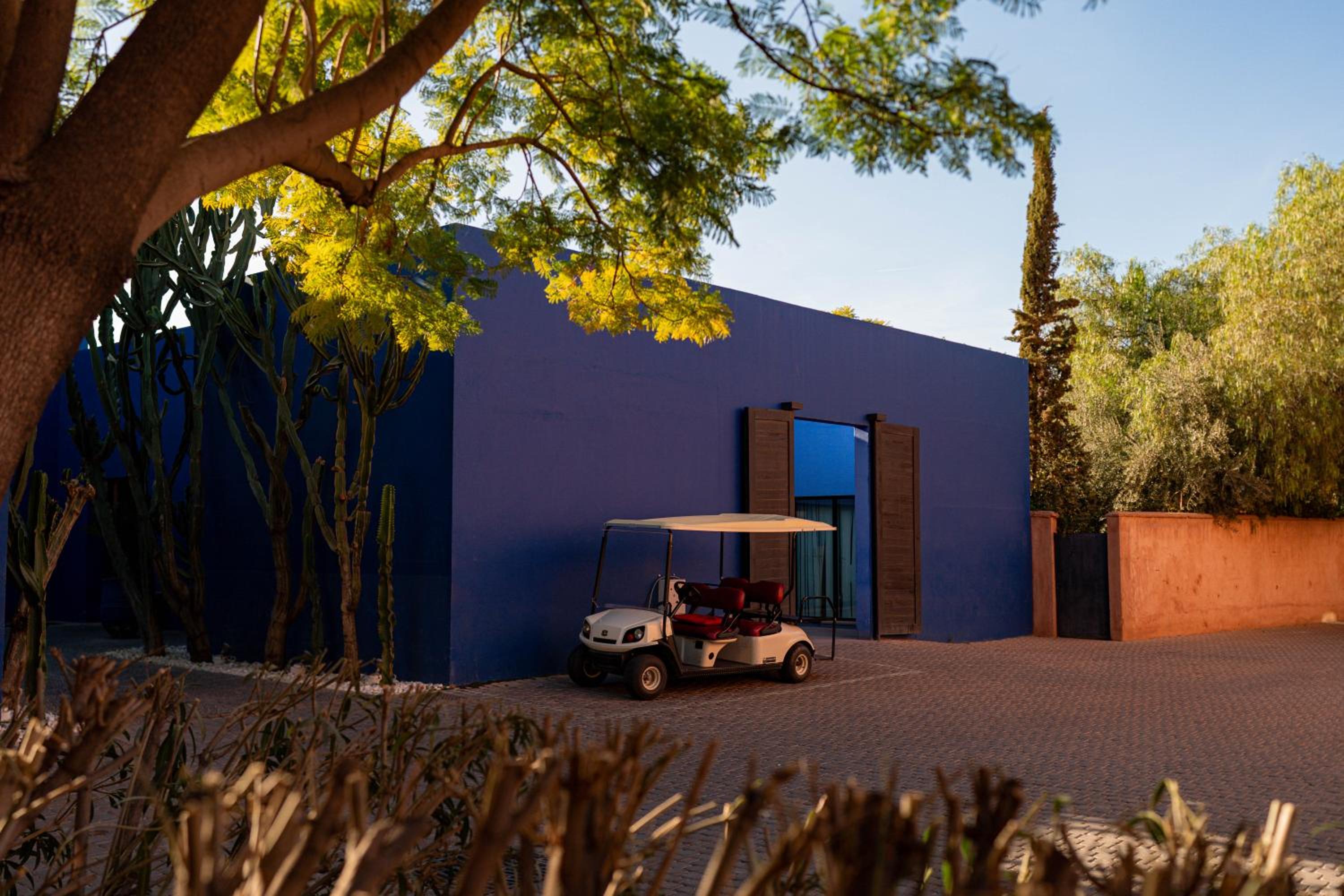
Sidi Youssef Ben Ali, Marrakech
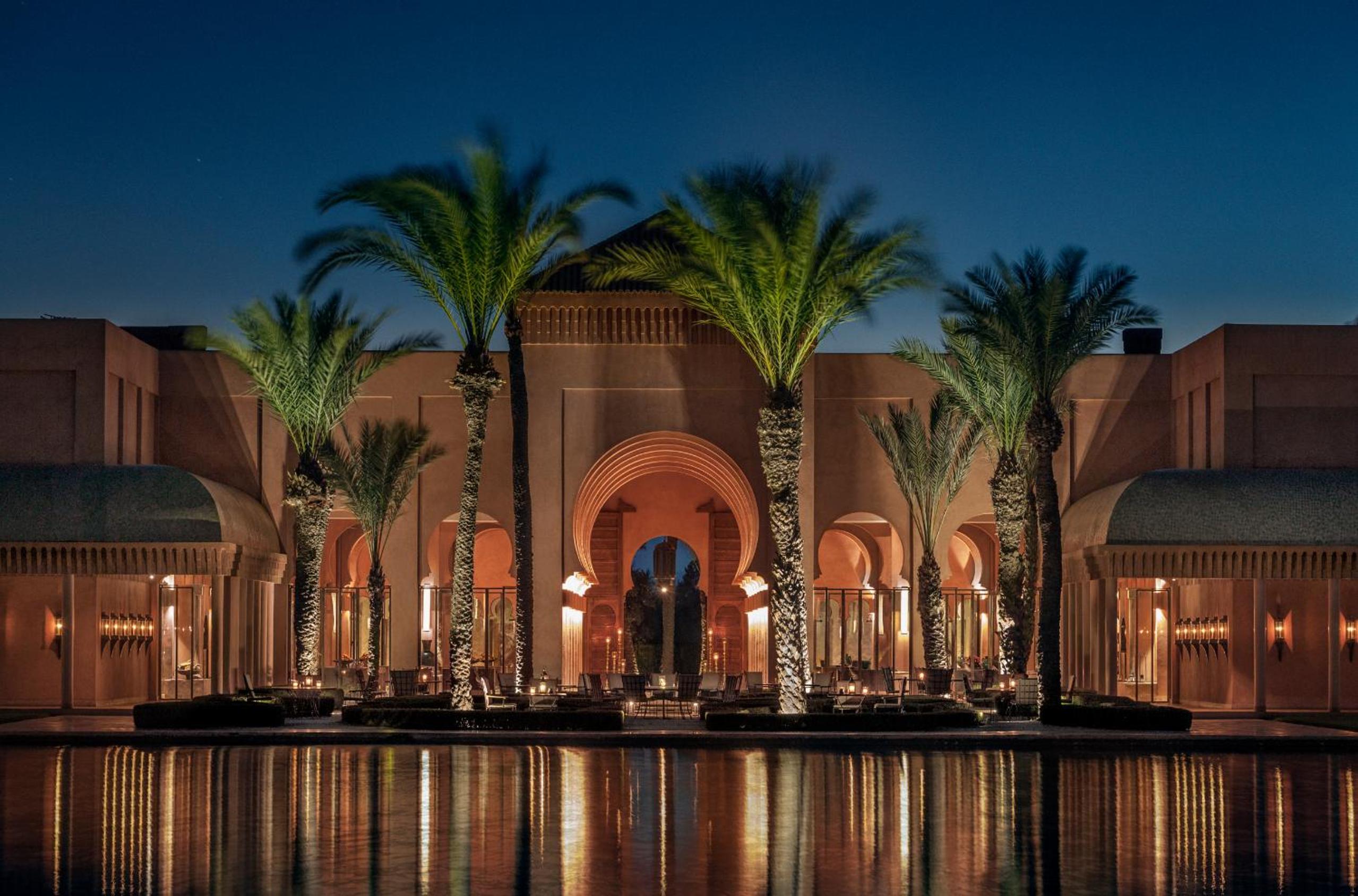
Route de Ouarzazate, Marrakech
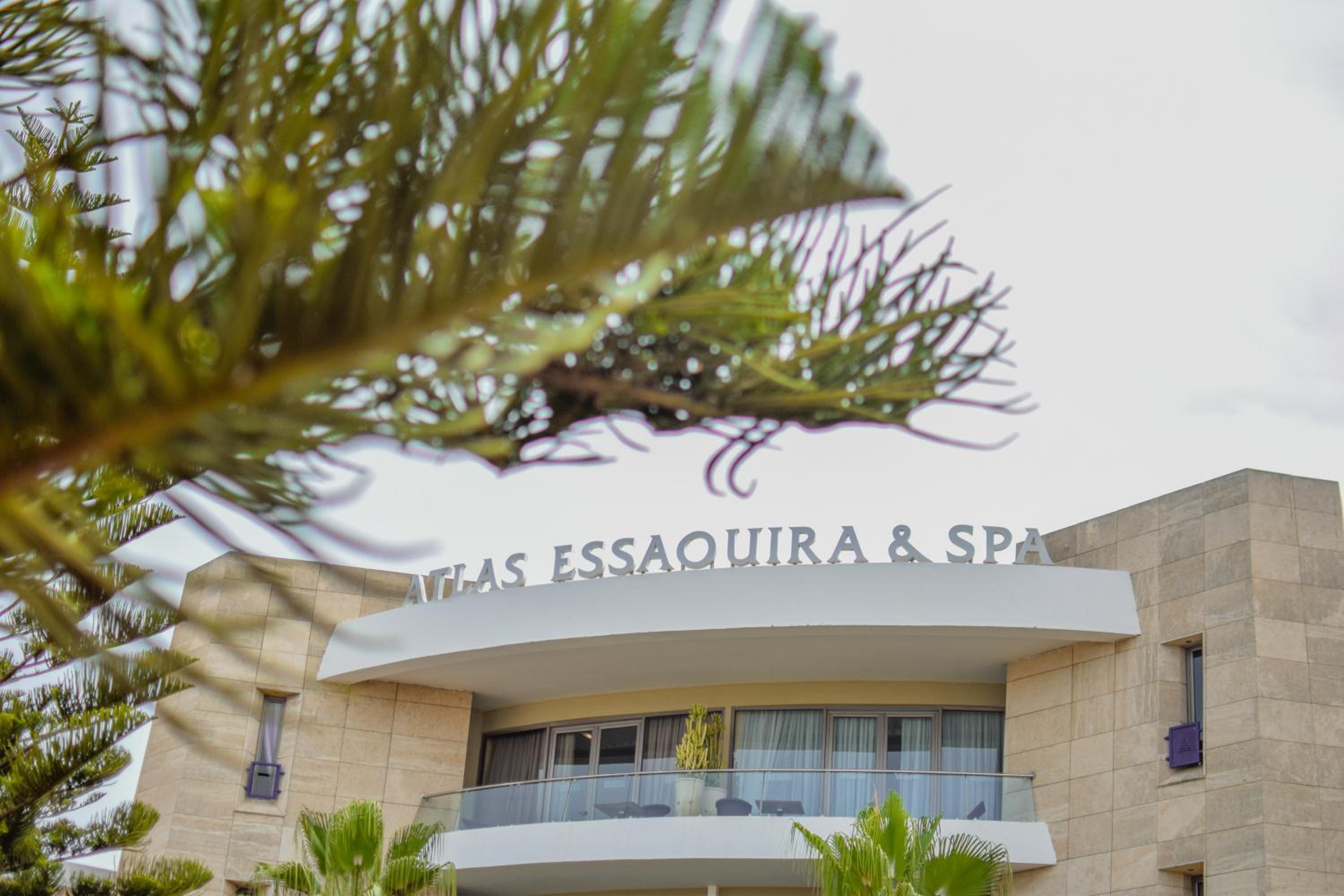
Boulevard Mohamed V, Essaouira
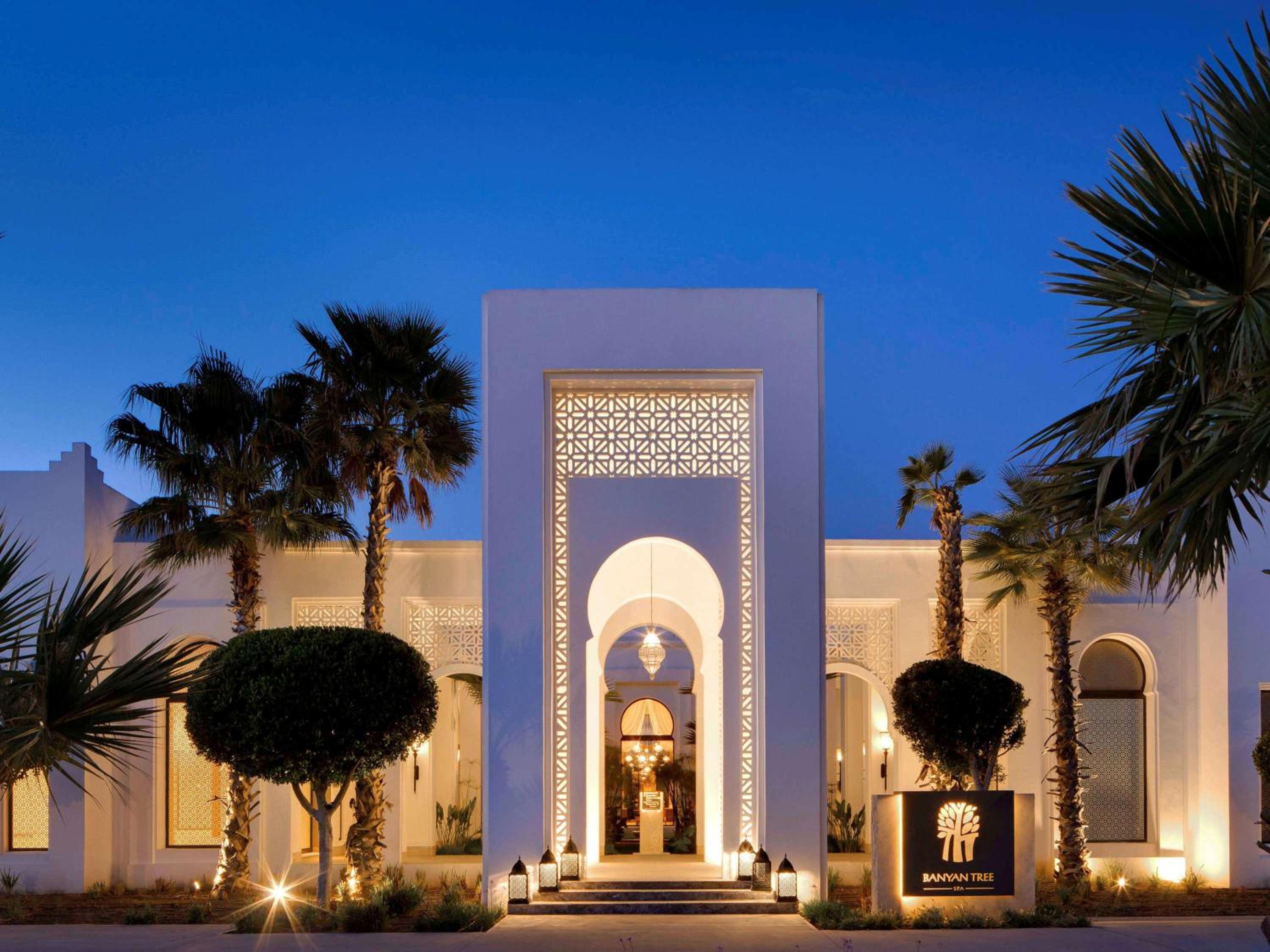
Route Nationale 13, Fnidek
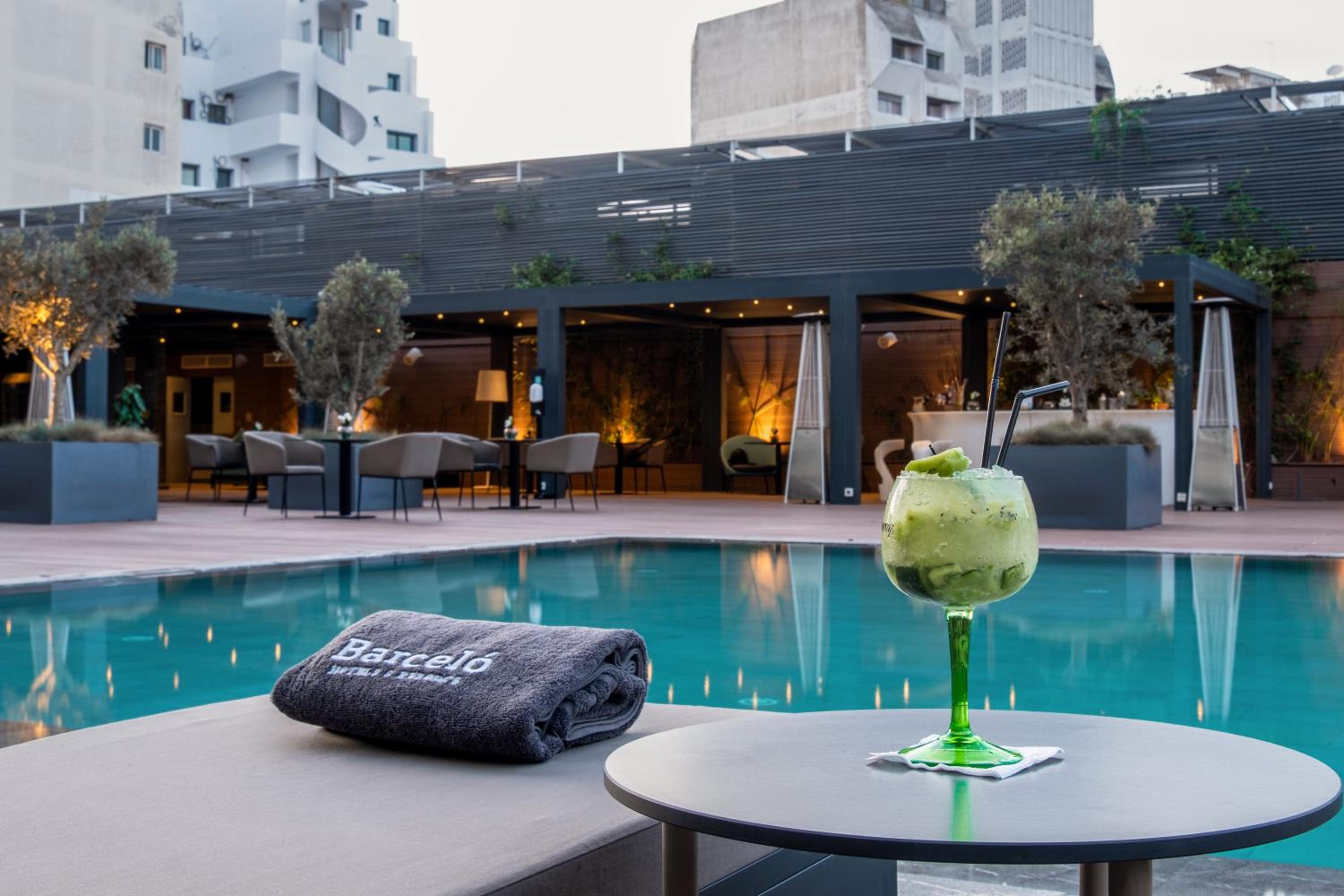
44 Boulevard D Anfa, Casablanca
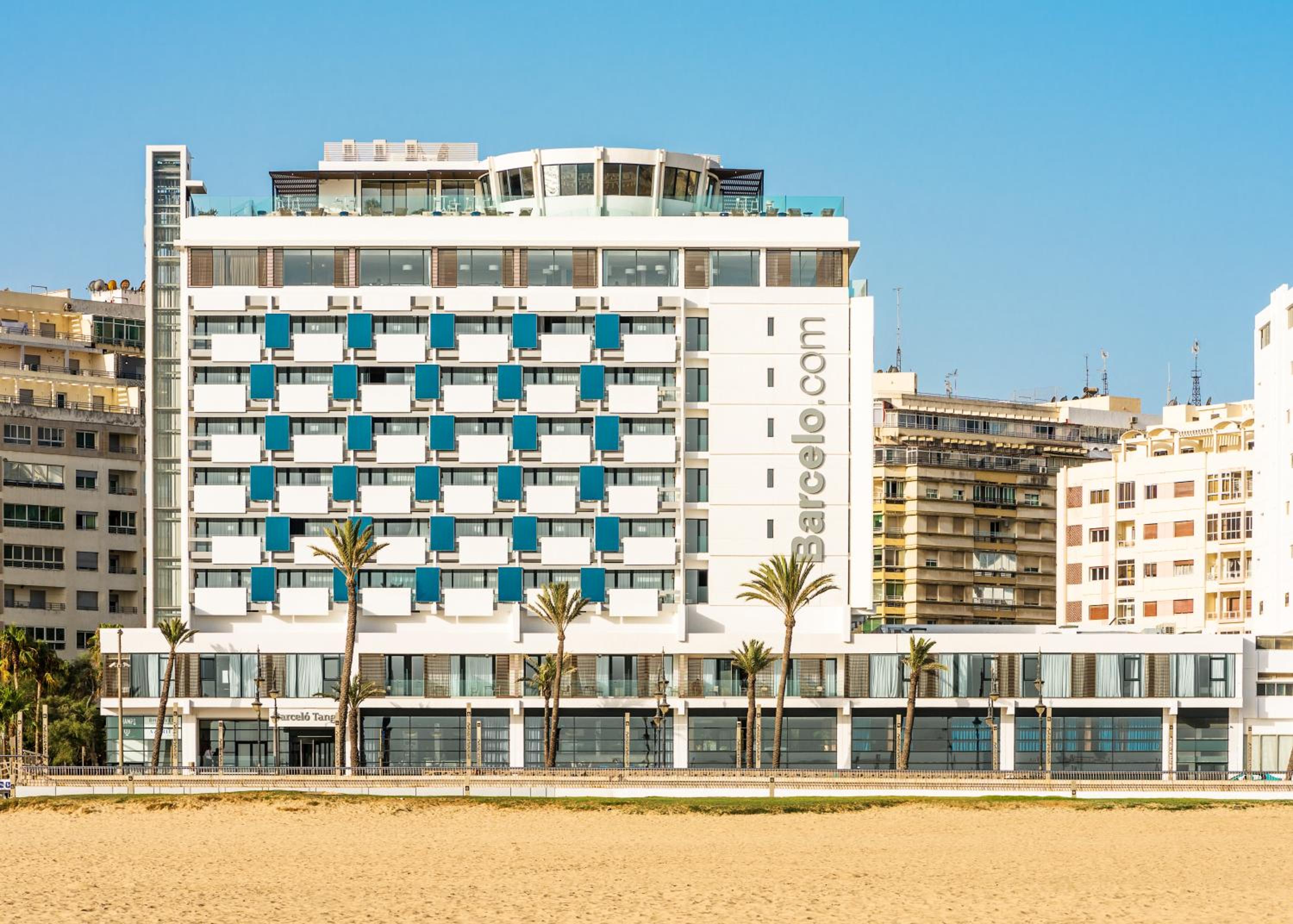
43, Avenue Mohamed VI, Tangier
MORE STAYS
Live provider availability across Morocco. Select a stay to confirm its price, then continue to book.
Written and maintained by the Africa Travel Intelligence Platform (ATIP) editorial team, using only places and records ATIP has reviewed. Facts we have not verified, such as opening hours, prices and schedules, are left out rather than guessed.
Read about ATIP’s general editorial approach It describes how ATIP works in general and does not verify individual guides.
YOUR NEXT CHAPTER
Start with the places that speak to you. ATIP planning tools can help bring your interests, destinations and travel information together.
Search flights to AfricaCompare hotel rates for your datesExplore tours and activities in Africa
No current regional FCDO advisory notices for this country.
FCDO travel advice for Morocco. Includes safety and security, insurance, entry requirements and legal differences.
UK FCDO · Last updated August 19, 2026 · Retrieved just now
View official adviceContains public sector information licensed under the Open Government Licence v3.0.
Travel advice can change. Review the official source before making travel decisions.
Morocco is a year-round destination, but conditions vary significantly by region. Spring and autumn are especially comfortable for inland cities and the Sahara, while Atlantic coastal areas remain appealing through much of the year.
Entry and visa requirements vary by nationality and change periodically. Confirm current requirements with Morocco's official diplomatic channels or your own government's travel advisory before departure.
Language: Arabic and Amazigh. Currency: Moroccan dirham.
ATIP’s main destination guides for Morocco are Marrakech, Fez, Casablanca, Chefchaouen, and Rabat.
ATIP’s editorial guidance suggests Marrakech (3 days), Fez (2 days), and Casablanca (1–2 days). These are recommendations, not minimum stays; allow extra time to travel between places.
ATIP’s editorial review groups the main destinations by traveller interest: Culture: Marrakech, Fez, Casablanca, and Rabat; History: Marrakech, Fez, Casablanca, and Rabat; Nature: Rabat; Photography: Marrakech, Fez, and Casablanca. Open each destination guide for the details.
Yes: 3 Days in Marrakech, 2 Days in Casablanca, 2 Days in Chefchaouen, 2 Days in Rabat, and 2 Days in Fez. Each sets out its places with the sources behind them.
ATIP’s guide to Morocco covers 10 destinations. The main ones are compared below by type of place, who they suit, the suggested stay and the best time recorded for each; anything ATIP has not recorded is left out.
At ATIP’s suggested stays, the 3 destinations above that carry a duration add up to 6–7 days before any travel between them, which ATIP does not time. Choose the places that match your interests rather than trying to cover them all.
A calm 3-day Marrakech itinerary: Jemaa el-Fnaa and the Koutoubia, Bahia Palace and the Ben Youssef Madrasa, then El Badi, the Saadian Tombs and Jardin Majorelle.
A paced 2-day Casablanca itinerary: the Hassan II Mosque and the Old Medina on day one, the Habous Quarter on day two.
A relaxed 2-day Chefchaouen itinerary: the Kasbah and the Grand Mosque on day one, the Ras el-Ma spring on day two.
A paced 2-day Rabat itinerary: the Kasbah des Oudayas and Chellah on day one, then the Hassan Mosque and two museums on day two, all places ATIP has reviewed.
A paced 2-day Fez itinerary: enter the medina by Bab Boujloud and visit the Nejjarine Museum on day one, then the leather tanneries and the Jnan Sbil Garden on day two.
PLACES THAT BRING A COUNTRY TO LIFE
Discover the places in our Morocco collection, from everyday city life to landscapes and cultural connections.
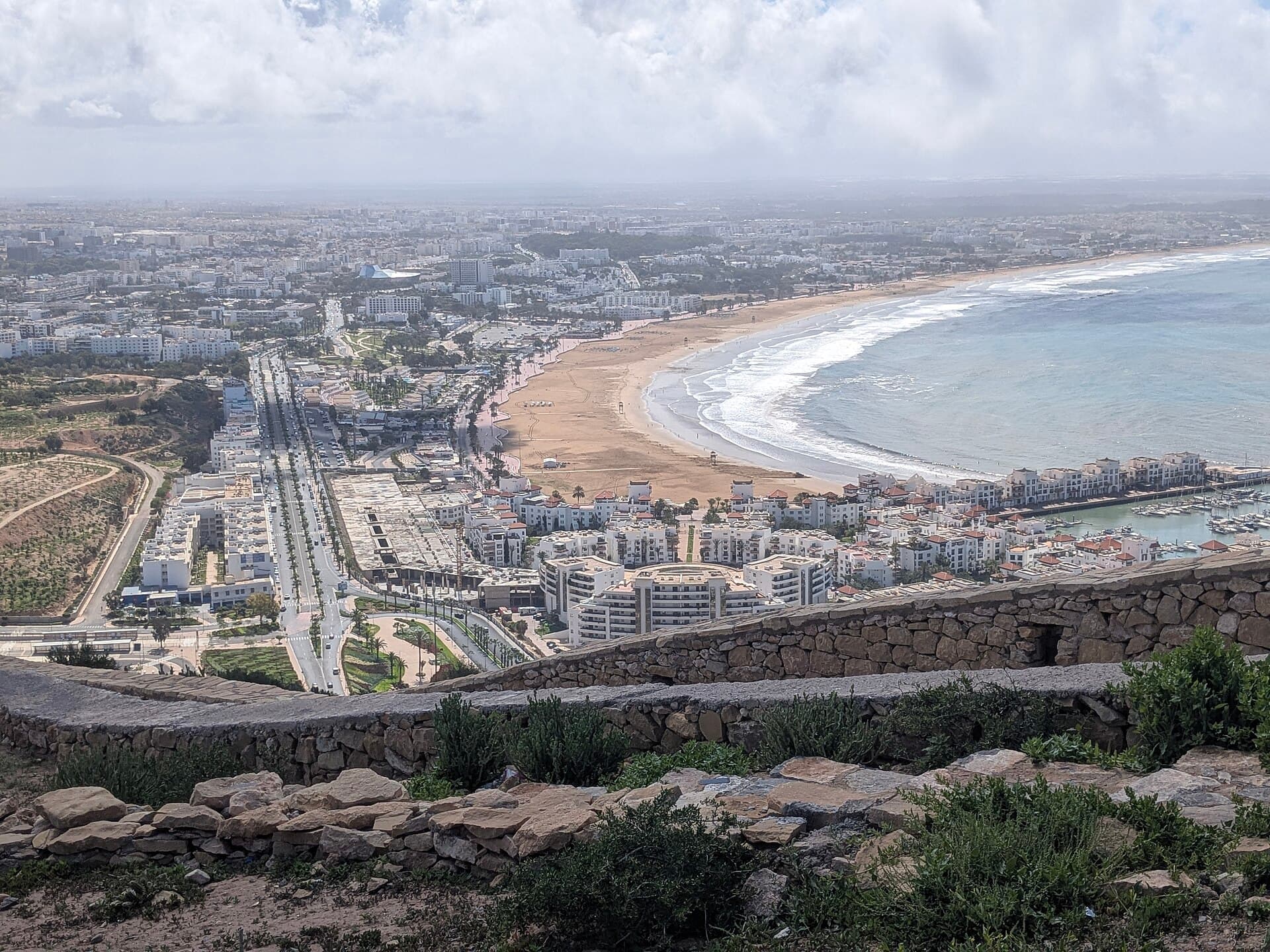 Beach
Modern Atlantic resort with long beaches, golf, surf schools, and access to the Souss region.
Explore destination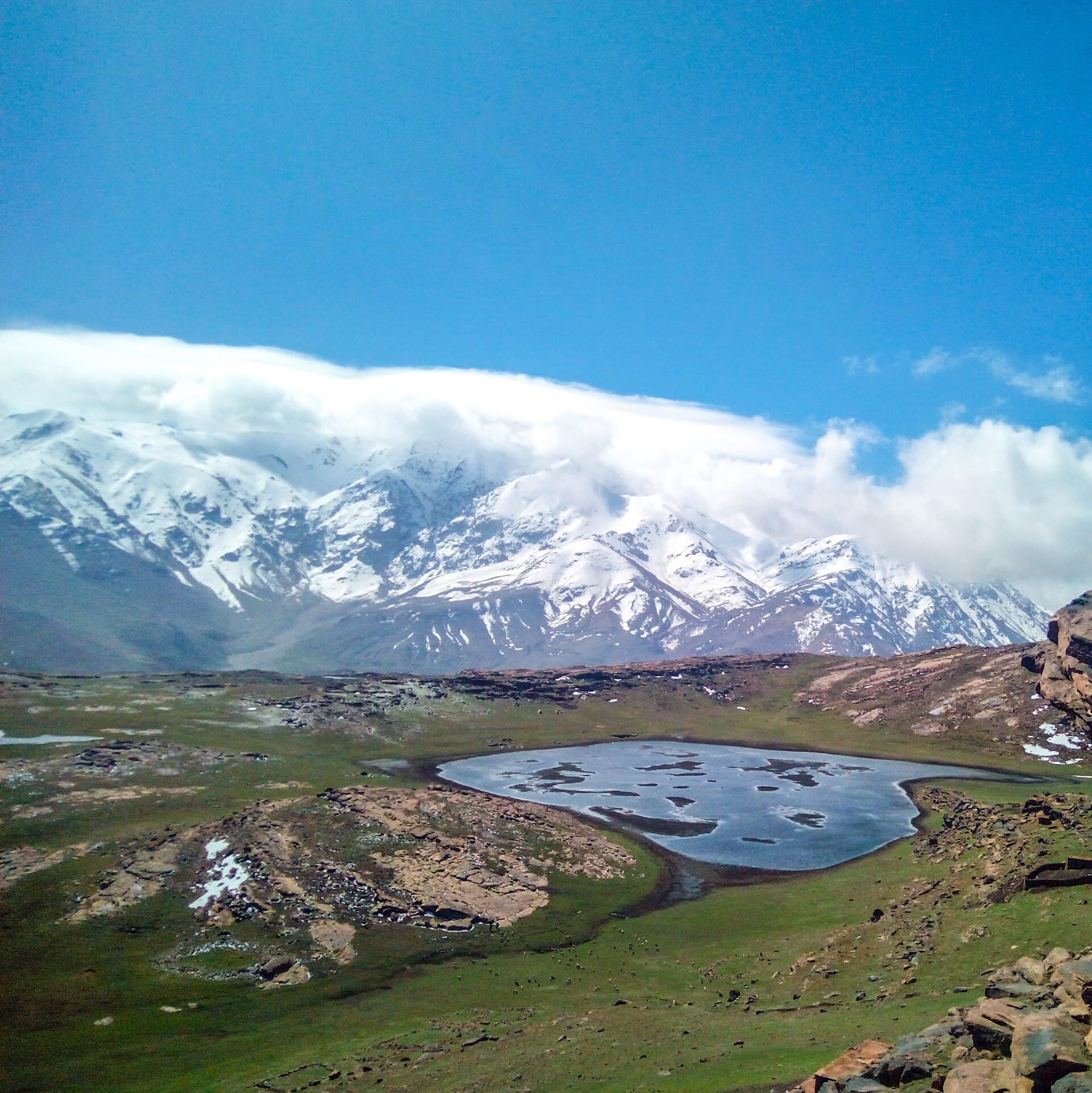 Mountain
Highland range of Berber villages, trekking routes, valleys, and panoramic mountain passes.
Explore destinationCityAtlantic metropolis with art deco avenues, modern dining, and the landmark Hassan II Mosque.
Explore destination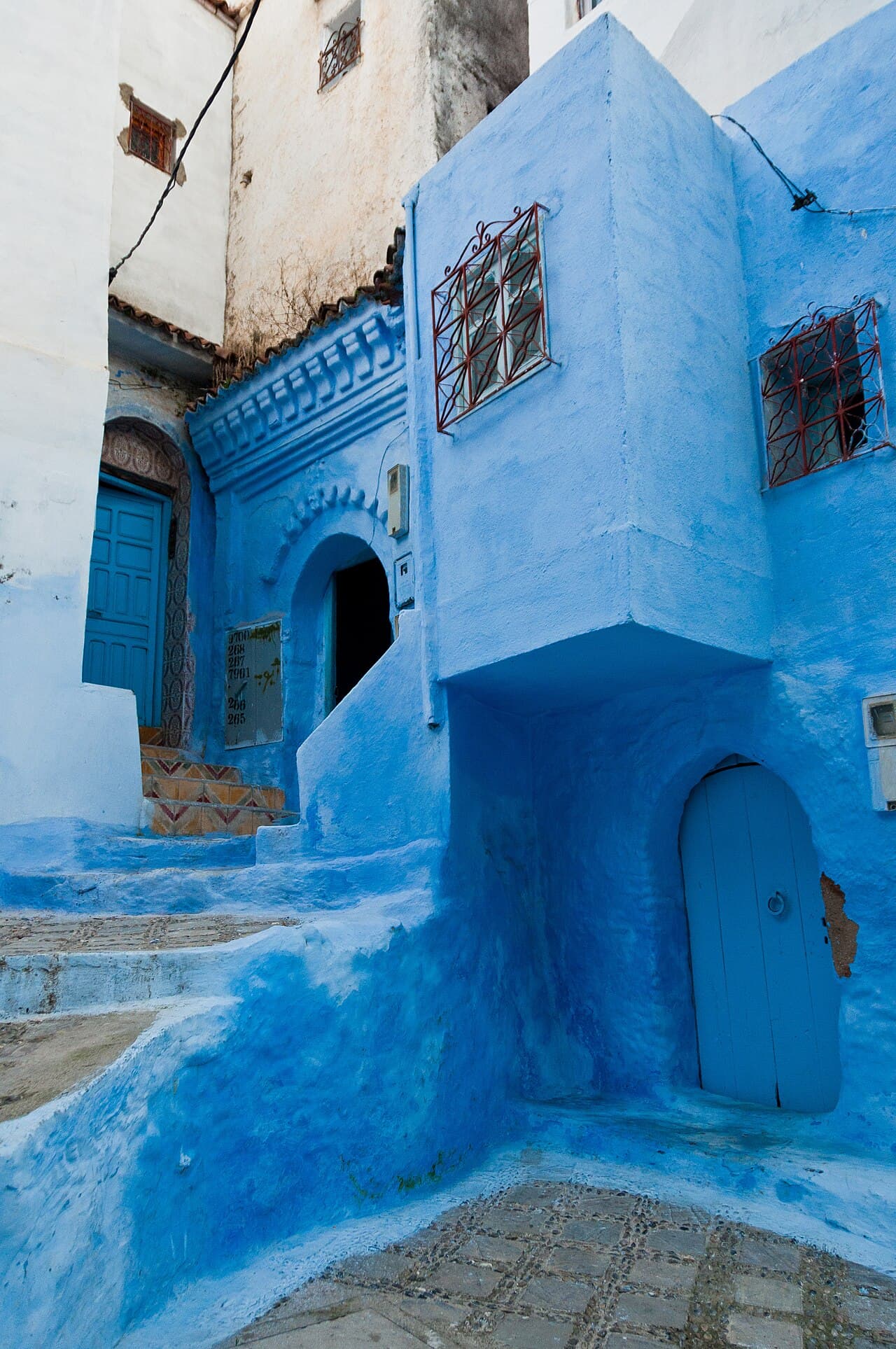 Cultural Area
Blue-painted mountain town in the Rif, prized for artisan workshops, photogenic lanes, and hiking.
Explore destination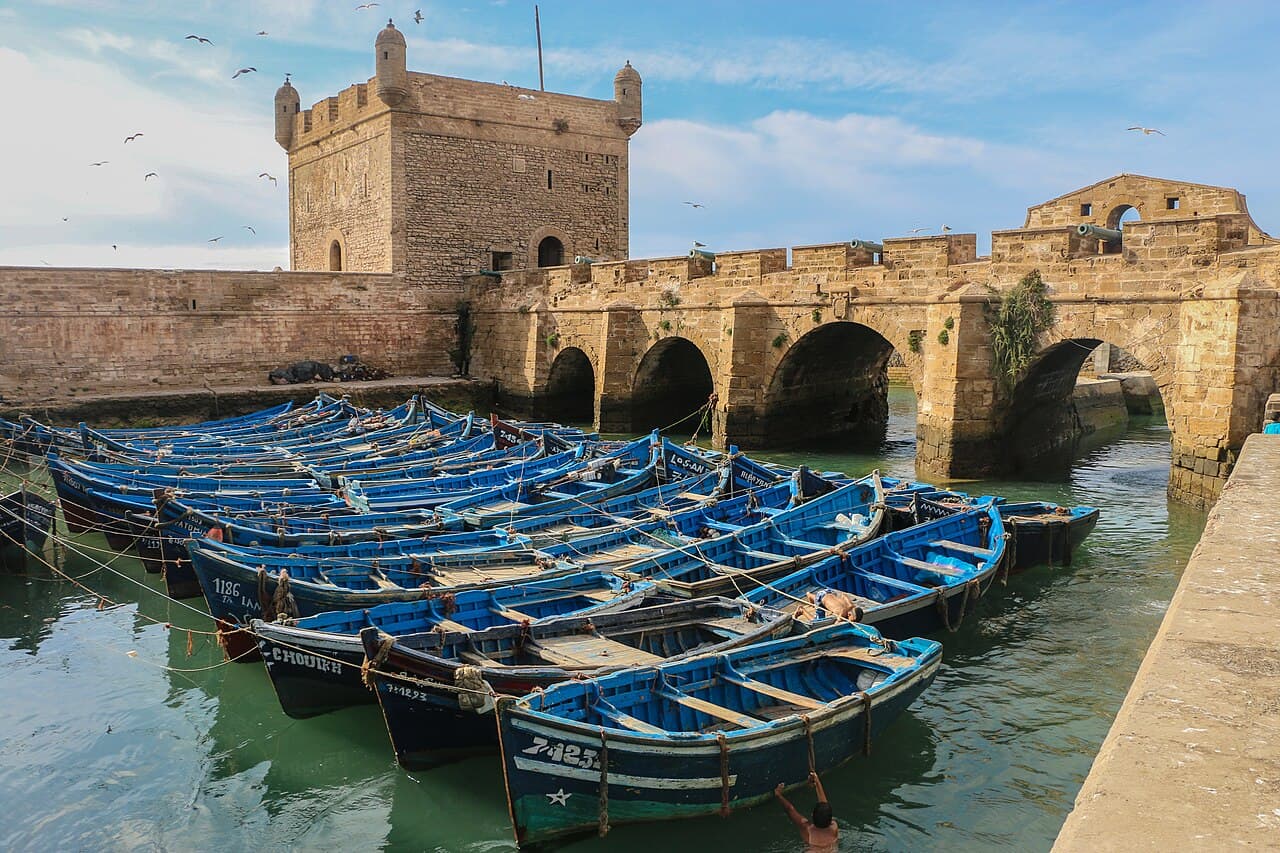 Beach
Windy Atlantic walled town popular for seafood, surfing, art galleries, and coastal ramparts.
Explore destination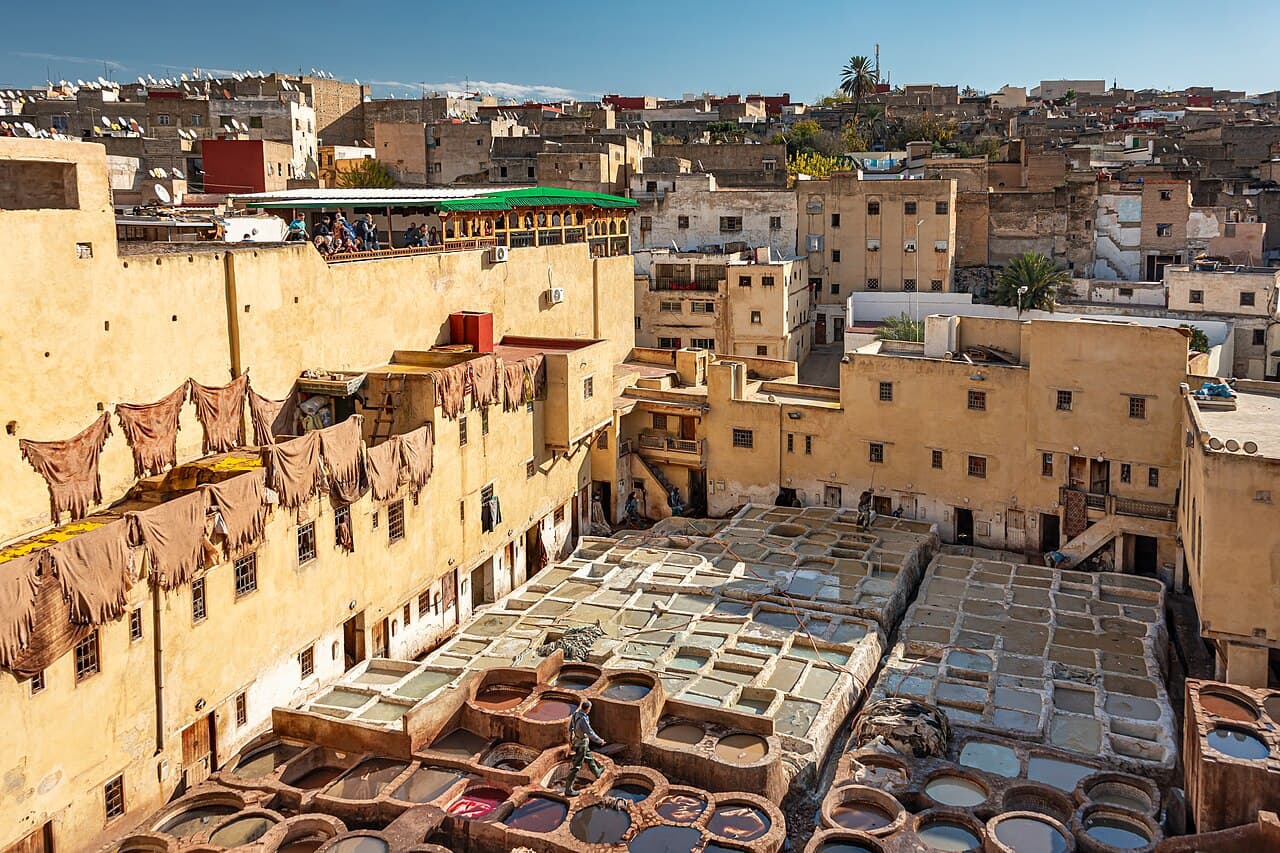 Historical Site
Medieval imperial city with a vast medina, traditional tanneries, madrasas, and craft heritage.
Explore destination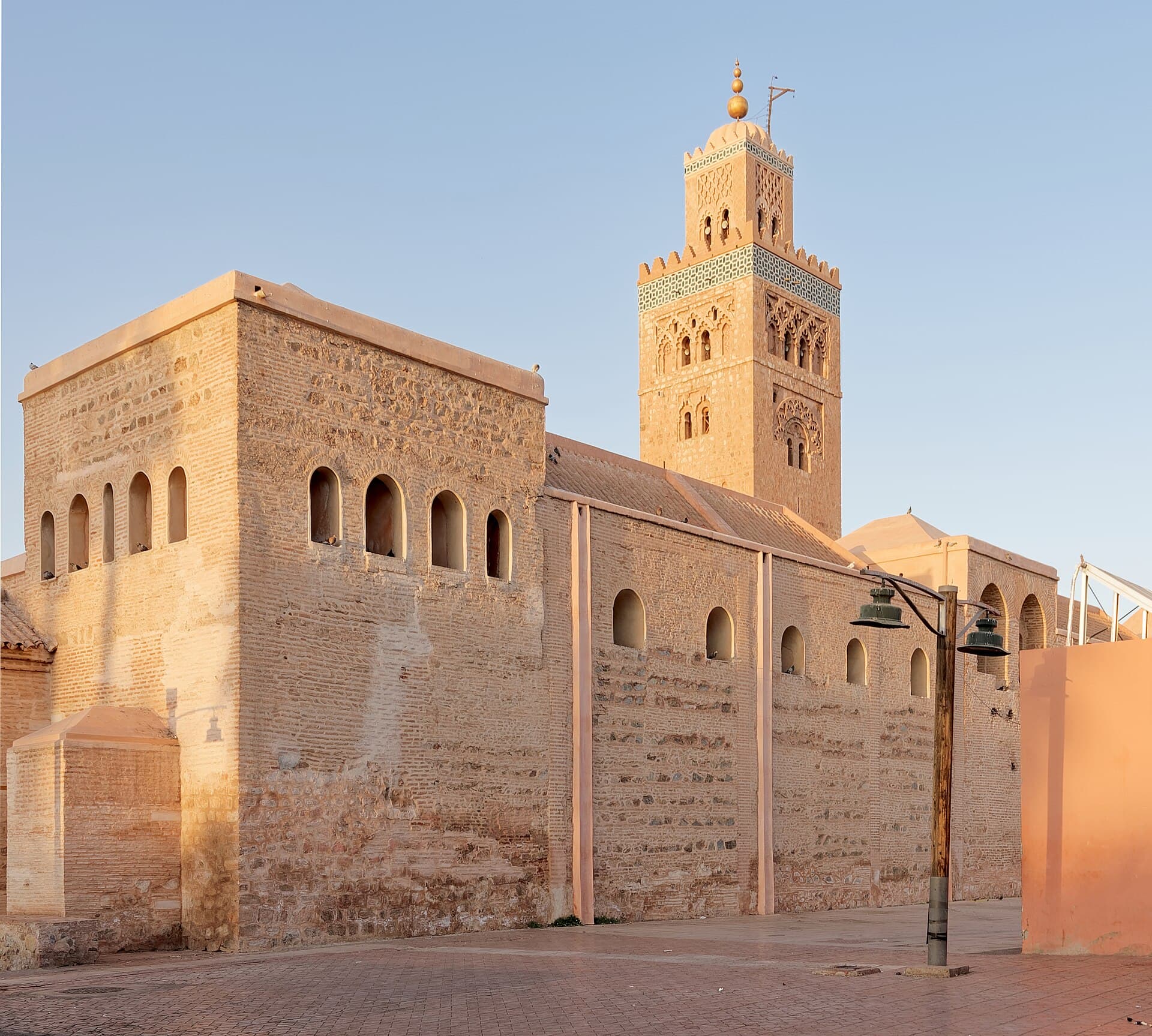 City
Iconic imperial city of riads, gardens, souks, design hotels, and the lively Jemaa el-Fnaa square.
Explore destination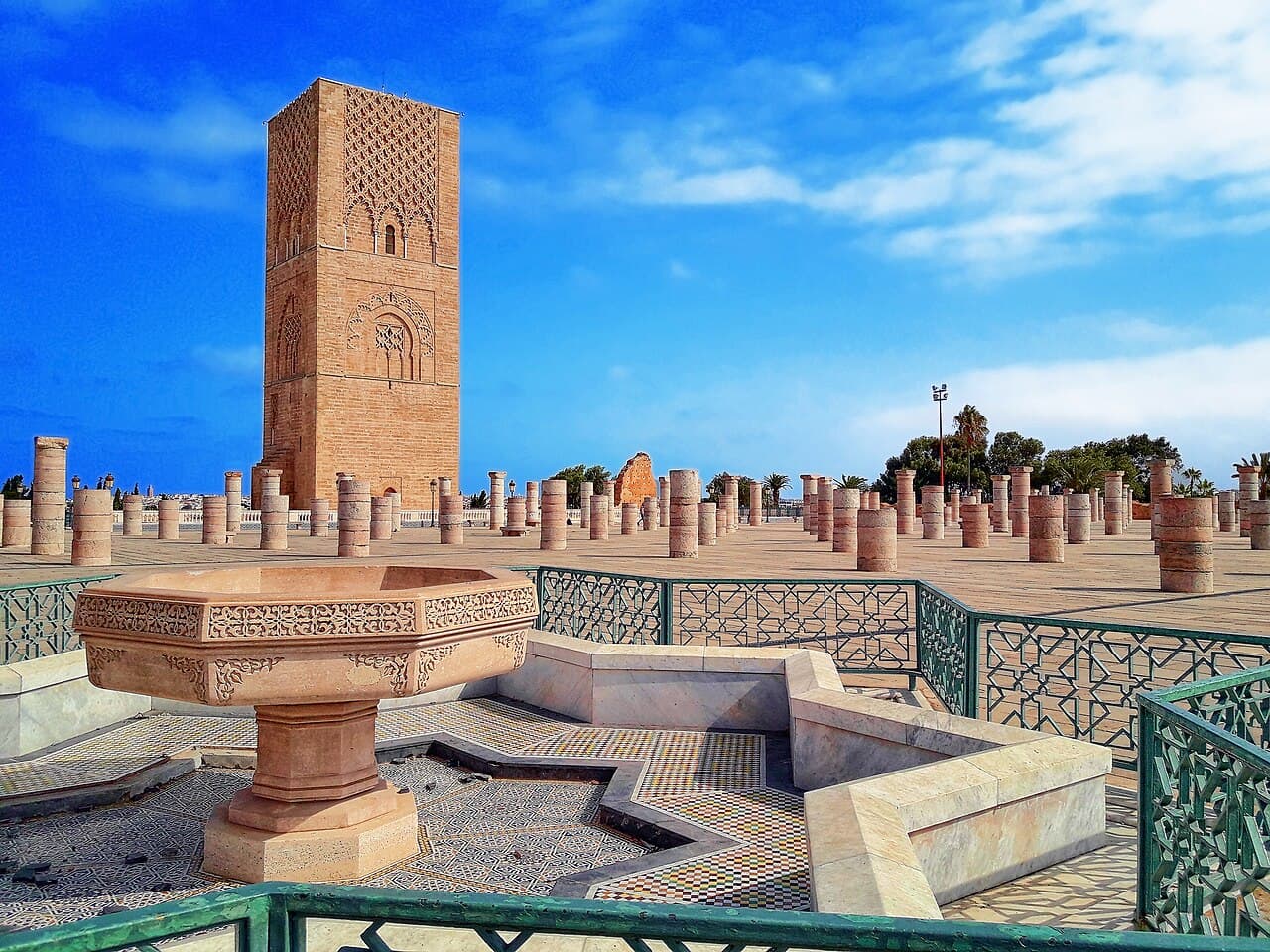 City
Rabat is Morocco's capital. The country's national tourist office points to three places in particular: the Kasbah des Oudayas, the historic remains of Chellah and the Mohammed VI Museum of Modern and Contemporary Art.
Explore destination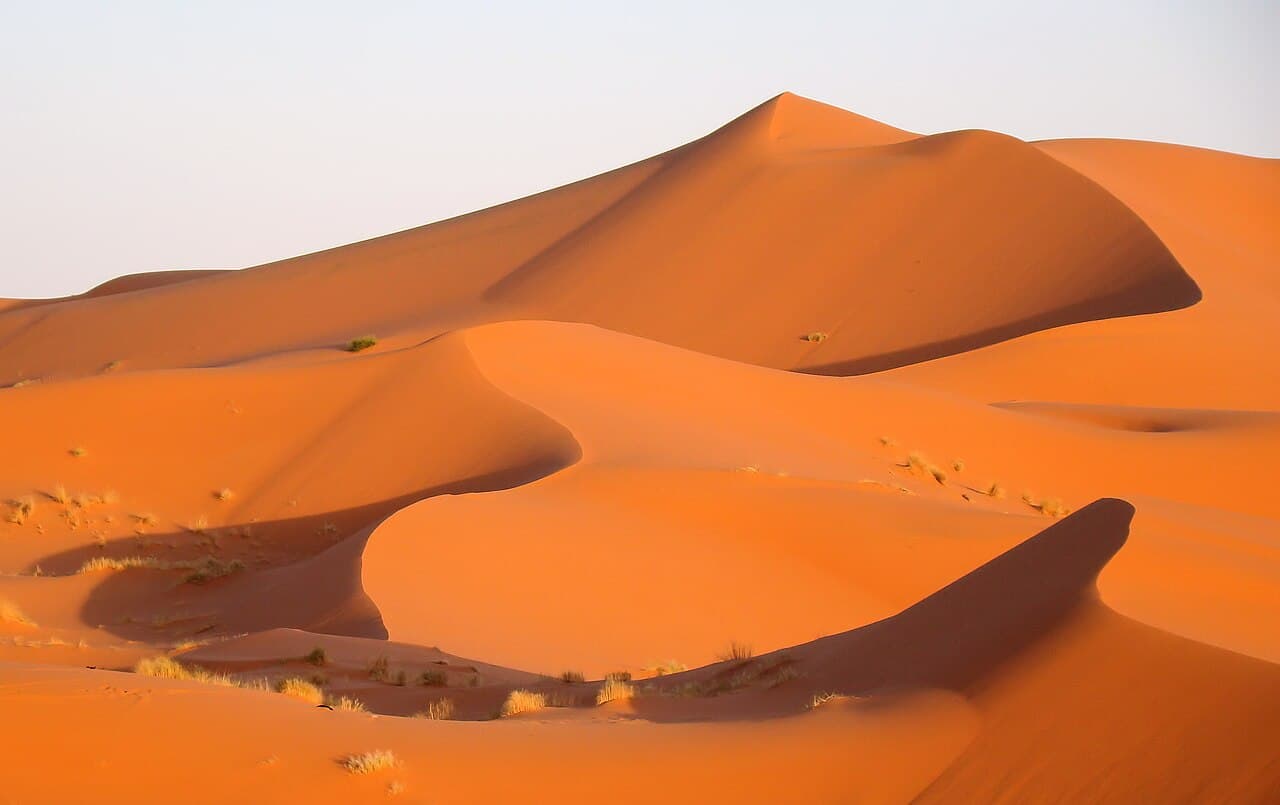 Desert
Gateway to sweeping Erg Chebbi dunes, desert camps, camel treks, and star-filled night skies.
Explore destination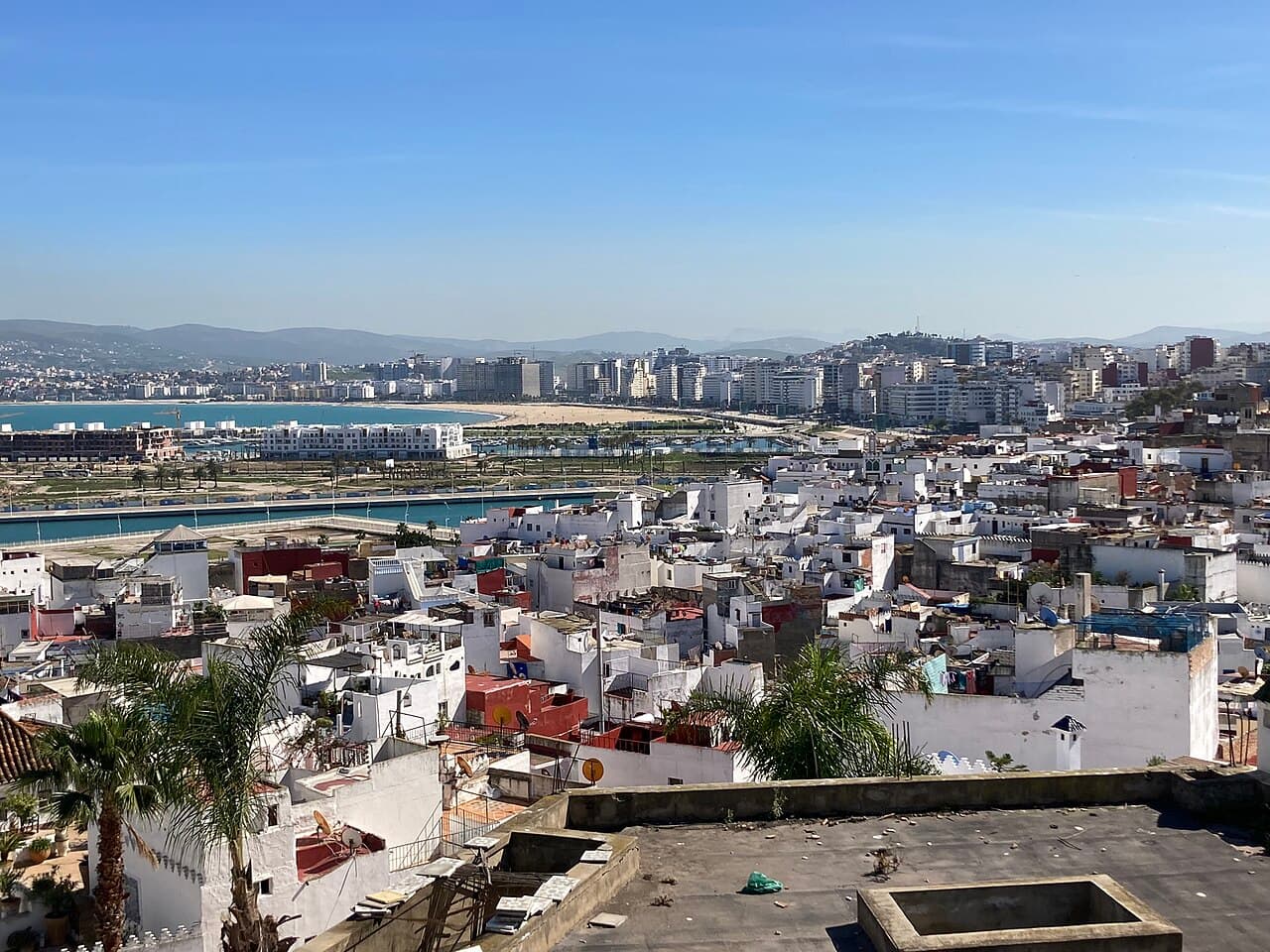 City
Strait of Gibraltar port city with literary history, sea views, medina streets, and café culture.
Explore destinationFOLLOW YOUR CURIOSITY
Select a kind of place or an interest to filter the destinations above.