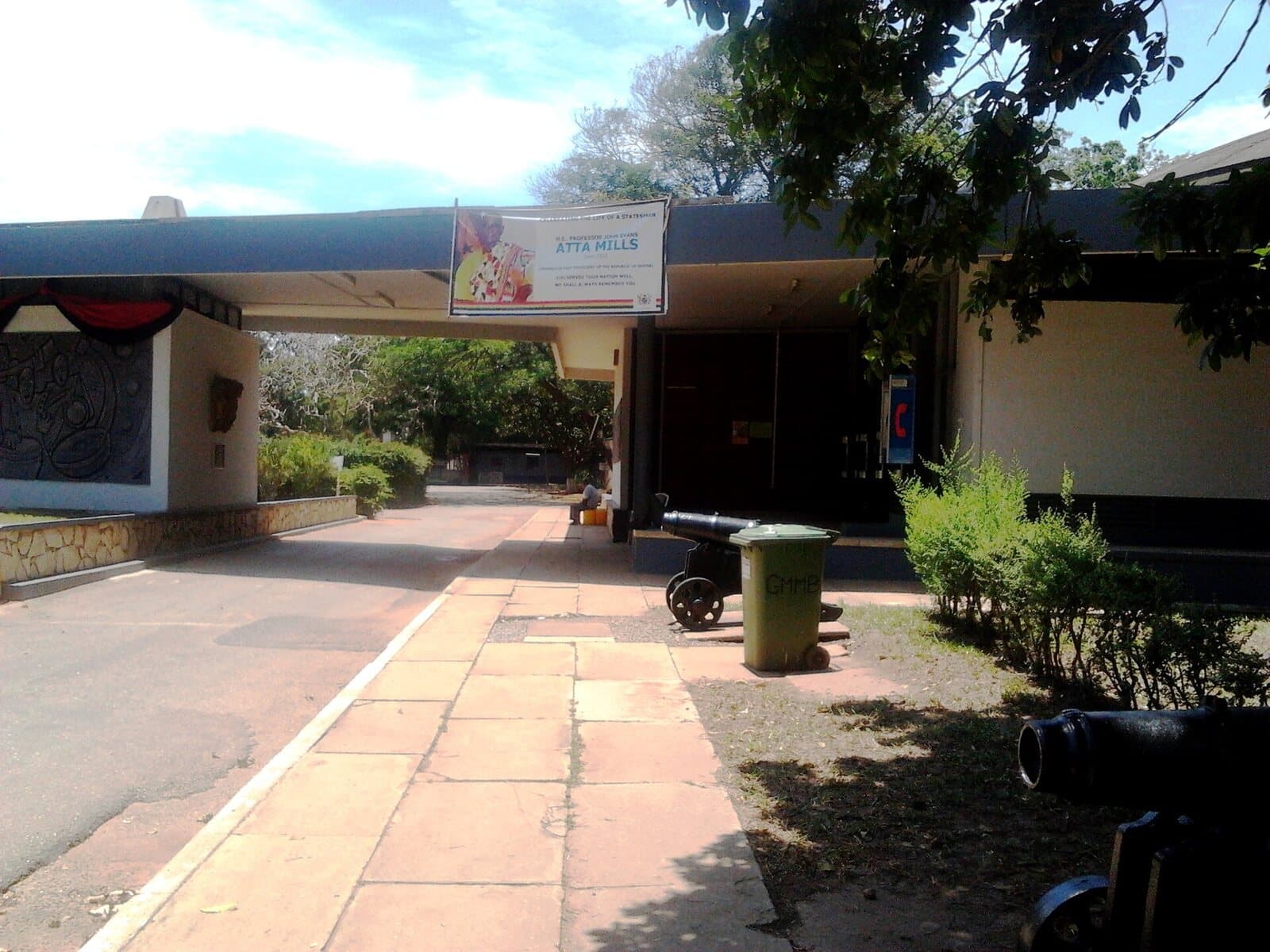
National Museum of Ghana
Ghana's national museum in Accra, whose collections cover archaeology, ethnography and art.
A NEW PERSPECTIVE ON AFRICA GH
West African country with Atlantic beaches, historic coastal forts, vibrant cities, and a strong festival and music culture.
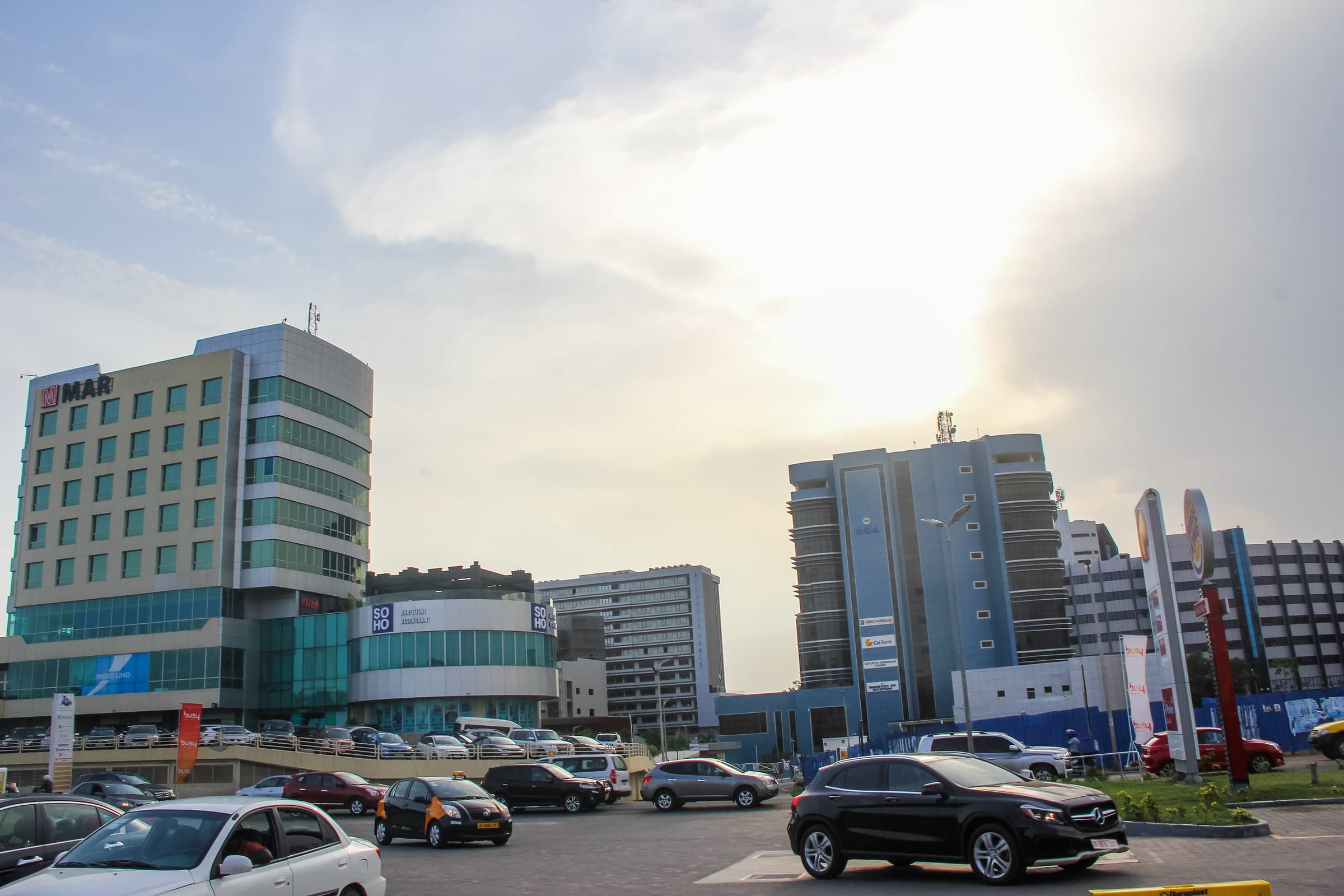
Ghana combines powerful diaspora and heritage tourism with historic coastal sites, Accra’s energetic cultural and nightlife scene, festivals, cuisine and Atlantic coastal experiences.
ATIP’s editorial analysis, drawn from ATIP’s own records and the official sources listed below. It is not first-hand travel experience and not a guarantee.
Country at a glance
From ATIP’s records
Ghana is ATIP’s heritage-and-culture guide for West Africa: Accra for the capital and its music and food scene, Cape Coast and Elmina for the historic coastal forts, Kakum National Park for a forest canopy walk and Mole National Park in the north. Stays are recorded at two to four days for Accra, two to three for Cape Coast and Mole, and one to two for Elmina and Kakum.
ATIP’s editorial view
ATIP’s editorial view: the coast route (Accra, Cape Coast, Elmina, Kakum) is the compact first-trip core and fits a week; Mole is a separate northern trip that adds days and a long transfer ATIP does not time. Ghana’s heritage sites carry a painful history of the slave trade; ATIP’s site guides give context and sources. ATIP’s four-day Ghana itinerary shows one reviewed route.
From ATIP’s records, with editorial advice
Accra (two to four days recorded) uses reputable city transport or arranged transfers between neighbourhoods. Cape Coast and Elmina are close to each other on the Central Region coast and Kakum National Park is reached by road from Cape Coast or another regional base, so one base on that stretch serves all three; Mole National Park in the north is a separate, longer road transfer with established wildlife-viewing and guiding services.
From government travel advice
Visit Ghana describes 16 administrative regions, each with its own blend of nature, culture, heritage and lifestyle experiences. UK government travel advice calls Ghana a conservative and deeply religious country, advises modest dress in public and notes that wearing military clothing, including camouflage, is illegal.
Confirm before you travel
UK government travel advice (written for British passport holders; other nationalities can differ): a visa is required and is applied for in advance through the Ghana High Commission’s online form, and a yellow fever certificate is required. Visit Ghana, the national tourism authority, publishes a flight and visa section and practical information for planning. Confirm current rules with the Ghanaian authorities before you travel.
ATIP’s destination records give the families fit tag to: Kakum National Park. This is ATIP’s editorial traveller-fit tag, not an age, safety or health assessment: check activity requirements, health advice and entry rules for children with providers and official sources.
Sources read November 2026.
Reviewed October 2026.
Loading live travel advice…
Rules depend on your passport.
Check requirementsTravel requirements can change. Confirm current entry and health requirements with official sources before you travel.
Finding places to explore…
Ghana's national museum in Accra, whose collections cover archaeology, ethnography and art.
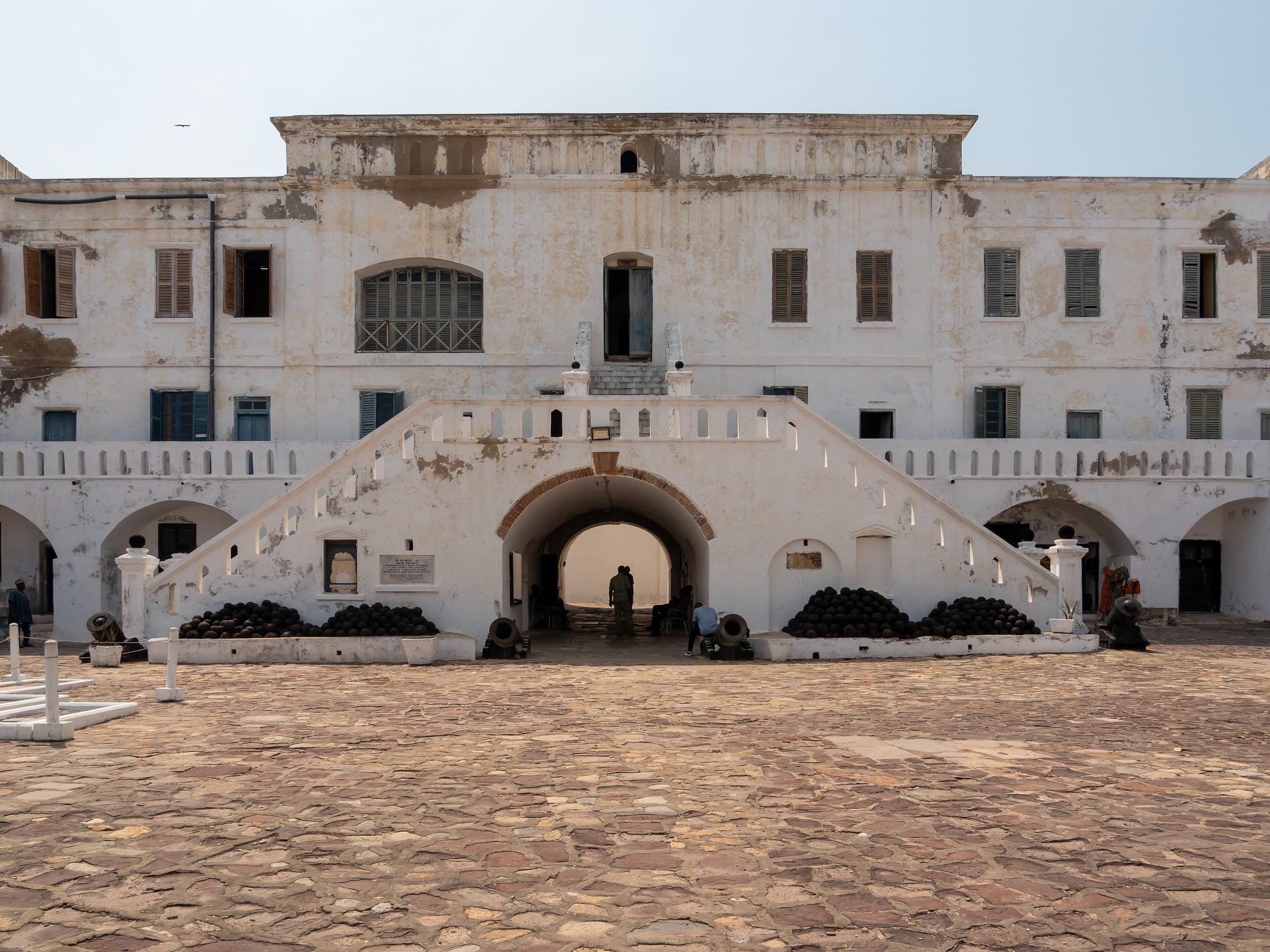
A coastal fortress first built by the Swedes in the 17th century and later expanded by the British, with a history tied to the slave trade; guided tours cover the dungeons and the museum.
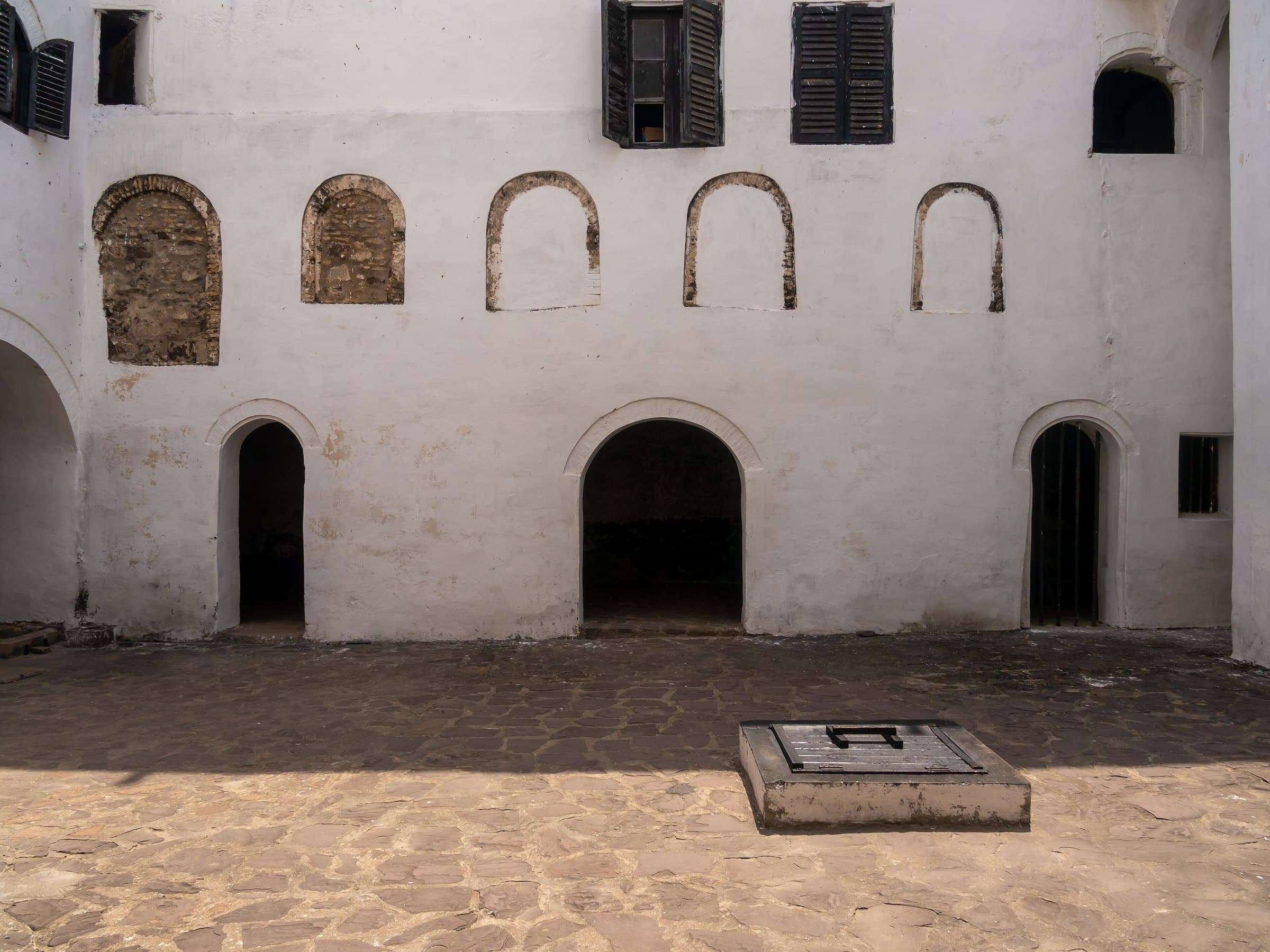
A fortress built by the Portuguese in 1482, with a history tied to the slave trade; it has a museum, and guided tours cover the dungeons.
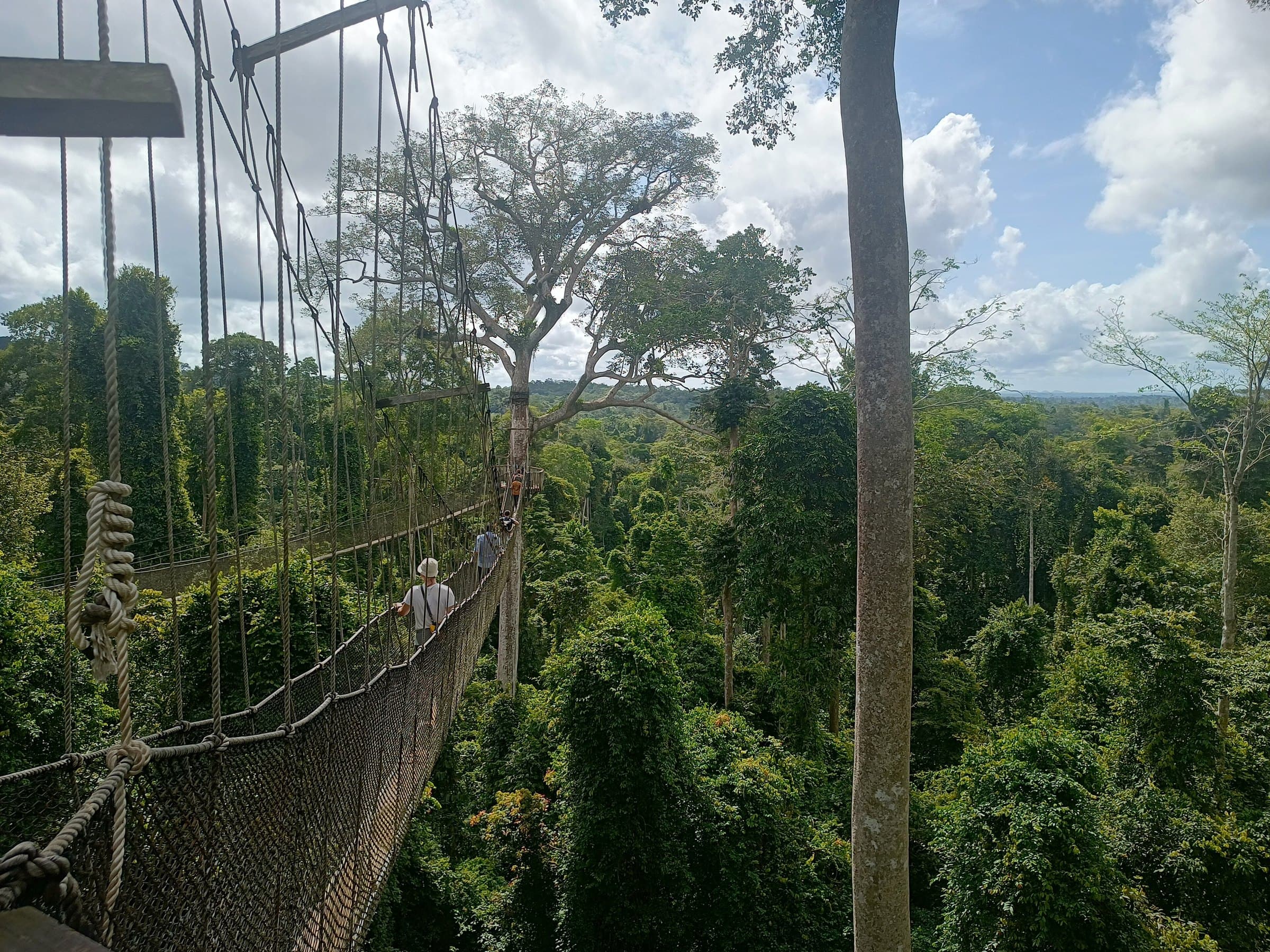
A canopy walkway of suspension bridges through the forest in Kakum National Park, which also has forest trails and guided walks.
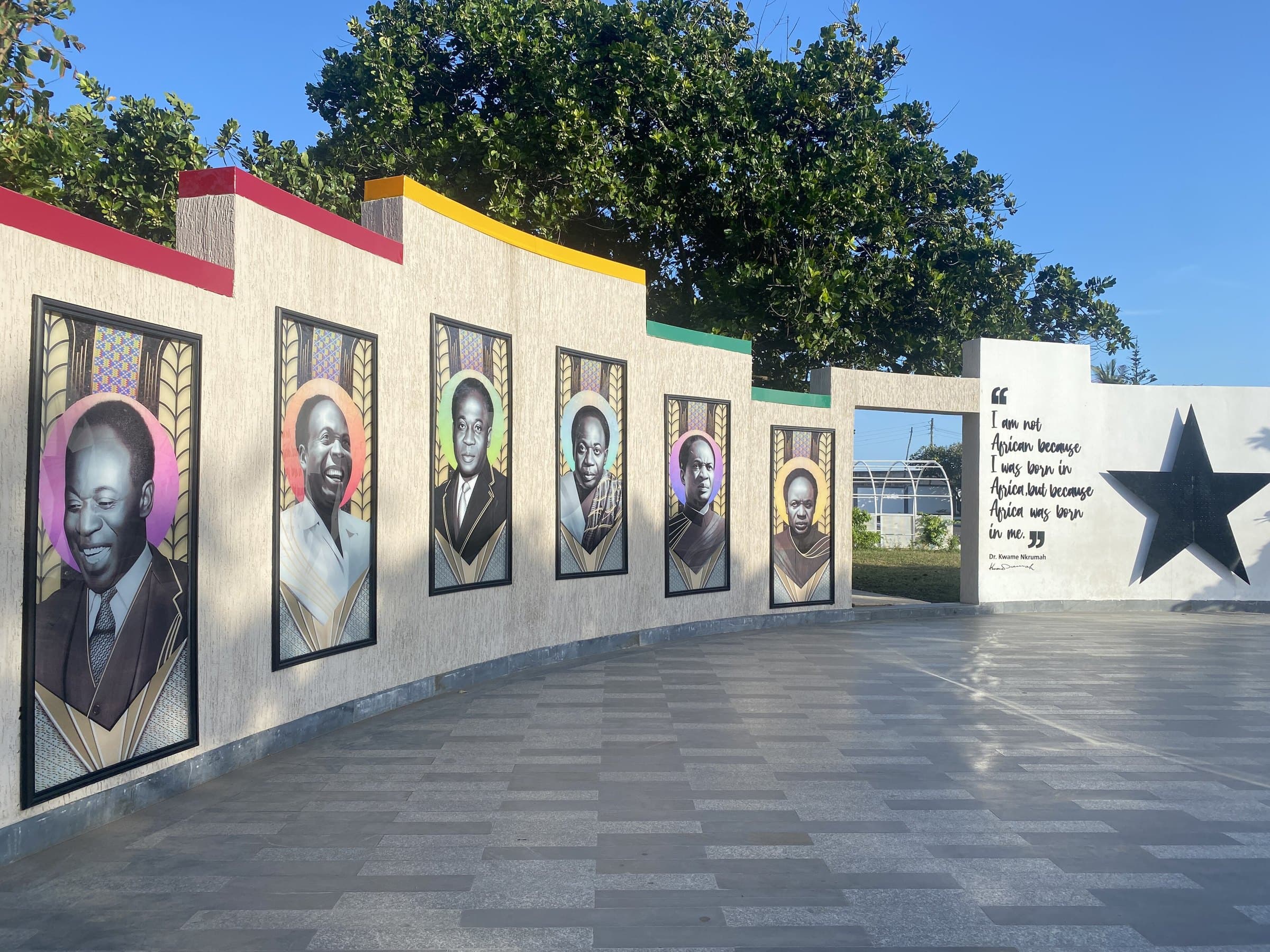
A memorial park and mausoleum in Accra on the former Polo Grounds where Kwame Nkrumah proclaimed Ghana's independence, with a museum of personal belongings and photographs.
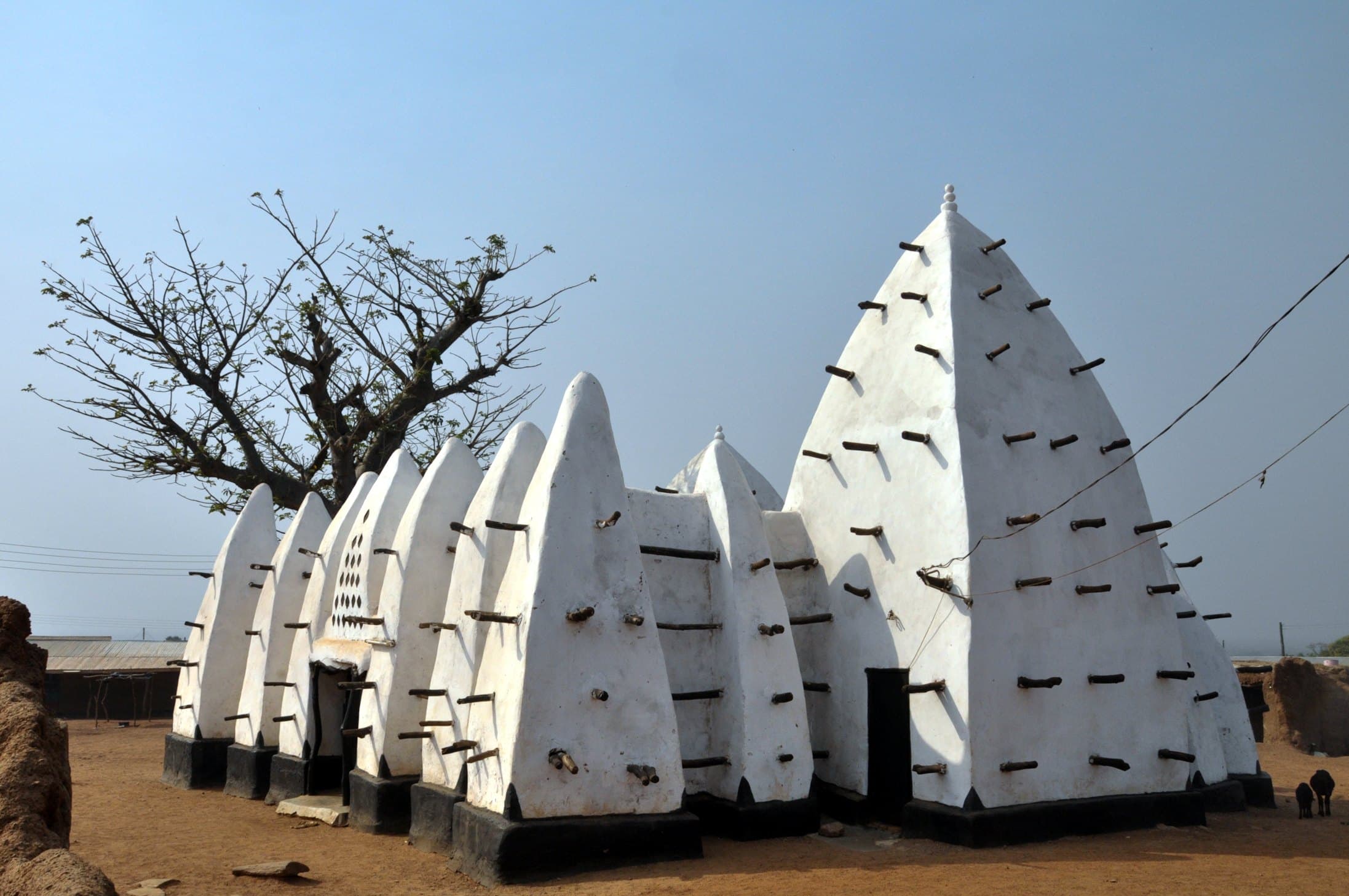
A mud-and-timber mosque in Sudanese style at Larabanga, near Mole National Park, thought to be the oldest mosque in Ghana and West Africa.
FEATURED HOTELS
Hotel listings in Ghana from our travel-data partner. These are catalogue entries, not live availability — use “Check live rates” on a hotel for prices and availability.
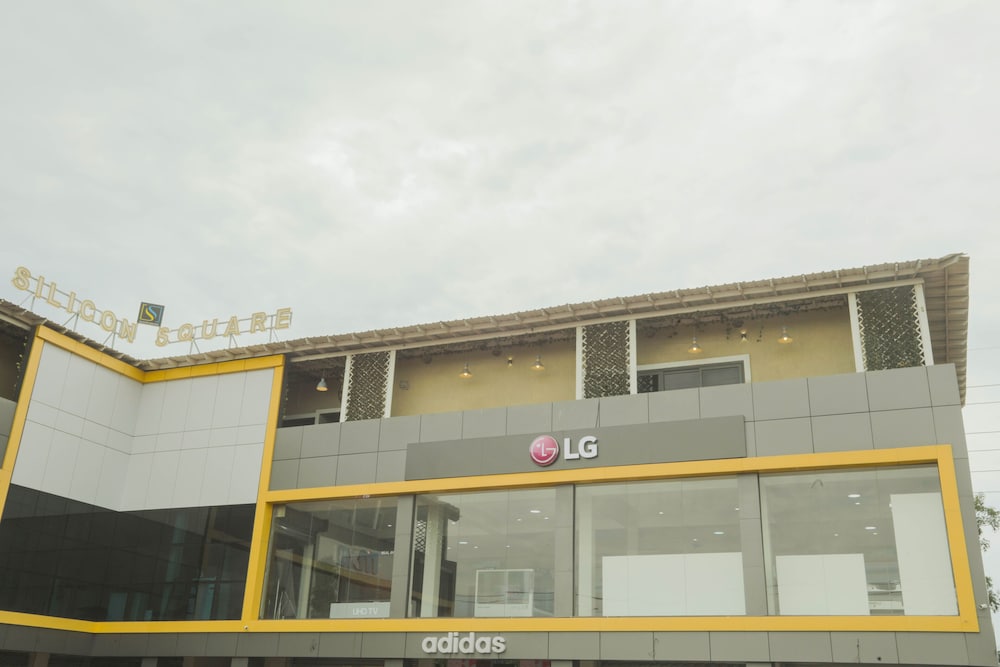
5 Clifton Place, East Legon, Accra
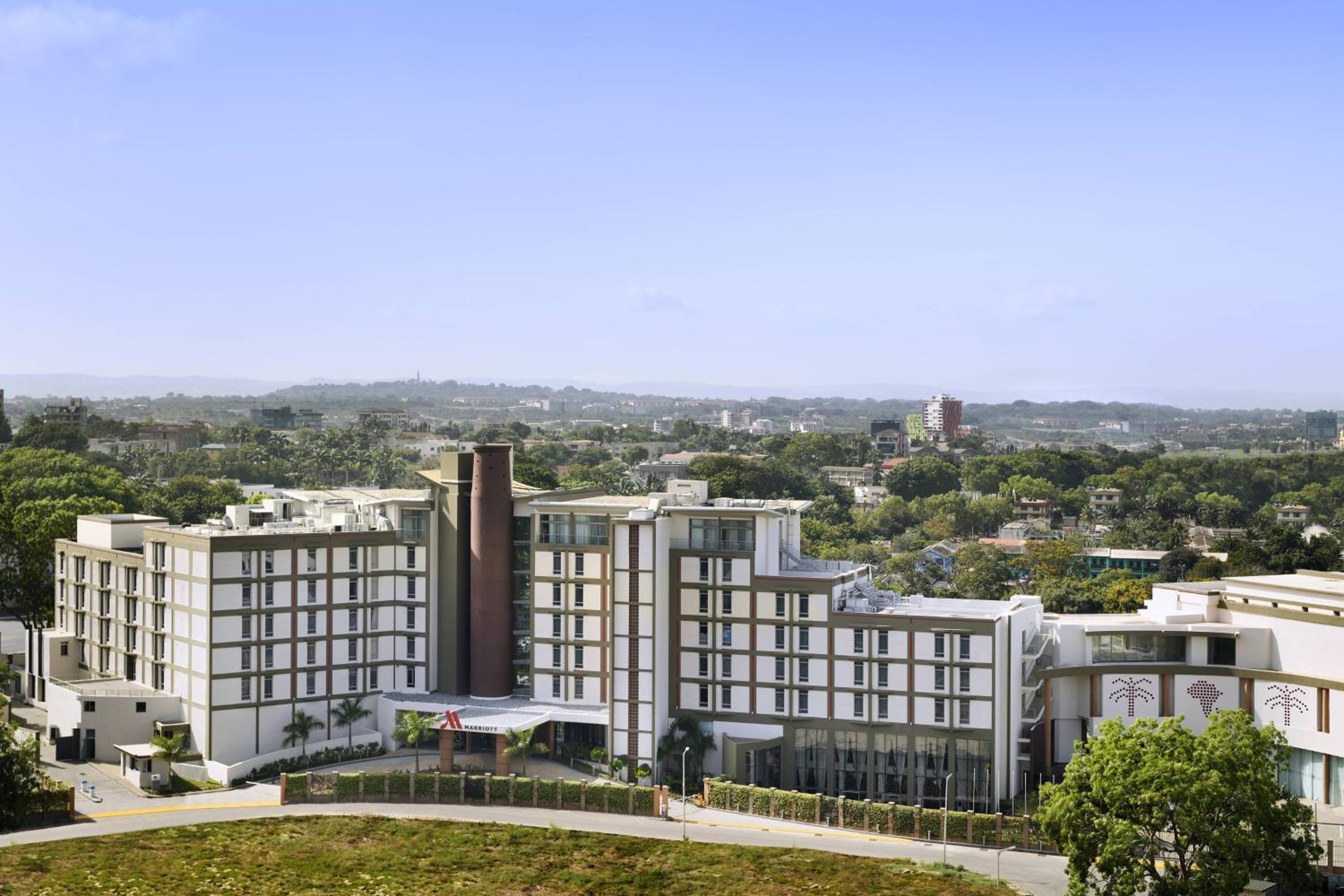
Liberation Road, Airport City, Accra
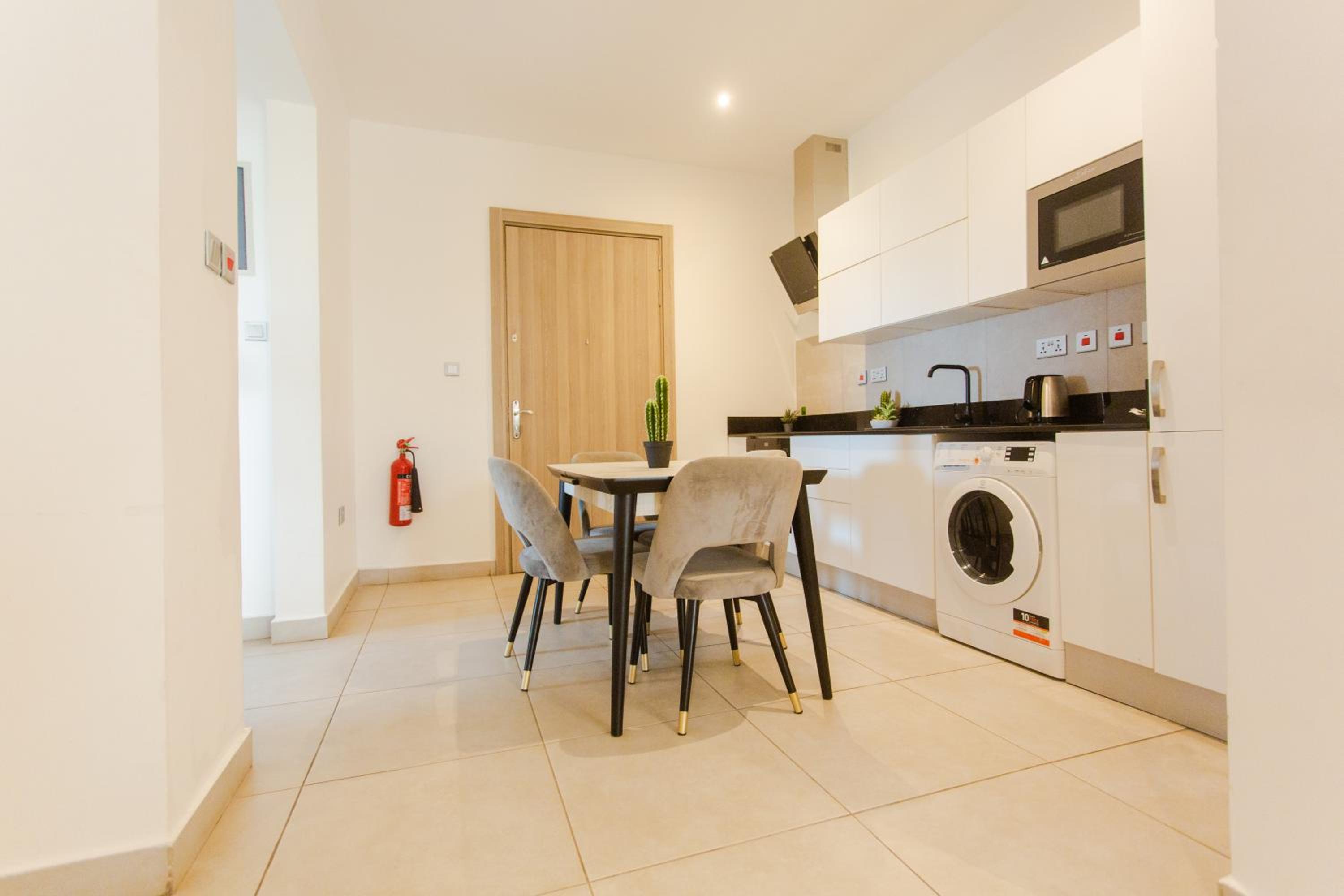
Mankralo Street, Cantonments
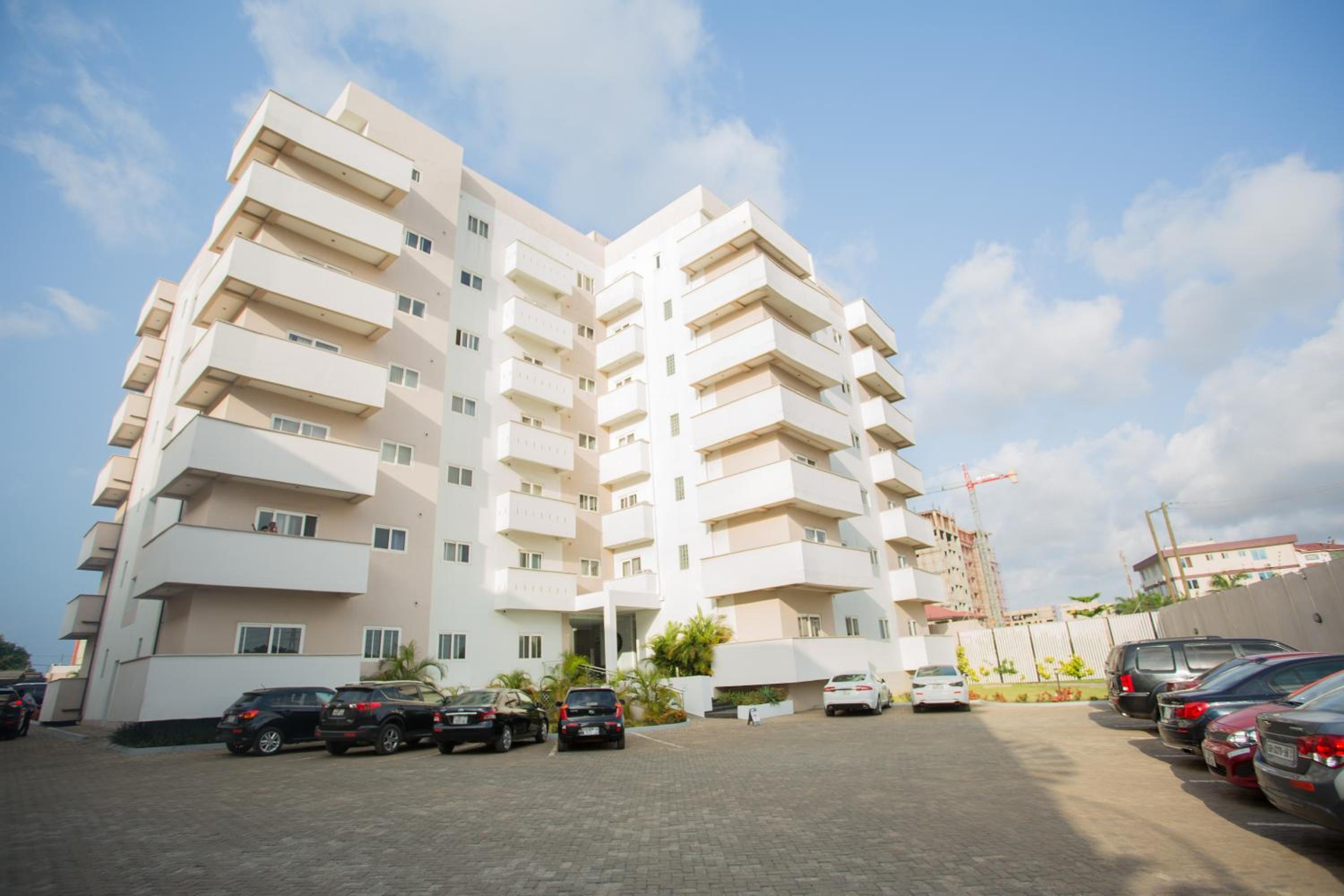
5 Clifton Pace, East Legon
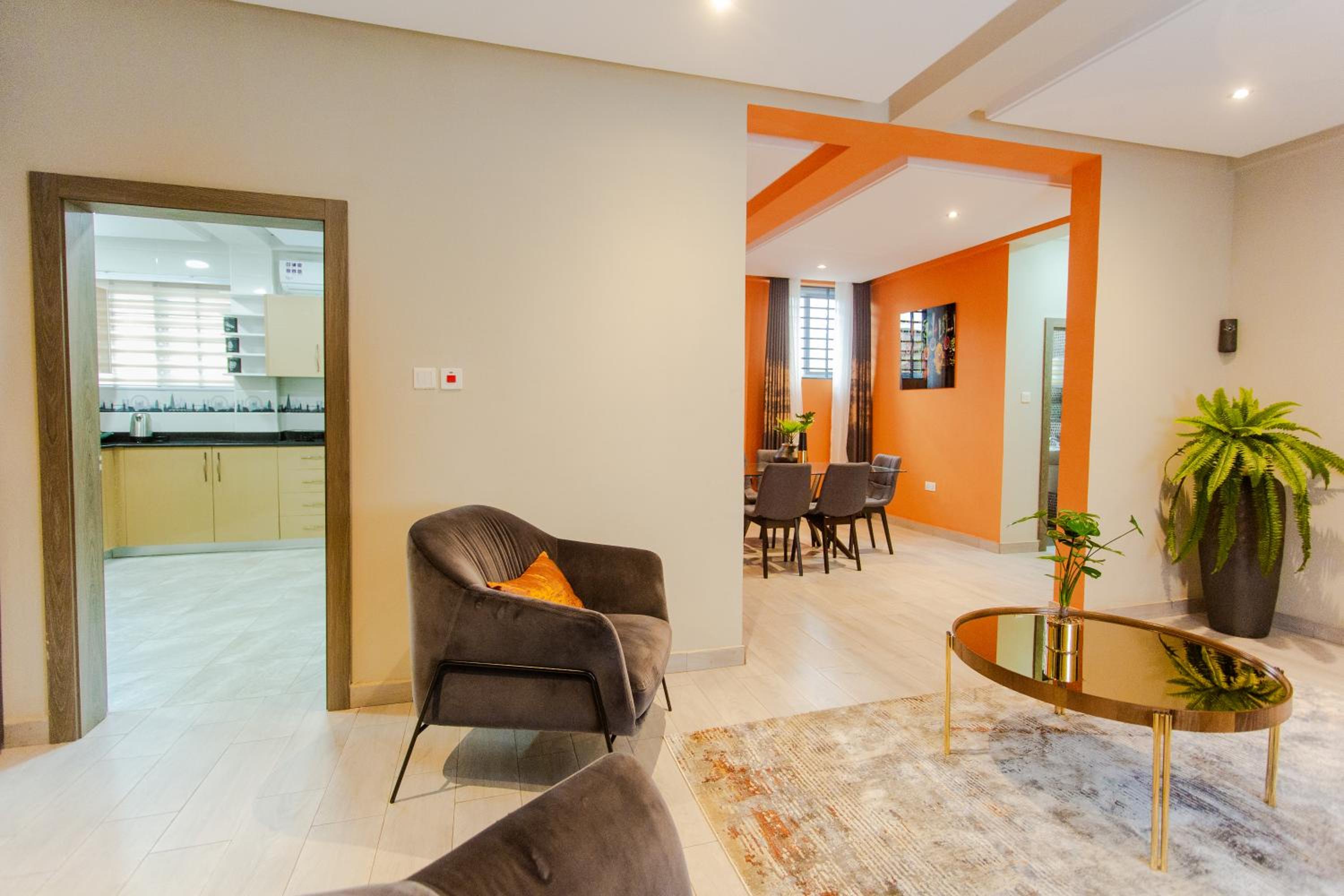
JPHX+W7H Nii Okaiman East, Achimota
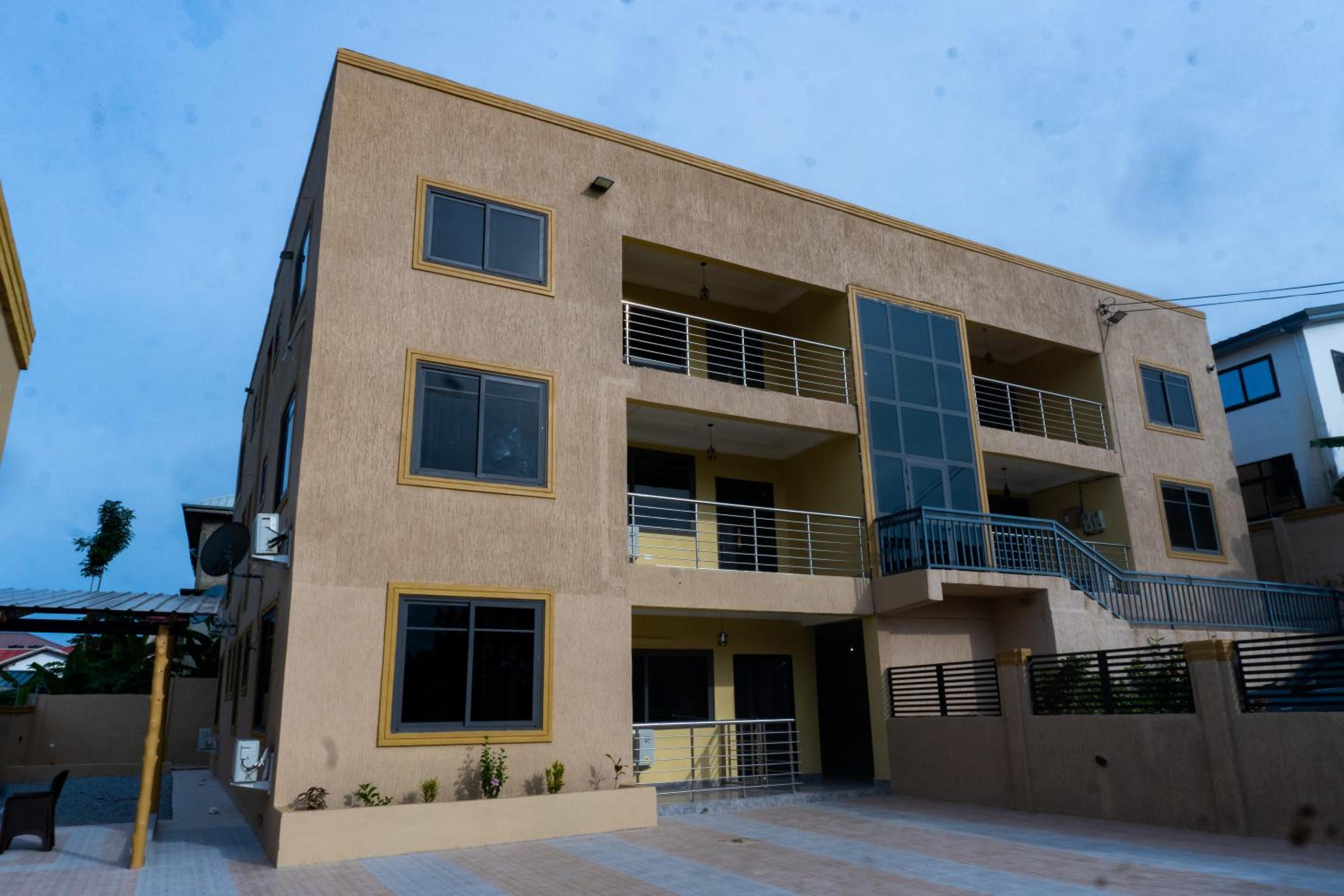
Yoghurt St Racecourse, Takoradi
MORE STAYS
Live provider availability across Ghana. Select a stay to confirm its price, then continue to book.
Written and maintained by the Africa Travel Intelligence Platform (ATIP) editorial team, using only places and records ATIP has reviewed. Facts we have not verified, such as opening hours, prices and schedules, are left out rather than guessed.
Read about ATIP’s general editorial approach It describes how ATIP works in general and does not verify individual guides.
YOUR NEXT CHAPTER
Start with the places that speak to you. ATIP planning tools can help bring your interests, destinations and travel information together.
Search flights to AfricaCompare hotel rates for your datesExplore tours and activities in Africa
Travel conditions vary by region and season. November to March is generally one of the easier periods for travel across much of Ghana, while July and August can also offer relatively favorable conditions in parts of the south.
Entry and visa requirements vary by nationality and change periodically. Confirm current requirements with Ghana's official diplomatic channels or your own government's travel advisory before departure.
Language: English. Currency: Ghanaian cedi.
ATIP’s main destination guides for Ghana are Accra, Cape Coast, Elmina, Kakum National Park, and Mole National Park.
ATIP’s editorial guidance suggests Accra (2–4 days), Cape Coast (2–3 days), Elmina (1–2 days), Kakum National Park (1–2 days), and Mole National Park (2–3 days). These are recommendations, not minimum stays; allow extra time to travel between places.
ATIP’s editorial review groups the main destinations by traveller interest: Wildlife: Mole National Park; Culture: Accra, Cape Coast, and Elmina; History: Accra, Cape Coast, and Elmina; Adventure: Kakum National Park and Mole National Park; Nature: Kakum National Park and Mole National Park; Photography: Elmina, Kakum National Park, and Mole National Park. Open each destination guide for the details.
Yes: 4 Days in Ghana and 2 Days in Accra. Each sets out its places with the sources behind them.
ATIP’s guide to Ghana covers 5 destinations. The main ones are compared below by type of place, who they suit, the suggested stay and the best time recorded for each; anything ATIP has not recorded is left out.
At ATIP’s suggested stays, the 5 destinations above that carry a duration add up to 8–14 days before any travel between them, which ATIP does not time. Choose the places that match your interests rather than trying to cover them all.
A 4-day Ghana itinerary: Accra’s Kwame Nkrumah Memorial Park, the Cape Coast and Elmina castles on the Atlantic coast, and the Kakum rainforest canopy walkway.
A paced 2-day Accra itinerary: Independence Square, the Kwame Nkrumah Memorial Park and the National Museum of Ghana on day one, then Jamestown and the W.E.B. Du Bois Memorial Centre on day two.
PLACES THAT BRING A COUNTRY TO LIFE
Discover the places in our Ghana collection, from everyday city life to landscapes and cultural connections.
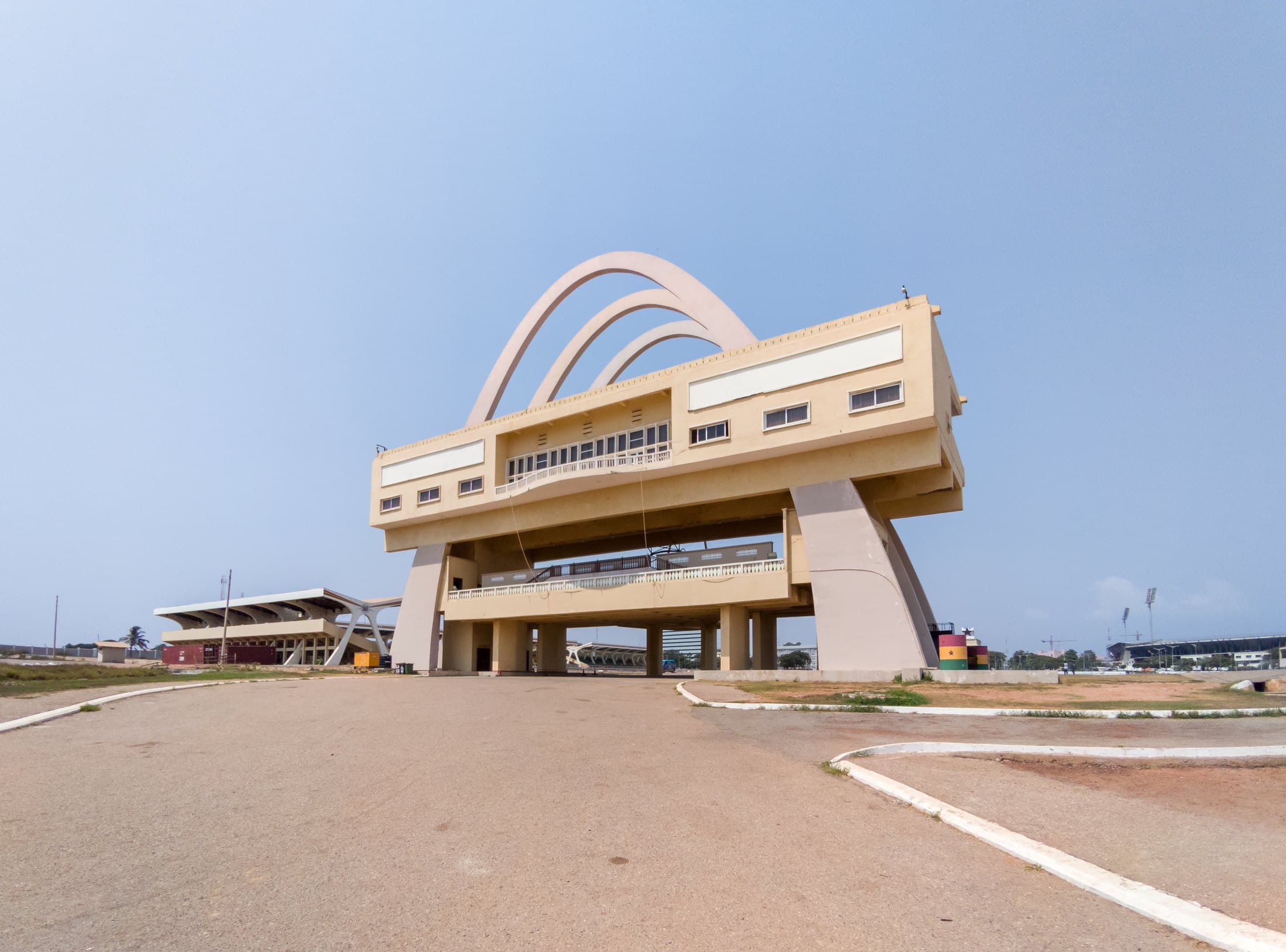 City
Accra is Ghana's lively capital, combining contemporary culture, markets, creative spaces, coastal neighborhoods and important national historical landmarks. Its museums, monuments and arts scene provide visitors with an introduction to modern Ghanaian identity and urban life.
Explore destination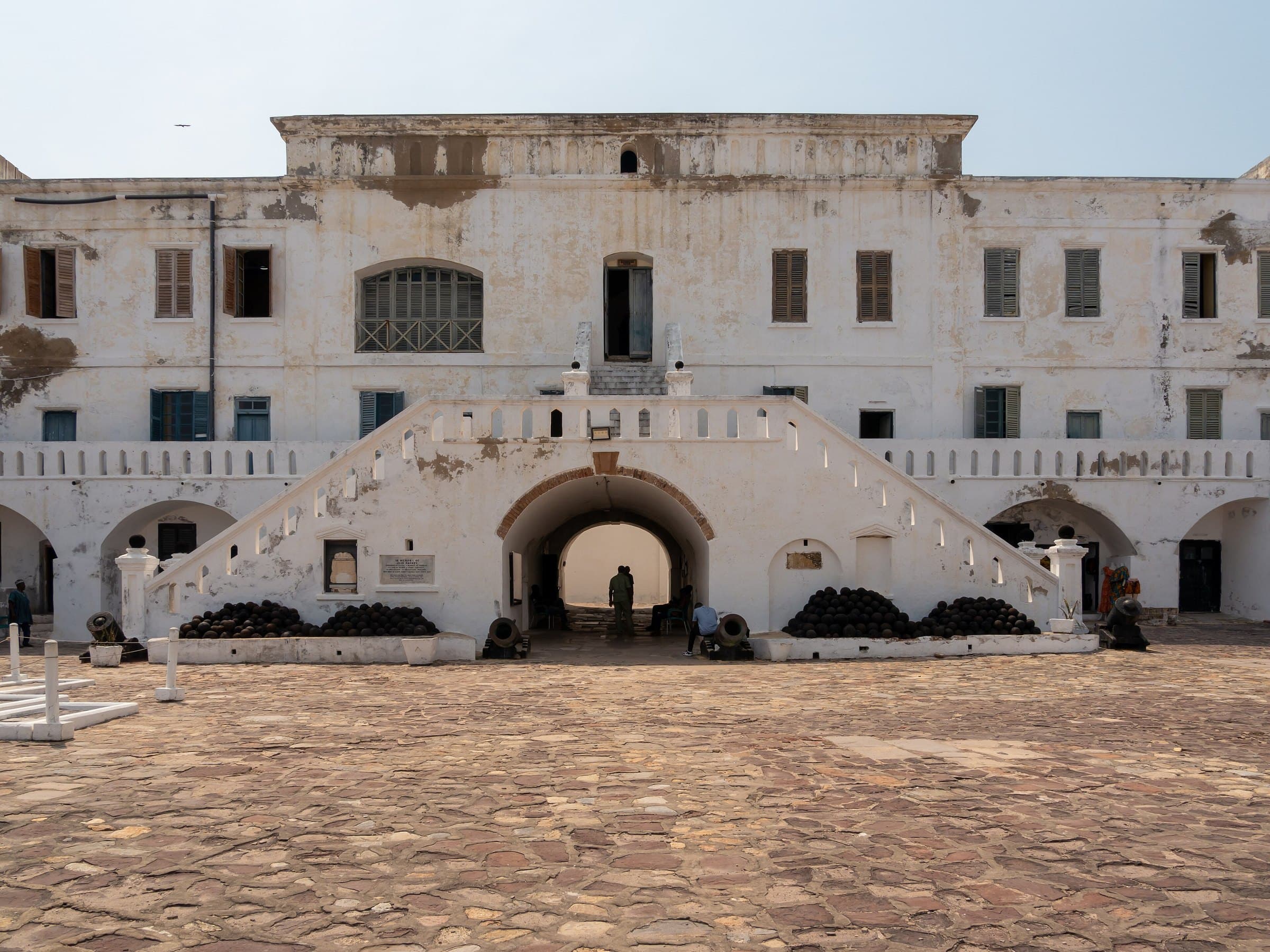 City
Cape Coast is a historically important coastal city in Ghana's Central Region, known for Cape Coast Castle and its connection to the history of the transatlantic slave trade. The city's heritage attractions offer opportunities for reflection, cultural learning and understanding the wider Atlantic past.
Explore destination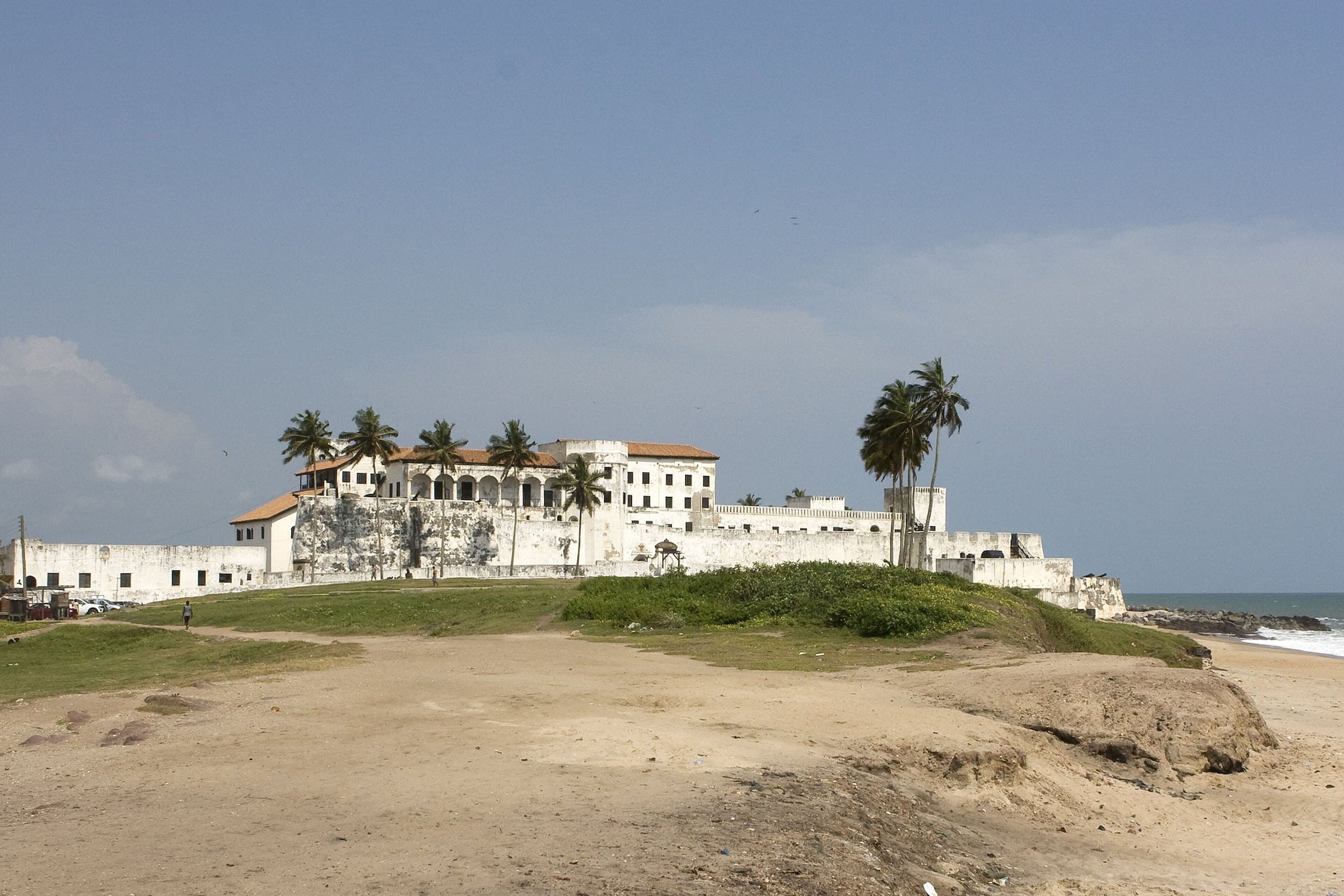 City
Elmina is a historic Ghanaian fishing town whose waterfront and colonial-era fortifications reveal centuries of Atlantic trade and cultural exchange. Elmina Castle, also known as St. George's Castle, is associated with the history of European trading settlements and the transatlantic slave trade.
Explore destination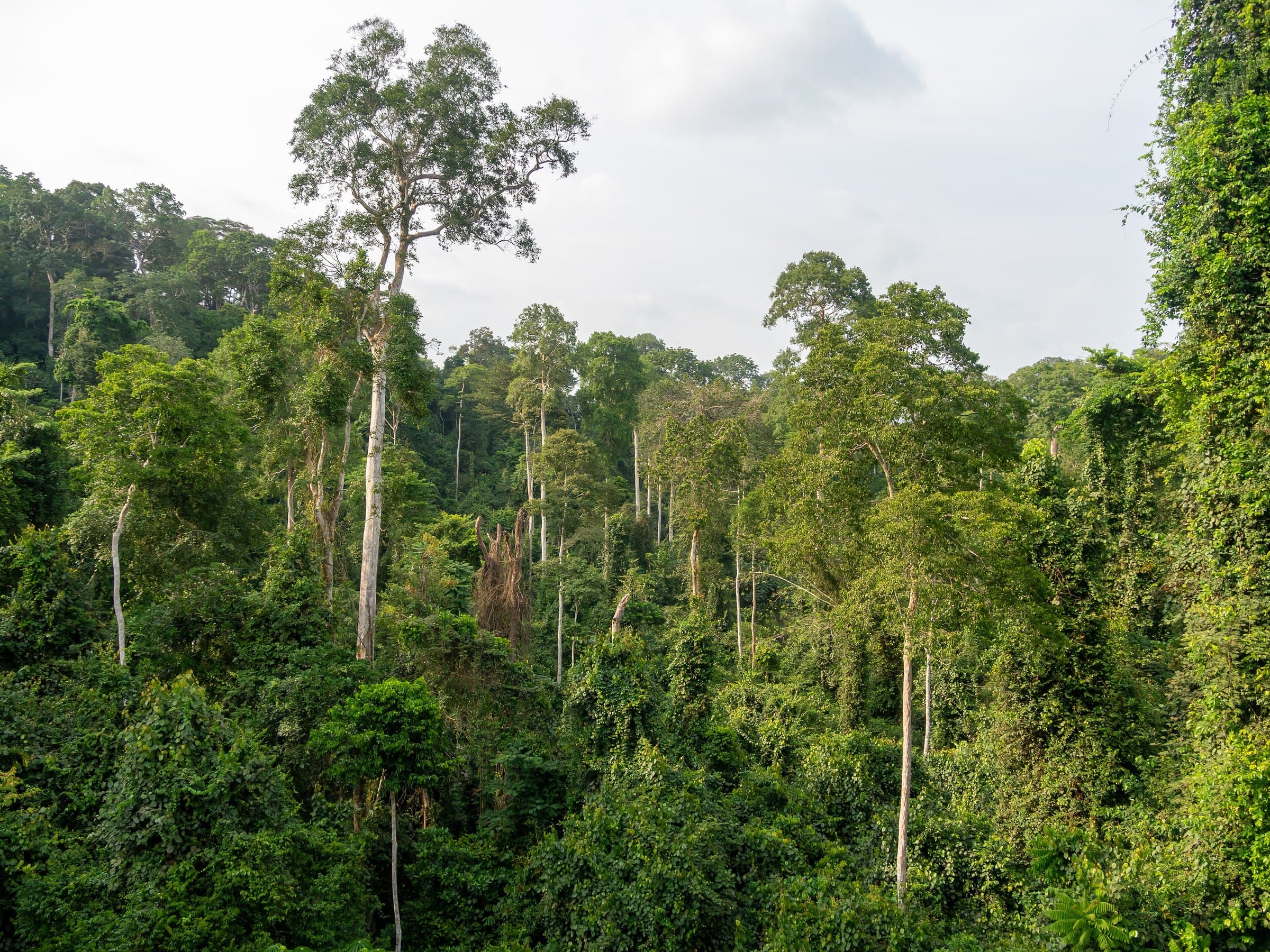 National Park
Kakum National Park protects a tropical rainforest landscape in Ghana's Central Region. Its celebrated canopy walkway offers elevated perspectives of forest vegetation, while the protected habitat is home to varied birds, mammals and other wildlife.
Explore destination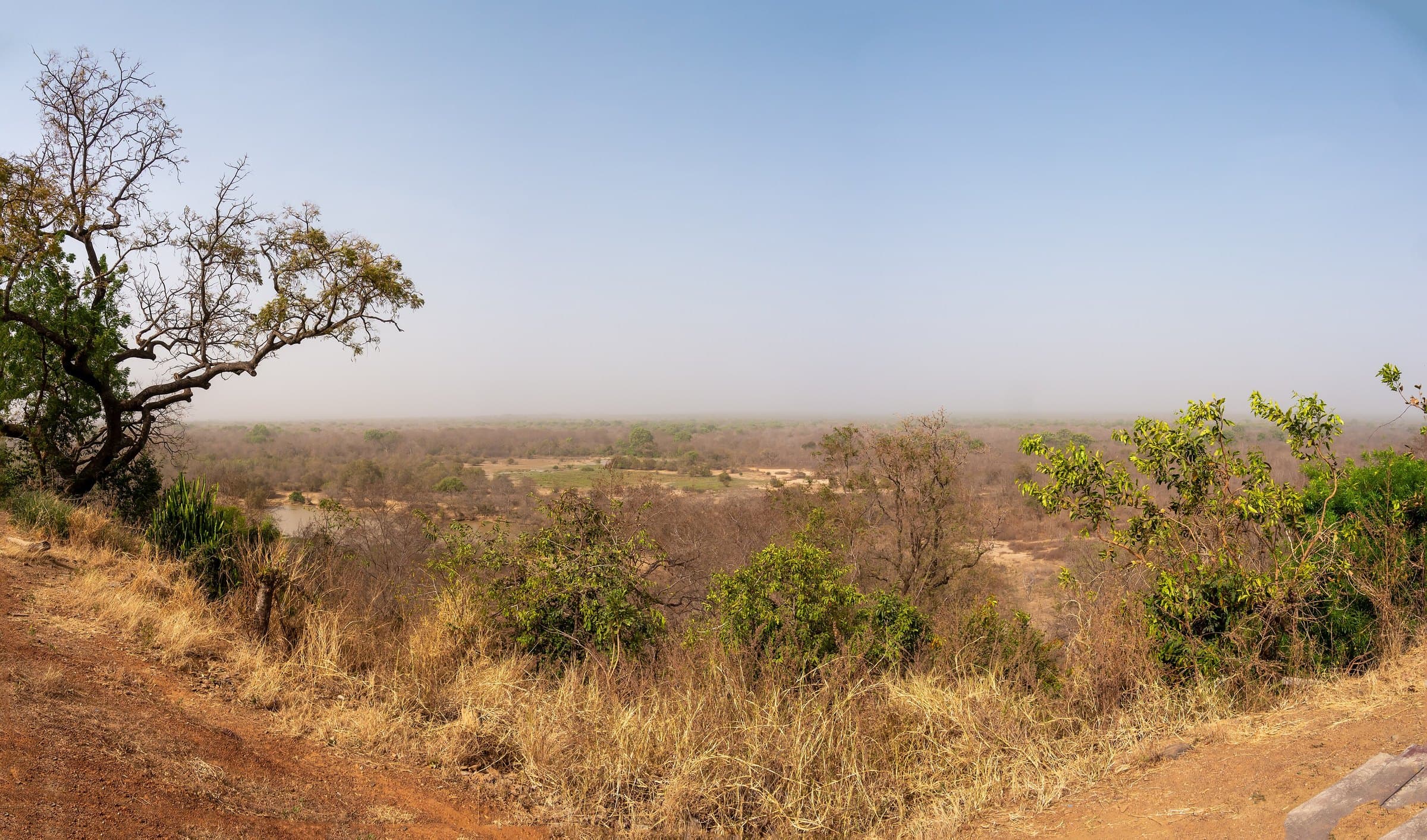 National Park
Mole National Park is a leading savanna wildlife destination in northern Ghana. Its grassland and woodland ecosystems support elephants, antelope, monkeys and varied birdlife, offering a contrast to the country's coastal and rainforest landscapes.
Explore destinationFOLLOW YOUR CURIOSITY
Select a kind of place or an interest to filter the destinations above.
FCDO travel advice for Ghana. Includes safety and security, insurance, entry requirements and legal differences.
UK FCDO · Last updated November 4, 2026 · Retrieved just now
View official adviceContains public sector information licensed under the Open Government Licence v3.0.
Travel advice can change. Review the official source before making travel decisions.