ITINERARY · KENYA
7 Days in Kenya: Nairobi, Lake Nakuru, the Masai Mara & Amboseli
A week that moves from the capital through the Rift Valley to the Masai Mara and on to Amboseli: Nairobi for two days, Lake Nakuru, three days in the Mara and a final day with Amboseli’s elephants. ATIP gives no travel times or availability between these regions, so build transfers with your safari arranger. ATIP’s destination guidance suggests three to four days in the Masai Mara, which this plan respects. It uses only places ATIP has reviewed. We have not verified opening hours, ticket fees, transport schedules or travel times, so none are given: confirm them before you go.
The itinerary at a glance
- Day 1 — Karen Blixen Museum
- Day 2 — Nairobi National Park
- Day 3 — Lake Nakuru National Park
- Day 4 — Mara North Conservancy
- Day 5 — Mara Triangle
- Day 6 — Mara River Crossings
- Day 7 — Amboseli Elephants
- Best for
- Wildlife, landscapes and first safaris
- Season
- The Masai Mara offers wildlife viewing throughout the year; July to October is commonly associated with the Great Migration, although movements and river crossings vary with seasonal conditions. In the Amboseli area the dry season generally offers easier wildlife viewing
- Getting around
- Guided access is generally recommended for parks. Most visitors reach the Mara by road from Nairobi or by scheduled flight to a Mara airstrip, and game viewing is best done with a suitable 4×4 and a trained guide.
Day 1
Karen Blixen Museum
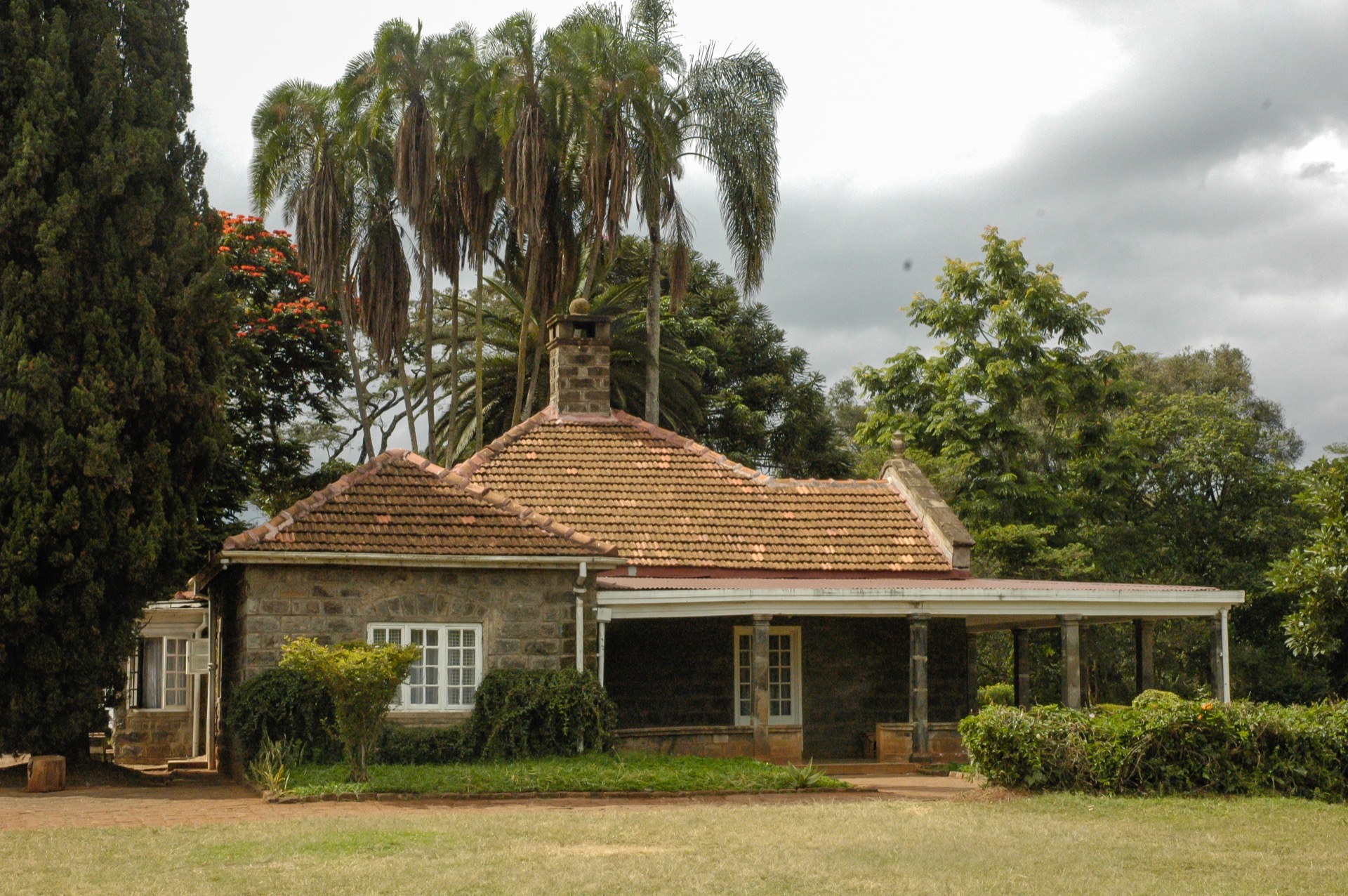
Ease in at the former farmhouse of author Karen Blixen, whose memoir Out of Africa was set on this coffee estate: a gentle first day in the capital.
Karen Blixen Museum
Photo: Alexander Leisser · CC BY-SA 4.0 · Source The former farmhouse of author Karen Blixen, whose memoir 'Out of Africa' was set on this coffee estate.
Day 2
Nairobi National Park
Meet the wildlife on the capital’s doorstep: a park bordering Nairobi where giraffes and other game graze against a backdrop of city skyscrapers.
Nairobi National Park
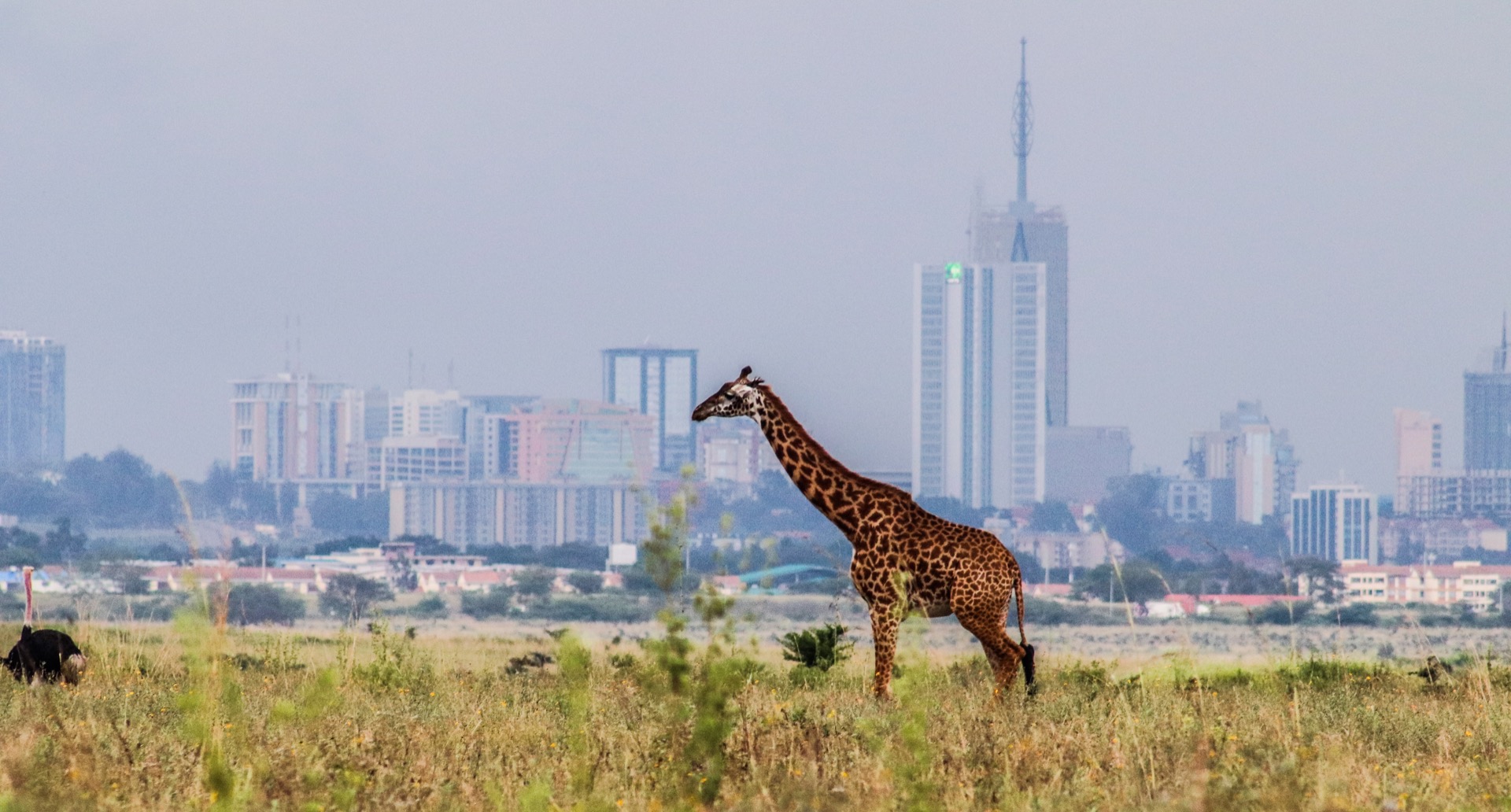
Photo: Alexmbogo · CC BY-SA 4.0 · Source A wildlife park bordering the capital, where giraffes and other game graze against a backdrop of city skyscrapers.
Reputable taxis or pre-arranged transport are generally recommended in Nairobi; confirm current local guidance.
Day 3
Lake Nakuru National Park
Head to a Rift Valley soda lake protected as a national park beside Nakuru town, with woodland and grassland, known for its birdlife and wildlife viewing.
Lake Nakuru National Park
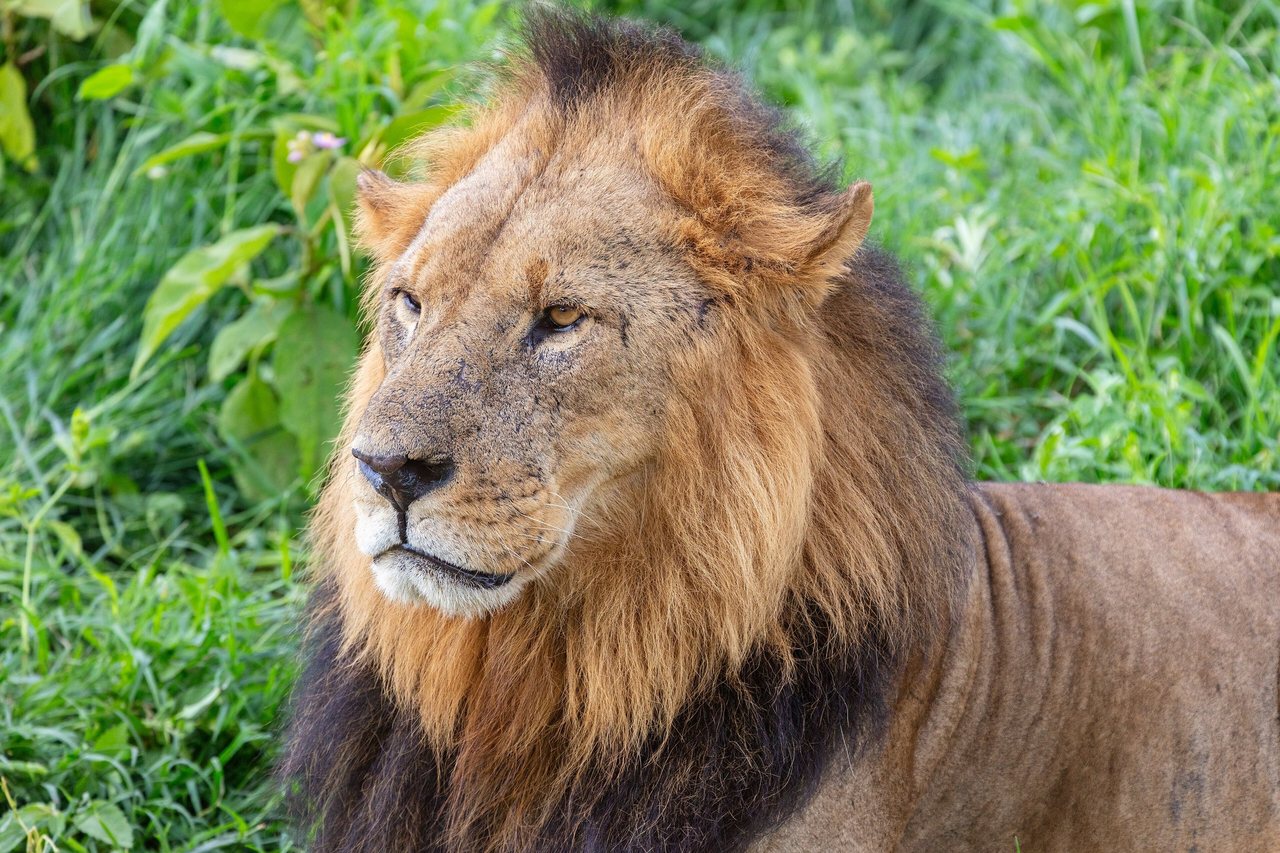
Photo: Diego Delso · CC BY-SA 4.0 · Source A national park beside Nakuru town that protects a Rift Valley soda lake with surrounding woodland and grassland, known for birdlife and wildlife viewing.
ATIP gives no travel times between Nairobi and Nakuru; confirm them when you arrange transport.
Day 4
Mara North Conservancy
Begin the Mara in a wildlife conservancy in the wider Maasai Mara ecosystem, linked to tourism partners and Maasai community landowners, that supports conservation and low-impact safari tourism.
Mara North Conservancy
A wildlife conservancy in the wider Maasai Mara ecosystem, linked to tourism partners and Maasai community landowners, that supports conservation and low-impact safari tourism.
Most visitors arrive by road from Nairobi or by scheduled flight to a Mara airstrip; confirm availability and timings with your safari arranger.
Day 5
Mara Triangle
Continue in a protected section of the Maasai Mara National Reserve, known for abundant wildlife and the Oloololo Escarpment.
Mara Triangle
A protected section of the Maasai Mara National Reserve, known for its abundant wildlife and the Oloololo Escarpment.
Game viewing is best with a suitable 4×4 and a trained guide.
Day 6
Mara River Crossings
Spend a day around the Mara River, where, during the annual wildebeest migration, herds cross in one of East Africa’s best-known wildlife spectacles.
Mara River Crossings
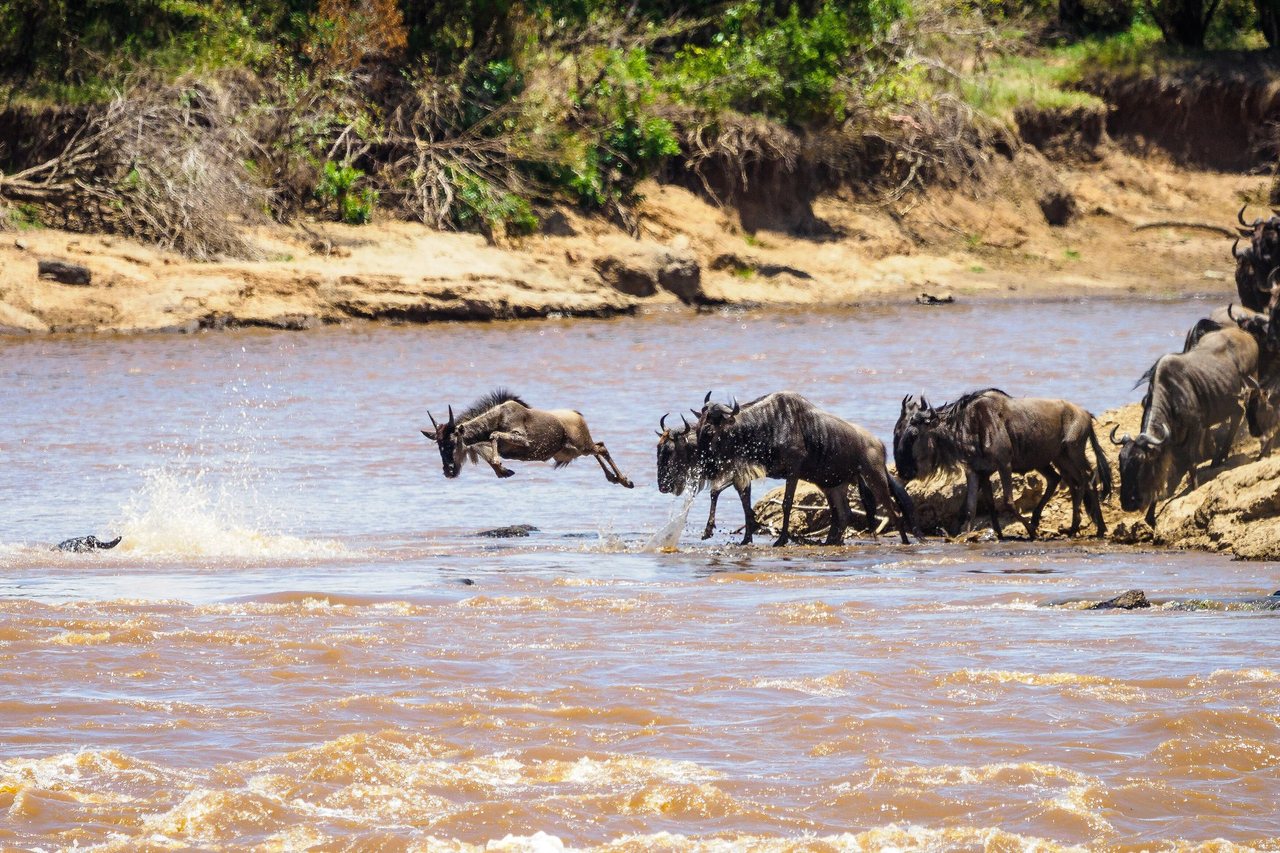
Photo: Danijel Mihajlovic · CC BY-SA 4.0 · Source During the annual wildebeest migration, herds cross the Mara River in the Masai Mara National Reserve, one of East Africa's best-known wildlife spectacles.
July to October is commonly associated with the Great Migration, but herd movements and river crossings vary with seasonal conditions and no sighting can be guaranteed.
Day 7
Amboseli Elephants
Close in southern Kenya, in a national park known for its large elephant herds and, on clear days, views of Mount Kilimanjaro across the border in Tanzania.
Amboseli Elephants
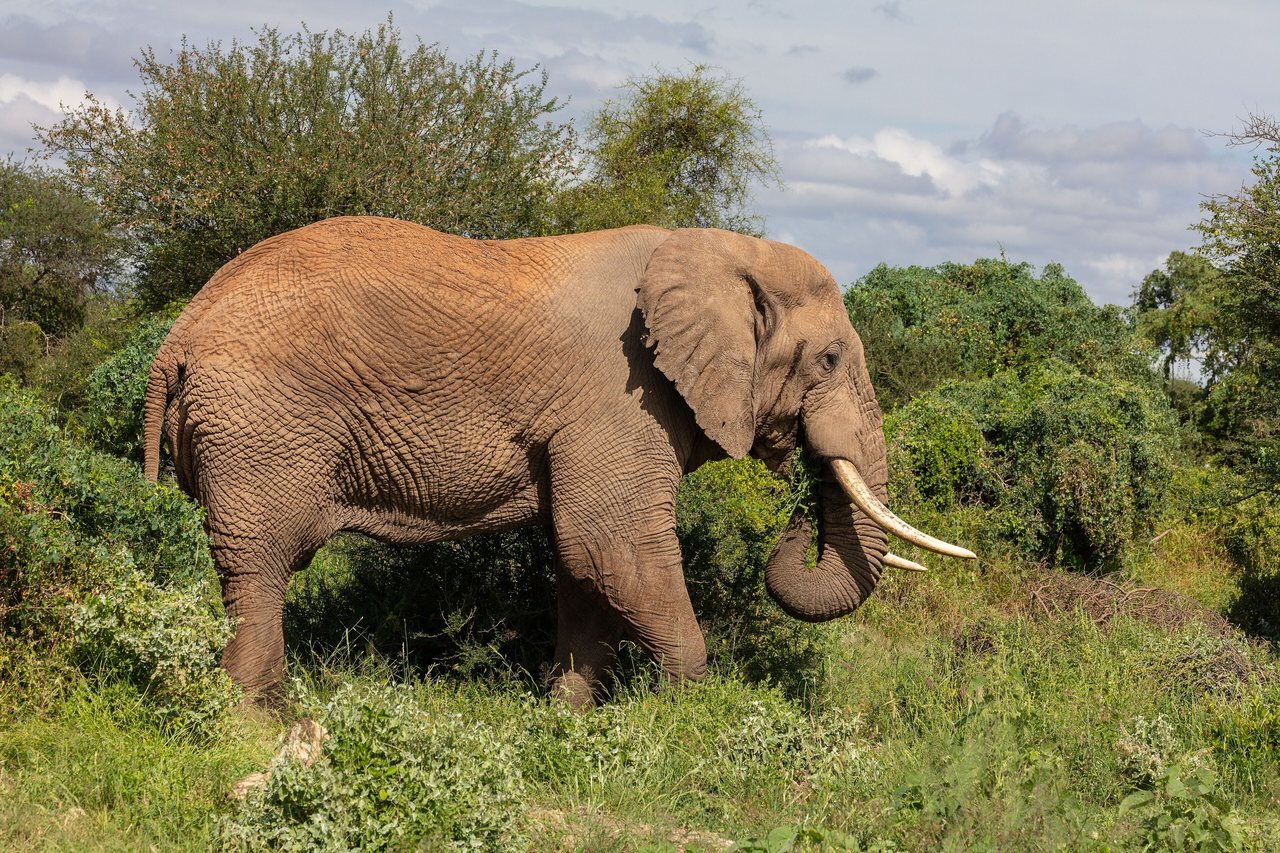
Photo: Diego Delso · CC BY-SA 4.0 · Source Amboseli National Park in southern Kenya is known for its large elephant herds and, on clear days, views of Mount Kilimanjaro across the border in Tanzania.
Guided access is generally recommended; confirm current park entry requirements.
Good to know before you go
- Hours, ticket fees, transport schedules and travel times are not verified by ATIP and are deliberately not stated here. Always confirm them with the venue or operator.
- ATIP is a discovery and planning platform. It does not sell tickets, transport or tours, and online hotel and flight booking is not yet available.
- Confirm current local guidance before your visit, particularly for transport, park or site access and entry requirements.
Quick answers
Is the Great Migration guaranteed?
No. July to October is commonly associated with the Great Migration, but herd movements and river crossings vary with seasonal conditions, and no wildlife sighting can be guaranteed.
How do I get to the Masai Mara?
Most visitors arrive by road from Nairobi or by scheduled flight to a Mara airstrip. ATIP does not state travel times or flight availability, so confirm both with your safari arranger.
Do I need a guide in Kenya’s parks?
Guided access is generally recommended, and game viewing in the Masai Mara is best done with a suitable 4×4 and a trained guide. Confirm current park entry requirements before visiting.
How does the route move across Kenya?
The week runs through Nairobi (Days 1 and 2), Lake Nakuru in the Rift Valley (Day 3), the Masai Mara (Days 4 to 6) and then Amboseli in southern Kenya (Day 7): four regions linked by substantial travel. ATIP gives no distances, road times or flight availability; the note above the plan explains why to settle the transfers first. Day 7 moves you from the Mara to Amboseli, a separate region, so confirm with your safari arranger how that move, and your departure from Kenya, will work.
When is the best time to take this route?
ATIP’s guidance for Kenya is that the drier seasons, roughly January to March and June to October, are generally favored for travel and wildlife viewing, though conditions vary by region and year. In the Masai Mara, wildlife viewing is possible throughout the year and July to October is commonly associated with the Great Migration; in the Amboseli area the dry season generally offers easier wildlife viewing. Because the route links several regions, check conditions for each when you choose your dates, and remember that no sighting can be guaranteed.
How many days should I spend in the Masai Mara?
ATIP’s destination guidance suggests three to four days in the Masai Mara, and this itinerary gives it three (Days 4 to 6): a conservancy, the Mara Triangle and the Mara River. The suggestion is a planning guide, not a promise of sightings. Because the same week also covers Nairobi, Lake Nakuru and Amboseli, adjust a stop with your safari arranger rather than assuming one pace suits every traveler.
What should I consider when choosing where to stay in the Masai Mara?
This route spends its Mara days in two different kinds of place: Mara North Conservancy, a private wilderness area bordering the Masai Mara National Reserve, and the Mara Triangle, a protected section of the reserve itself. Mara North Conservancy describes a partnership between camps, lodges, riding outfits and Maasai community landowners, states a policy of low-volume, low-impact tourism, and asks visitors to book through its member camps. Camps and lodges differ in setting, style and what they offer. ATIP does not recommend, price or check availability for any property here, so compare options with your safari arranger and ask which area each one is based in. ATIP’s Hotels page is a separate starting point for comparing stays.
Do I need a visa or travel authorisation for Kenya?
Kenya operates an Electronic Travel Authorisation (eTA). The official eTA site describes it as a system that determines the eligibility of visitors to travel to Kenya, recommends applying at least two weeks before travel, and says that holding an eTA is not the final authority to enter: admissibility is decided at the point of entry. It also lists the travelers who are exempt. ATIP cannot tell you whether you need one, so check the official site and ATIP’s Entry requirements page for your passport before you book flights or tours.
How is park entry booked in Kenya?
KWSPay, the Kenya Wildlife Service’s eCitizen portal, is where park entry is booked: guests are entered, payment is made and a ticket is issued, and tour operators can create one trip covering several parks. Its page does not list which parks it covers or the accepted payment methods, and ATIP has not verified that every stop on this route uses it; do not assume it applies to the Masai Mara. ATIP’s editorial suggestion: check how entry for each park is sold before you travel.
Can I book this itinerary on ATIP?
Not yet. ATIP currently offers destination discovery and trip planning; online hotel and flight booking is coming soon. Arrange any tickets, transport or tours directly with the provider.
Sources and further reading
Independent references the ATIP team reviewed. They are not partners or suppliers of ATIP.
Explore more
About this guide
Written and maintained by the Africa Travel Intelligence Platform (ATIP) editorial team, using only places and records ATIP has reviewed. Facts we have not verified, such as opening hours, prices and schedules, are left out rather than guessed.
Read about ATIP’s general editorial approach It describes how ATIP works in general and does not verify individual guides.
Make it yours
Tell the ATIP AI Planner what you enjoy and how long you have, and it will build a plan from ATIP’s reviewed places.
Search flights to AfricaCompare hotel rates for your datesExplore tours and activities in Africa
This is an editorial itinerary. ATIP does not sell or organize any of these visits.