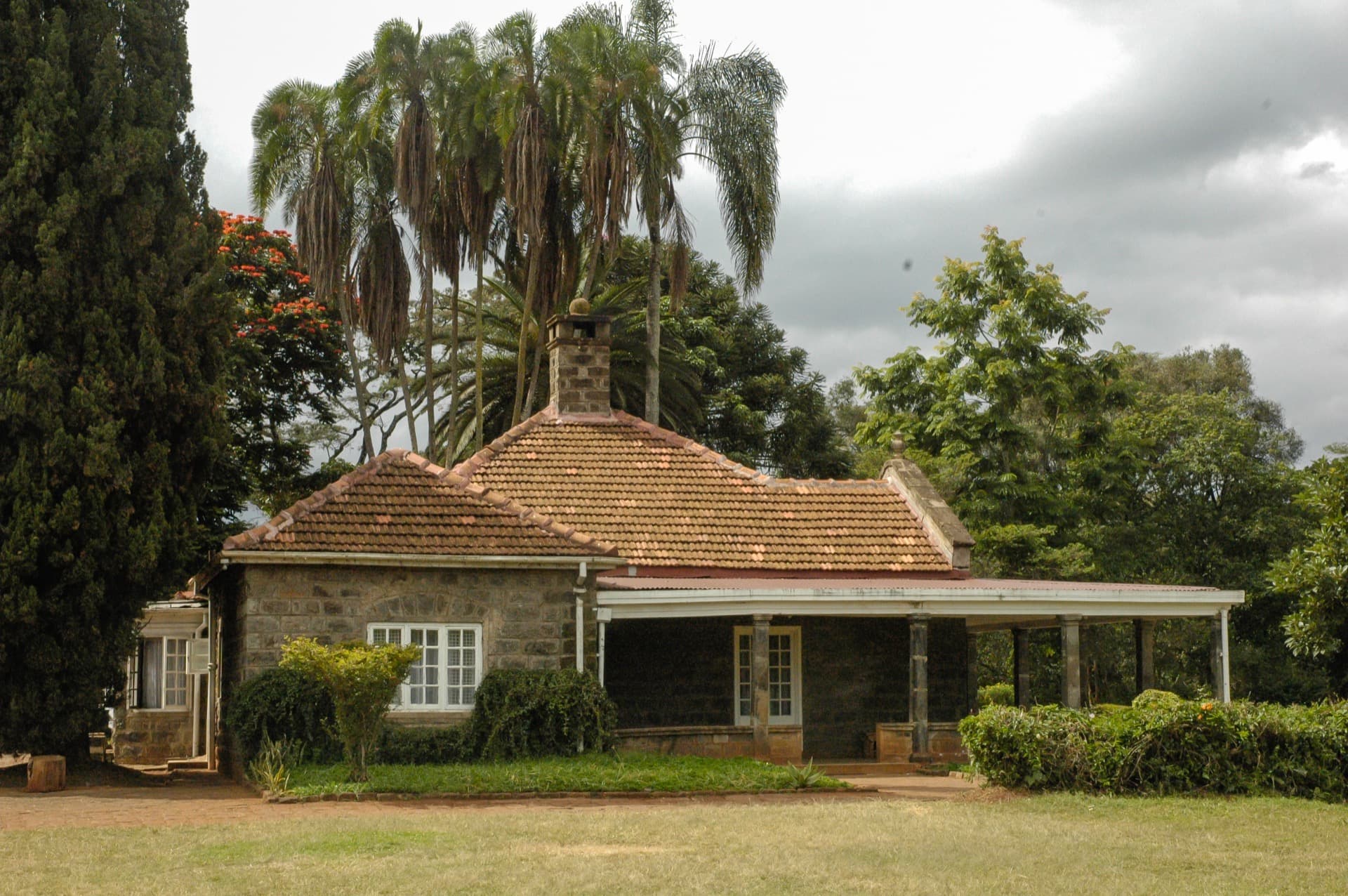
Karen Blixen Museum
The former farmhouse of author Karen Blixen, whose memoir 'Out of Africa' was set on this coffee estate.
A NEW PERSPECTIVE ON AFRICA KE
East African destination renowned for savannah safaris, Indian Ocean beaches, highland landscapes, and living culture.
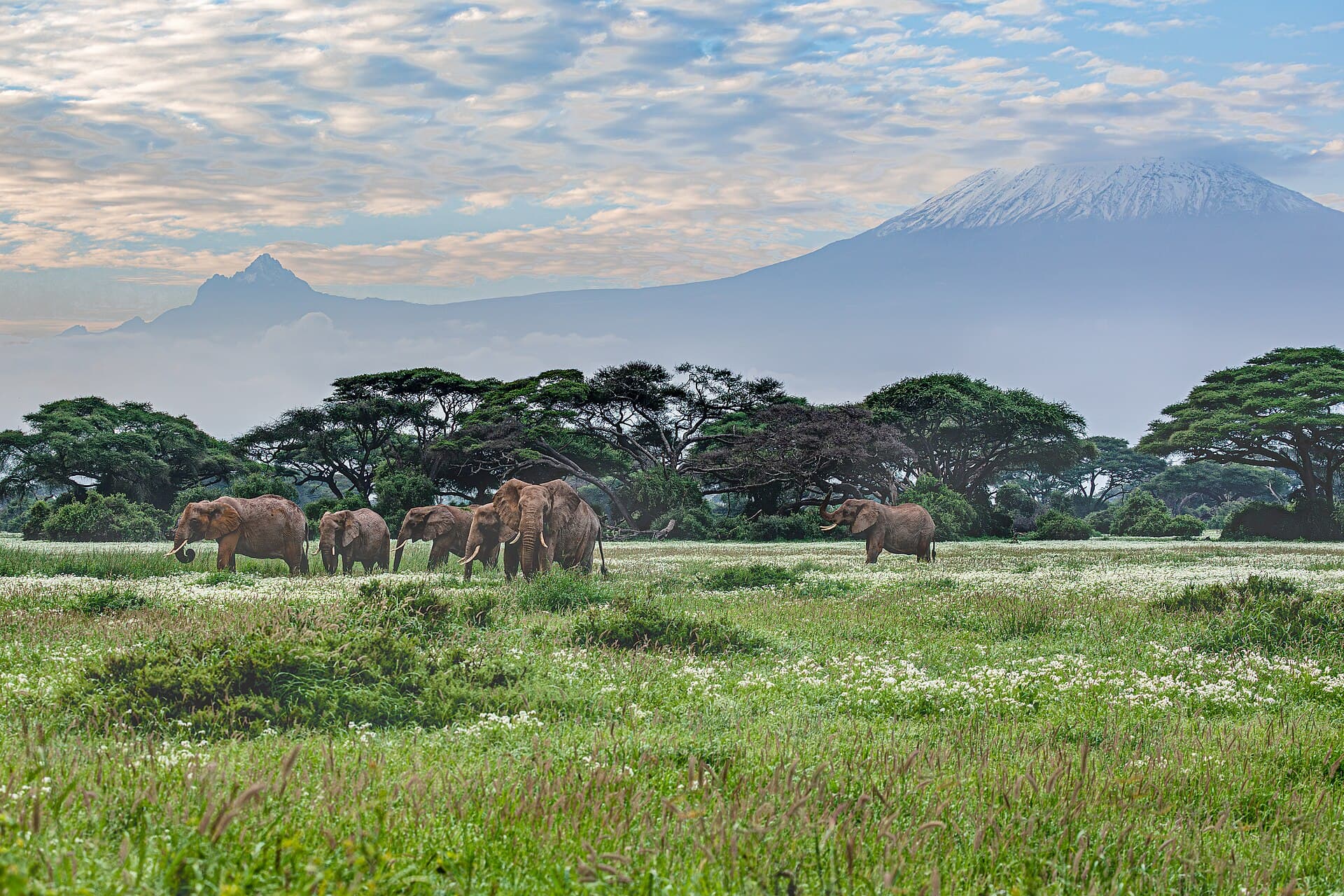
Kenya combines iconic safari landscapes and wildlife experiences with distinctive cultures, dramatic highlands and an Indian Ocean coast of beaches, reefs and resort escapes.
ATIP’s editorial analysis, drawn from ATIP’s own records and the official sources listed below. It is not first-hand travel experience and not a guarantee.
Country at a glance
From ATIP’s records
Kenya puts savanna parks (Masai Mara, Amboseli), an Indian Ocean beach coast (Mombasa, Diani Beach) and a capital with days of its own (Nairobi) in one country. ATIP’s guidance links July to October in the Masai Mara with the Great Migration season, always without guaranteeing sightings, and records the dry season as easier for wildlife viewing around Amboseli.
ATIP’s editorial view
Build a Kenya trip around one anchor rather than all five destinations. ATIP’s recorded stays (Nairobi two to three days, Masai Mara three to four, Mombasa two, before any beach time at Diani) already add up to about a week or more, and ATIP gives no transfer times between regions, so settle those with your safari arranger first. A park-focused route and a park-plus-coast route answer different wishes; ATIP’s ready-made seven-day Kenya itinerary follows the park route.
From ATIP’s records, with editorial advice
Nairobi for arrival and city days (two to three recorded), the Masai Mara for the park stay (three to four), and Mombasa (two) with beach time on the coast. ATIP’s records say most visitors reach the Mara by road from Nairobi or on a scheduled flight to a Mara airstrip, and that game drives need a suitable 4×4 and a trained guide; Mombasa Old Town is best on foot with an experienced guide, and Kenya Railways runs the Madaraka Express between Mombasa and Nairobi.
From government travel advice
UK government travel advice: Kenya’s coastal areas are mainly Muslim, so dress conservatively away from resorts and hotels, particularly in Mombasa, and holiday clothing can draw negative attention at religious sites. Photographing official buildings, embassies and airports is illegal, and visitors should carry ID.
Confirm before you travel
Kenya’s official eTA site states that every visitor, children included, must hold an approved Electronic Travel Authorisation before the journey starts, recommends applying at least two weeks ahead, and notes that the eTA is not the final authority to enter: admissibility is decided at the point of entry. UK government travel advice (for British passport holders) also describes mandatory Kenyan government-provided travel health insurance for most visitors staying under 12 months, taken out with the eTA application, and not replaceable by a foreign policy: check it before you apply. Confirm current requirements for your nationality on the official site.
Both are strong safari countries and ATIP does not rank them. ATIP’s Kenya guide links July to October in the Masai Mara with the Great Migration season and records a three- to four-day Mara stay, so a Kenya trip is easy to size from these pages; for Tanzania ATIP records dry-season wildlife viewing in Serengeti and Ngorongoro but no suggested stays for them yet. Kenya pairs the parks with the coast (Mombasa, two days recorded), Tanzania with Zanzibar and Stone Town (two days recorded). No sightings are guaranteed in either.
Sources read November 2026.
Reviewed September 2026.
Loading live travel advice…
Rules depend on your passport.
Check requirementsTravel requirements can change. Confirm current entry and health requirements with official sources before you travel.
Finding places to explore…
The former farmhouse of author Karen Blixen, whose memoir 'Out of Africa' was set on this coffee estate.
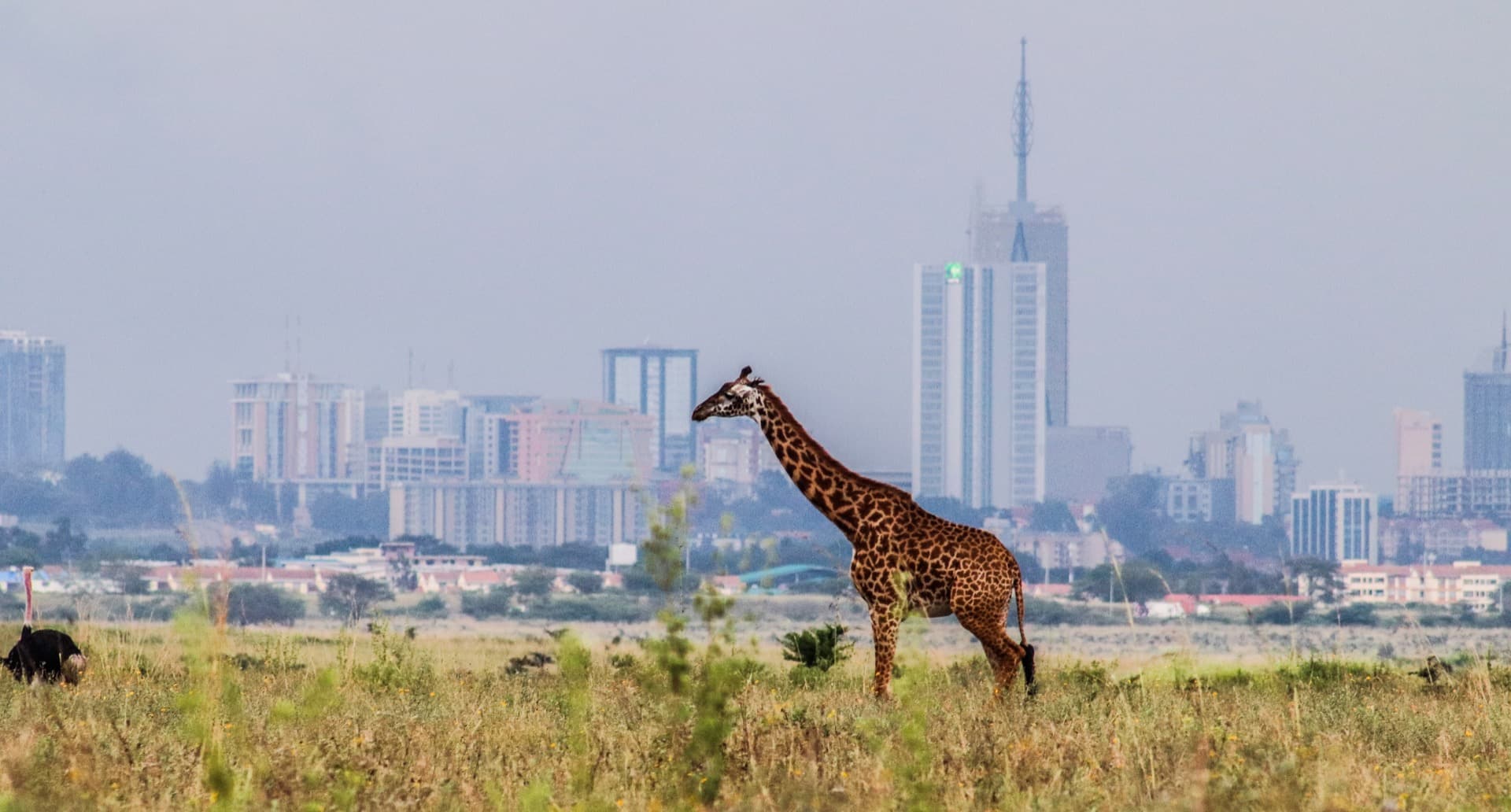
A wildlife park bordering the capital, where giraffes and other game graze against a backdrop of city skyscrapers.
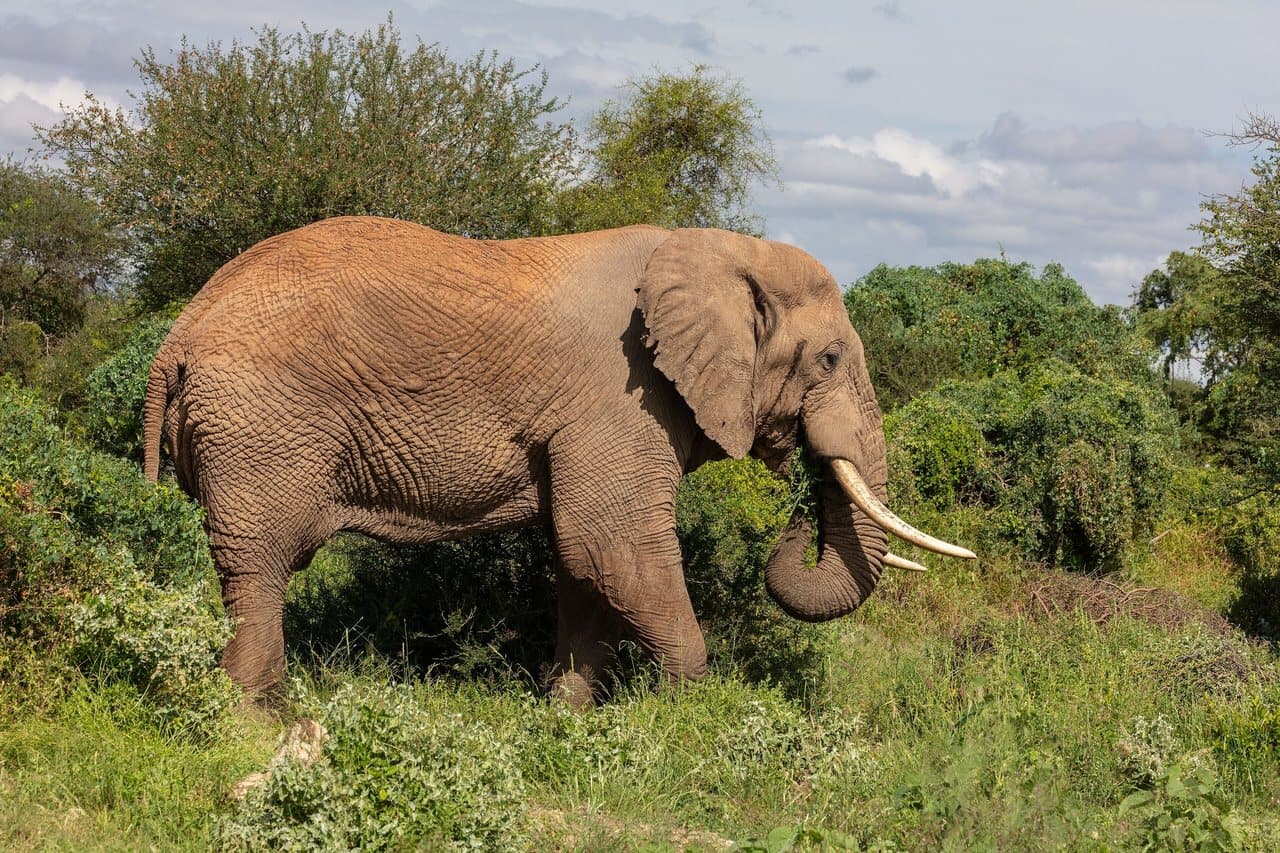
Amboseli National Park in southern Kenya is known for its large elephant herds and, on clear days, views of Mount Kilimanjaro across the border in Tanzania.
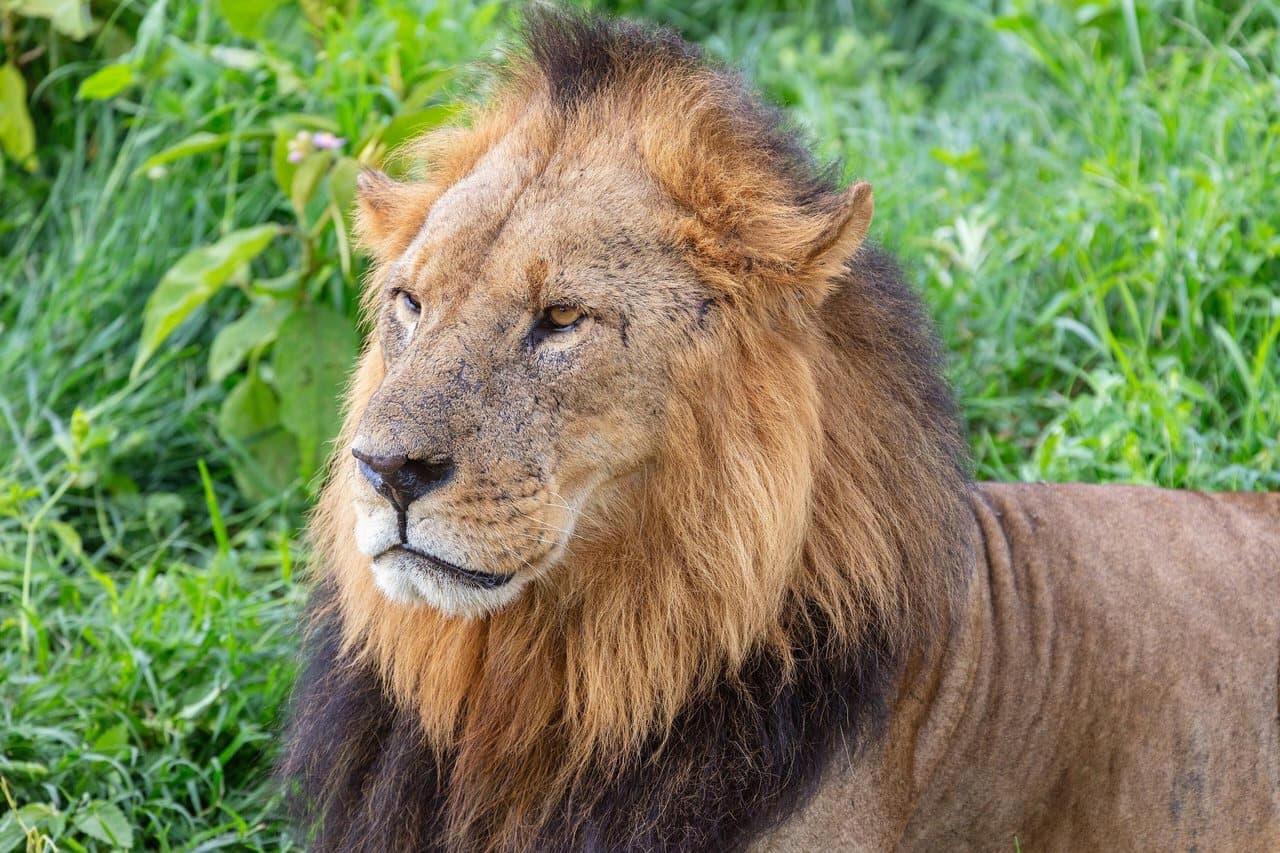
A national park beside Nakuru town that protects a Rift Valley soda lake with surrounding woodland and grassland, known for birdlife and wildlife viewing.
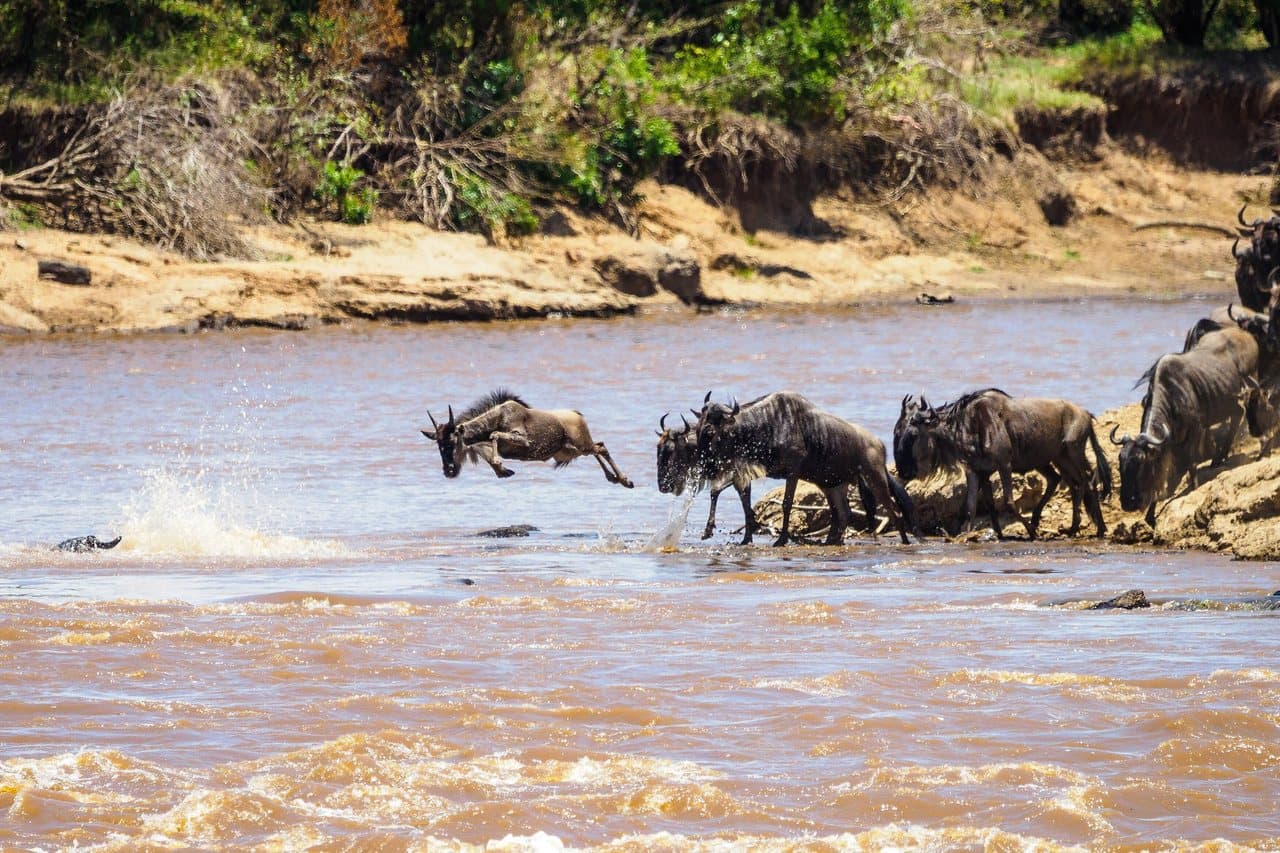
During the annual wildebeest migration, herds cross the Mara River in the Masai Mara National Reserve, one of East Africa's best-known wildlife spectacles.
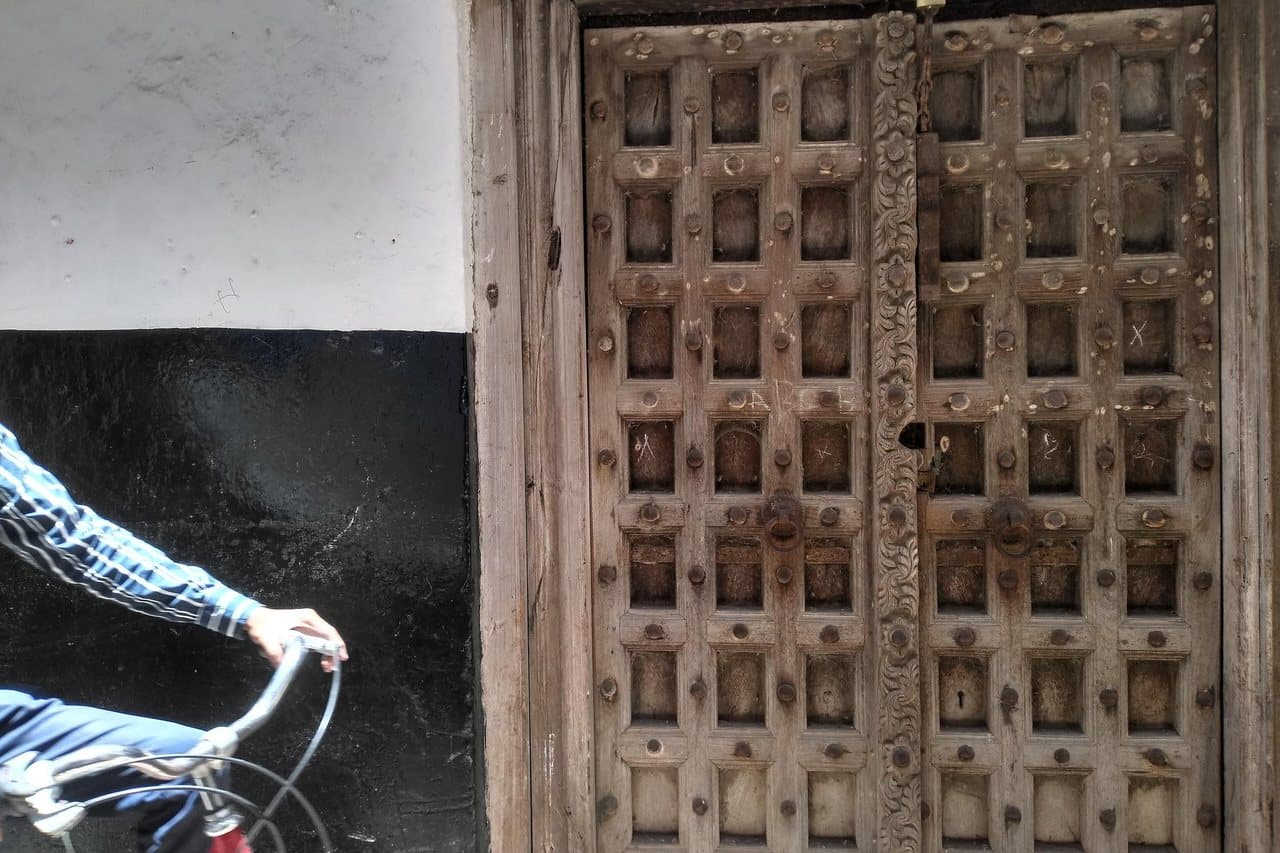
Lamu Old Town on Lamu Island is a UNESCO World Heritage Site and one of the best-preserved Swahili settlements in East Africa, known for its coral-stone buildings, narrow streets and carved wooden doors.
FEATURED HOTELS
Hotel listings in Kenya from our travel-data partner. These are catalogue entries, not live availability — use “Check live rates” on a hotel for prices and availability.

Mombasa Road, Nairobi
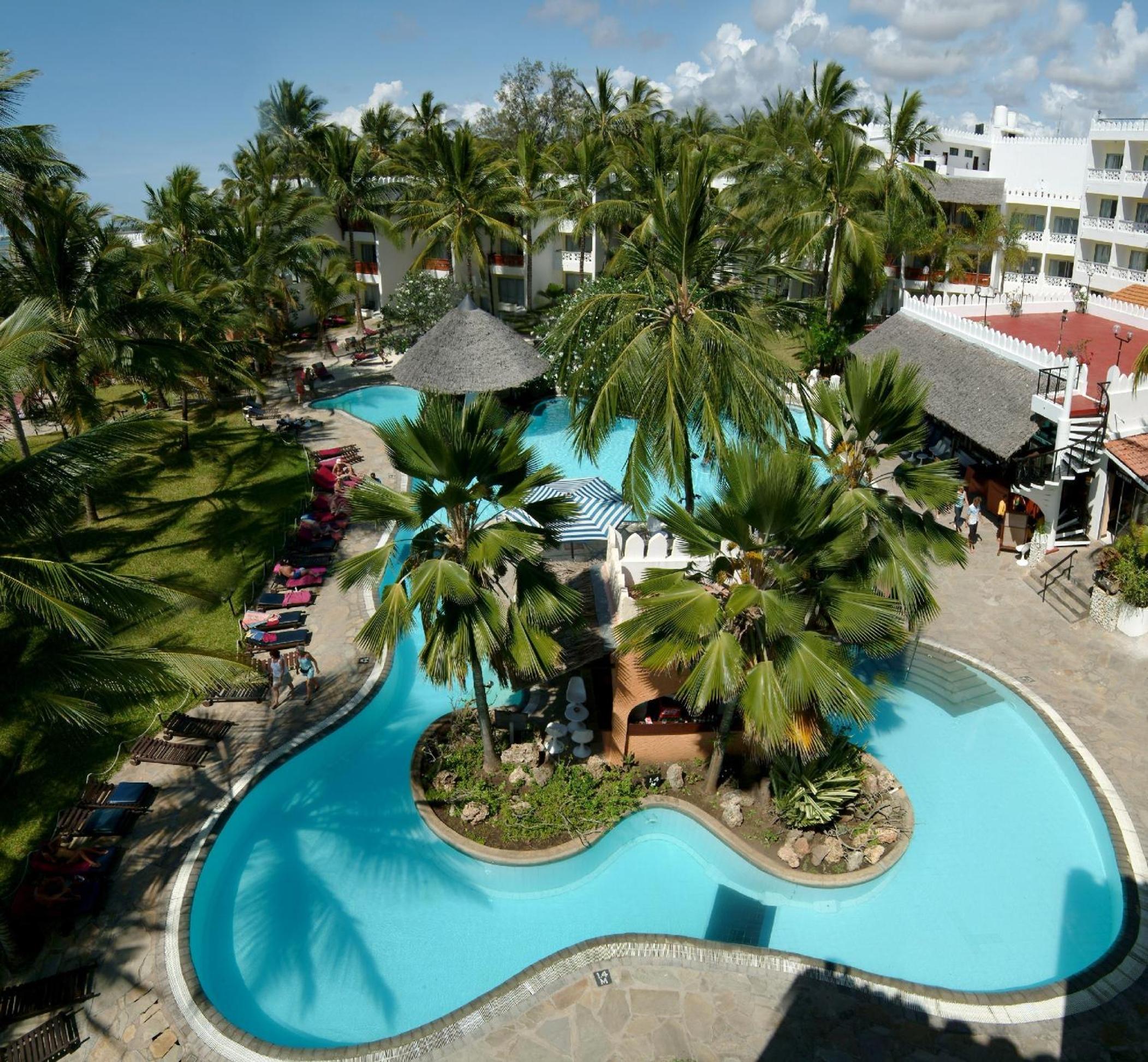
Mombasa-Malindi Road, Bamburi, Bamburi
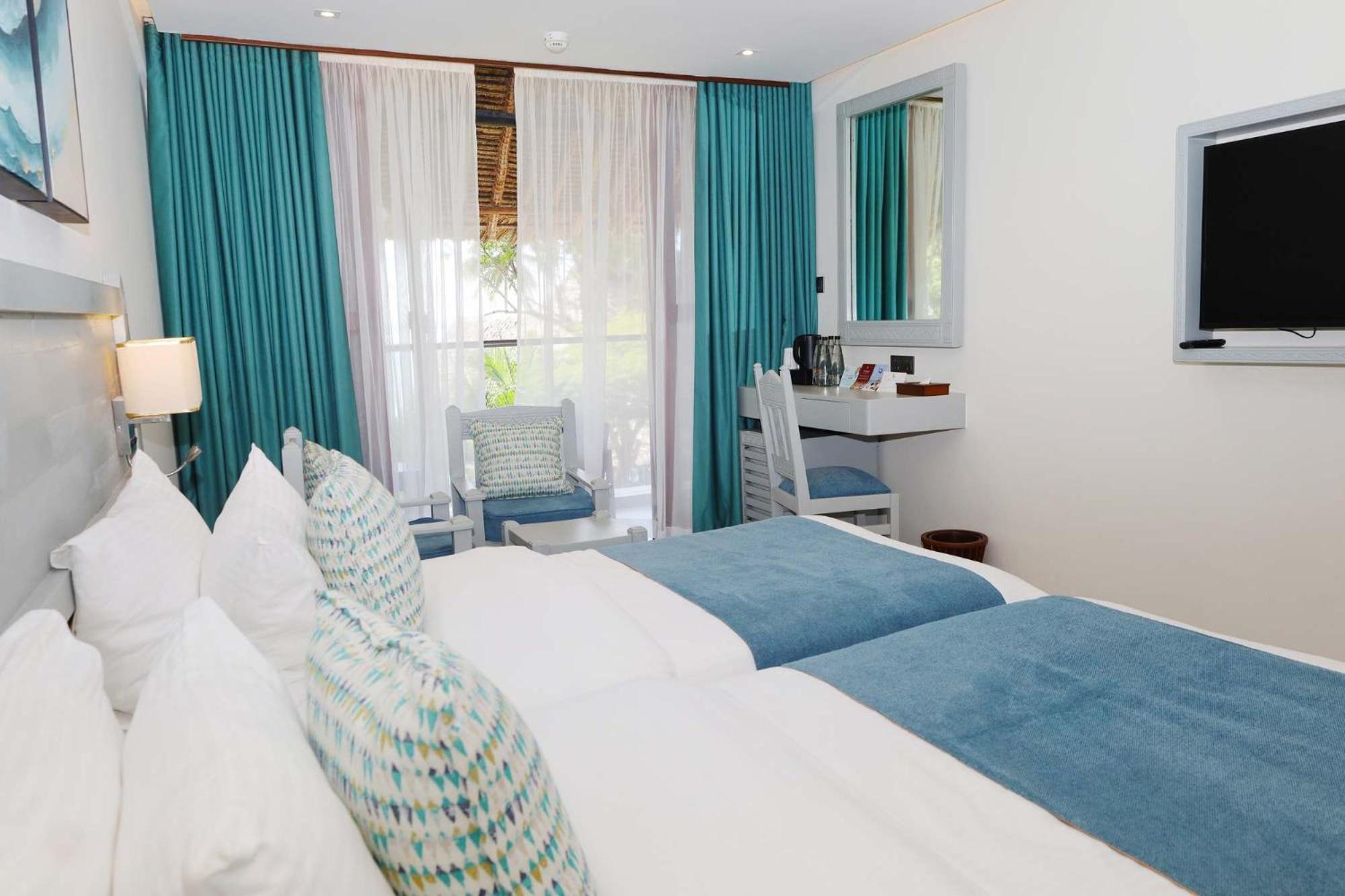
Diani Beach Road, Diani Beach
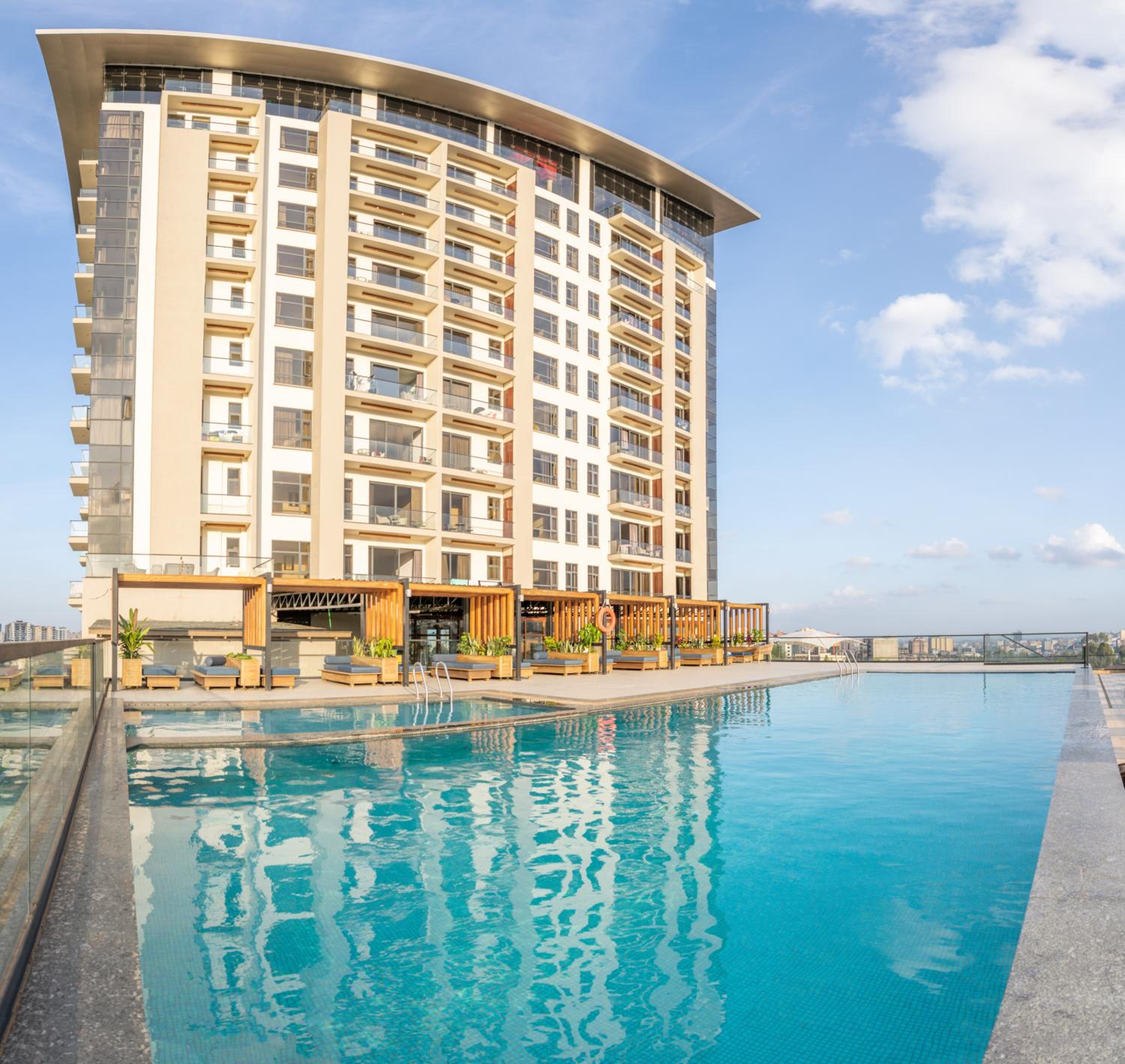
Ojijo Rd, Nairobi
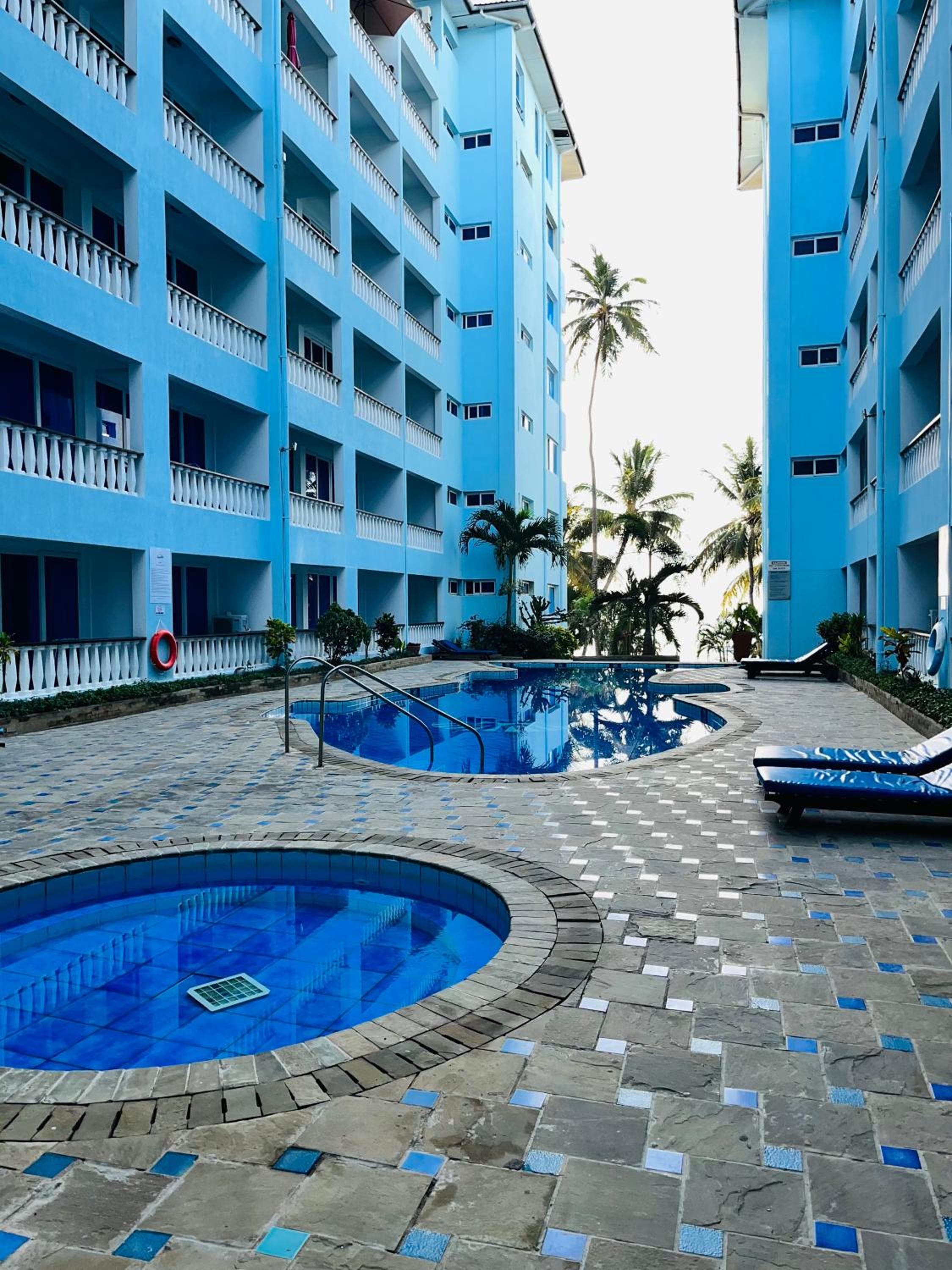
Mombasa Malindi Highway, Bamburi
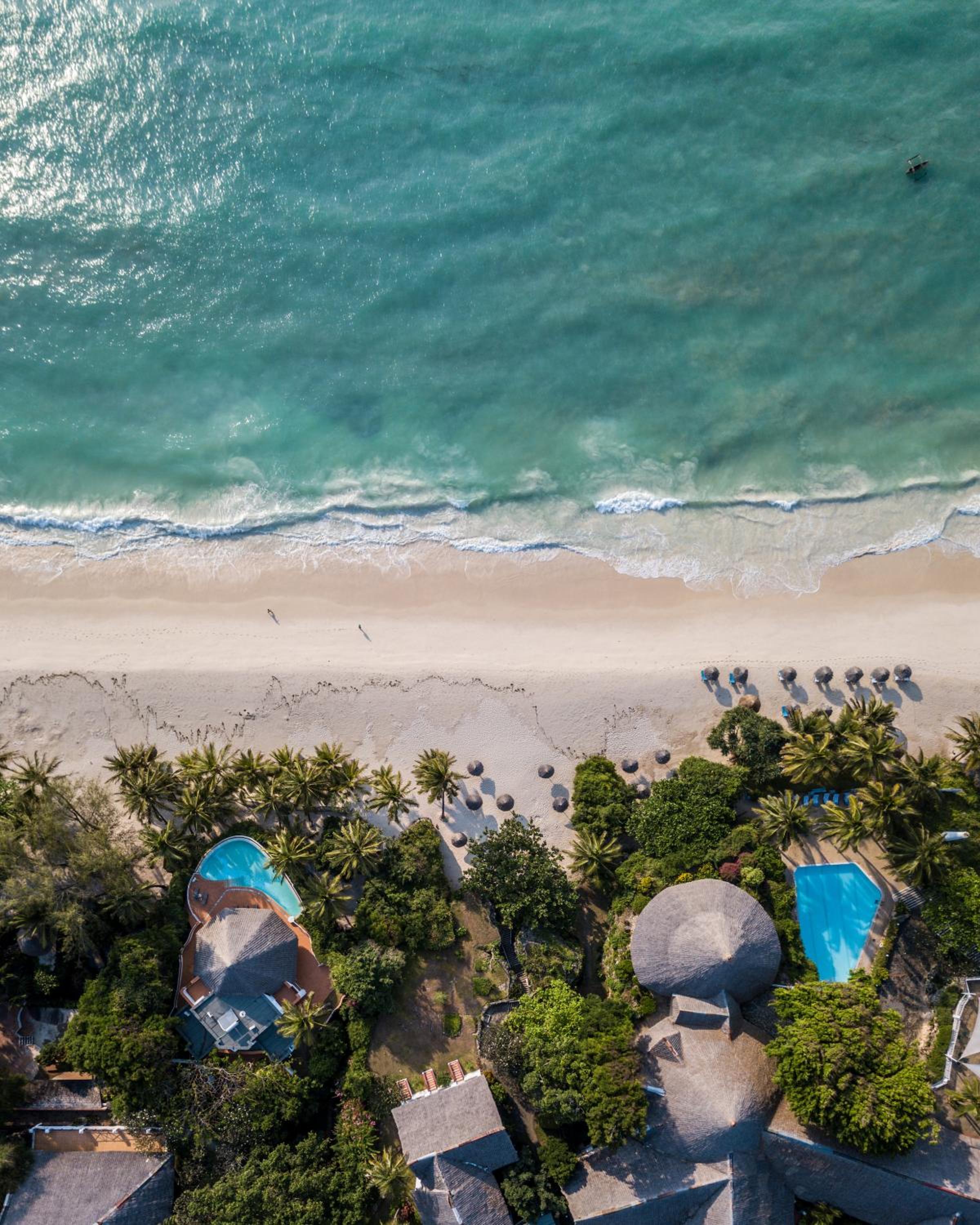
Diani Road, South Coast, Diani Beach
MORE STAYS
Live provider availability across Kenya. Select a stay to confirm its price, then continue to book.
Written and maintained by the Africa Travel Intelligence Platform (ATIP) editorial team, using only places and records ATIP has reviewed. Facts we have not verified, such as opening hours, prices and schedules, are left out rather than guessed.
Read about ATIP’s general editorial approach It describes how ATIP works in general and does not verify individual guides.
YOUR NEXT CHAPTER
Start with the places that speak to you. ATIP planning tools can help bring your interests, destinations and travel information together.
Search flights to AfricaCompare hotel rates for your datesExplore tours and activities in Africa
The drier seasons, roughly January to March and June to October, are generally favored for travel and wildlife viewing, though conditions vary by region and year.
Entry and visa requirements vary by nationality and change periodically. Confirm current requirements with Kenya's official immigration authorities or your own government's travel advisory before departure.
Language: Swahili and English. Currency: Kenyan shilling.
ATIP’s main destination guides for Kenya are Nairobi, Masai Mara, Amboseli, Mombasa, and Diani Beach.
ATIP’s editorial guidance suggests Nairobi (2–3 days), Masai Mara (3–4 days), and Mombasa (2 days). These are recommendations, not minimum stays; allow extra time to travel between places.
ATIP’s editorial review groups the main destinations by traveller interest: Wildlife: Masai Mara; Culture: Nairobi; History: Nairobi; Adventure: Masai Mara; Nature: Nairobi and Masai Mara; Photography: Masai Mara. Open each destination guide for the details.
Yes: 7 Days in Kenya and Mombasa guide. Each sets out its places with the sources behind them.
ATIP’s guide to Kenya covers 11 destinations. The main ones are compared below by type of place, who they suit, the suggested stay and the best time recorded for each; anything ATIP has not recorded is left out.
At ATIP’s suggested stays, the 3 destinations above that carry a duration add up to 7–9 days before any travel between them, which ATIP does not time. Choose the places that match your interests rather than trying to cover them all.
A 7-day Kenya itinerary: Nairobi’s museum and national park, Lake Nakuru, three days in the Masai Mara and Amboseli’s elephants. No safari guarantees, no invented transfer times.
A non-timed guide to four reviewed places in Mombasa: Fort Jesus, Mombasa Old Town, Mama Ngina Waterfront and Haller Park.
PLACES THAT BRING A COUNTRY TO LIFE
Discover the places in our Kenya collection, from everyday city life to landscapes and cultural connections.
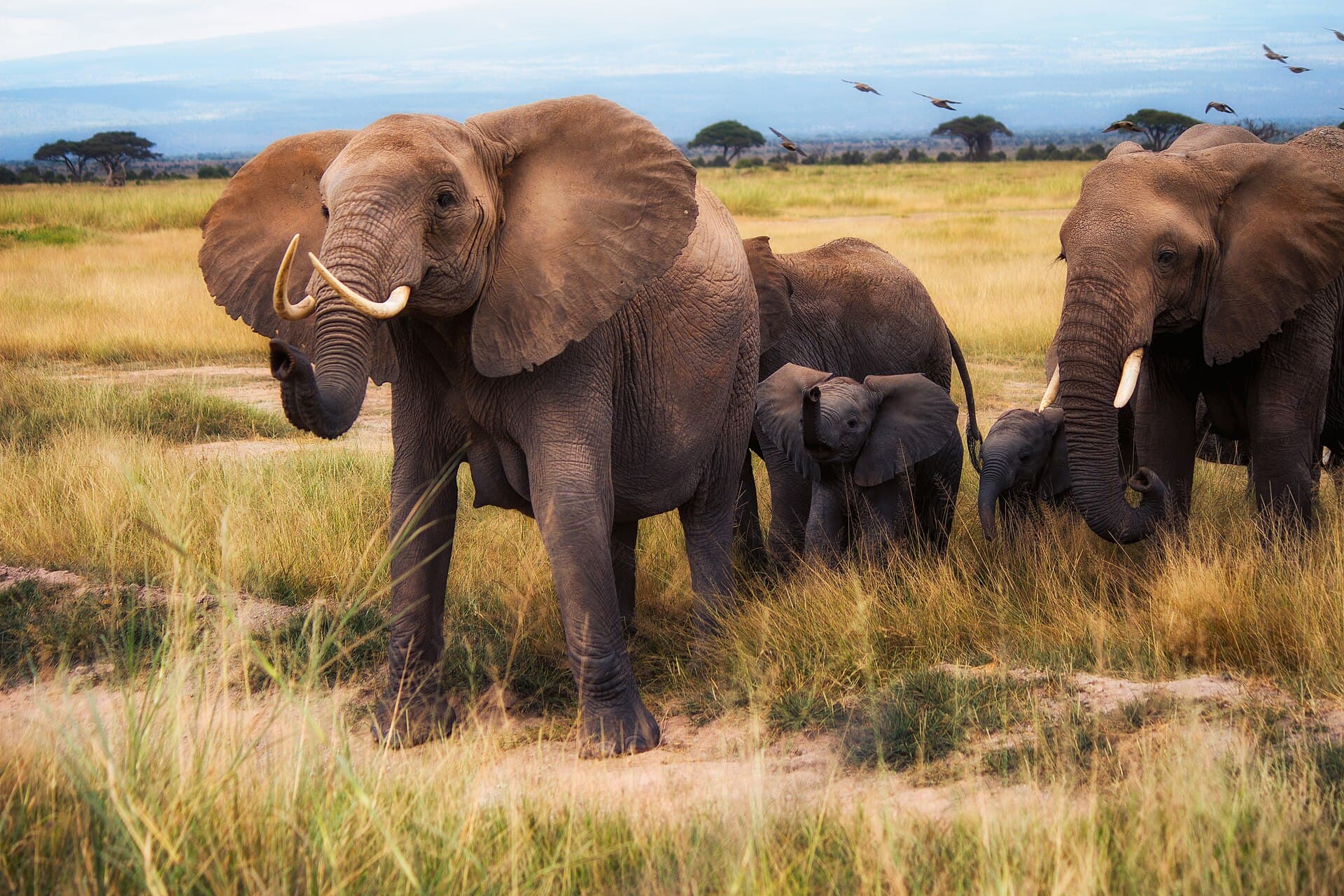 National Park
Classic elephant country with open plains and sweeping views of Mount Kilimanjaro.
Explore destination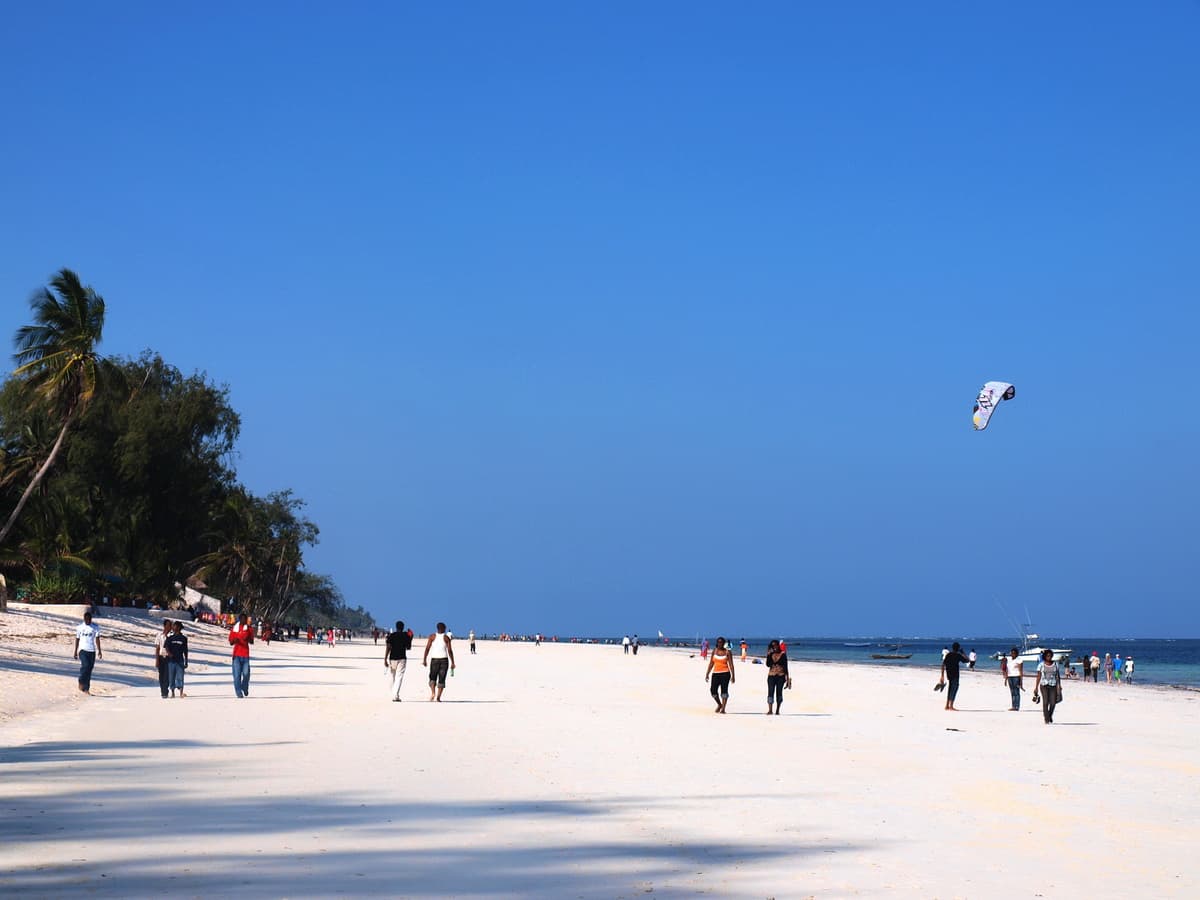 Beach
Palm-lined Indian Ocean beach south of Mombasa with coral reefs, kitesurfing, and laid-back resorts.
Explore destination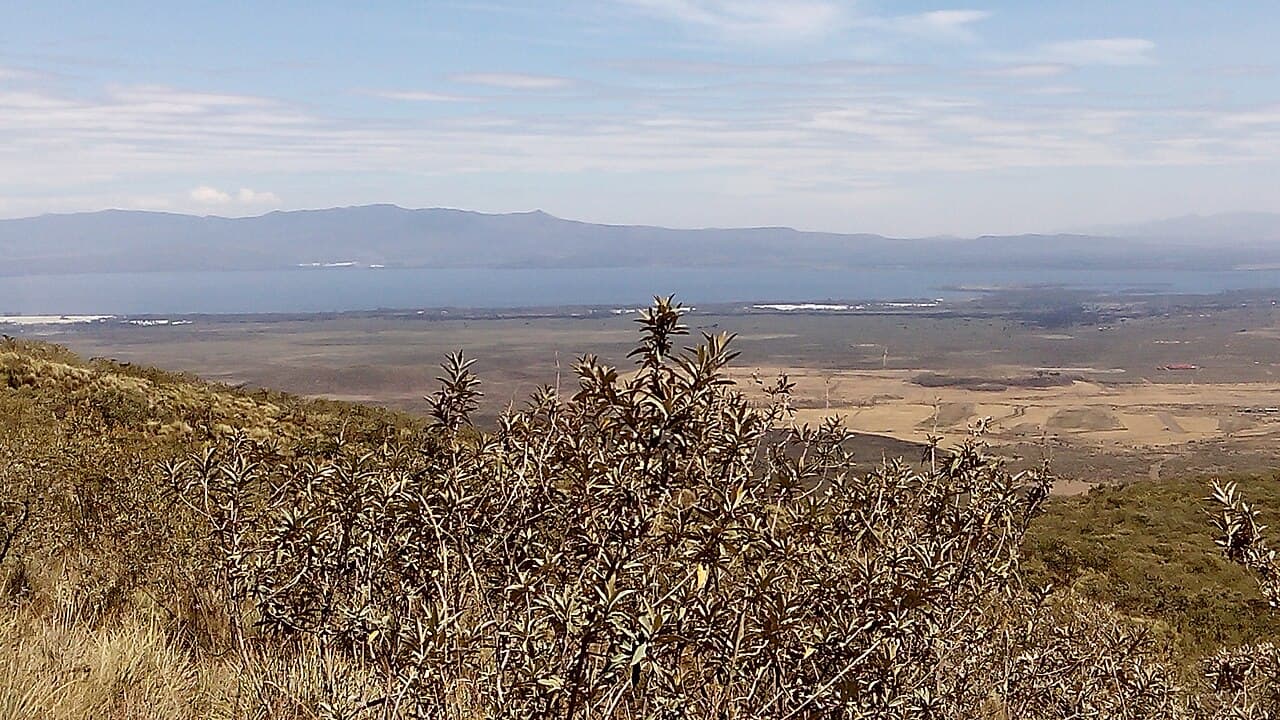 Lake
Freshwater Rift Valley lake popular for boat trips, hippo viewing, and nearby walking safaris.
Explore destination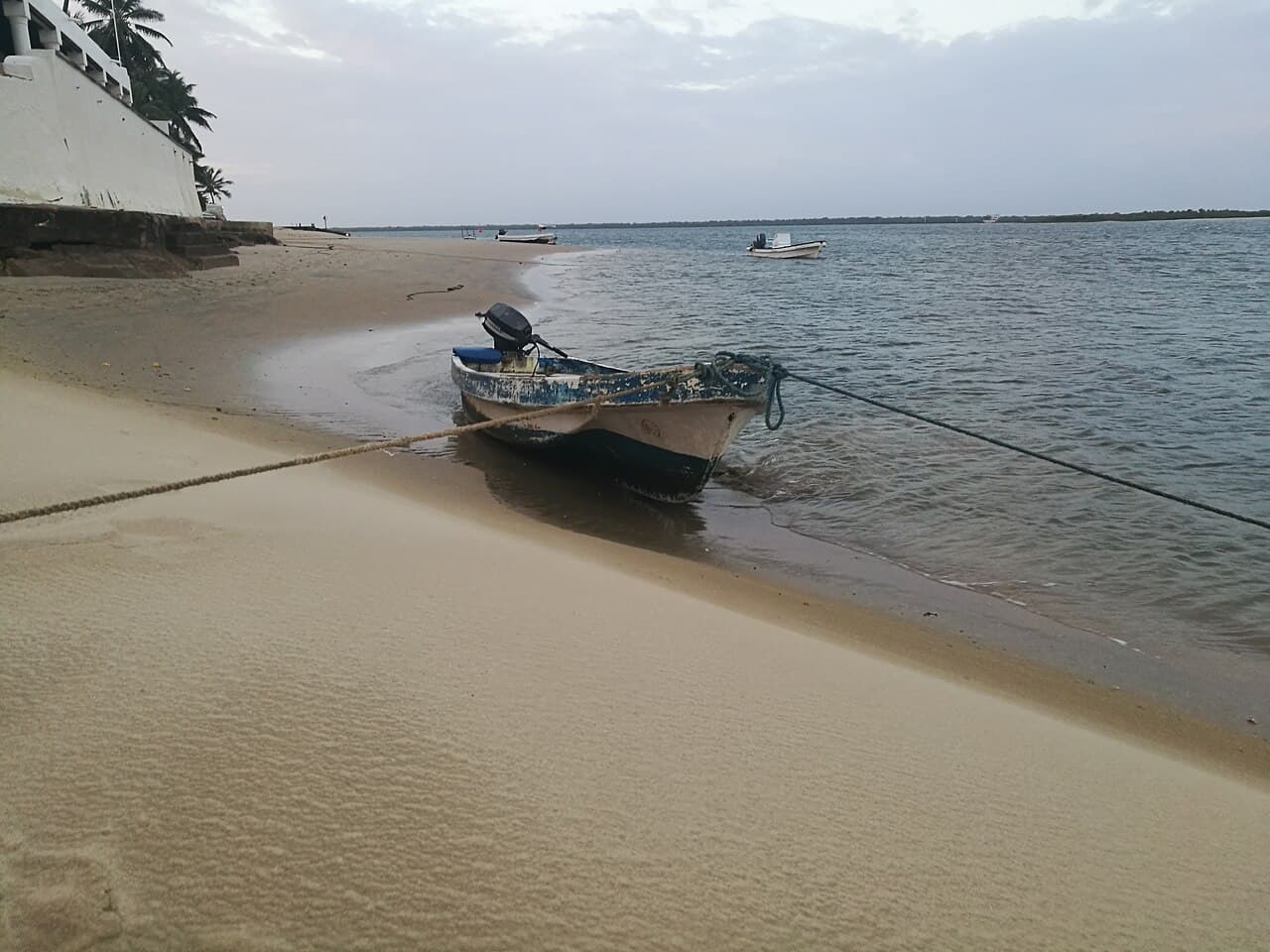 Island
Swahili island town with narrow lanes, dhow sailing, beaches, and centuries of coastal heritage.
Explore destination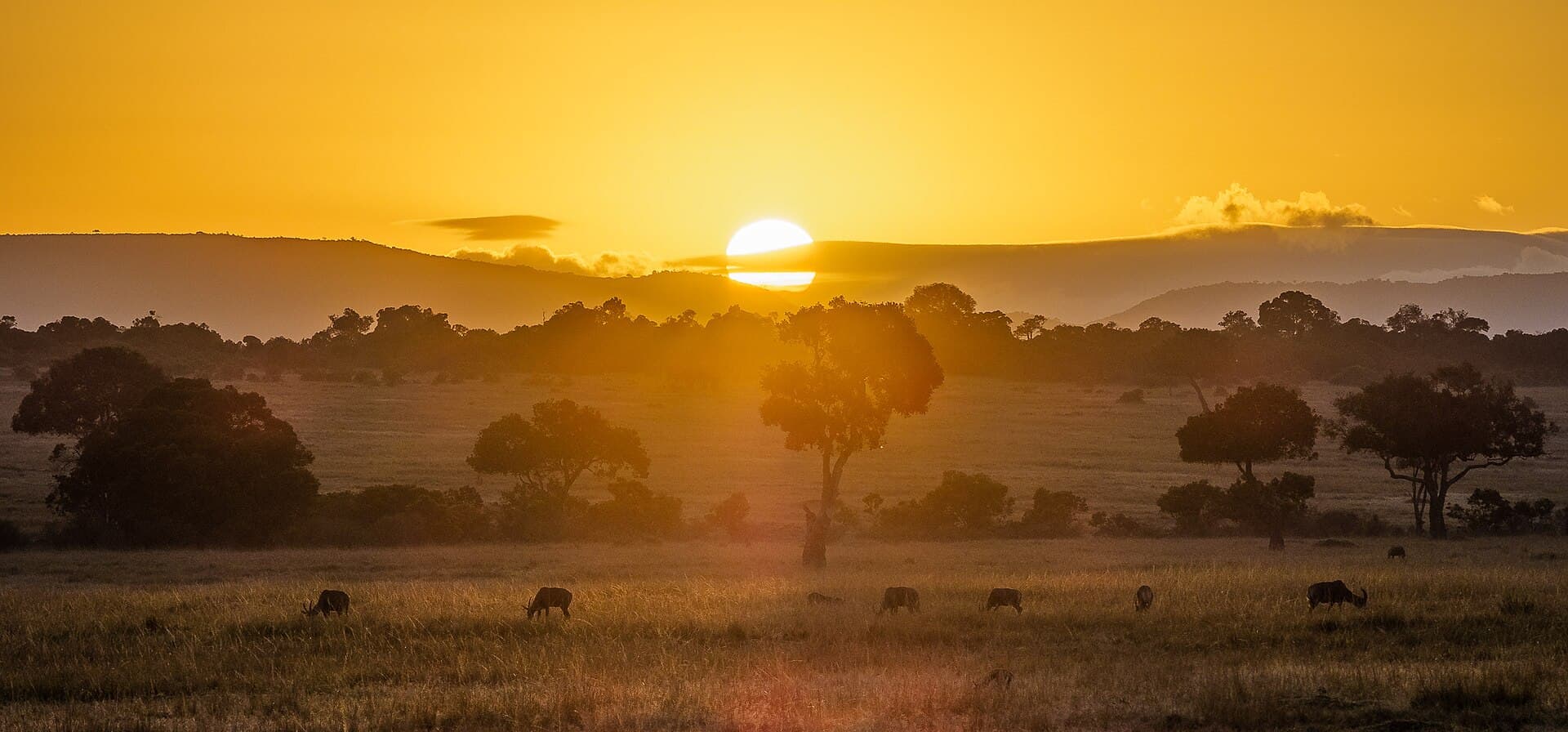 National Park
World-famous savannah reserve known for big cats, Maasai culture, and the Great Migration.
Explore destination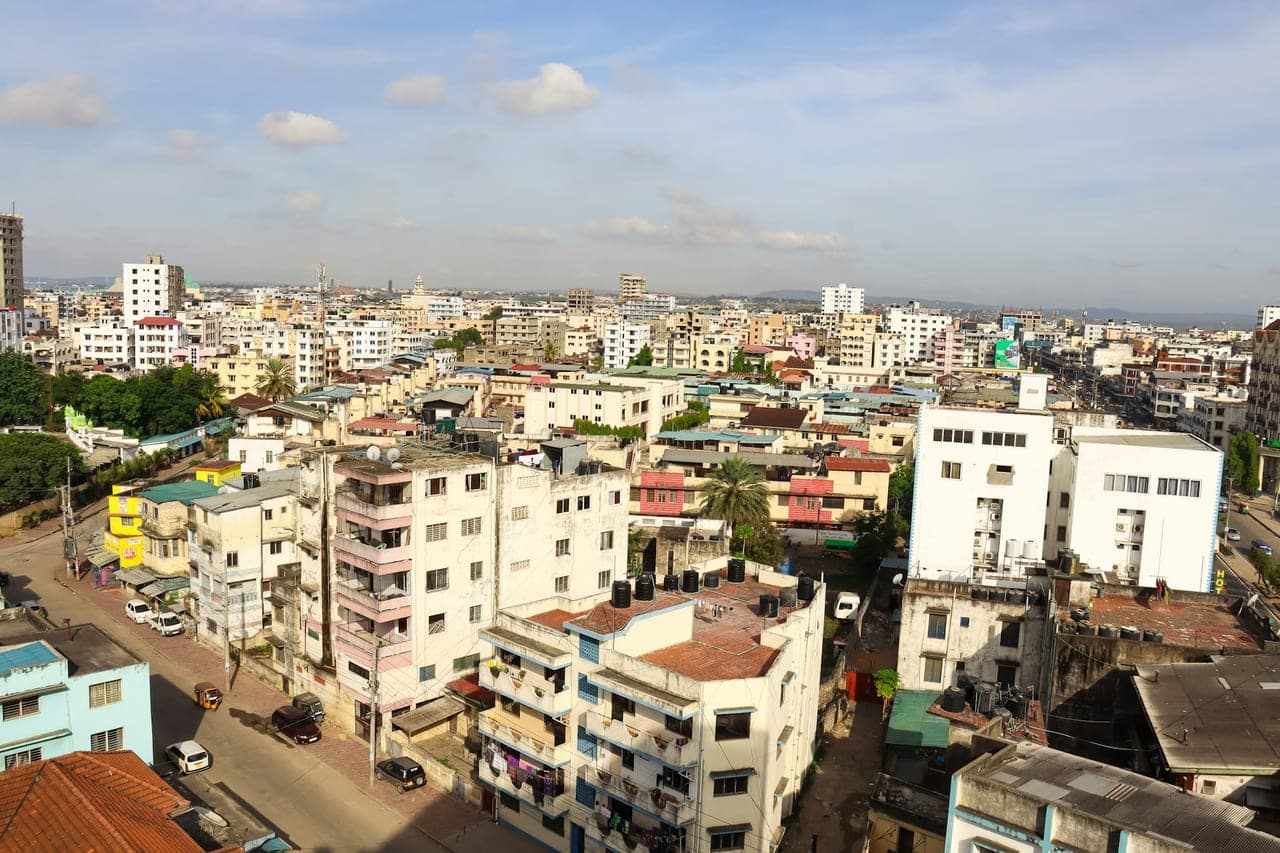 City
Mombasa is a port city on the coast of Kenya, shaped by historic trading influences. Its historic Old Town and the Portuguese-built Fort Jesus sit alongside a waterfront with gardens and views of port shipping, and Haller Park, a reclaimed quarry now home to wildlife and plant life.
Explore destination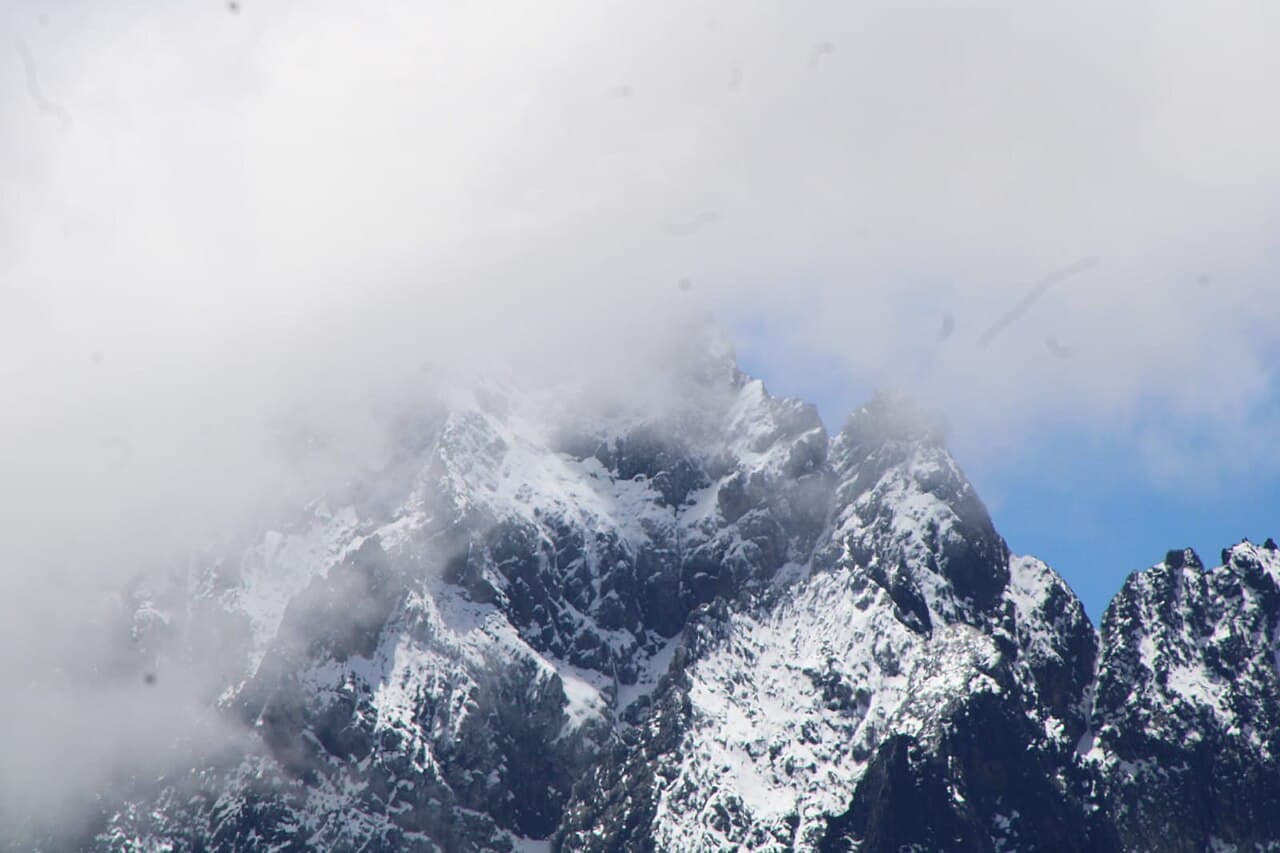 Mountain
Kenya's highest mountain offers alpine trekking, forest trails, and dramatic glacial peaks.
Explore destination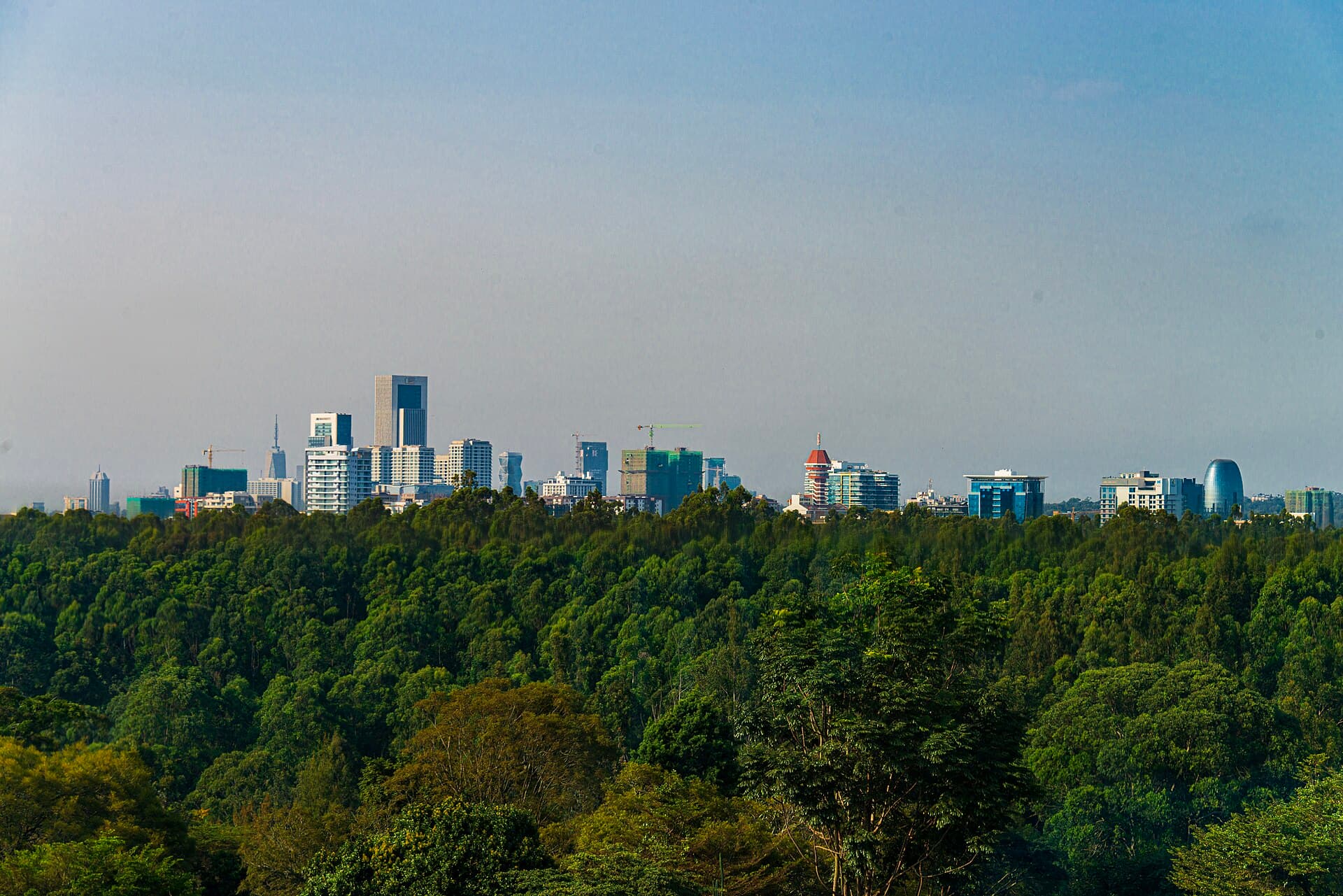 City
Nairobi is Kenya's capital. Nairobi National Museum stands on Museum Hill, with exhibitions on Kenya's cultural and natural heritage. Karura Forest is an urban forest in the city that people use for walking and cycling, and it has a waterfall.
Explore destination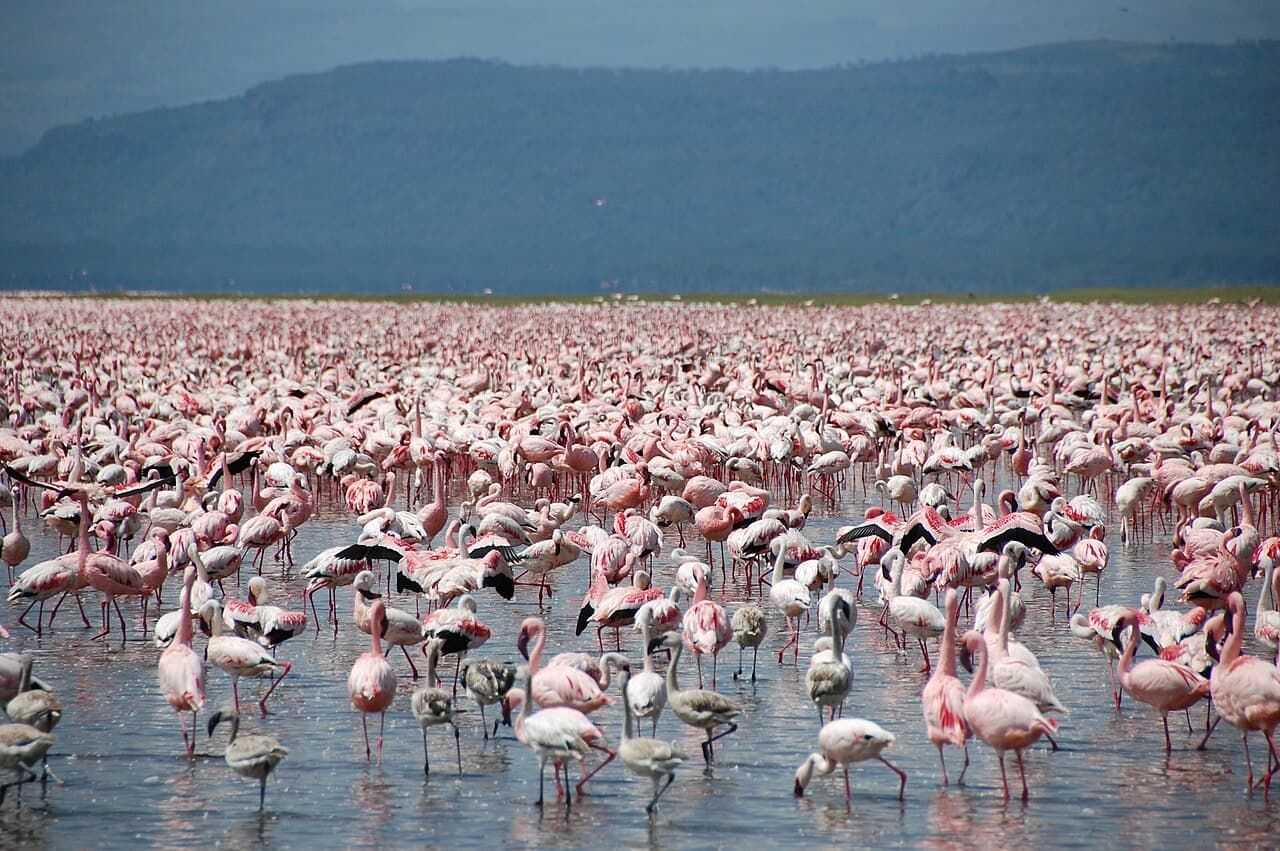 City
Rift Valley city serving Lake Nakuru National Park, viewpoints, and regional cultural excursions.
Explore destination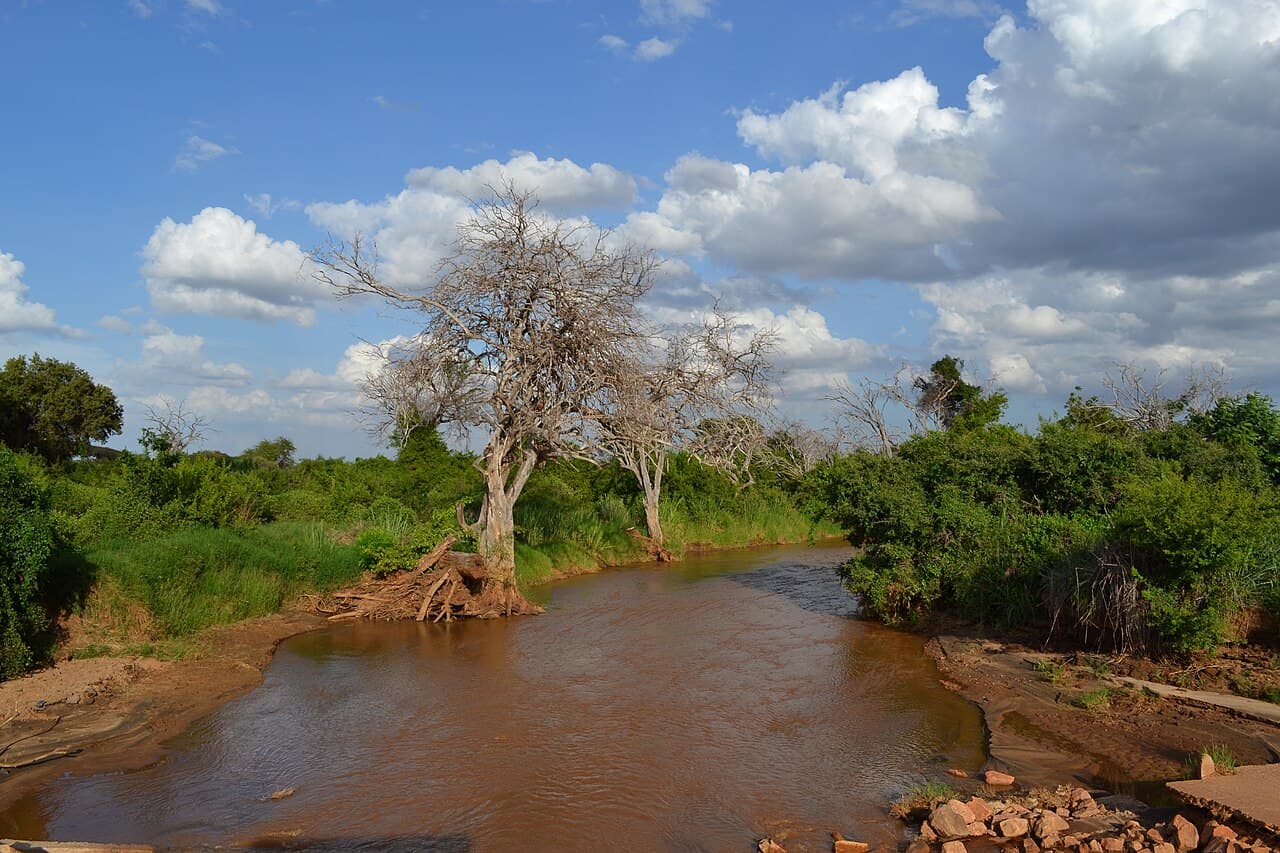 National Park
Vast red-earth wilderness with elephant herds, lions, and the Galana River.
Explore destination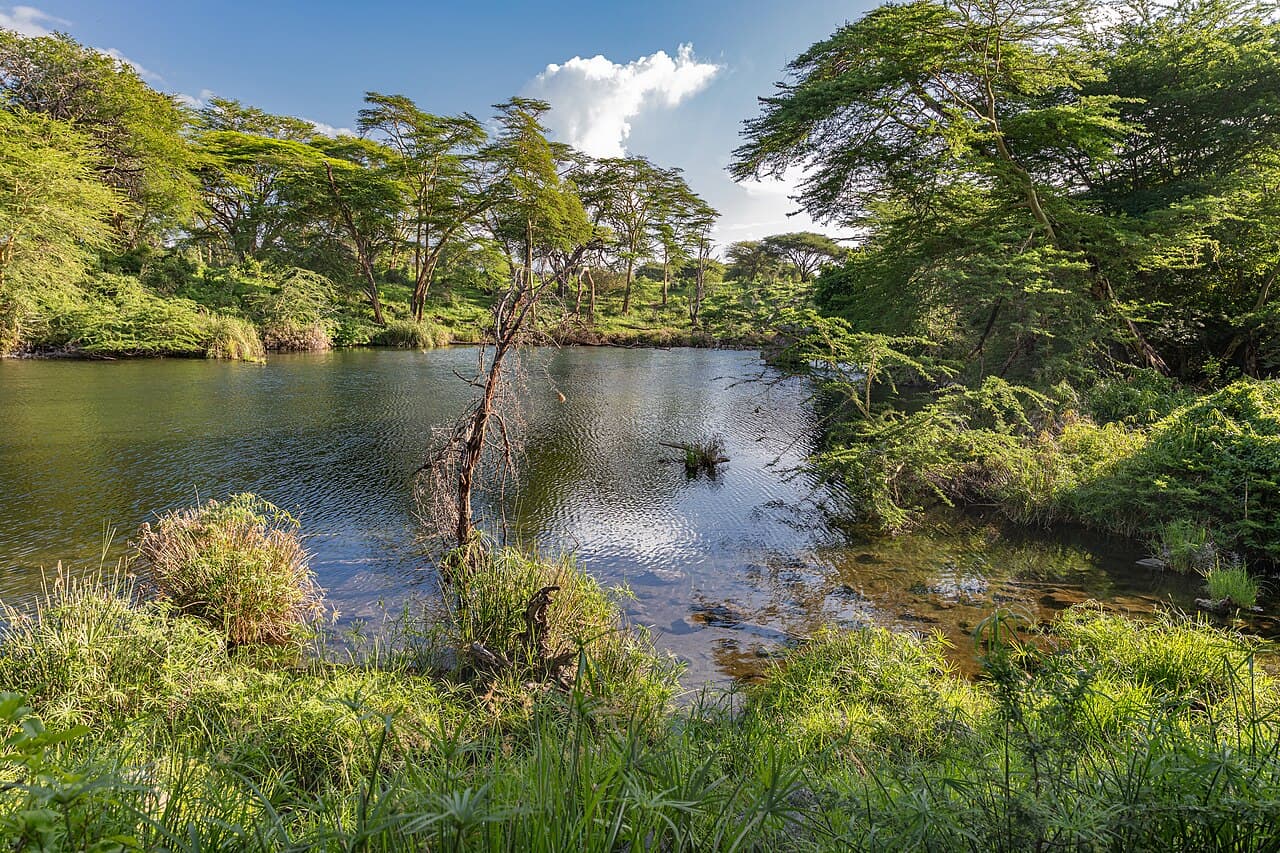 National Park
Rugged volcanic park featuring Mzima Springs, lava flows, and diverse wildlife.
Explore destinationFOLLOW YOUR CURIOSITY
Select a kind of place or an interest to filter the destinations above.
FCDO travel advice for Kenya. Includes safety and security, insurance, entry requirements and legal differences.
UK FCDO · Last updated November 6, 2026 · Retrieved just now
View official adviceContains public sector information licensed under the Open Government Licence v3.0.
Travel advice can change. Review the official source before making travel decisions.