ITINERARY · DAKAR, SENEGAL
3 Days in Dakar: Culture, Gorée Island & the Atlantic Coast
A relaxed three-day plan for a first visit: museums and the arts in Dakar on day one, Gorée Island and its history on day two, and the Mamelles hills, the Corniche and the Atlantic coast on day three. It uses only places ATIP has reviewed. We have not verified opening hours, prices, ferry schedules or transfer times, so none are given: confirm them before you go.
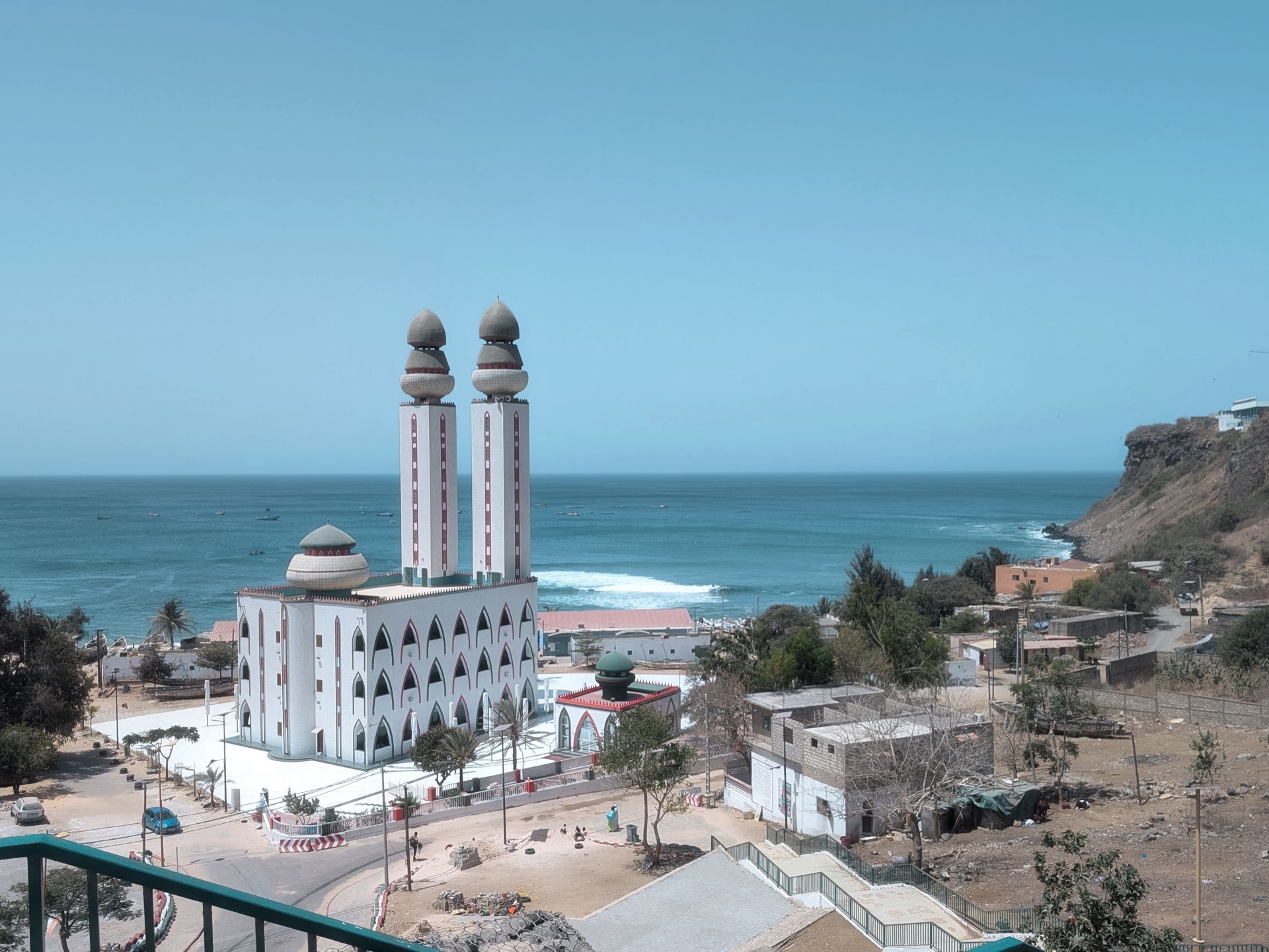
The itinerary at a glance
- Day 1 — Historic Dakar: the Museum of Black Civilizations, the IFAN Museum of African Arts and the Village des Arts.
- Day 2 — Gorée Island: the House of Slaves, Fort d’Estrées and its museum, and the hilltop views of Le Castel.
- Day 3 — The Atlantic coast: the Mamelles hills, the Mosque of the Divinity on the Corniche, and Ngor Island.
- Best for
- Culture, history and first-time visitors
- Pace
- Unhurried: a few main stops a day, with room to linger
- Season
- Year-round; the drier months are generally the most comfortable for exploring on foot
- Getting around
- Reputable taxis or pre-arranged transport for city journeys; the public Dakar–Gorée ferry reaches Gorée Island
Day 1
Historic Dakar: museums and the arts
Begin with Dakar’s museums and arts venues. They give the clearest introduction to the city’s cultural life and set the scene for Gorée tomorrow.
Museum of Black Civilizations
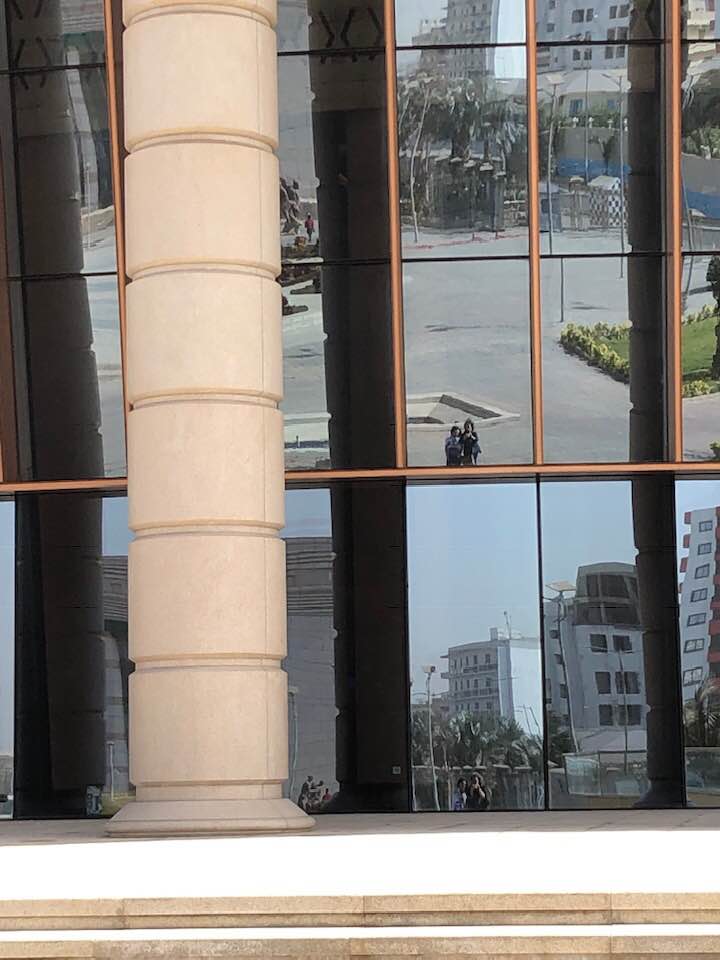
Photo: Tacomagoree · CC BY-SA 4.0 · Source A Dakar museum devoted to African civilizations, cultural heritage and the African diaspora. UNESCO has described its inauguration as an important milestone in the history of Senegal, Africa and its diaspora.
IFAN Museum of African Arts (Musée Théodore Monod)
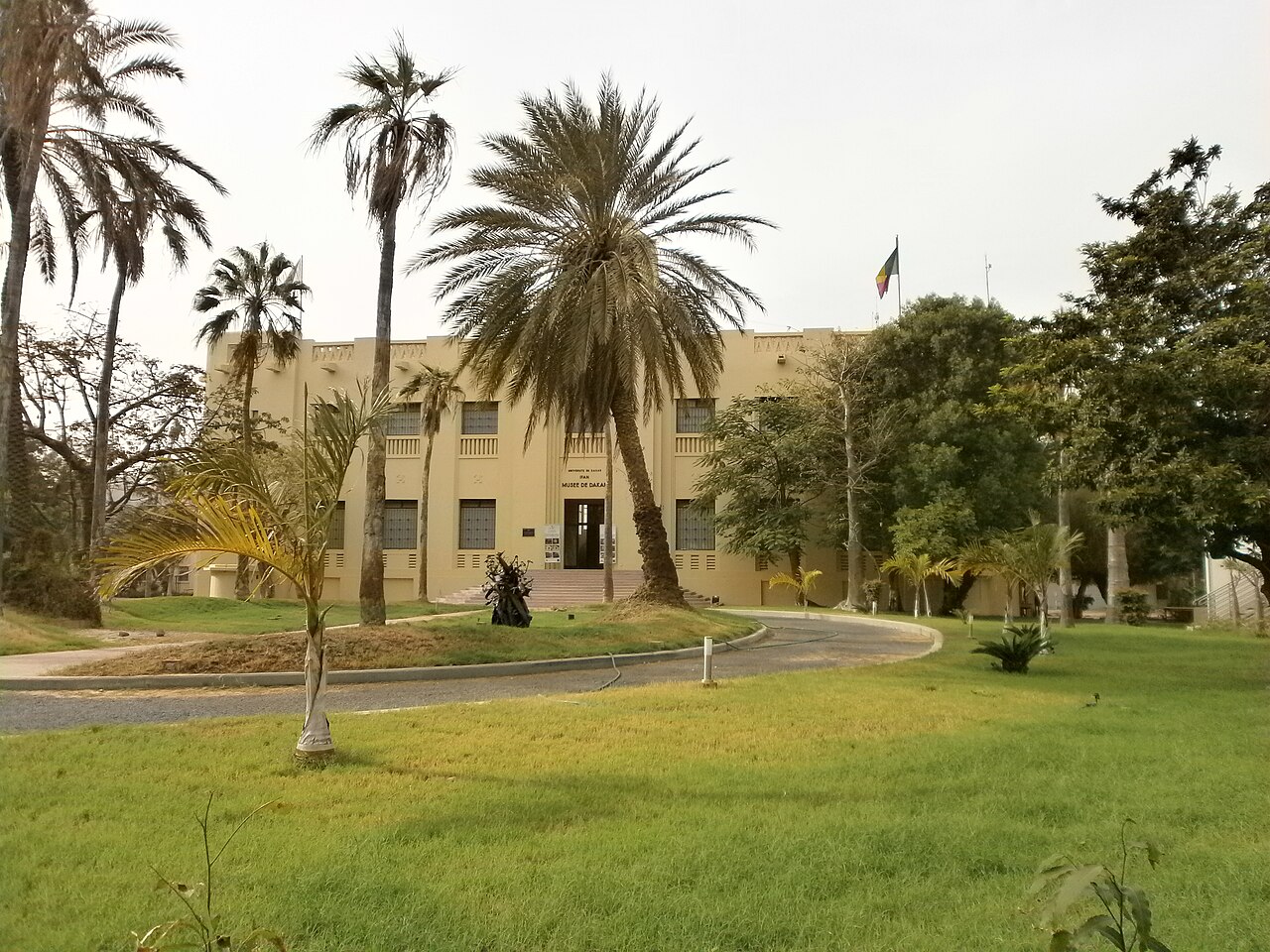
Photo: HaguardDuNord · CC BY-SA 3.0 · Source A Dakar museum dedicated to African art and cultural heritage. A good companion to the first museum of the day.
View on ATIP: IFAN Museum of African Arts (Musée Théodore Monod)
Village des Arts
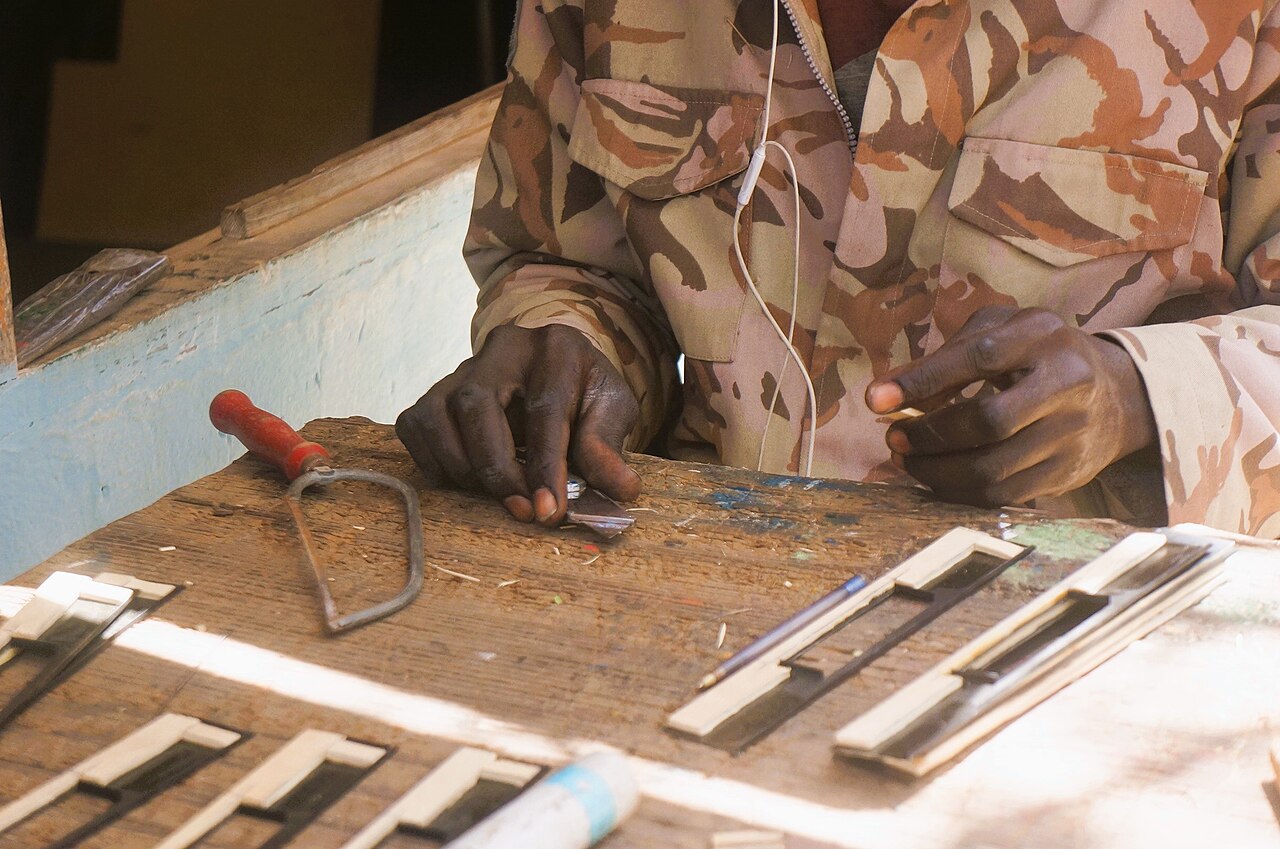
Photo: Kalamuh 045 · CC BY-SA 4.0 · Source A Dakar cultural venue that supports the city’s contemporary arts community. Its own site describes artists’ working studios, a gallery and exhibitions; arrangements are made directly with the venue.
Plan the museums for the first half of the day and keep the rest flexible, for the studios or a long lunch: Dakar’s food scene is well regarded. Use reputable taxis or pre-arranged transport between venues, and check each venue’s current opening arrangements.
Day 2
Gorée Island and its history
Gorée is a historic island off Dakar with colonial-era architecture, memorial sites and peaceful ocean views. The public Dakar–Gorée ferry provides access. Ferry and boat schedules can vary, so confirm current times and fares, and plan your return before you set out.
House of Slaves
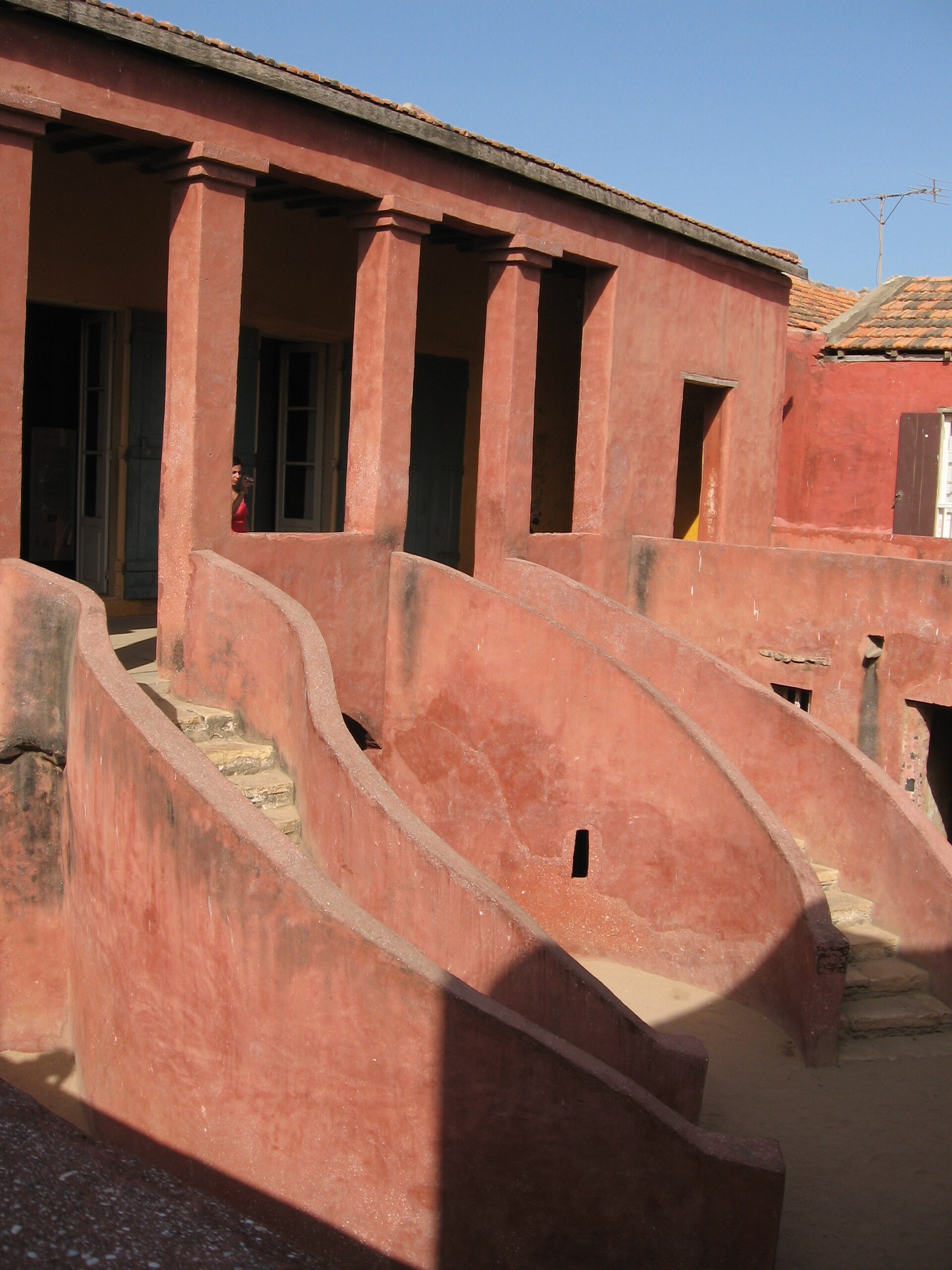
Photo: Nina Volare · CC BY-SA 2.0 · Source A former slave-trading house on Gorée Island, built around 1776 and now a museum and memorial to the Atlantic slave trade; its seaward ‘Door of No Return’ is its best-known feature. It is a place of memory, so allow time and visit with care.
Fort d’Estrées
A mid-19th-century French coastal fort at the island’s northern tip, now home to the Historical Museum of Senegal, with exhibits spanning the Paleolithic era to the present.
Le Castel
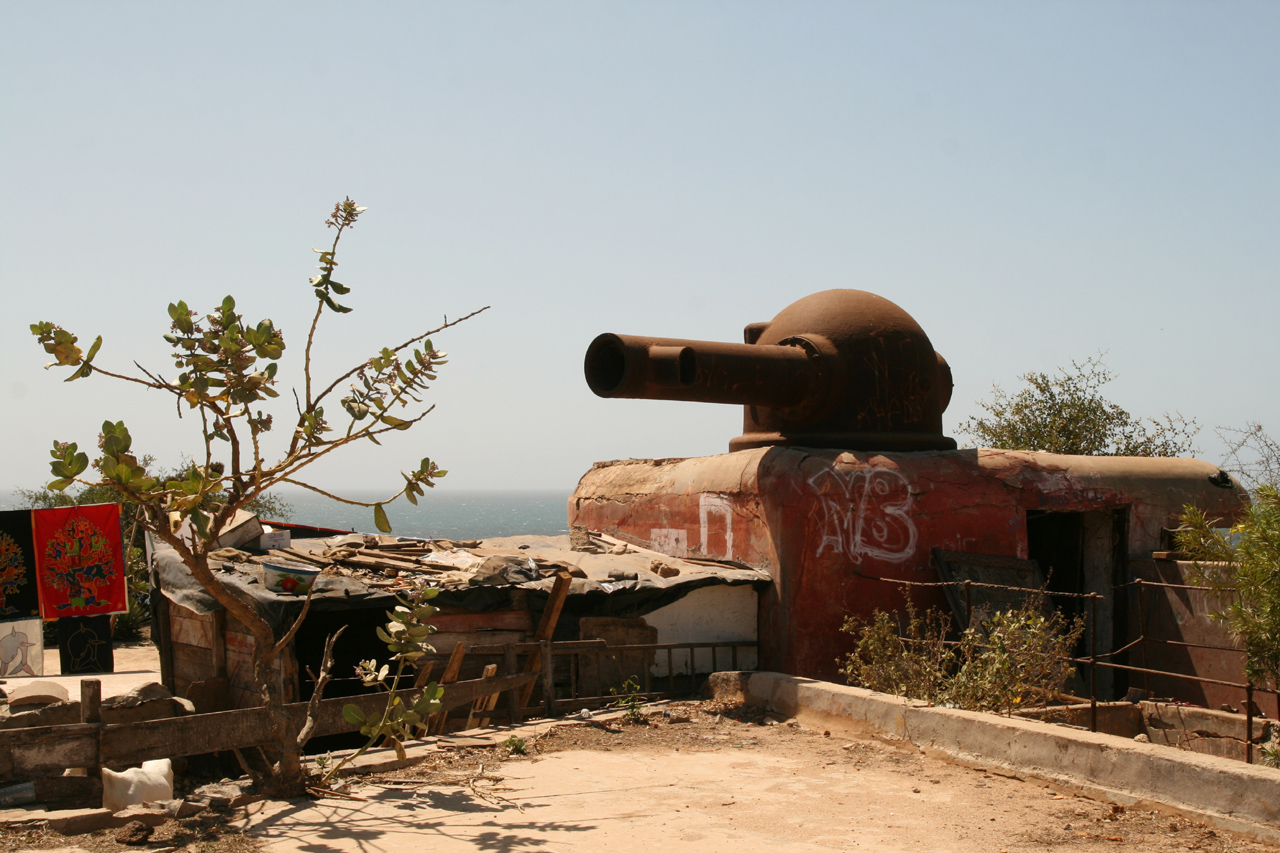
Photo: Remi Jouan · CC BY 3.0 · Source A fortified hilltop plateau at the island’s southern tip, with surviving coastal-defense cannons and sweeping views over Dakar and the harbour.
Give the island the whole day. A natural order is the memorial first, the museum next and the viewpoint last, then wander the island’s quiet lanes before your ferry back. Calmer seas and drier weather generally make for easier access.
Day 3
The Mamelles, the Corniche and Ngor
Spend the last day on Dakar’s Atlantic edge, from the Mamelles hills to the cliffside Corniche and a small island with a relaxed pace.
African Renaissance Monument
A 52-metre monument depicting a family, set on one of Dakar’s Mamelles hills and offering panoramic views over the city.
Phare des Mamelles
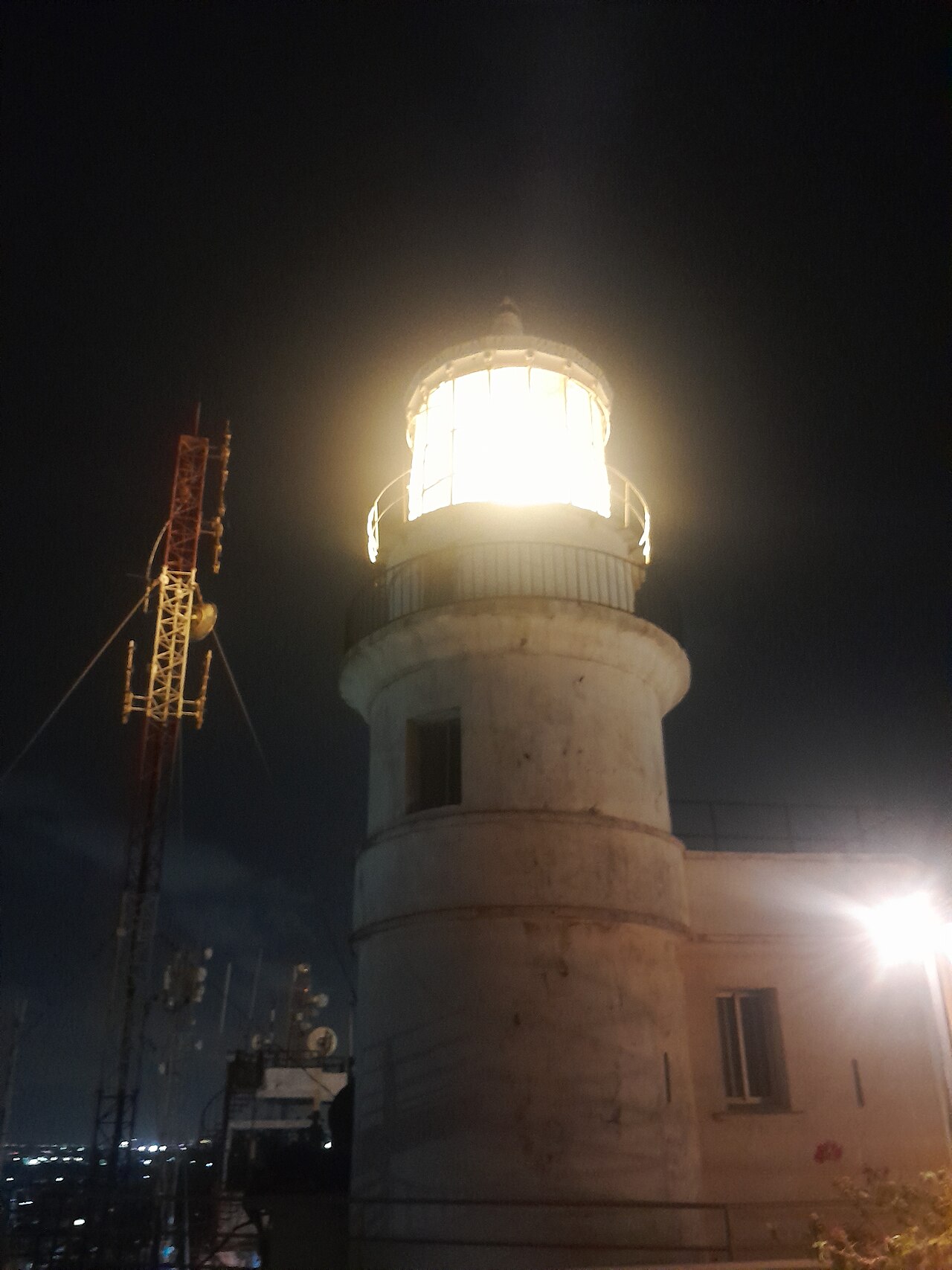
Photo: Ourytima · CC BY-SA 4.0 · Source A historic lighthouse on Dakar’s Mamelles hills, overlooking the Cap-Vert Peninsula.
Mosque of the Divinity
Photo: Issathiome · CC BY-SA 4.0 · Source A striking mosque built into the cliffside along Dakar’s Corniche, its dome and minaret facing the Atlantic. If you plan to go beyond viewing it from the Corniche, check local guidance on visiting a place of worship.
Ngor Island
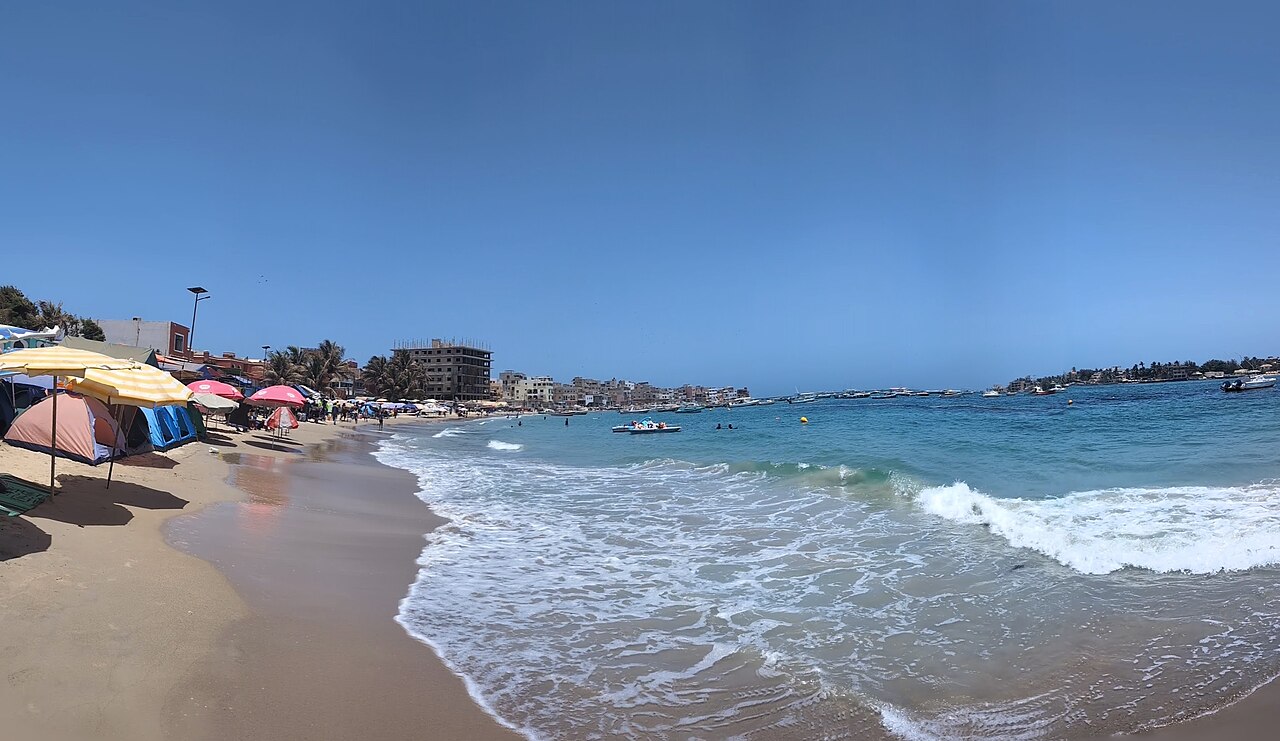
Photo: Tbo47 · CC0 · Source A small island off the Dakar peninsula with surf breaks, sandy coves and seafood restaurants. Boat schedules can vary: confirm current options and timings, and leave a margin for the return.
Take the two Mamelles stops together for the views, see the mosque on the Corniche, and keep the afternoon slow for the island and a seafood meal. Treat this order as a suggestion and confirm transfer times locally.
Good to know before you go
- Hours, prices, ferry and boat schedules and transfer times are not verified by ATIP and are deliberately not stated here. Always confirm them with the venue or operator.
- ATIP is a discovery and planning platform. The Dakar destination page can show live hotel rates and availability for the dates you search, and listings of partner tours. Booking through ATIP is not publicly open yet, and ATIP does not sell ferry crossings: arrange them, and any tickets, directly with the venue or operator.
- Confirm current local guidance before your visit, particularly for transport and for visiting memorial and religious sites.
Quick answers
Is 3 days enough for Dakar?
Three days is enough for a first introduction: one day for museums and the arts, one for Gorée Island and one for the Atlantic coast. Add time if you want to explore at a slower pace.
What if I have fewer than three days?
Keep the day that matches your interest: day 1 for museums and the arts, day 2 for Gorée Island and its history, or day 3 for the Atlantic coast. If you can only choose one, give Gorée the whole day, as the itinerary suggests, and leave the museums and the coast for another visit.
How do I get to Gorée Island?
The public Dakar–Gorée ferry provides access to the island. Schedules can vary, so confirm current times and fares, and plan your return, before you travel.
When is the best time to visit Dakar?
Dakar can be visited year-round. The drier months are generally the most comfortable for exploring on foot.
Can I book this itinerary on ATIP?
Not through ATIP yet. The Dakar destination page can show live hotel rates for the dates you search and partner tour listings, but booking through ATIP is not publicly open yet. ATIP does not sell ferry crossings: arrange them, and any tickets, directly with the operator.
Sources and further reading
Independent references the ATIP team reviewed. They are not partners or suppliers of ATIP.
Explore more
About this guide
Written and maintained by the Africa Travel Intelligence Platform (ATIP) editorial team, using only places and records ATIP has reviewed. Facts we have not verified, such as opening hours, prices and schedules, are left out rather than guessed.
Read about ATIP’s general editorial approach It describes how ATIP works in general and does not verify individual guides.
Make it yours
Tell the ATIP AI Planner what you enjoy and how long you have, and it will build a plan from ATIP’s reviewed places.
Search flights to AfricaCompare hotel rates for your datesExplore tours and activities in Africa
This is an editorial itinerary. ATIP does not sell or organize any of these visits.