Why visit
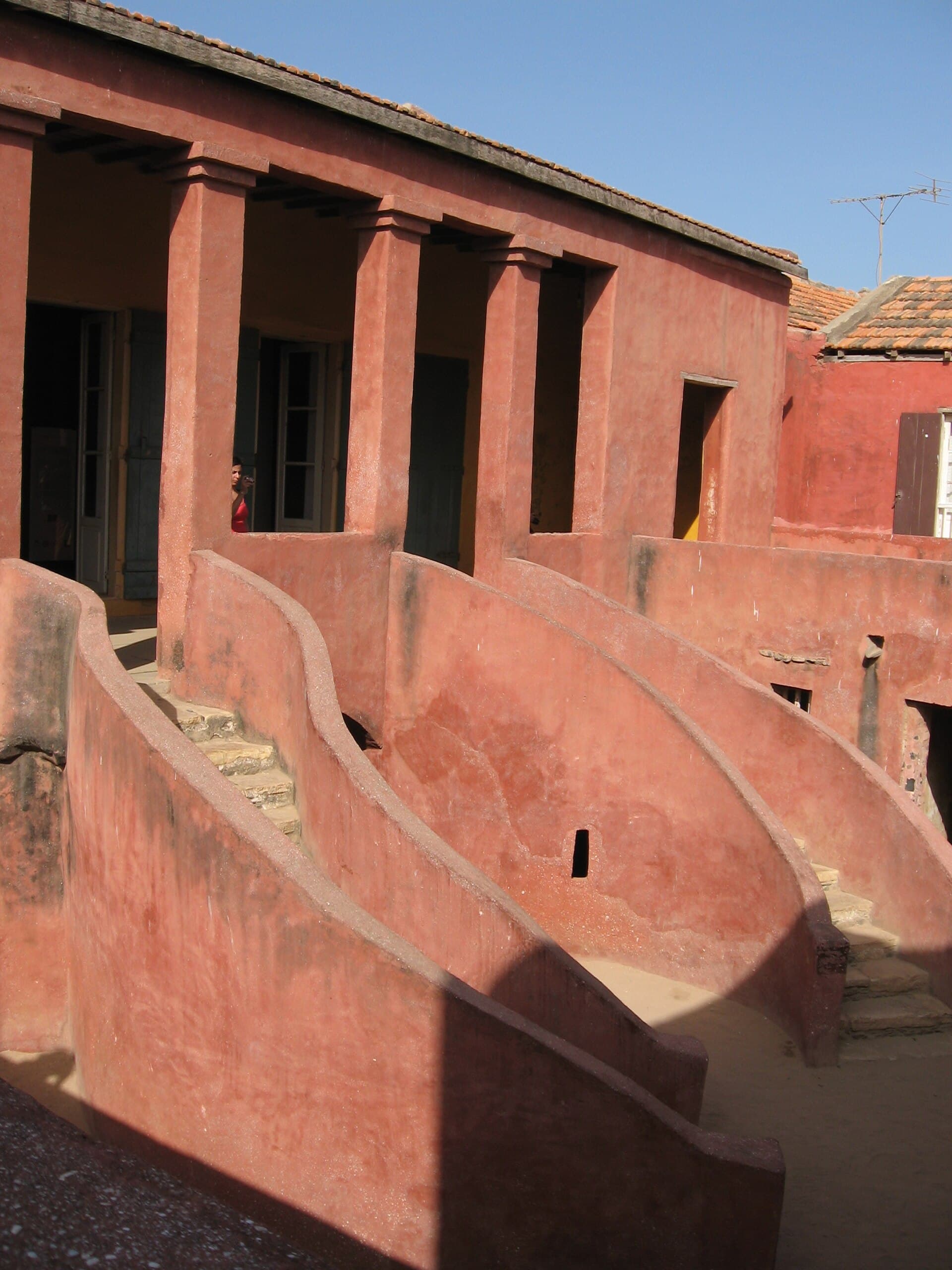
The Maison des Esclaves, or Slave House, and its museum are the main visitor attraction of Gorée, a small island off Dakar. UN Africa Renewal describes the island, a UNESCO World Heritage site, as a potent symbol of the transatlantic slave trade that embodies both the duty to remember and the difficulty of passing on a painful past. The island museum’s director and curator, Eloi Coly, says Gorée cannot be discussed without the slave trade and the colonial era, because both left their mark on its history.
What to experience
Visitors are taken through the house’s narrow alleys and rooms on guided tours, and the seaward ‘Door of No Return’ is its best-known feature. The museum is also changing how it tells the story: its curator says exhibitions are to give more room to the lives and cultures that existed before the slave trade, and a project under way aims to add tours in several languages and digital resources. Gorée’s architecture, by contrast, shows styles from Portuguese, French, Dutch and English occupations.
Planning a visit
Gorée is reached only by ferry and cars are not allowed; about 2,000 people live on the island, so the visit is to a memorial and to a neighbourhood. Allow time, and visit with the respect the history asks for. ATIP gives no figures for how many people were held or sent from the house, because the sources it reviewed do not provide verified numbers. ATIP has no recorded ferry times, fares, opening hours or admission: confirm them locally before you go.
In context
ATIP’s 3-day Dakar itinerary spends day 2 on Gorée Island: the House of Slaves, Fort d’Estrées and its museum, and the hilltop views of Le Castel.