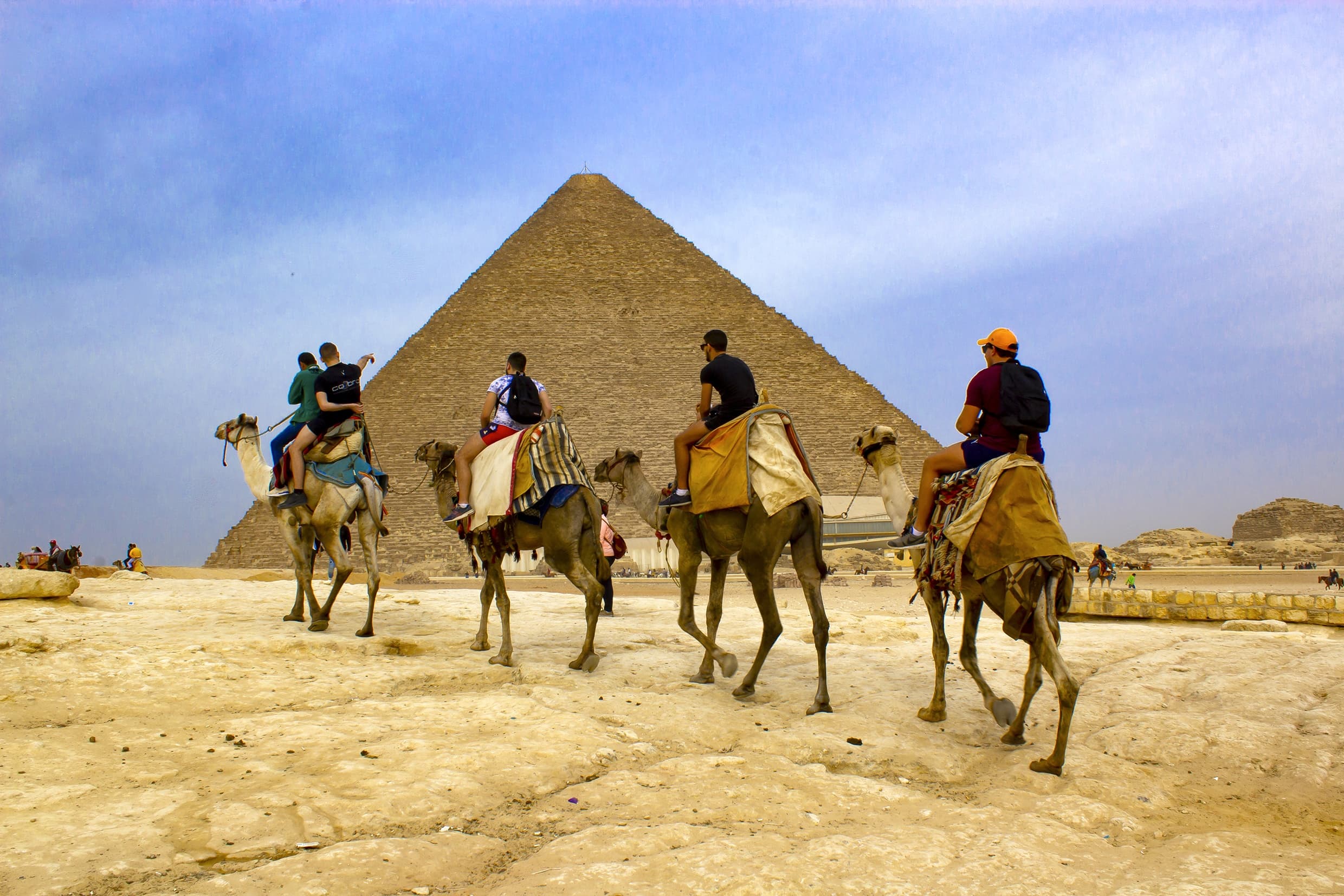
Pyramids of Giza
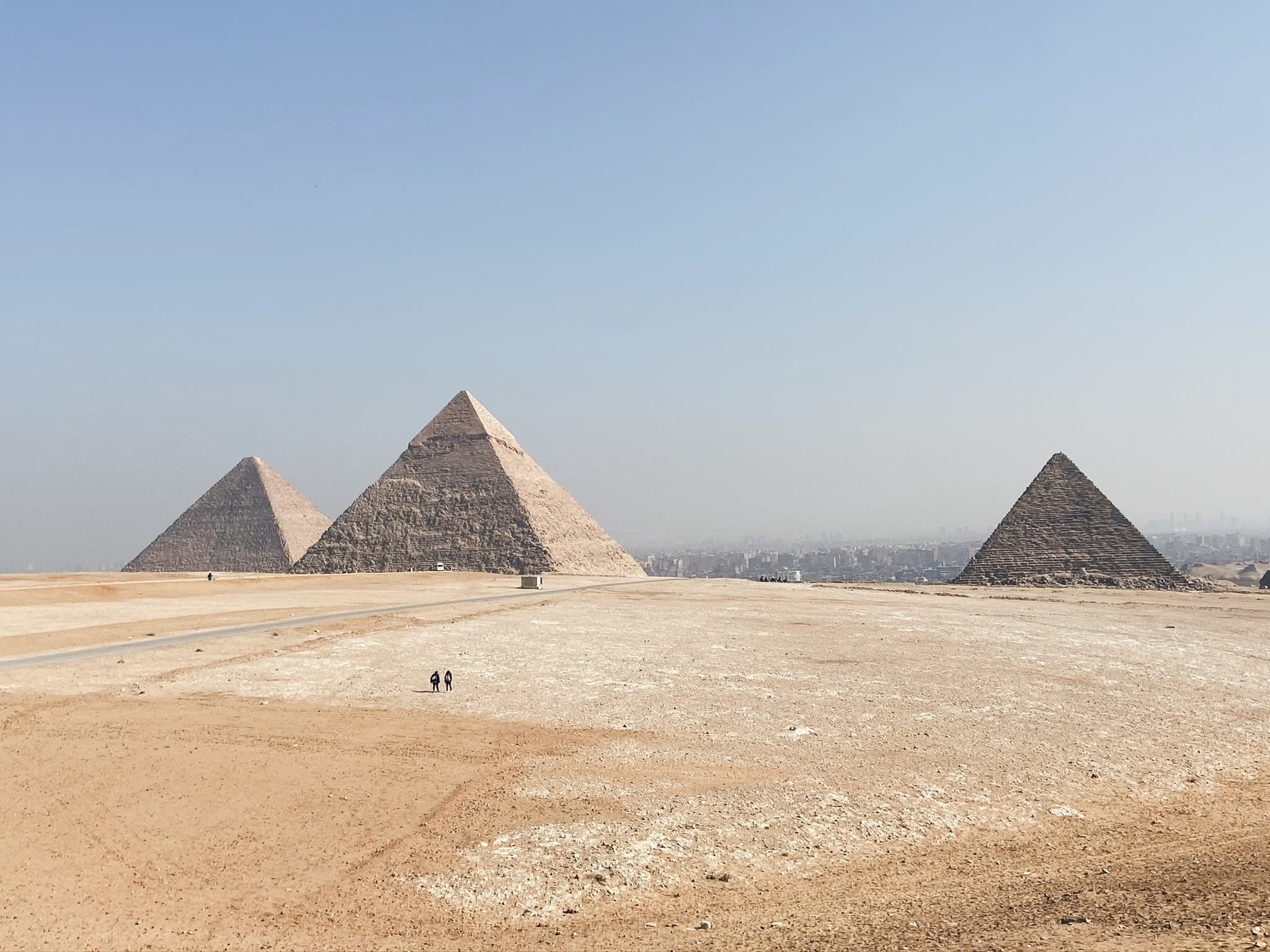
The Giza pyramid complex is a UNESCO World Heritage site on the edge of Cairo and Egypt's best-known ancient monument, with pyramids more than 4,500 years old.
A NEW PERSPECTIVE ON AFRICA EG
North African country renowned for its ancient monuments along the Nile, Red Sea coast, and desert landscapes.
Egypt pairs extraordinary ancient heritage—from Giza and Luxor to the Nile Valley—with Red Sea resorts, world-class diving and resort experiences along its eastern coast.
ATIP’s editorial analysis, drawn from ATIP’s own records and the official sources listed below. It is not first-hand travel experience and not a guarantee.
Country at a glance
From ATIP’s records
Egypt in ATIP’s guides is ancient monuments plus Red Sea: Cairo & Giza, Luxor, Aswan & Abu Simbel and Alexandria carry the heritage, Hurghada the coast. Recorded stays are Cairo & Giza three to four days, Luxor and Aswan two to three each; the milder months, roughly November to March, suit sightseeing, while the Red Sea stays a strong option much of the year.
ATIP’s editorial view
ATIP’s editorial view: Egypt separates naturally into a heritage trip (Cairo, Luxor, Aswan) and a beach or diving stay on the Red Sea; combining them is possible but each recorded stay is two to five days, so a one-week trip should favour one. Transfer and flight times between these places are not given here; see the entry note and confirm requirements with the Egyptian authorities. ATIP’s ready-made itineraries cover Cairo, Luxor and Aswan & Abu Simbel.
From ATIP’s records, with editorial advice
Cairo & Giza (three to four days recorded) is a large metropolitan area where travel times can be significant, so plan Giza and distant sights with dedicated road transport. Luxor is split by the Nile into East and West Banks and Aswan & Abu Simbel (two to three days) uses boats and local road transport, with Abu Simbel a separate long excursion; on the Red Sea, Hurghada and Sharm al-Sheikh are long coastal strips served by hotel transfers and arranged transport.
From government travel advice
UK government travel advice: Egypt is predominantly Islamic, so dress modestly, especially in rural areas, mosques and souqs; couples showing physical affection in public is frowned upon, and behaviour accepted in resort areas may not be accepted elsewhere. During Ramadan it is culturally insensitive to eat, drink or smoke in public by day; police check ID regularly, so keep your passport details to hand.
Confirm before you travel
UK government travel advice (written for British passport holders; other nationalities can differ): British passport holders normally need a visa, which can be applied for online in advance (an e-visa) or bought on arrival at approved airports; a short visa-free stay is described only for resorts in the Sharm el-Sheikh area. Your passport must be valid six months beyond arrival, and the advice warns that you do not need to pay an agent at the airport. Confirm current rules with the Egyptian authorities before you travel.
ATIP’s destination records give the families fit tag to: Cairo & Giza, Alexandria and Hurghada. This is ATIP’s editorial traveller-fit tag, not an age, safety or health assessment: check activity requirements, health advice and entry rules for children with providers and official sources.
Sources read November 2026.
Reviewed October 2026.
Loading live travel advice…
Rules depend on your passport.
Check requirementsTravel requirements can change. Confirm current entry and health requirements with official sources before you travel.
Finding places to explore…
The Giza pyramid complex is a UNESCO World Heritage site on the edge of Cairo and Egypt's best-known ancient monument, with pyramids more than 4,500 years old.
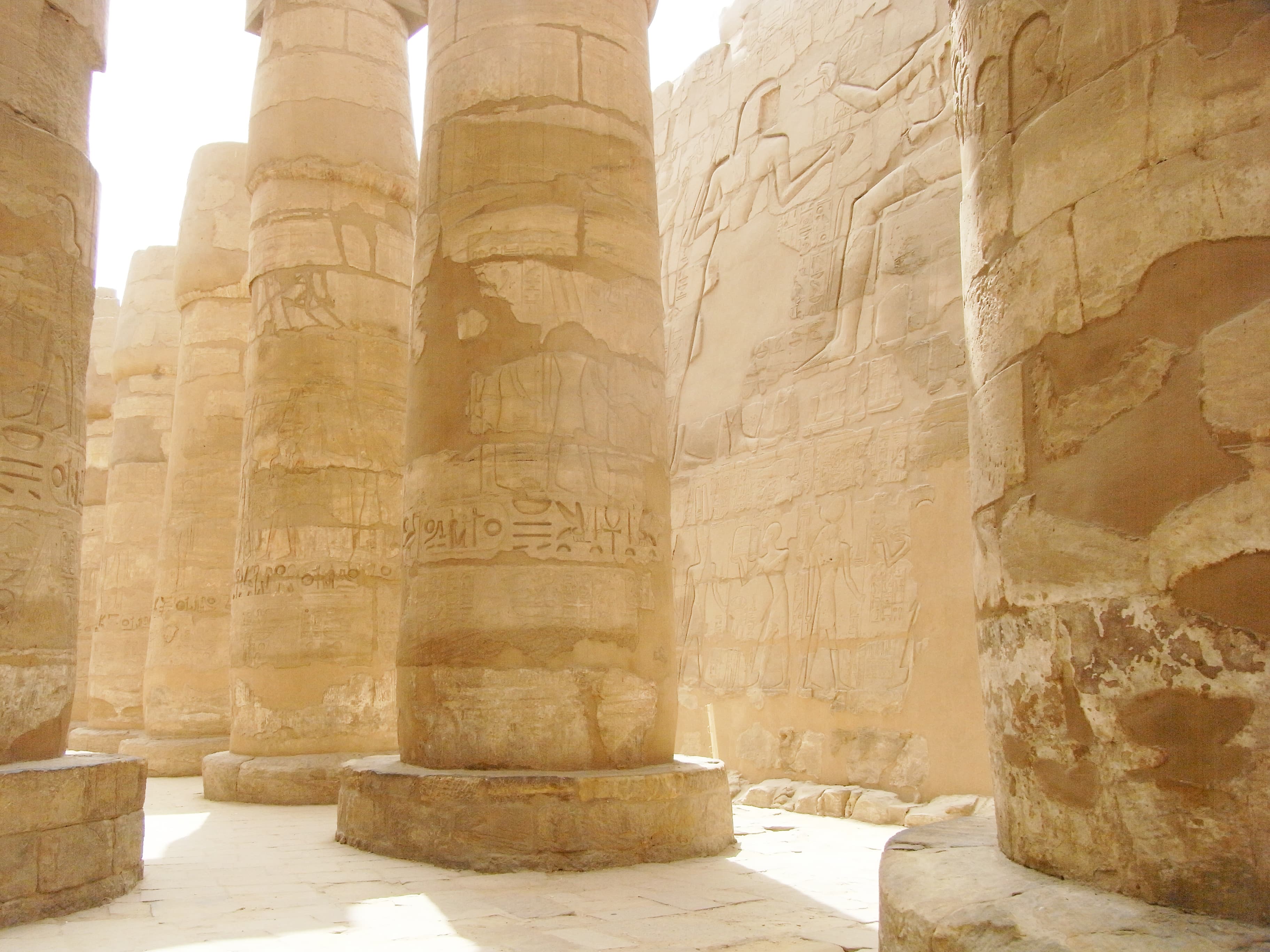
A vast temple complex on the Nile at Luxor, built and extended over many centuries and known for its great hypostyle hall.
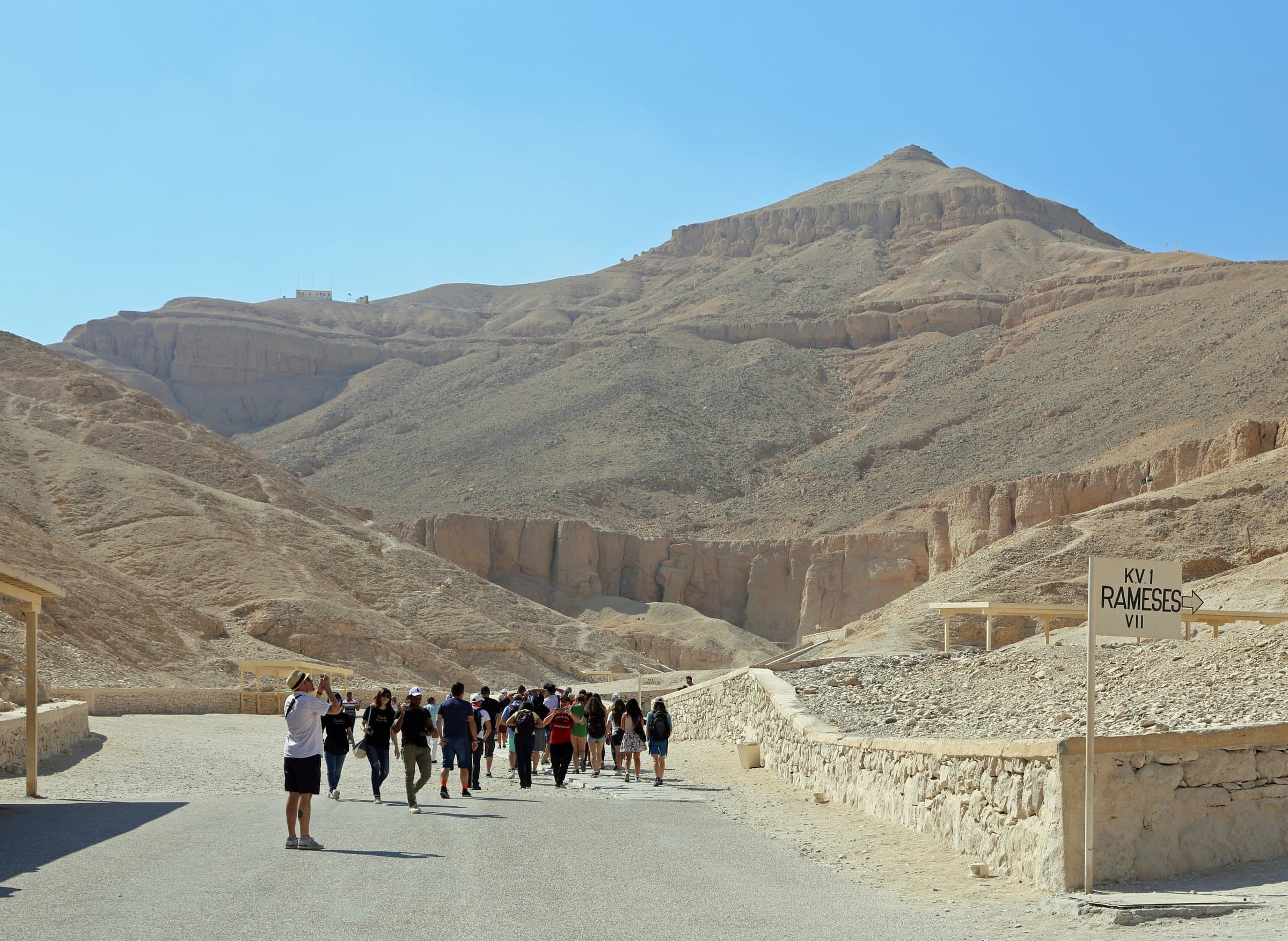
The UNESCO-listed royal burial ground on the Nile's west bank, where pharaohs and powerful nobles were entombed for nearly 500 years, including Tutankhamun.
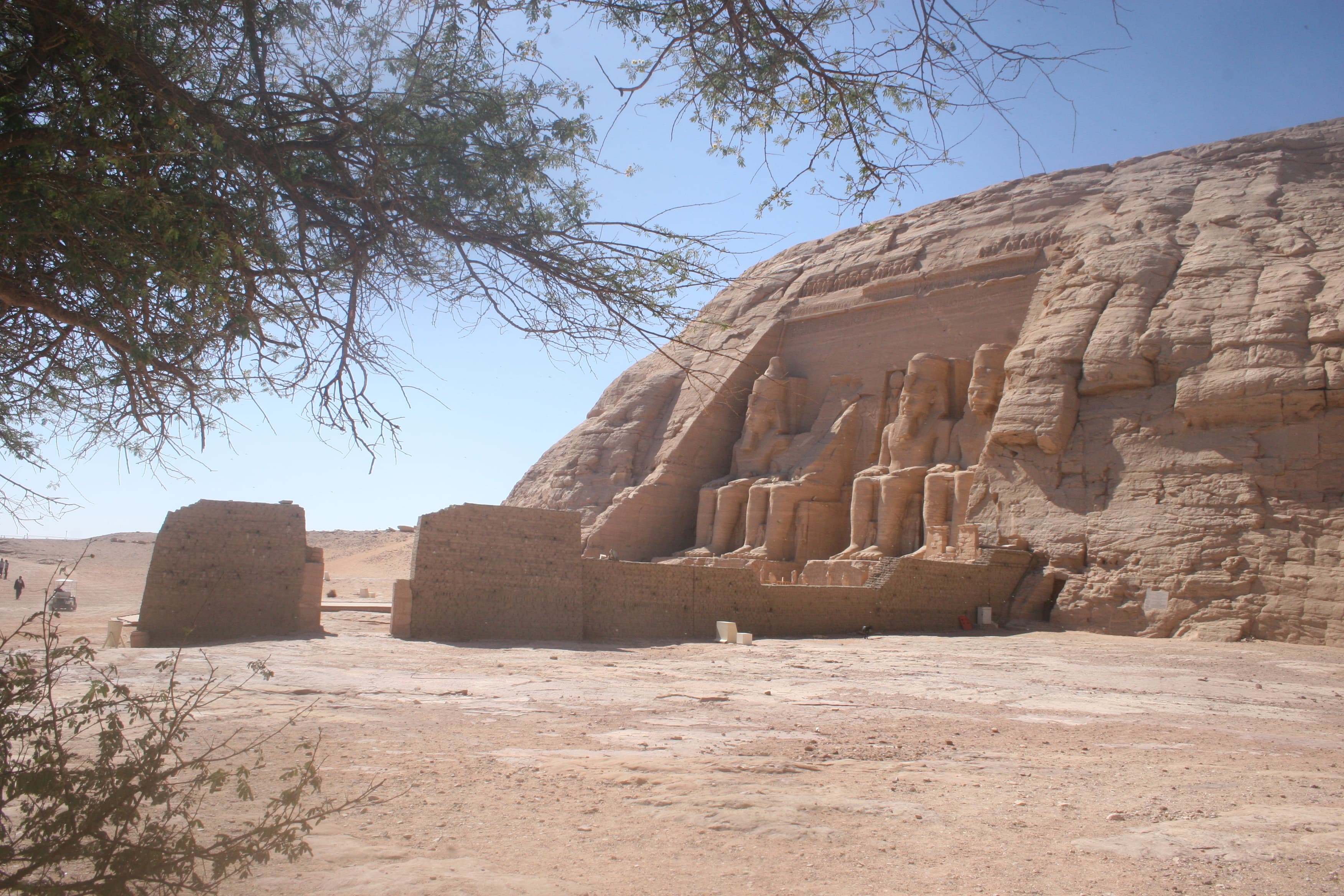
Two rock-cut temples at Abu Simbel. The Great Temple was commissioned by Ramesses II, and four seated colossal statues dominate its façade; the Small Temple is dedicated to Hathor and Queen Nefertari. Both temples were relocated through a UNESCO-led international effort, and the site was inscribed as a World Heritage site in 1979.
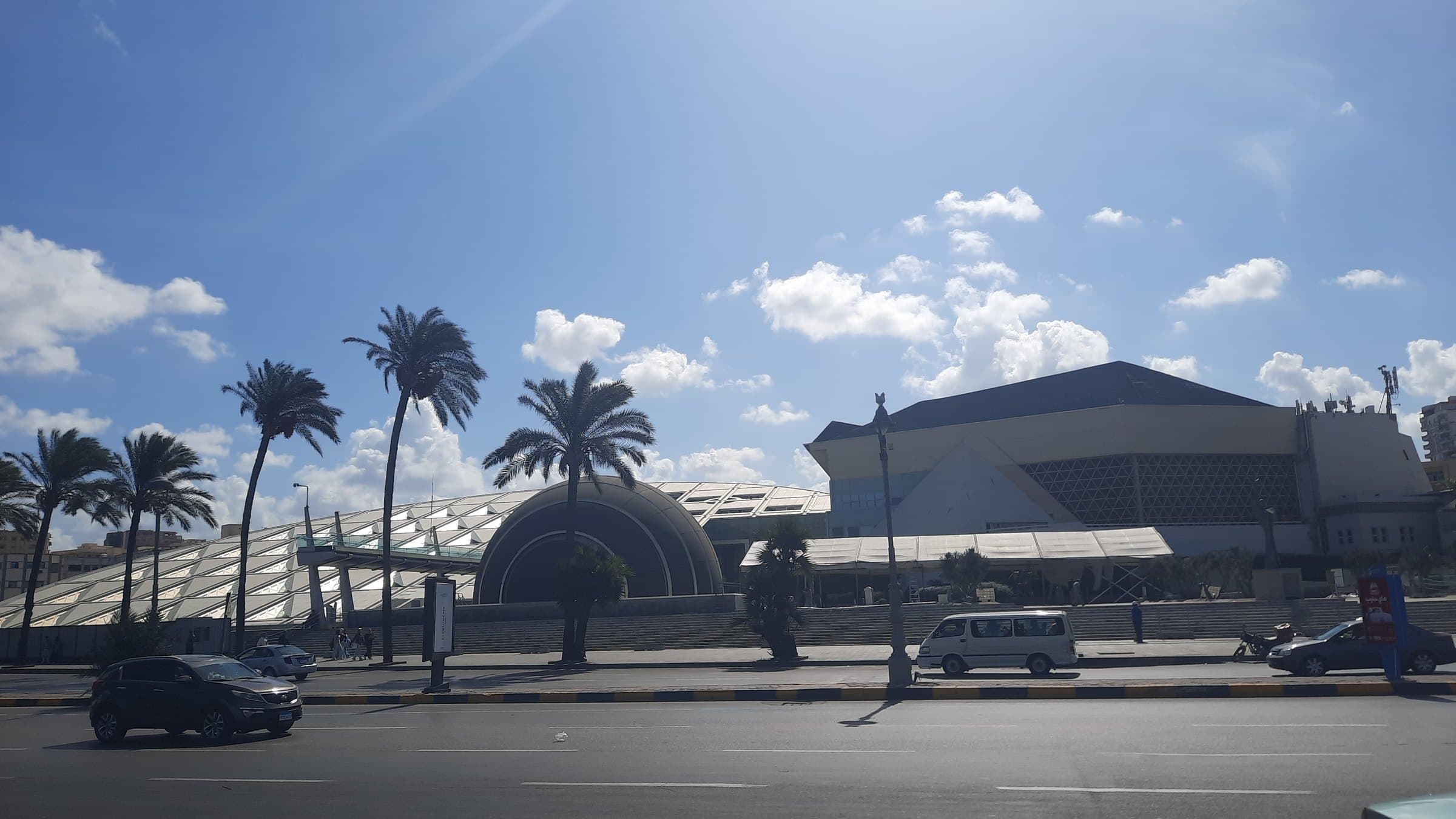
A modern library and cultural complex on the Mediterranean waterfront, built to commemorate the ancient Library of Alexandria and inaugurated in October 2002.
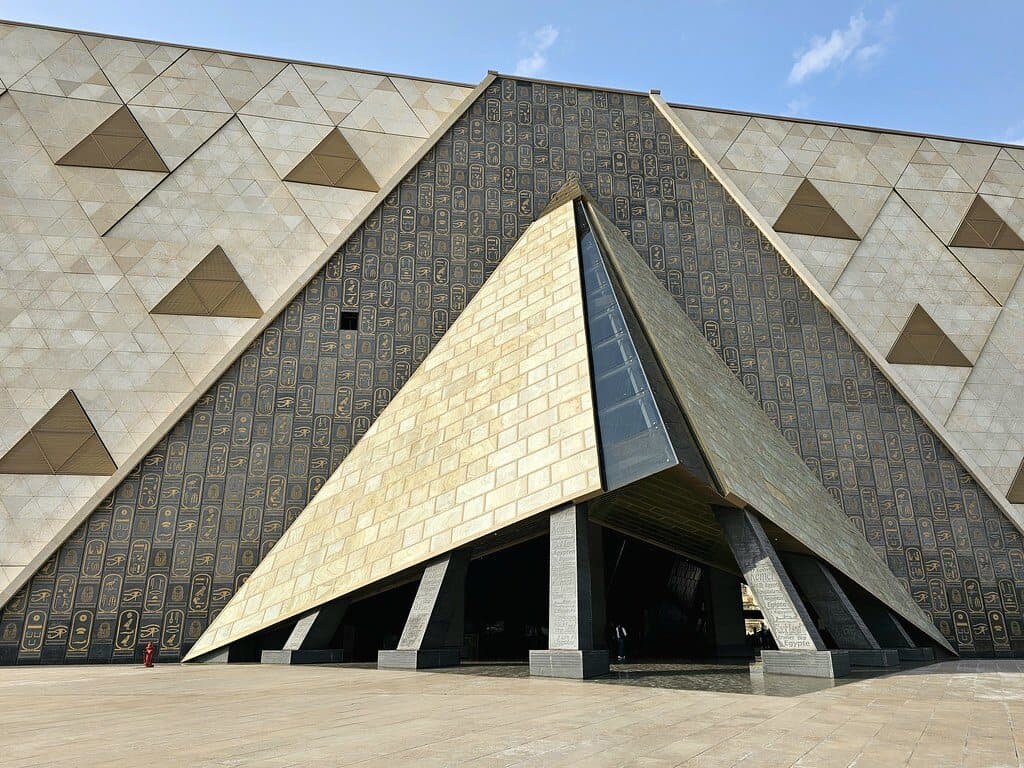
A large archaeological museum beside the Giza plateau, with galleries of ancient Egyptian artefacts including the Tutankhamun collection; the museum opened on 1 November 2025.
FEATURED HOTELS
Hotel listings in Egypt from our travel-data partner. These are catalogue entries, not live availability — use “Check live rates” on a hotel for prices and availability.
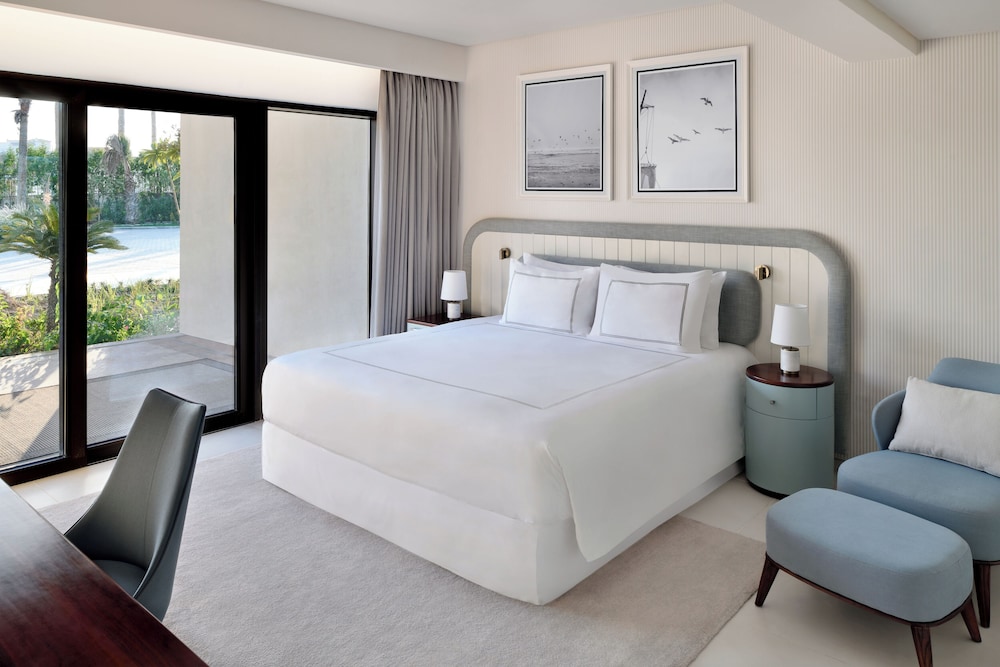
Kilo 129, Matrouh Road, El Alamein
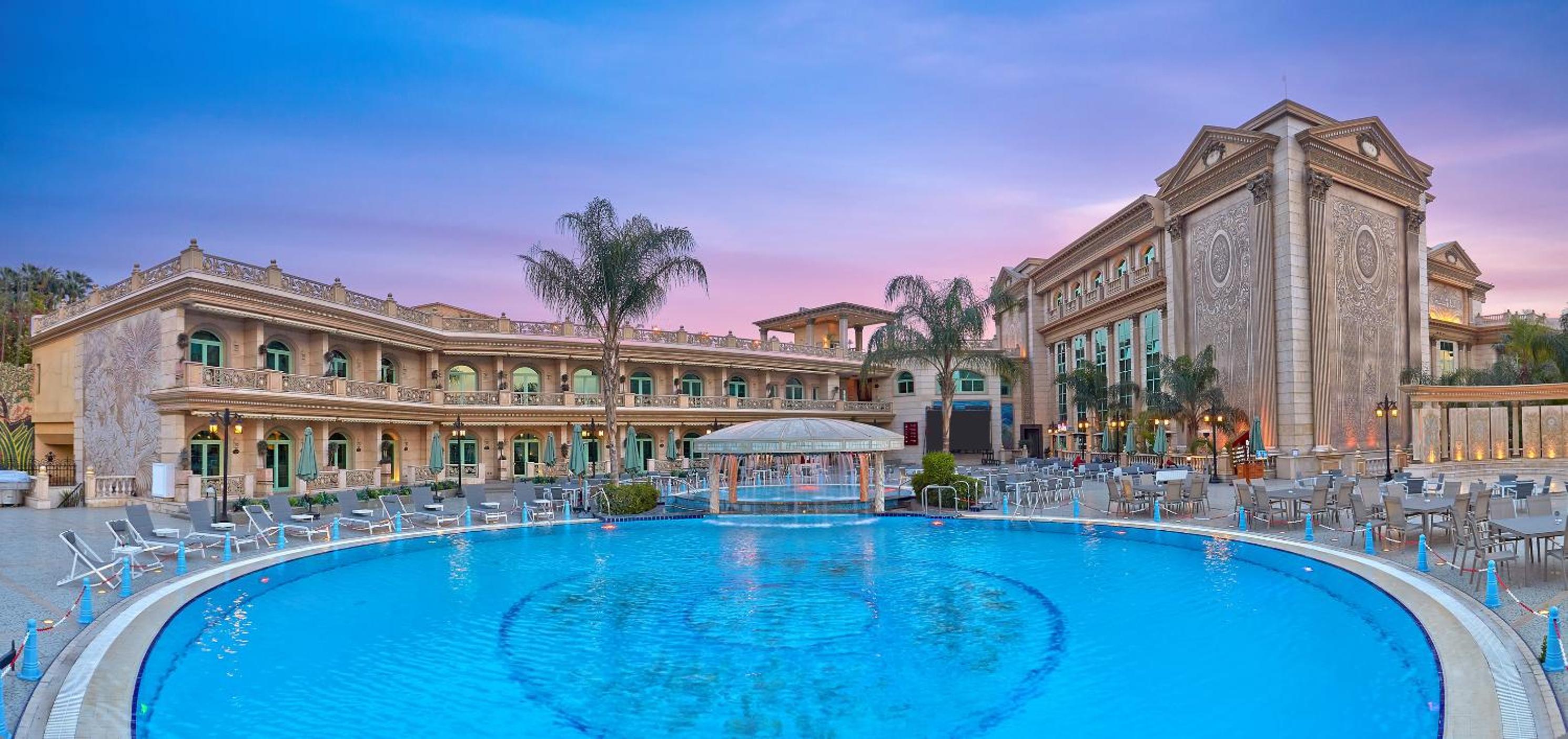
Gameat Al Azhar, Qesm Than Madinet Nasr,, Cairo

Nabq Bay - South Sinai, Sharm El Sheikh

Ras Nasrani, South Sinai, Sharm El Sheikh
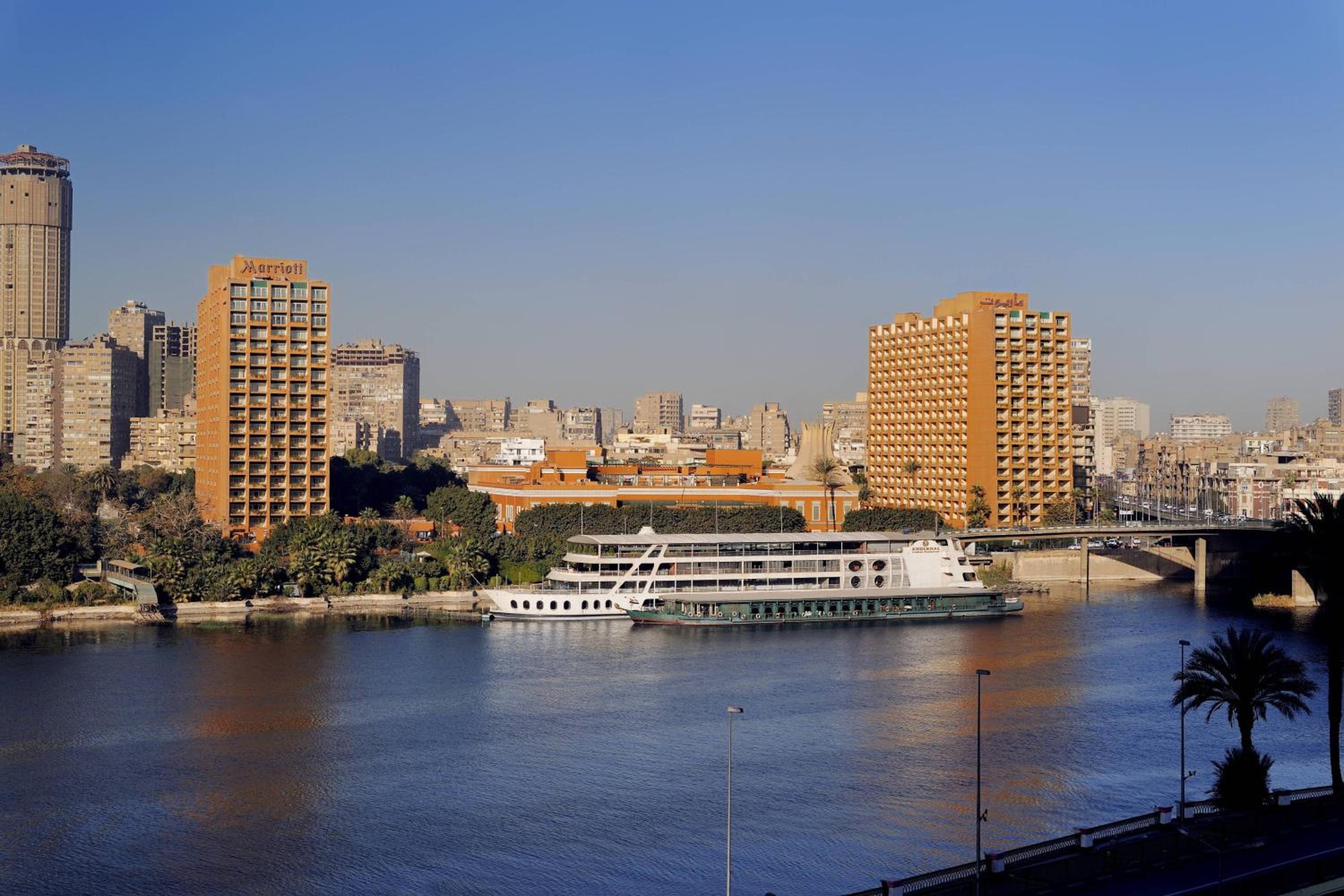
16 Saray El Gezira, Cairo
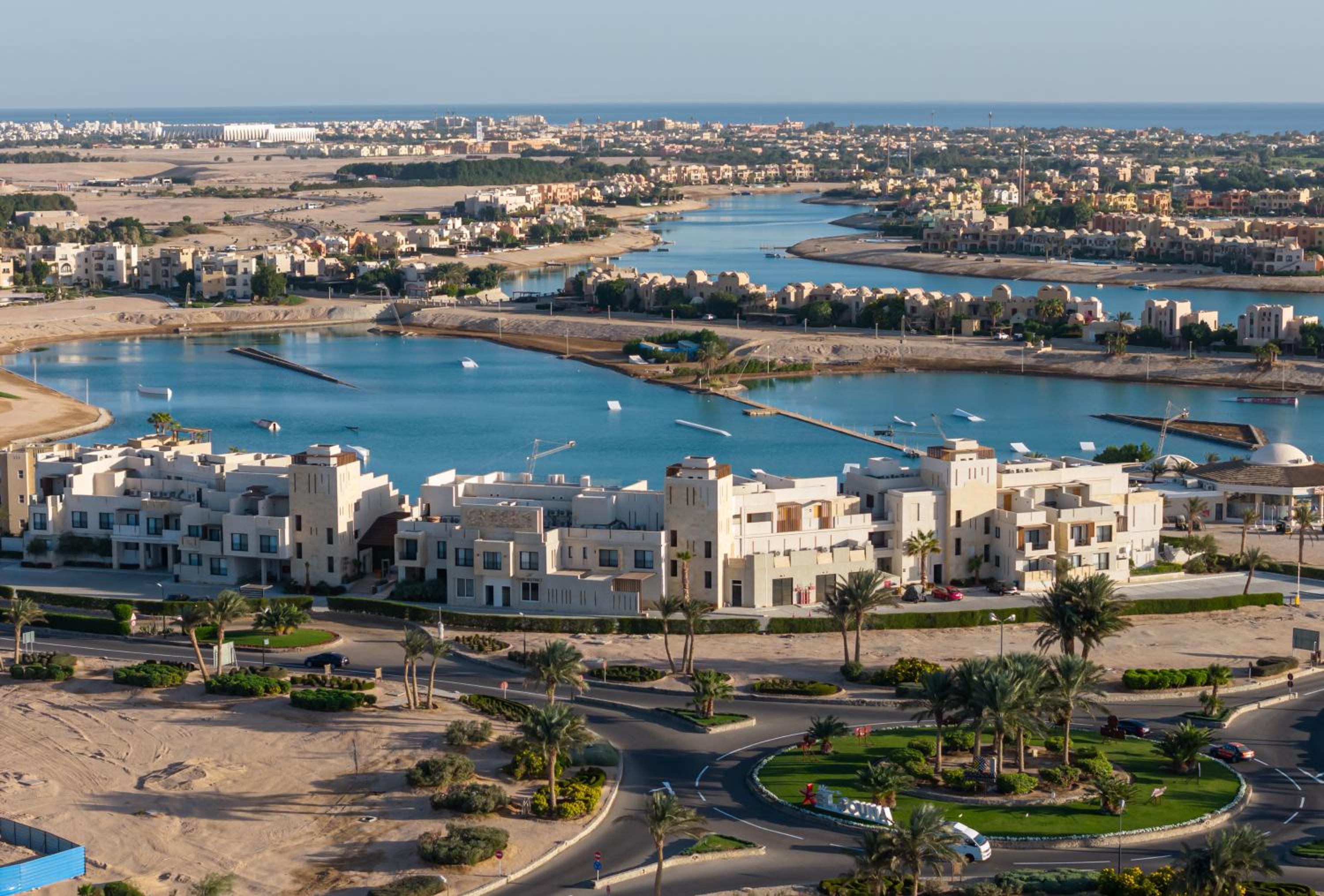
El Gouna Entrance, Hurghada
MORE STAYS
Live provider availability across Egypt. Select a stay to confirm its price, then continue to book.
Written and maintained by the Africa Travel Intelligence Platform (ATIP) editorial team, using only places and records ATIP has reviewed. Facts we have not verified, such as opening hours, prices and schedules, are left out rather than guessed.
Read about ATIP’s general editorial approach It describes how ATIP works in general and does not verify individual guides.
YOUR NEXT CHAPTER
Start with the places that speak to you. ATIP planning tools can help bring your interests, destinations and travel information together.
Search flights to AfricaCompare hotel rates for your datesExplore tours and activities in Africa
FCDO travel advice for Egypt. Includes safety and security, insurance, entry requirements and legal differences.
UK FCDO · Last updated October 27, 2026 · Retrieved just now
View official adviceContains public sector information licensed under the Open Government Licence v3.0.
Travel advice can change. Review the official source before making travel decisions.
Egypt can be visited year-round. The milder months from roughly November to March are especially comfortable for archaeological sightseeing, while the Red Sea coast remains a strong option across much of the year.
Entry and visa requirements vary by nationality and change periodically. Confirm current requirements with Egypt's official diplomatic channels or your own government's travel advisory before departure.
Language: Arabic. Currency: Egyptian pound.
ATIP’s main destination guides for Egypt are Cairo & Giza, Luxor, Aswan & Abu Simbel, Alexandria, and Hurghada.
ATIP’s editorial guidance suggests Cairo & Giza (3–4 days), Luxor (2–3 days), Aswan & Abu Simbel (2–3 days), Alexandria (1–2 days), and Hurghada (3–5 days). These are recommendations, not minimum stays; allow extra time to travel between places.
ATIP’s editorial review groups the main destinations by traveller interest: Culture: Cairo & Giza, Luxor, Aswan & Abu Simbel, and Alexandria; History: Cairo & Giza, Luxor, Aswan & Abu Simbel, and Alexandria; Adventure: Hurghada; Nature: Aswan & Abu Simbel and Hurghada; Photography: Cairo & Giza, Luxor, Aswan & Abu Simbel, and Alexandria. Open each destination guide for the details.
Yes: 3 Days in Cairo, 2 Days in Luxor, and Aswan & Abu Simbel guide. Each sets out its places with the sources behind them.
ATIP’s guide to Egypt covers 7 destinations. The main ones are compared below by type of place, who they suit, the suggested stay and the best time recorded for each; anything ATIP has not recorded is left out.
At ATIP’s suggested stays, the 5 destinations above that carry a duration add up to 11–17 days before any travel between them, which ATIP does not time. Choose the places that match your interests rather than trying to cover them all.
A paced 3-day Cairo and Giza itinerary: the Pyramids of Giza, the Grand Egyptian Museum and the Khan el-Khalili bazaar, one anchor per day.
A paced 2-day Luxor itinerary: the Karnak Temple Complex and the Valley of the Kings on the Nile’s west bank, one anchor per day.
A heritage guide to Aswan and Abu Simbel: the Nubia Museum and Unfinished Obelisk in Aswan, Philae and Kalabsha as separate island visits, and Abu Simbel as a separate excursion.
PLACES THAT BRING A COUNTRY TO LIFE
Discover the places in our Egypt collection, from everyday city life to landscapes and cultural connections.
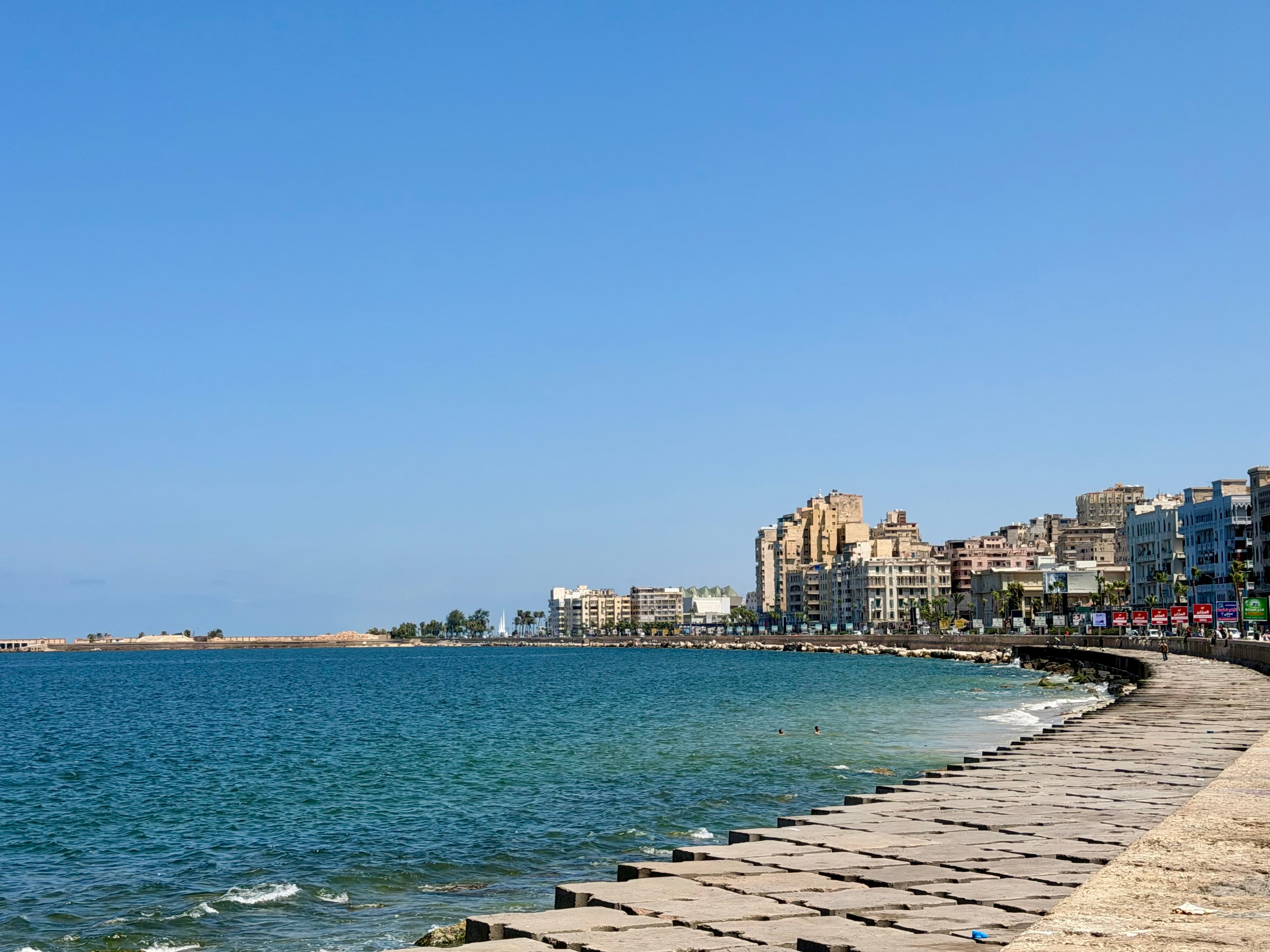 City
Egypt’s Mediterranean metropolis blends Graeco-Roman heritage, cosmopolitan history, waterfront life, seafood culture and the modern Bibliotheca Alexandrina.
Explore destinationCultural AreaAswan combines tranquil Nile scenery, Nubian culture and island temples, while Abu Simbel adds one of southern Egypt’s most monumental archaeological experiences.
Explore destinationCityEgypt’s capital region brings together the Pyramids of Giza, historic Islamic and Coptic neighborhoods, major museums, Nile life and a vibrant contemporary metropolis.
Explore destination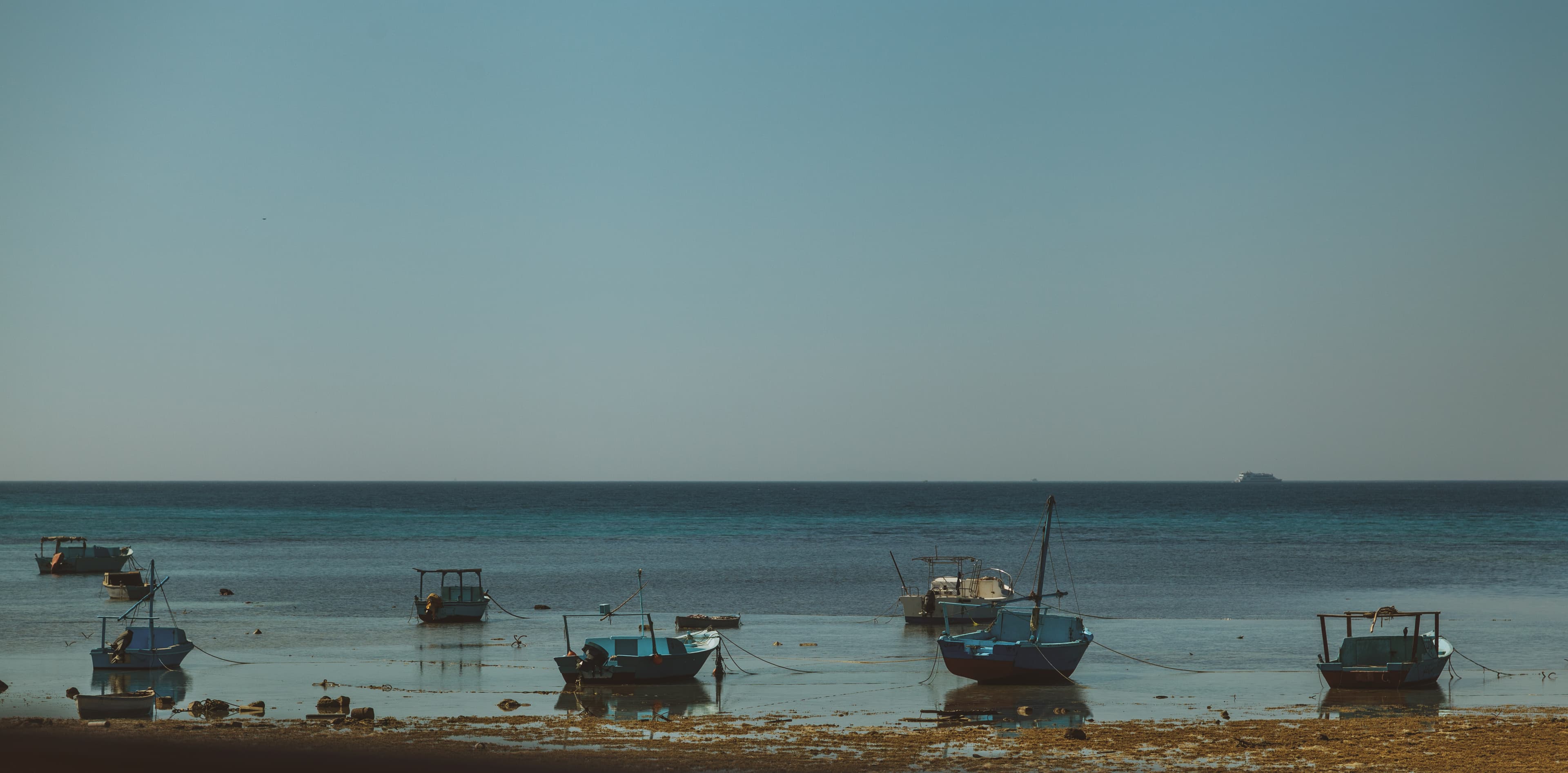 Beach
A Red Sea resort destination known for long beaches, clear water, coral reefs, island excursions, diving, water sports and a broad range of resort experiences.
Explore destinationCityA Nile-side city at the heart of ancient Thebes, Luxor is home to Karnak and Luxor temples, the Valley of the Kings and some of Egypt’s most celebrated archaeological sites.
Explore destination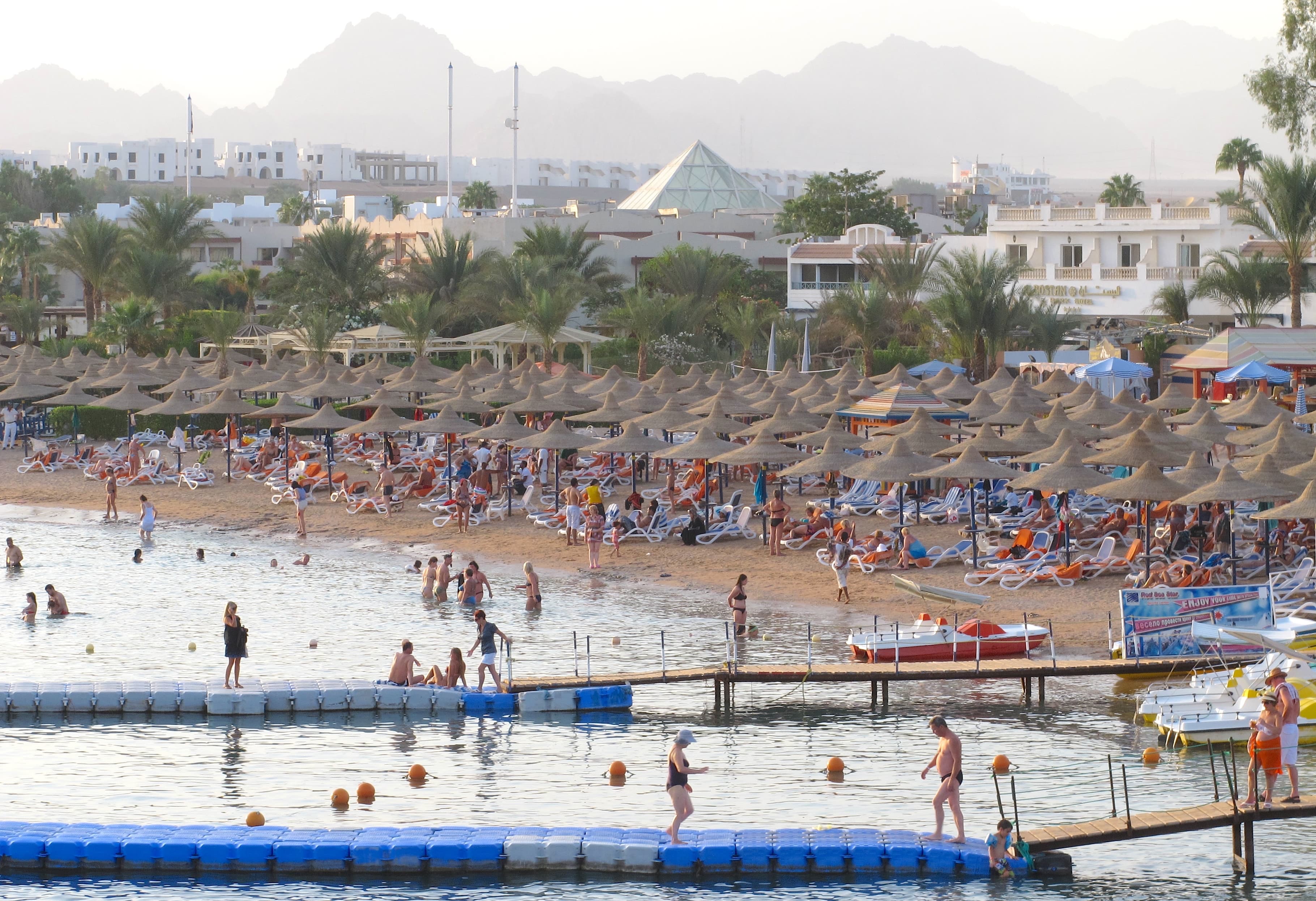 Beach
A major Red Sea resort on the Sinai Peninsula, Sharm al-Sheikh combines upscale hotels, beaches, coral reefs, diving, snorkeling and access to protected desert and marine landscapes.
Explore destination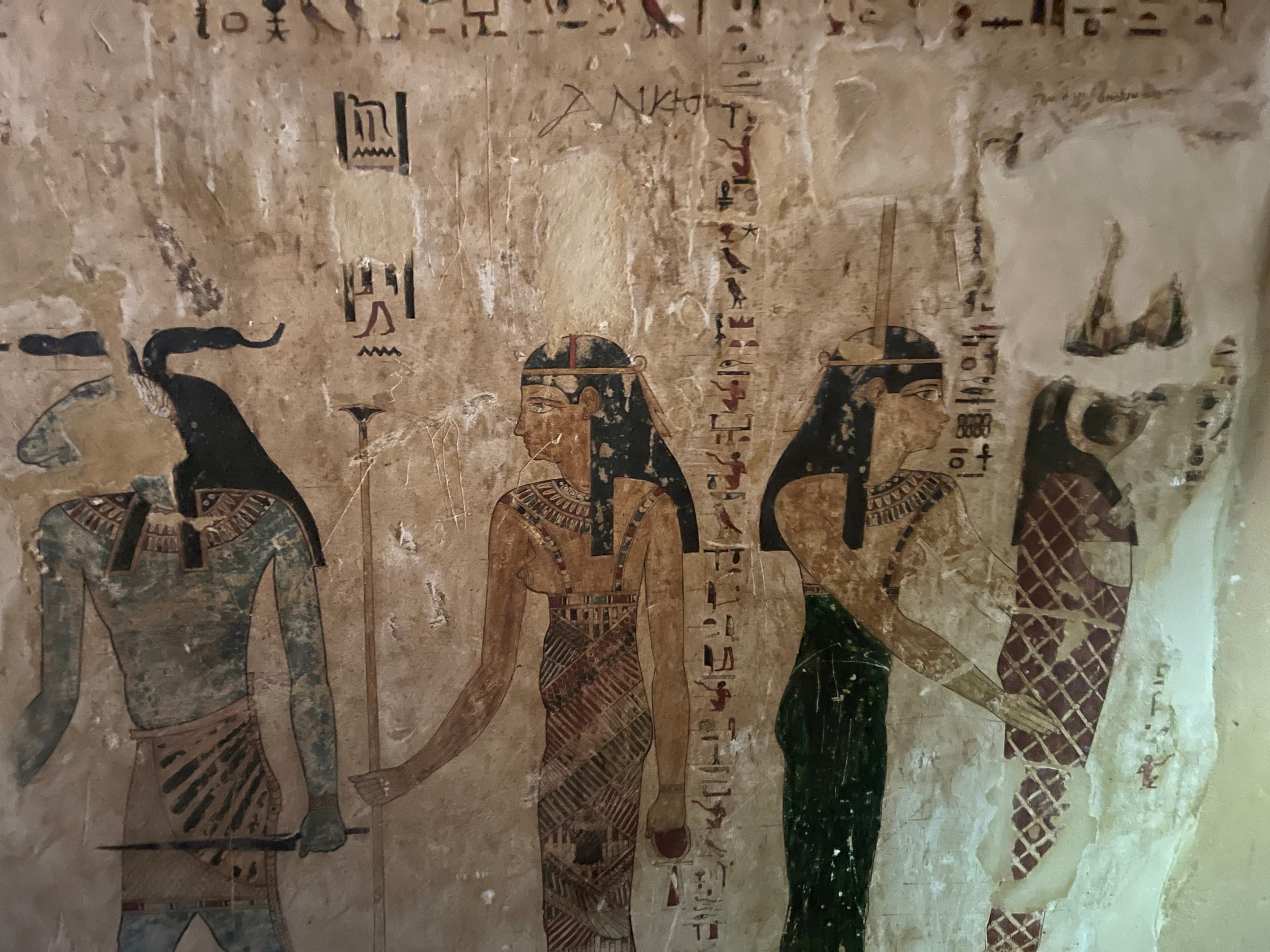 Desert
A remote Western Desert oasis known for palm groves, salt lakes, desert landscapes, archaeological sites and a distinctive local Amazigh cultural heritage.
Explore destinationFOLLOW YOUR CURIOSITY
Select a kind of place or an interest to filter the destinations above.