ITINERARY · SOUTH AFRICA
4 Days in Cape Town: Table Mountain, Robben Island & the Winelands
Four days that pair Cape Town’s three headline places with one flexible day in the Winelands: Table Mountain, Robben Island and Kirstenbosch, then Stellenbosch. ATIP’s destination guidance suggests four to six days for Cape Town, so this is the shorter end of that range. It uses only places ATIP has reviewed. We have not verified opening hours, ticket fees, transport schedules or travel times, so none are given: confirm them before you go. An optional city-centre alternative adds Bo-Kaap and the Castle of Good Hope.
The itinerary at a glance
- Day 1 — Table Mountain
- Day 2 — Robben Island
- Day 3 — Kirstenbosch National Botanical Garden
- Day 4 — Stellenbosch & Cape Winelands
- Option — City centre: Bo-Kaap & Castle of Good Hope
- Best for
- Landscape, history and gardens
- Season
- November to March is generally suggested for summer-focused visits (ATIP editorial guidance); October to April suits the Winelands
- Getting around
- Ride-hailing and rental cars are widely used, and a bus rapid transit system serves central Cape Town, the V&A Waterfront and the Atlantic Seaboard. For the Winelands, arrange suitable transfers or an organised excursion.
Day 1
Table Mountain
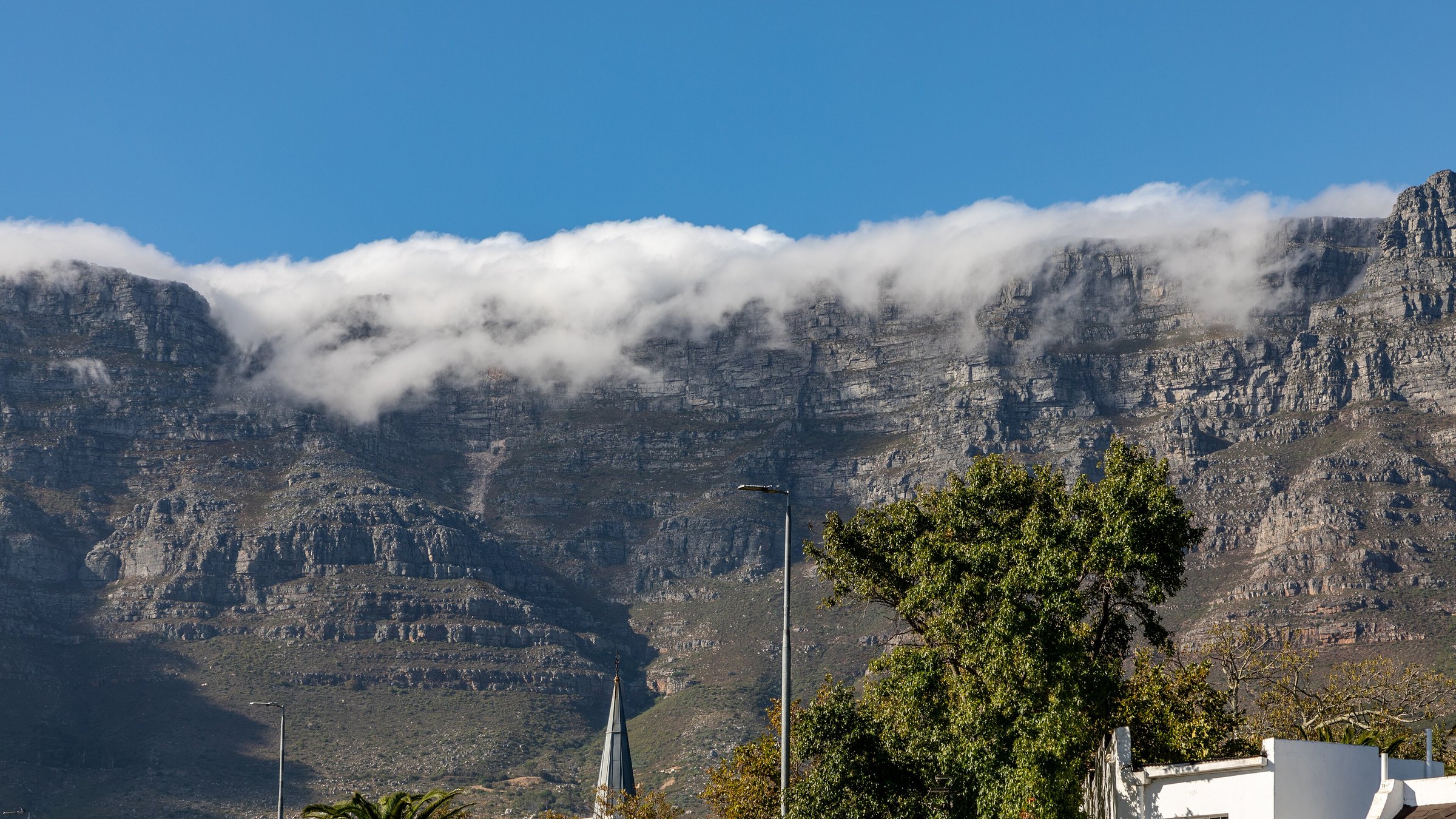
Begin with the city’s signature landmark: the flat-topped mountain above Cape Town, part of Table Mountain National Park, reached by cable car or on foot, with views over the city and harbour.
Table Mountain
Photo: Dietmar Rabich · CC BY-SA 4.0 · Source The flat-topped mountain above Cape Town, part of Table Mountain National Park, reached by cable car or on foot, with views over the city and harbour.
Plan mountain and coastal excursions according to local weather and keep this day flexible. Check cable-car access directly with its operator.
Day 2
Robben Island
Cross to a former prison island off Cape Town where Nelson Mandela was held, now a UNESCO World Heritage site and museum.
Robben Island
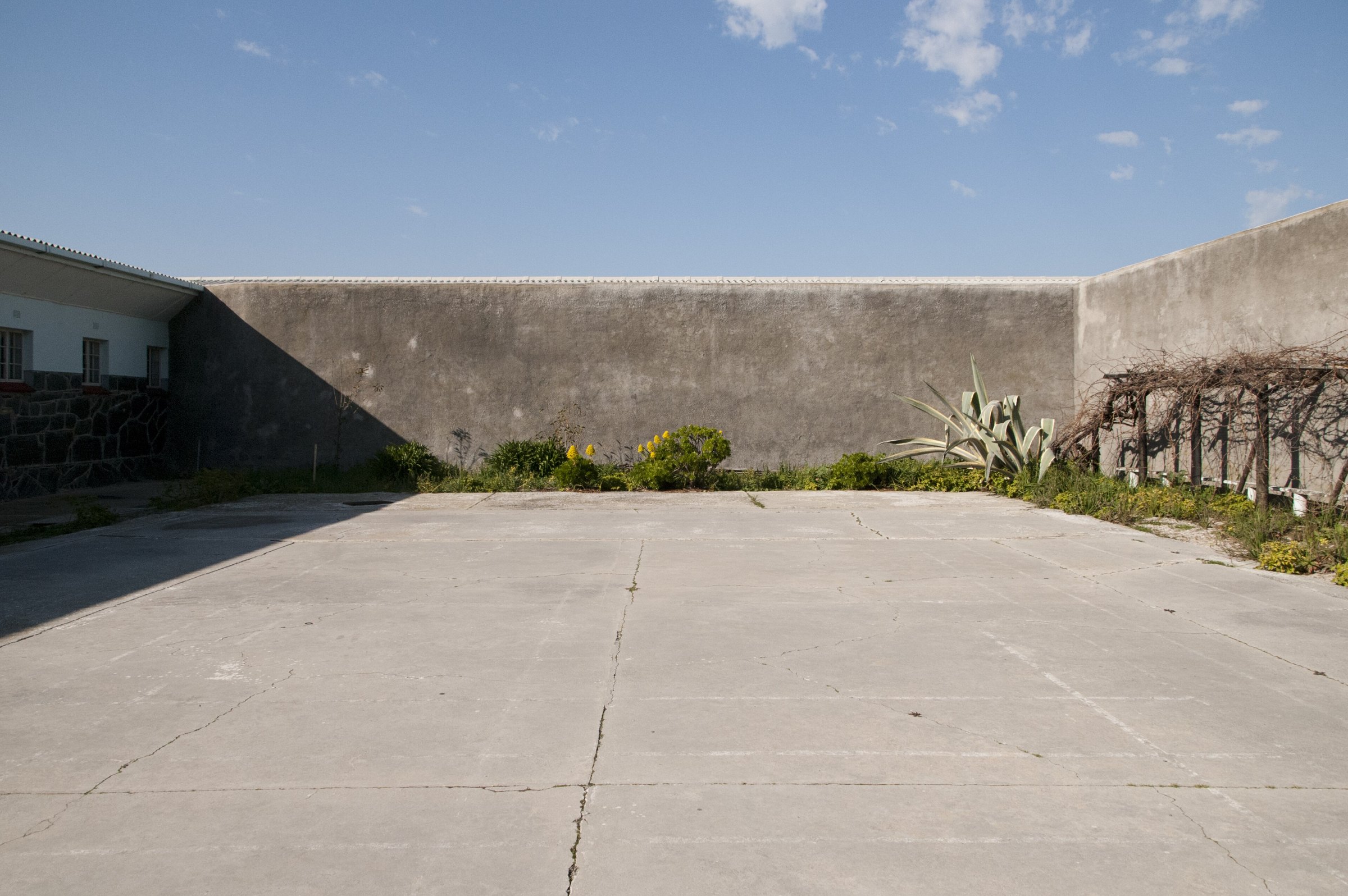
Photo: Moheen Reeyad · CC BY-SA 4.0 · Source A former prison island off Cape Town where Nelson Mandela was held, now a UNESCO World Heritage site and museum.
Plan the day around the island visit and check current departure and booking arrangements directly before you travel.
Day 3
Kirstenbosch National Botanical Garden
Walk a botanical garden on the eastern slopes of Table Mountain, presented by its SANBI page as one of the great botanic gardens of the world, with a Tree Canopy Walkway among its listed tours.
Kirstenbosch National Botanical Garden
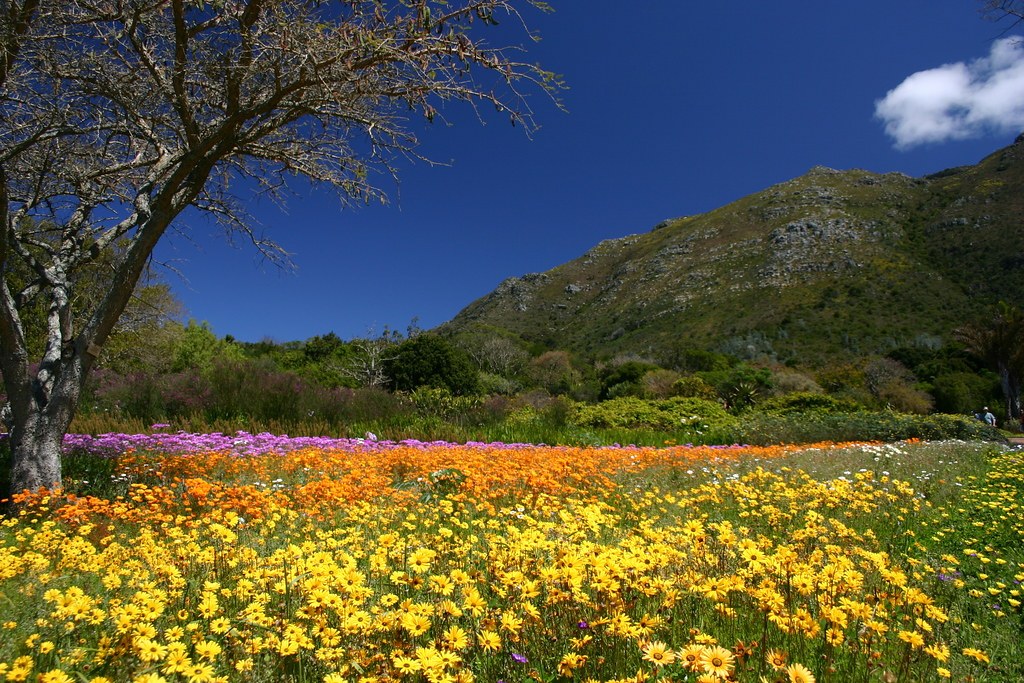
Photo: Derek Keats · CC BY 2.0 · Source A botanical garden on the eastern slopes of Cape Town's Table Mountain, which its SANBI page presents as one of the great botanic gardens of the world. A Tree Canopy Walkway is listed among its tours.
A gentler day after the mountain and the island, and a good one to let the pace drop.
Day 4
Stellenbosch & Cape Winelands
Stellenbosch is a historic university town surrounded by the vineyards and mountain scenery of the Cape Winelands, with oak-lined streets, galleries and a celebrated culinary culture. ATIP has reviewed it as a destination rather than place by place, so treat this day as a flexible outing.
View Stellenbosch & Cape Winelands on ATIP
Choose responsible transport for wine estates, confirm estate bookings, tasting arrangements and restaurant opening times directly, and include heritage and cultural visits alongside any tastings.
Option
In the city centre: Bo-Kaap and the Castle of Good Hope
For an urban-heritage alternative to a nature day, or as an add-on, stay in the city: Bo-Kaap, a small residential area above the central business district, and the 17th-century bastion fort of the Castle of Good Hope.
Bo-Kaap
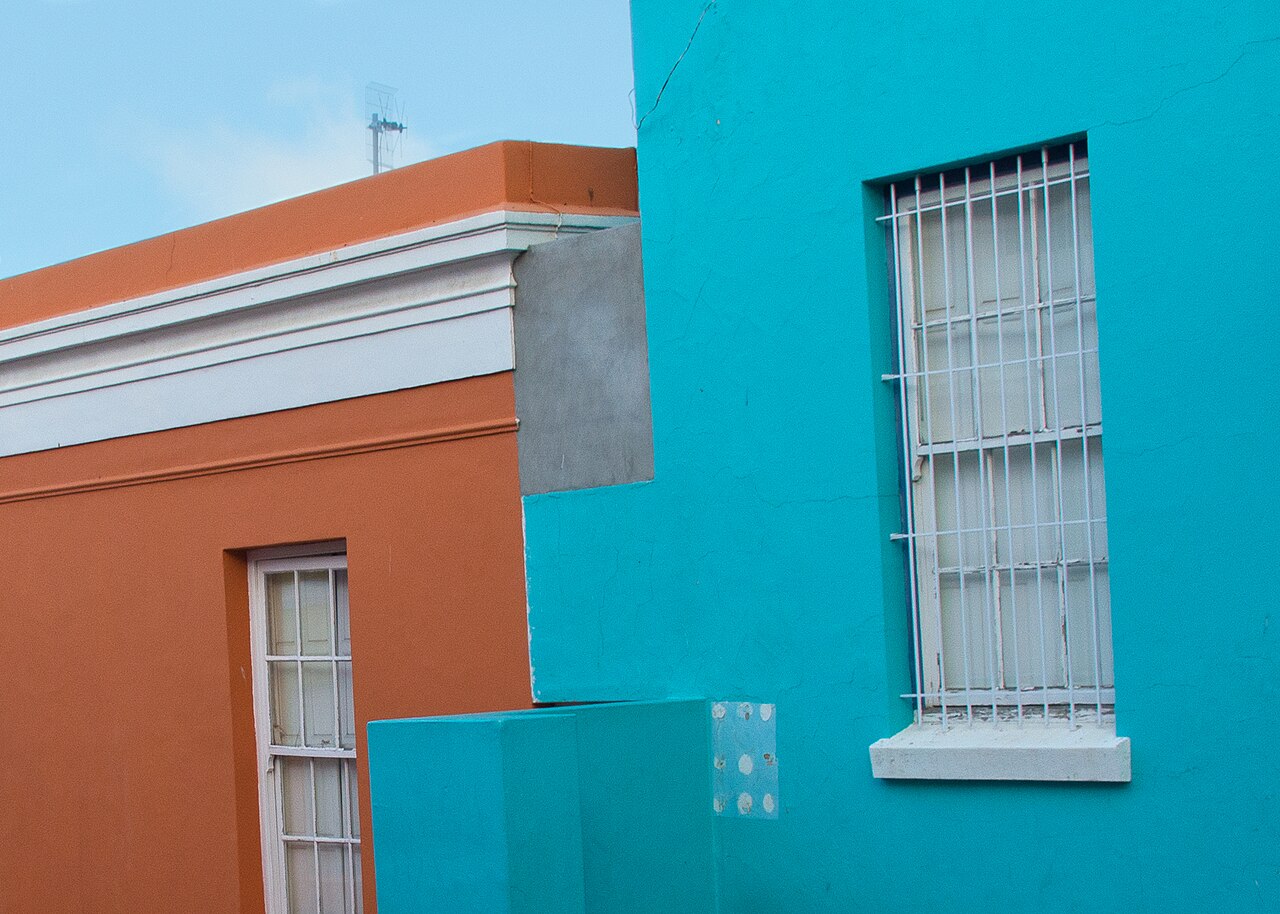
Photo: Barry Haynes · CC BY-SA 4.0 · Source A small residential area above Cape Town's central business district, known over the years as the Malay Quarter, the Slamse Buurt and Schotcheskloof. Its earliest development, which became known as Waalendorp, was undertaken by Jan de Waal in the 1760s, and colourful single- and double-storey houses line its streets.
Castle of Good Hope
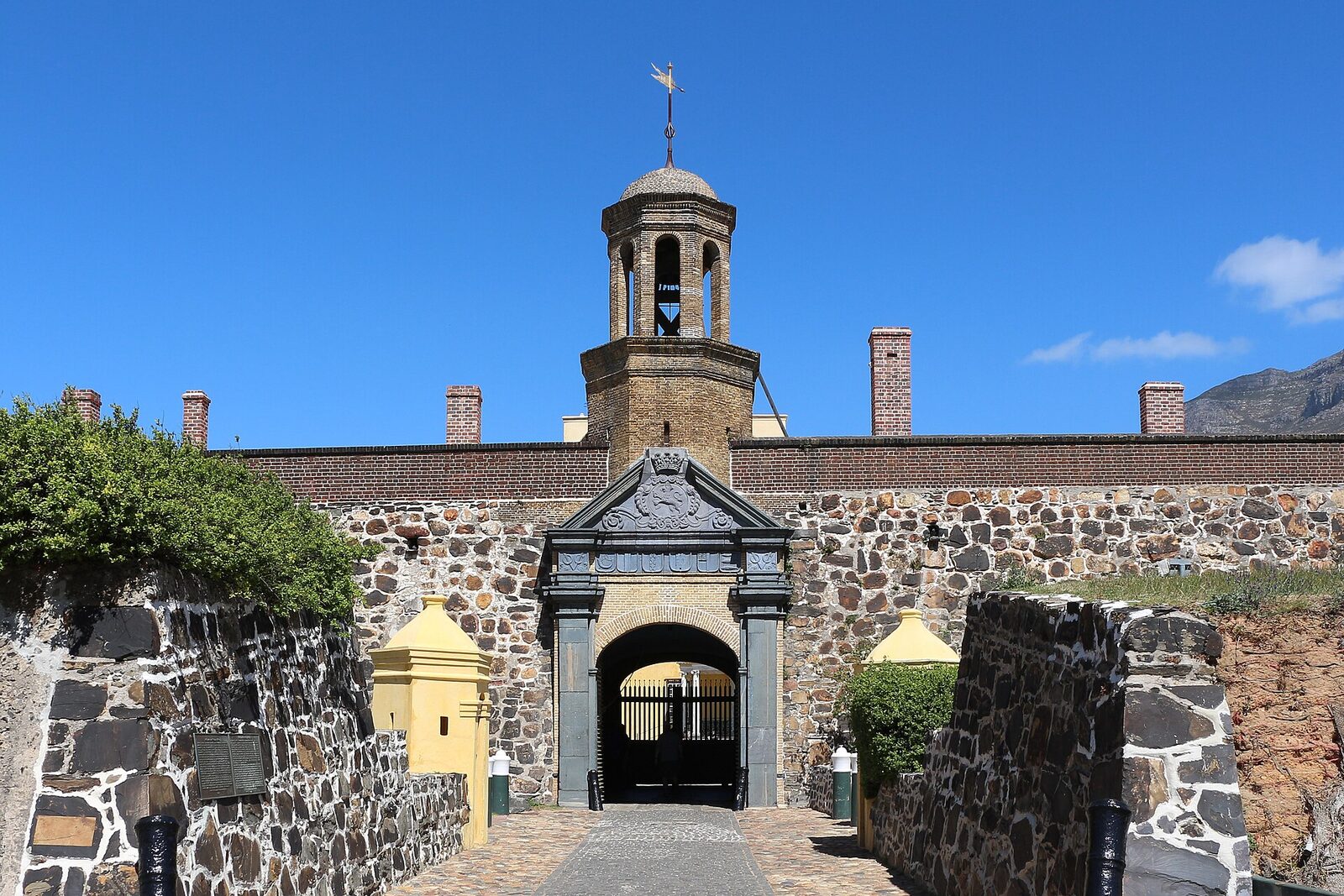
Photo: Bernard Gagnon · CC BY-SA 4.0 · Source A bastion fort in Cape Town's city centre, built by the Dutch East India Company between 1666 and 1679 and described on its own site as the oldest existing colonial building in South Africa. It houses the Castle Military Museum and is the home of the Cape Town Highlanders Regiment.
Treat this as an alternative to Day 3, or as an add-on. Bo-Kaap is a residential area, so be respectful of residents when photographing. ATIP states no routes or travel times between the two; confirm access and arrangements directly.
Good to know before you go
- Hours, ticket fees, transport schedules and travel times are not verified by ATIP and are deliberately not stated here. Always confirm them with the venue or operator.
- ATIP is a discovery and planning platform. It does not sell tickets, transport or tours, and online hotel and flight booking is not yet available.
- City attractions: Bo-Kaap and the Castle of Good Hope. Mountain attraction: Table Mountain. Botanical garden: Kirstenbosch, on the mountain’s eastern slopes. Island excursion: Robben Island. Separate outing: Stellenbosch and the Winelands. ATIP states no travel times between them.
- Confirm current local guidance before your visit, particularly for transport, park or site access and entry requirements.
Quick answers
How many days do I need in Cape Town?
ATIP’s destination guidance suggests four to six days. This itinerary takes the shorter end: three days for Table Mountain, Robben Island and Kirstenbosch and one for the Winelands. The optional city-centre day adds Bo-Kaap and the Castle of Good Hope.
Do I need a car in Cape Town?
Ride-hailing and rental cars are widely used, and a bus rapid transit system serves central Cape Town, the V&A Waterfront and the Atlantic Seaboard. For the Winelands, arrange suitable transfers or an organised excursion, and confirm current options locally.
When is the best time to visit Cape Town?
November to March is generally suggested for summer-focused visits (ATIP editorial guidance); mountain and coastal plans depend on local weather.
Do I need to book the Robben Island ferry in advance?
Robben Island Museum recommends early booking and says tickets are subject to availability; tours are booked through the museum’s own booking page. Ferries leave from the Nelson Mandela Gateway at the V&A Waterfront, and boarding requires a passport, ID or driver’s licence. The museum’s pages describe the standard tour as roughly 3.5 to 4 hours including the ferry. Check the museum’s current cancellation and refund terms before booking (see the Robben Island Museum FAQ in the sources below). ATIP’s editorial suggestion: book Robben Island first and build the other days around it.
What if the Table Mountain cableway is closed?
The Table Mountain Aerial Cableway says it may close in bad weather and points to its website or app for real-time status. Tickets are sold on Webtickets and at the cableway ticket office; a standard ticket is valid for seven days, the operator warns of queues on busy days and offers timed Fast Track tickets. ATIP’s editorial suggestion: keep Table Mountain on the day that is easiest to move, and swap it with Kirstenbosch or the city-centre option if the cableway is not running.
Can I book this itinerary on ATIP?
Not yet. ATIP currently offers destination discovery and trip planning; online hotel and flight booking is coming soon. Arrange any tickets, transport or tours directly with the provider.
Sources and further reading
Independent references the ATIP team reviewed. They are not partners or suppliers of ATIP.
Explore more
About this guide
Written and maintained by the Africa Travel Intelligence Platform (ATIP) editorial team, using only places and records ATIP has reviewed. Facts we have not verified, such as opening hours, prices and schedules, are left out rather than guessed.
Read about ATIP’s general editorial approach It describes how ATIP works in general and does not verify individual guides.
Make it yours
Tell the ATIP AI Planner what you enjoy and how long you have, and it will build a plan from ATIP’s reviewed places.
Search flights to AfricaCompare hotel rates for your datesExplore tours and activities in Africa
This is an editorial itinerary. ATIP does not sell or organize any of these visits.