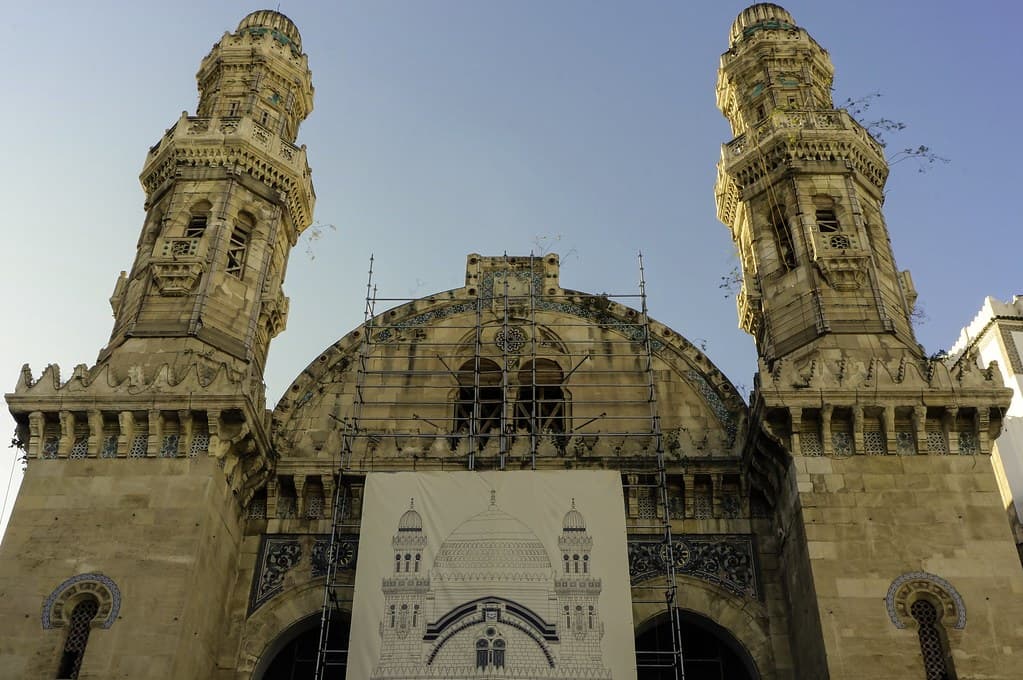
Ketchaoua Mosque
An Ottoman-era mosque at the foot of the Casbah of Algiers, counted among the finest surviving monuments of the period.
A NEW PERSPECTIVE ON AFRICA DZ
North African country combining a Mediterranean coast, Roman and Ottoman-era heritage, and the vast landscapes of the Sahara.
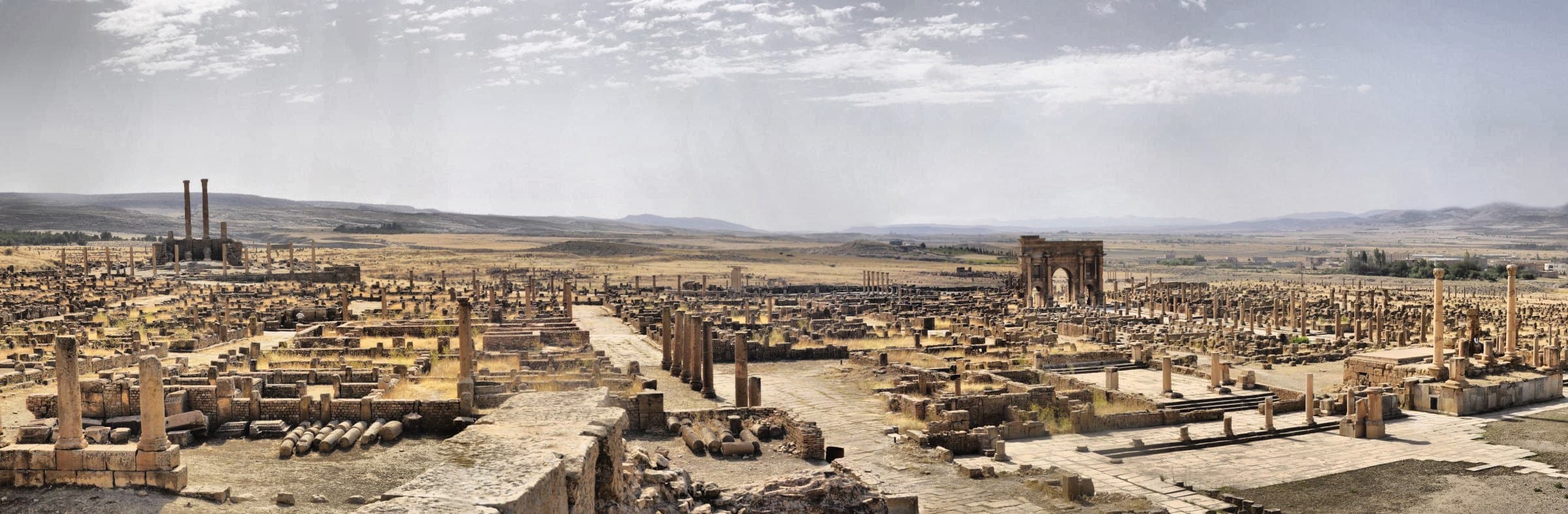
Algeria rewards culturally curious travelers with major Roman archaeological sites, historic cities and architecture, UNESCO-listed heritage and vast Sahara landscapes.
ATIP’s editorial analysis, drawn from ATIP’s own records and the official sources listed below. It is not first-hand travel experience and not a guarantee.
Country at a glance
From ATIP’s records
Algeria in ATIP’s guides is a heritage-and-desert country: the Kasbah of Algiers, the Roman sites of Timgad and Djémila, the M’Zab Valley and the Tassili n’Ajjer in the Sahara. Recorded stays are short for the Roman sites and the Kasbah (one to two days each), two to three for the M’Zab Valley and three to five for the Tassili n’Ajjer; spring and autumn are generally the most comfortable seasons.
ATIP’s editorial view
ATIP’s editorial view: Algeria rewards travellers who already know what they want, such as Roman archaeology or the Sahara, and it is best planned with a specialist operator. Travel times between sites are not given here: verify entry, permits for desert areas and current conditions with official sources before committing.
From ATIP’s records, with editorial advice
The Kasbah of Algiers (one to two days recorded) is explored on foot in its accessible sections, with local transport arranged to reach it, and Algiers has a metro. Timgad (Batna Province) and Djémila (from a regional base such as Sétif) each need road transport and a confirmed return journey, and ATIP’s records say Tassili n’Ajjer should be visited through authorised specialist guides and desert transport operators, not as independent travel.
From government travel advice
UK government travel advice: you need your passport to check in to any hotel in Algeria and for domestic flights, and most restaurants do not serve alcohol. During Ramadan, do not eat, drink or smoke in public by day, including in your car, and follow local dress codes.
Confirm before you travel
UK government travel advice (written for British passport holders; other nationalities can differ): a visa is required and should be applied for through an Algerian consulate before travel; a tourist visa on arrival may be possible at some airports when most of the travel is in the south and there is a confirmed reservation with an approved local travel agency. Confirm current rules with the Algerian authorities before you travel.
Sources read November 2026.
Reviewed October 2026.
Loading live travel advice…
Rules depend on your passport.
Check requirementsTravel requirements can change. Confirm current entry and health requirements with official sources before you travel.
Finding places to explore…
An Ottoman-era mosque at the foot of the Casbah of Algiers, counted among the finest surviving monuments of the period.
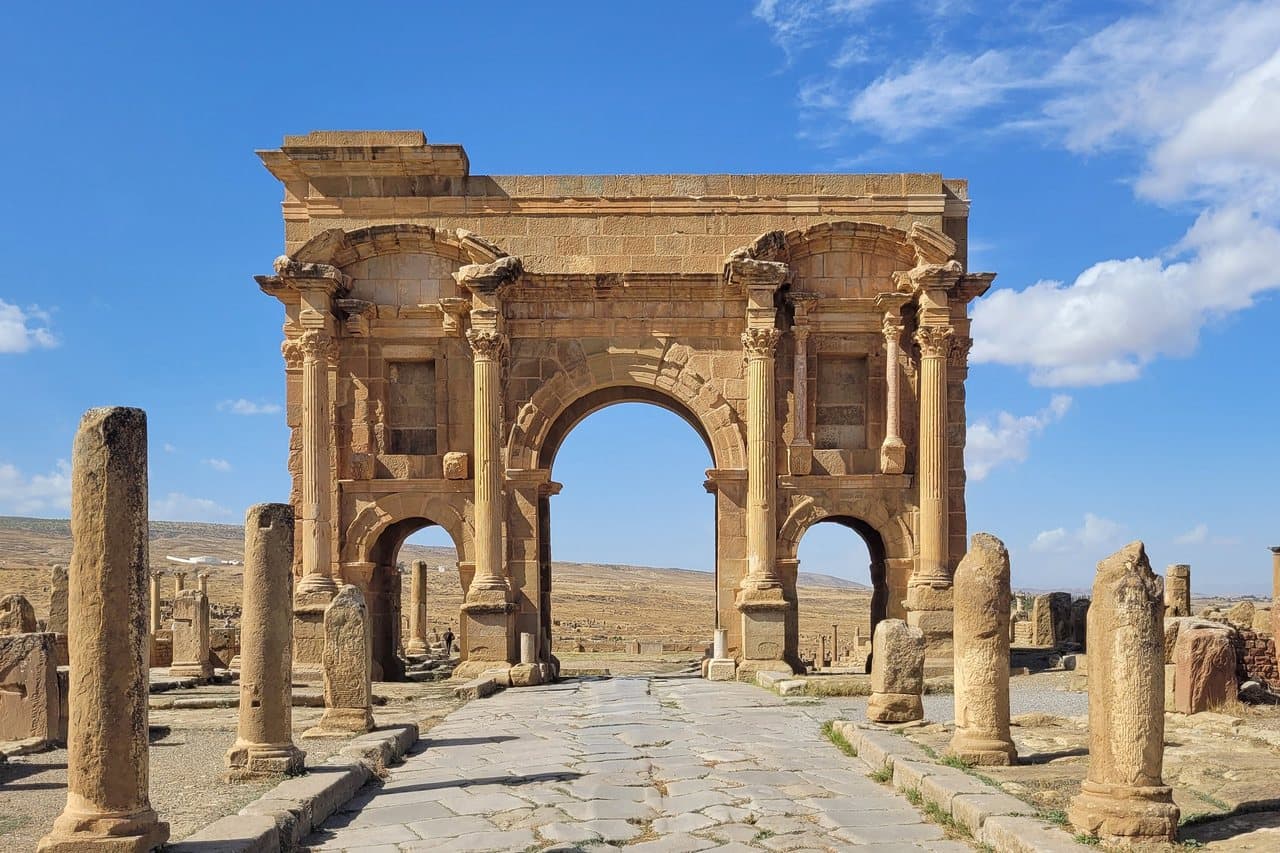
A Roman triumphal arch forming the western gate of ancient Thamugadi (Timgad), at the start of the city's main east-west street.
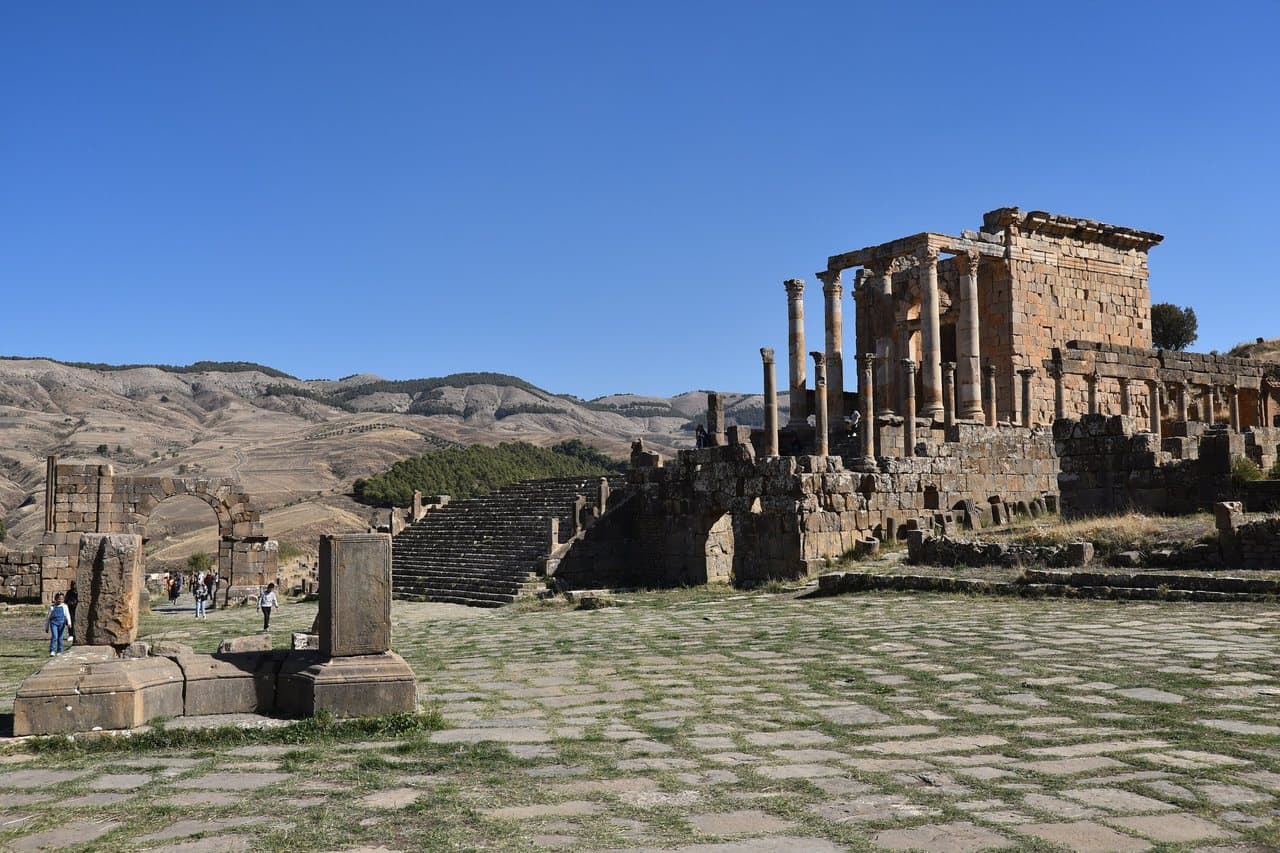
A Roman temple at Djémila (ancient Cuicul), built when the city expanded beyond its ramparts in the early 3rd century.
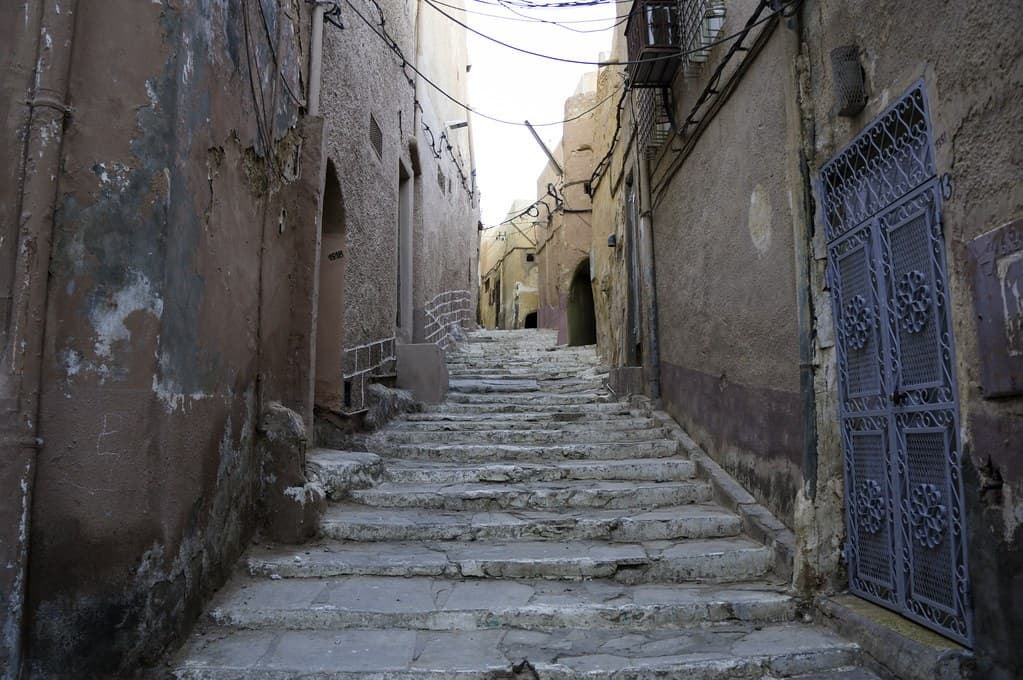
One of the five fortified towns of the UNESCO-listed M'Zab Valley, founded by Ibadite communities and known for its pyramid-like houses spiralling around a mosque.
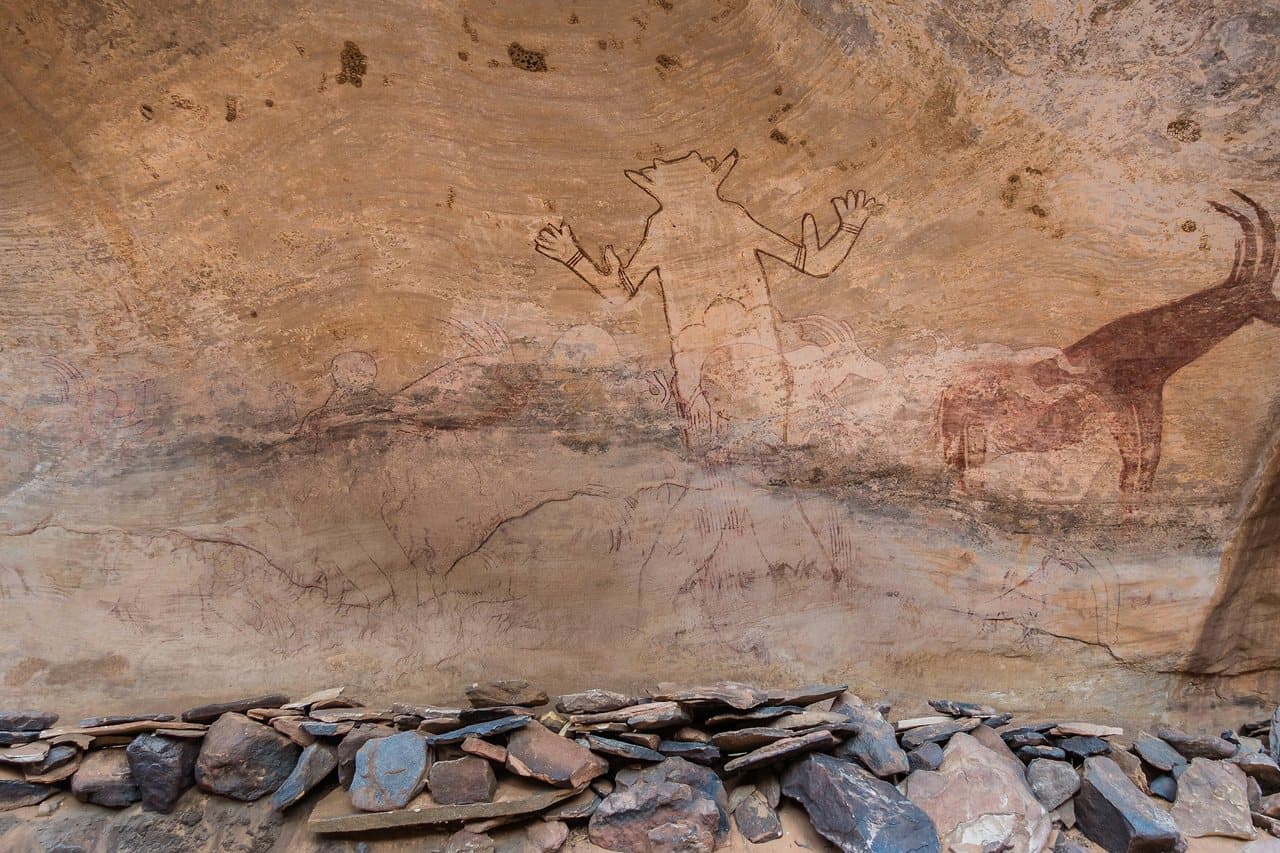
A rock-art site within the UNESCO-listed Tassili n'Ajjer, famous for prehistoric paintings such as the 'Crying Cow'.
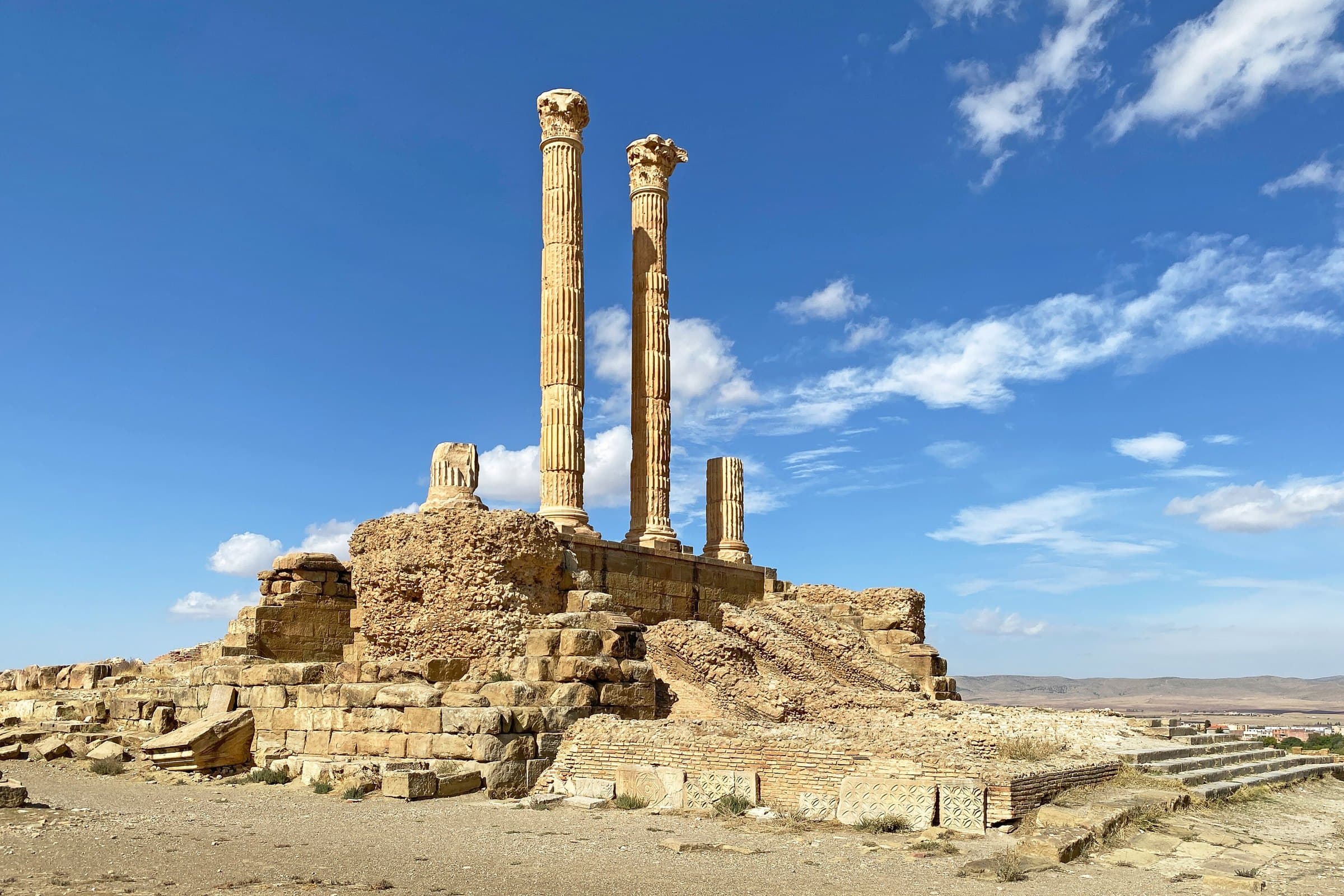
The ruins of the Capitolium of ancient Thamugadi (Timgad), a Roman temple on a large podium, among the public buildings added as the colony grew beyond its first walls. Corinthian columns still stand.
FEATURED HOTELS
Hotel listings in Algeria from our travel-data partner. These are catalogue entries, not live availability — use “Check live rates” on a hotel for prices and availability.
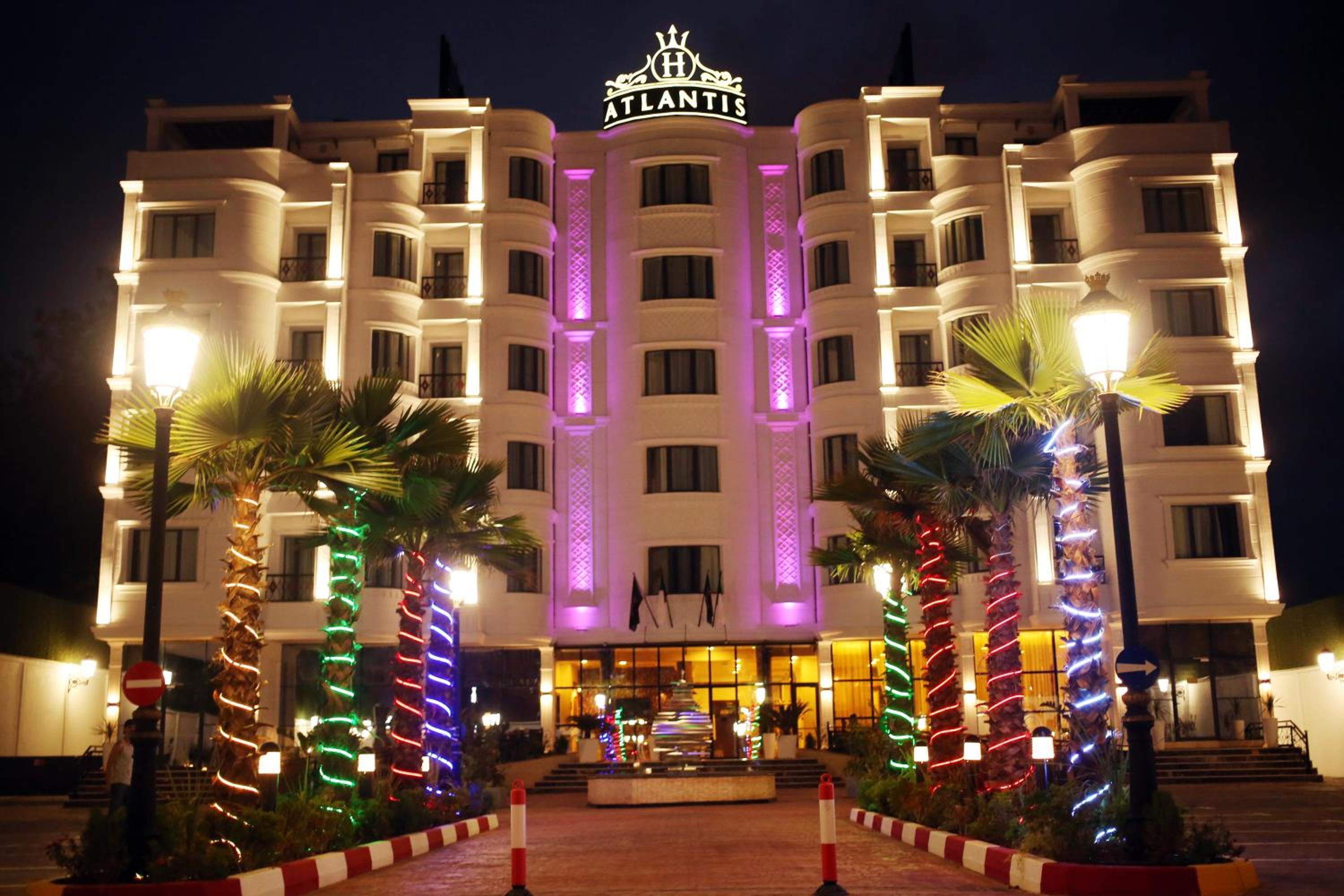
RN N 09 IRIYAHEN, W, Tala Hamza, Bejaïa
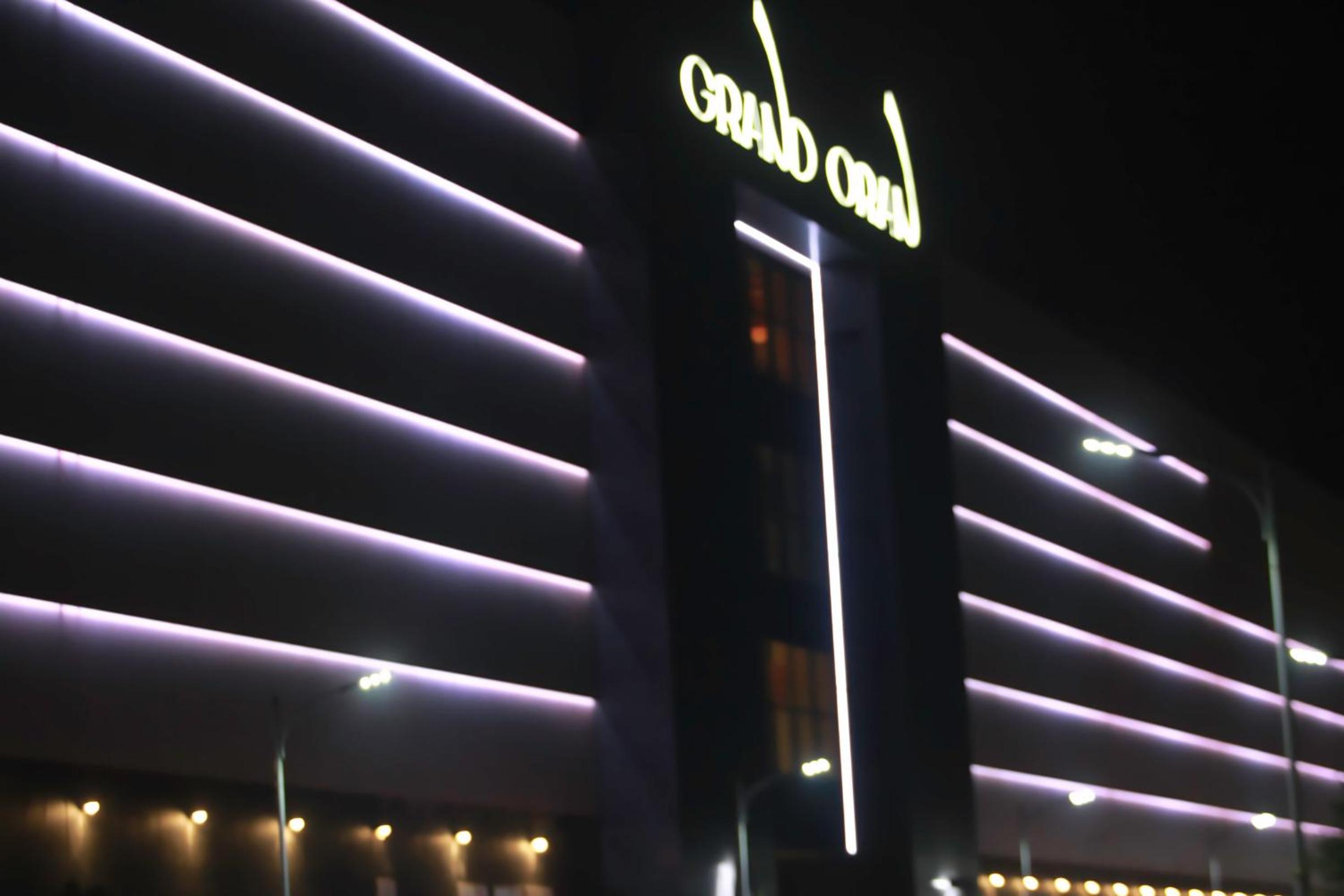
Lots 80 et 81 Daya Morsli, Oran
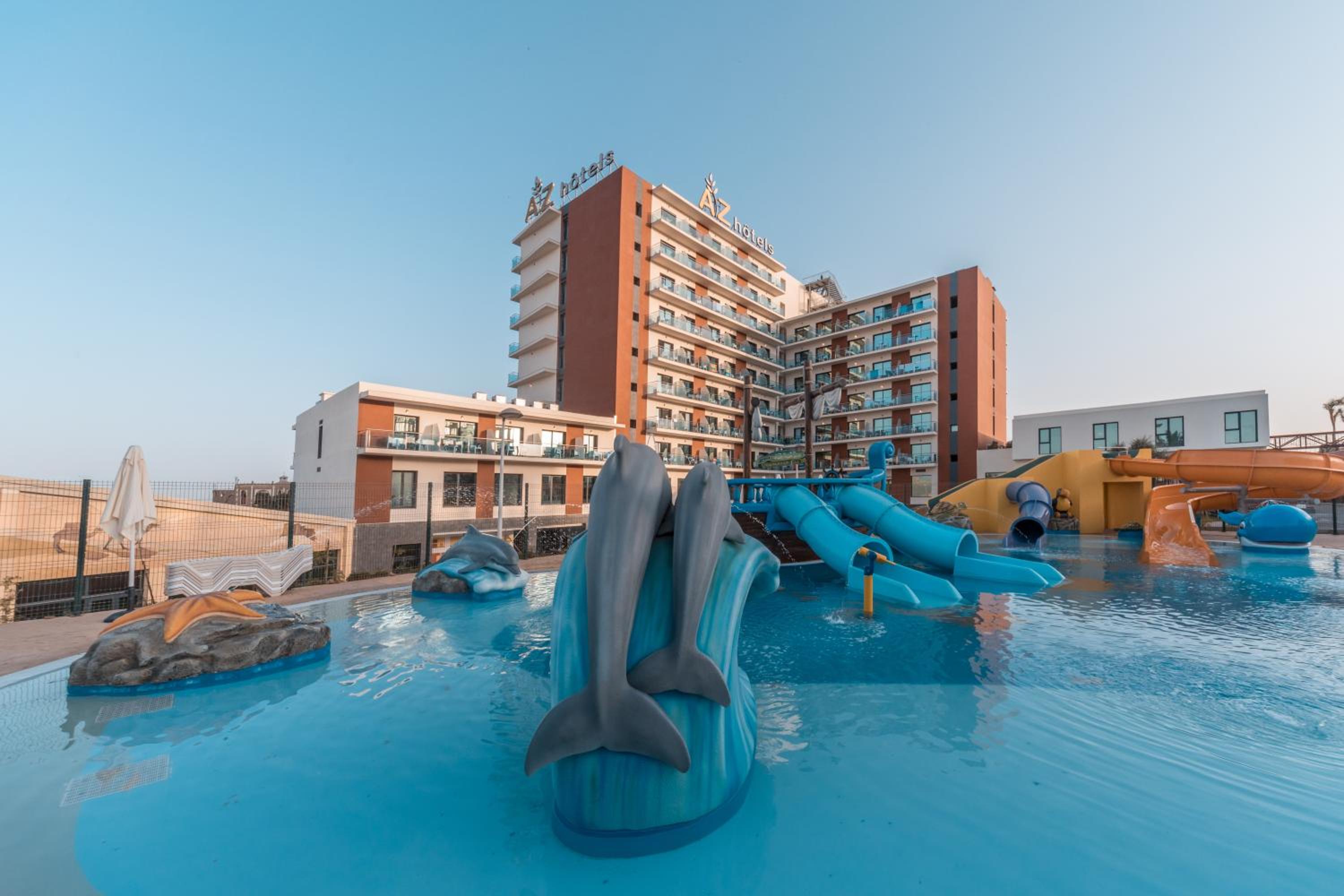
Route de Kharouba, Mostaganem
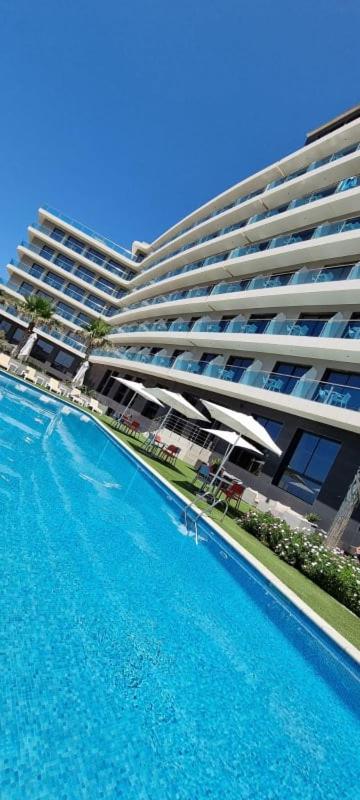
ZET Sablettes section 04 Propriété N°34 Mazagran, Mostaganem
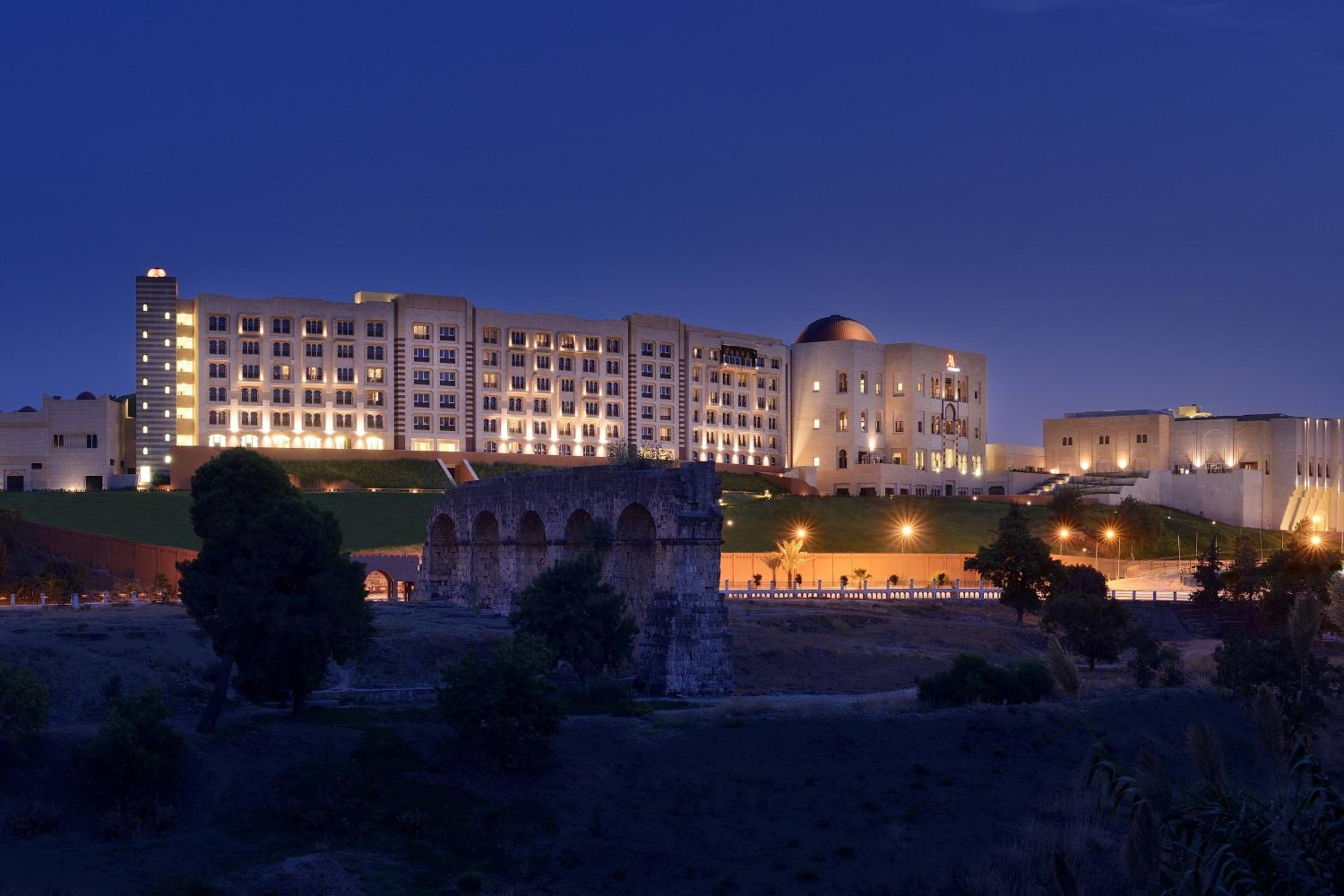
Oued Rhumel Street, Constantine
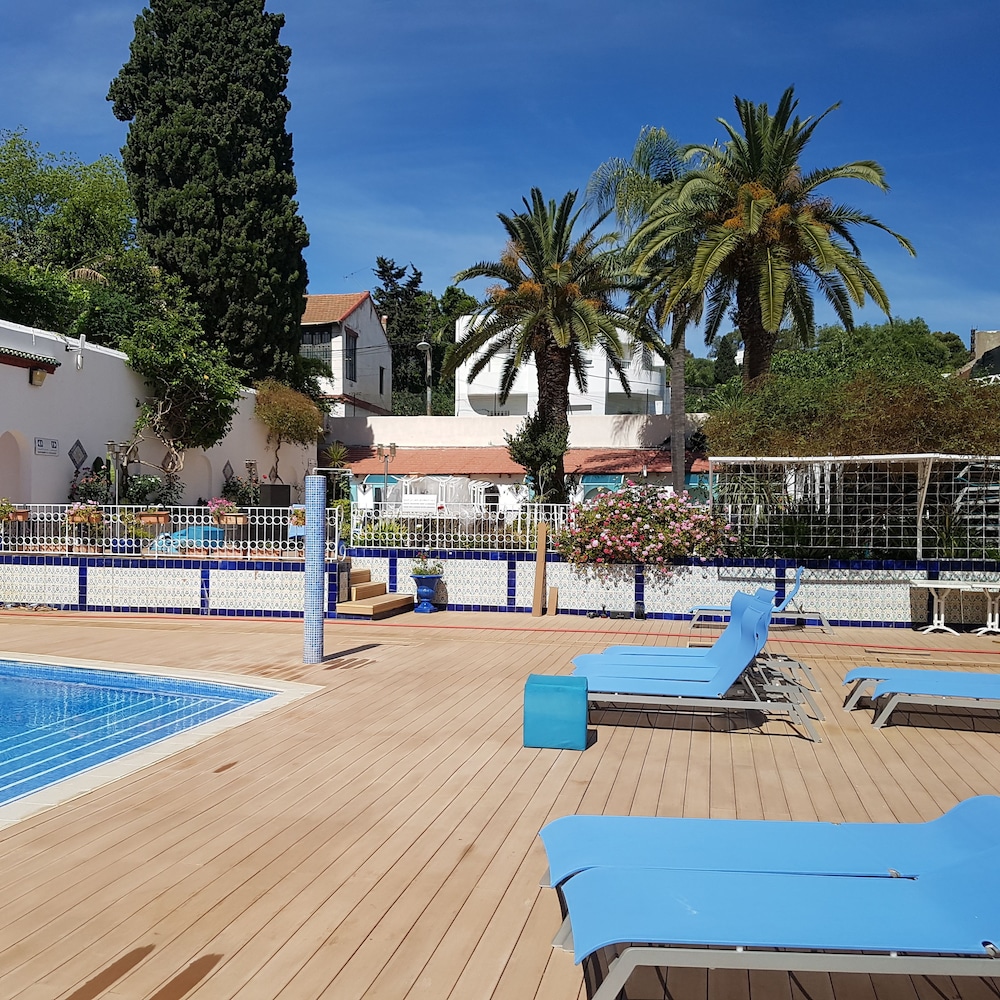
24 Rue Souidani Boujemaa, Algiers
MORE STAYS
Live provider availability across Algeria. Select a stay to confirm its price, then continue to book.
Written and maintained by the Africa Travel Intelligence Platform (ATIP) editorial team, using only places and records ATIP has reviewed. Facts we have not verified, such as opening hours, prices and schedules, are left out rather than guessed.
Read about ATIP’s general editorial approach It describes how ATIP works in general and does not verify individual guides.
YOUR NEXT CHAPTER
Start with the places that speak to you. ATIP planning tools can help bring your interests, destinations and travel information together.
Search flights to AfricaCompare hotel rates for your datesExplore tours and activities in Africa
Spring (roughly March to May) and autumn (roughly September to November) are generally considered the most comfortable seasons, though conditions vary by region and year.
Entry and visa requirements vary by nationality and change periodically. Confirm current requirements with Algeria's official diplomatic channels or your own government's travel advisory before departure.
Language: Arabic and Tamazight. Currency: Algerian dinar.
ATIP’s main destination guides for Algeria are Kasbah of Algiers, Tassili n'Ajjer, Timgad, Djémila, and M'Zab Valley.
ATIP’s editorial guidance suggests Kasbah of Algiers (1–2 days), Tassili n'Ajjer (3–5 days), Timgad (1–2 days), Djémila (1–2 days), and M'Zab Valley (2–3 days). These are recommendations, not minimum stays; allow extra time to travel between places.
ATIP’s editorial review groups the main destinations by traveller interest: Culture: Kasbah of Algiers, Timgad, Djémila, and M'Zab Valley; Adventure: Tassili n'Ajjer; Nature: Tassili n'Ajjer. Open each destination guide for the details.
Yes: Algiers guide. Each sets out its places with the sources behind them.
ATIP’s guide to Algeria covers 6 destinations. The main ones are compared below by type of place, who they suit, the suggested stay and the best time recorded for each; anything ATIP has not recorded is left out.
At ATIP’s suggested stays, the 5 destinations above that carry a duration add up to 8–14 days before any travel between them, which ATIP does not time. Choose the places that match your interests rather than trying to cover them all.
A non-timed guide to five reviewed places in Algiers: the Jardin d’Essai du Hamma and the National Museum of Fine Arts, the Palais des Raïs, the Martyrs’ Memorial and Notre-Dame d’Afrique.
PLACES THAT BRING A COUNTRY TO LIFE
Discover the places in our Algeria collection, from everyday city life to landscapes and cultural connections.
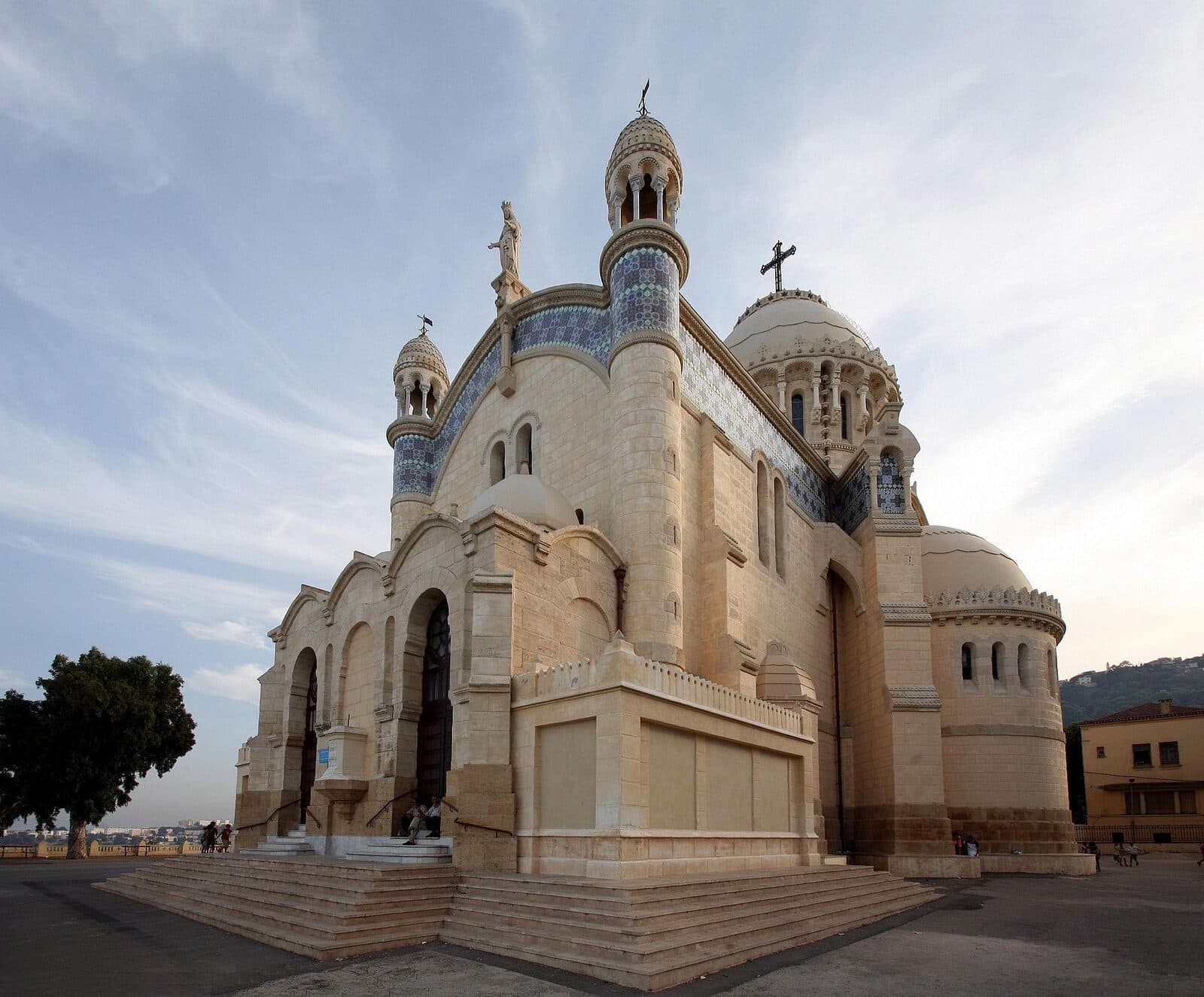 City
Algiers is Algeria's capital, and this guide covers the wider city: the historic Kasbah has its own separate ATIP guide. Places in the city include the Jardin d'Essai du Hamma, the National Museum of Fine Arts, the Martyrs' Memorial, Palais des Raïs (Bastion 23) and Notre-Dame d'Afrique.
Explore destination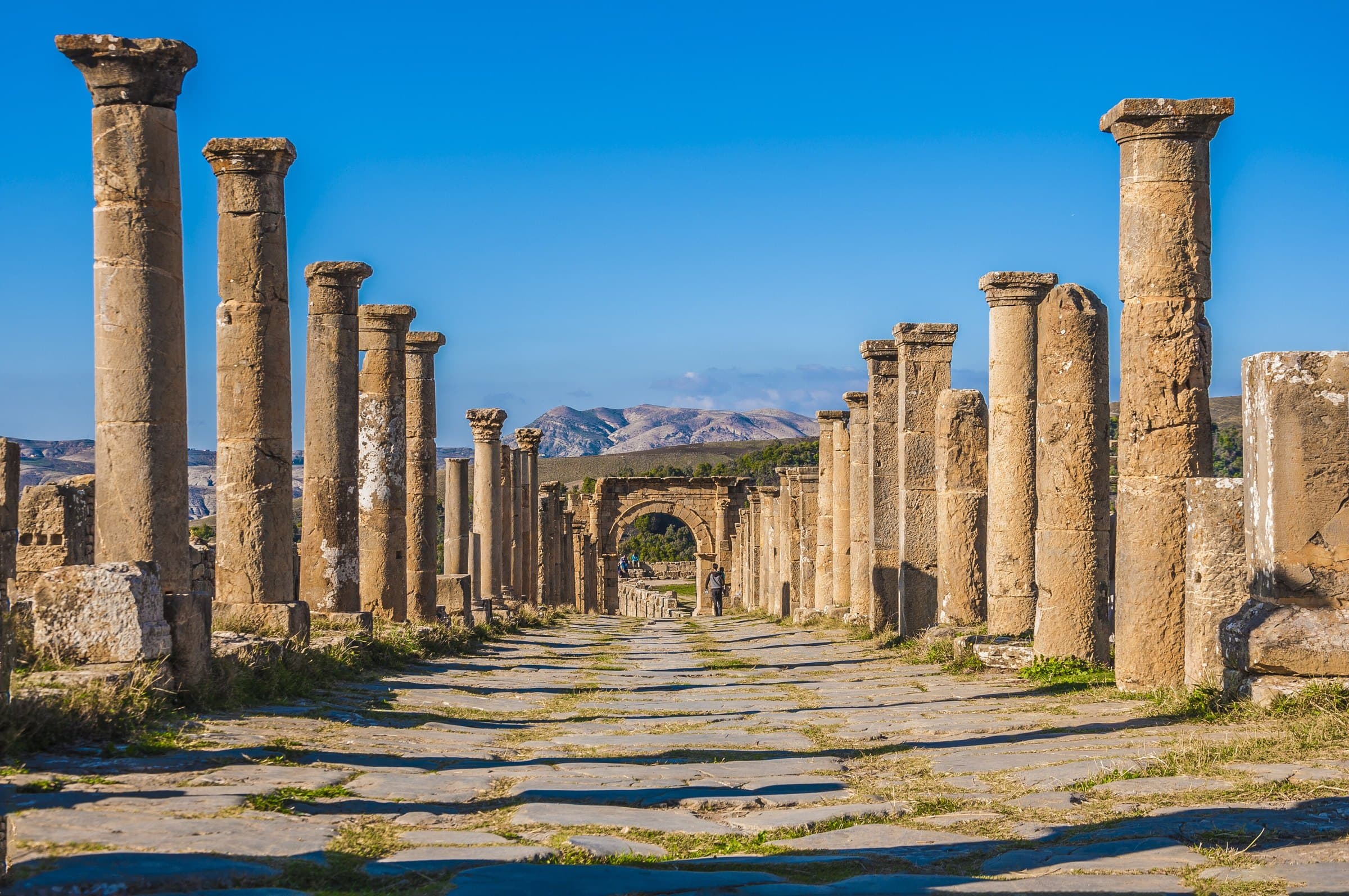 Historical Site
Djémila preserves the remains of an ancient Roman city built into a mountainous landscape. Its forums, temples, ceremonial arches, early Christian buildings and mosaics demonstrate how Roman civic architecture adapted to the terrain of northeastern Algeria.
Explore destination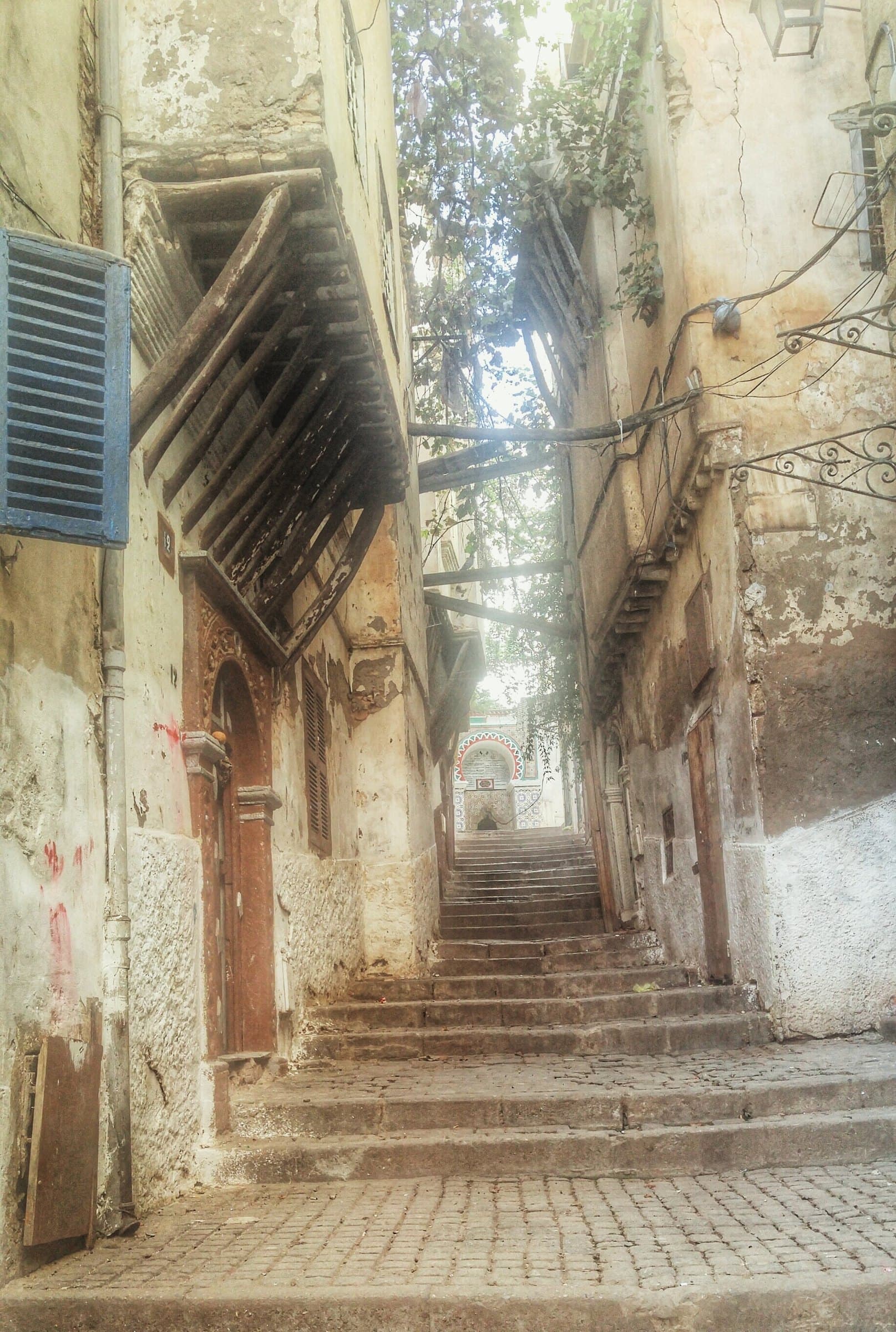 Historical Site
The Kasbah of Algiers is a historic Mediterranean medina whose narrow streets, old mosques, Ottoman-era palaces and traditional houses reveal centuries of North African urban history. Its layered architecture and enduring residential character make it a compelling introduction to Algiers' cultural heritage.
Explore destination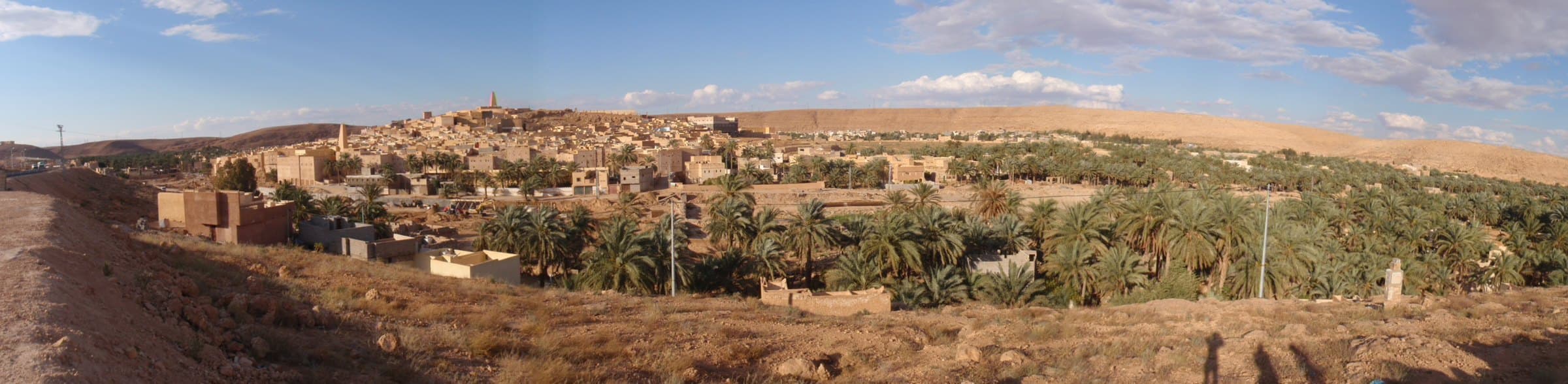 Cultural Area
The M'Zab Valley is a remarkable Saharan cultural landscape formed around five historic fortified settlements. Its Ibadi communities developed distinctive architecture, compact urban plans, mosques, courtyards and palm-grove environments adapted to the desert and collective social life.
Explore destination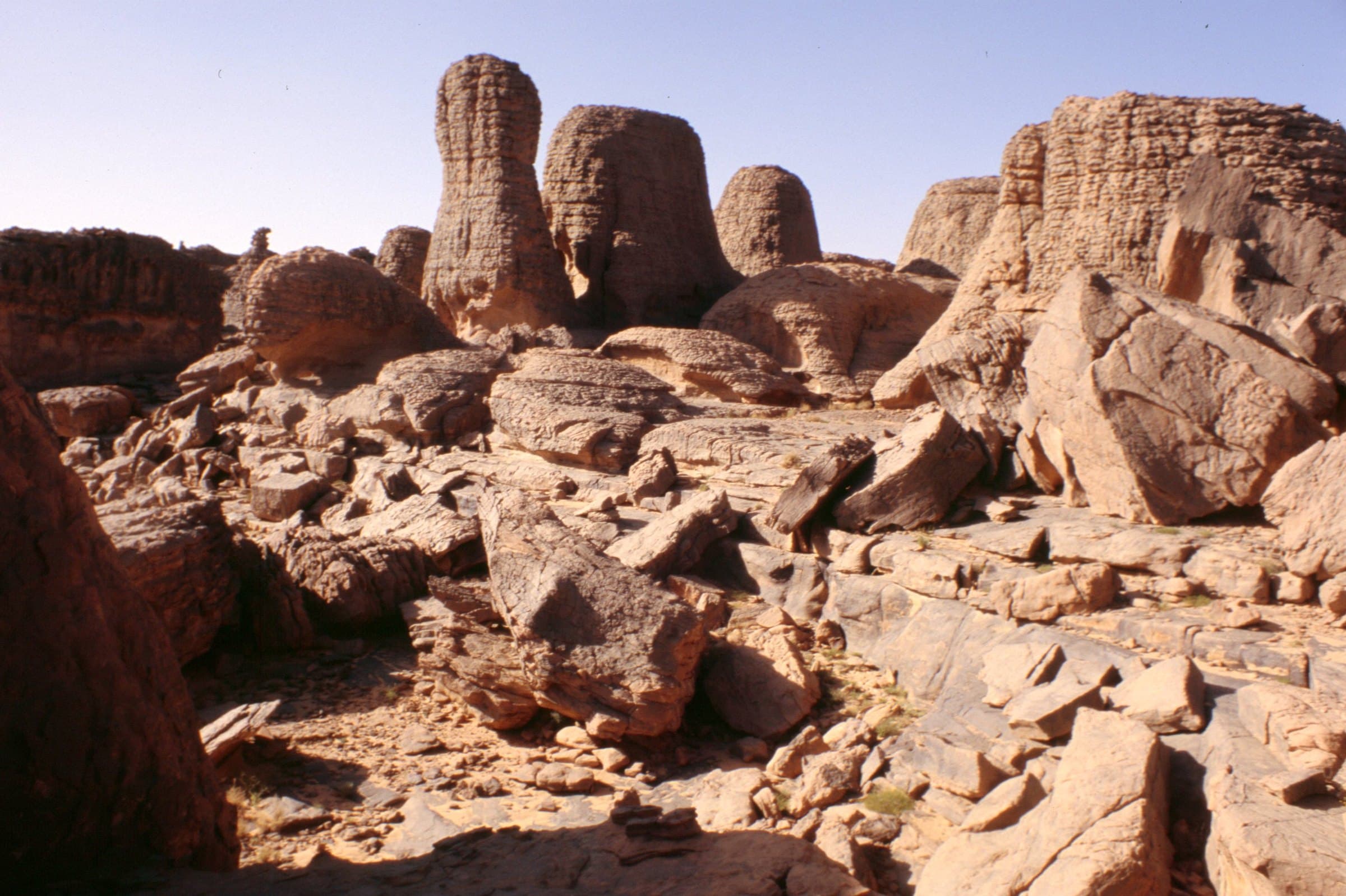 Cultural Area
Tassili n'Ajjer is an immense Saharan plateau known for its prehistoric paintings and engravings, weathered sandstone formations, and extraordinary desert scenery. Its archaeological record offers insight into ancient human communities, wildlife, and environmental change across the Sahara.
Explore destinationHistorical SiteFounded under Emperor Trajan around AD 100, Timgad is an outstanding example of Roman urban planning in North Africa. Its organized street grid, monumental gateways, public buildings and archaeological remains illustrate the design and civic life of an imperial Roman settlement.
Explore destinationFOLLOW YOUR CURIOSITY
Select a kind of place or an interest to filter the destinations above.
FCDO travel advice for Algeria. Includes safety and security, insurance, entry requirements and legal differences.
UK FCDO · Last updated September 25, 2026 · Retrieved just now
View official adviceContains public sector information licensed under the Open Government Licence v3.0.
Travel advice can change. Review the official source before making travel decisions.