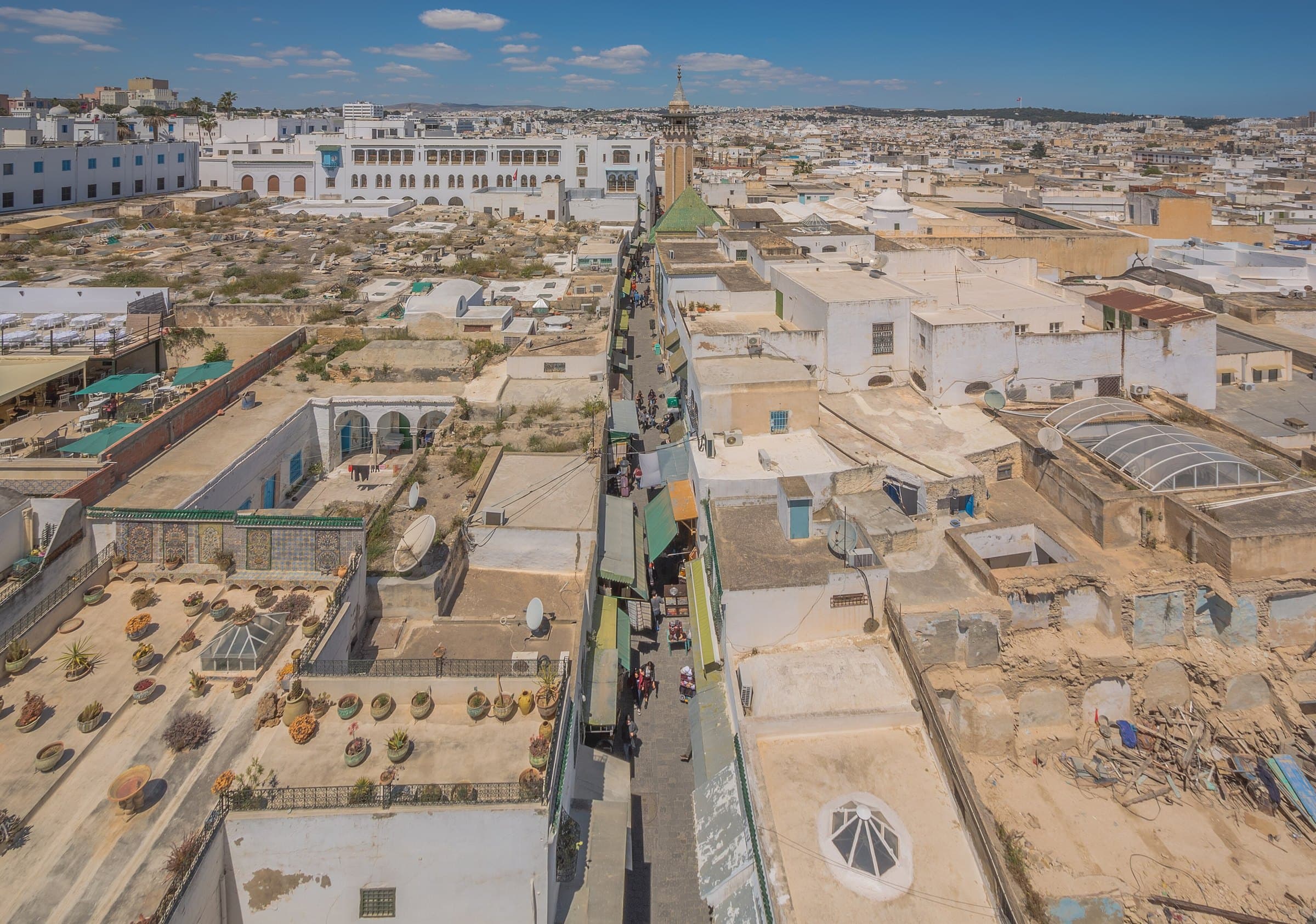
Medina of Tunis
The UNESCO-listed old city of Tunis, with roughly 700 monuments including mosques, madrasas, palaces and souks.
A NEW PERSPECTIVE ON AFRICA TN
North African country with Mediterranean beaches, Roman and Islamic heritage, historic medinas, and desert landscapes.
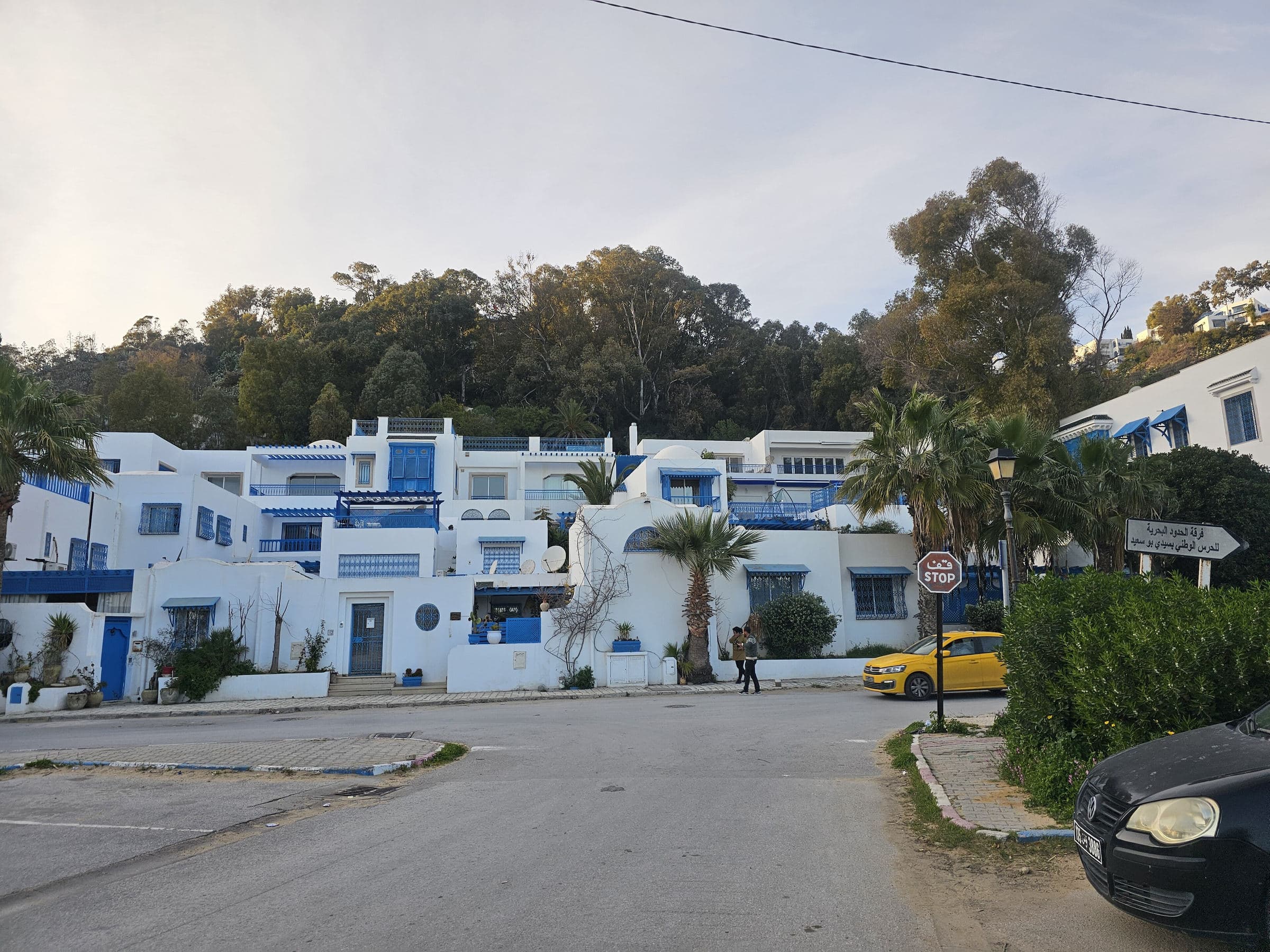
Tunisia blends Mediterranean beach resorts with Roman and Islamic heritage, historic medinas and distinctive desert landscapes that extend deep into the Sahara.
ATIP’s editorial analysis, drawn from ATIP’s own records and the official sources listed below. It is not first-hand travel experience and not a guarantee.
Country at a glance
From ATIP’s records
Tunisia is ATIP’s Mediterranean beach-and-heritage guide: Tunis & Carthage, Sousse and El Jem for Roman and Islamic heritage, Hammamet and Djerba for beach stays. ATIP records it as visitable all year: spring and autumn for cultural touring, summer for Mediterranean beach stays, winter for desert and heritage. The national tourism site describes summer beaches and the El Jem Roman amphitheatre.
ATIP’s editorial view
ATIP’s editorial view: Tunisia combines well as a heritage circuit (Tunis & Carthage two to three days, Sousse two to three, El Jem one to two) or as a beach week on Hammamet or Djerba, each recorded at two to five days. ATIP gives no transfer times. Match the season to the plan: summer for beaches, spring or autumn for sightseeing.
From ATIP’s records, with editorial advice
Tunis & Carthage (two to three days recorded) use taxis and arranged local transport; Sousse’s medina is explored on foot with local transport for accommodation areas and attractions outside it, and El Jem is reached by road or rail (confirm current services). Hammamet and Djerba are beach bases: Tunis-Carthage and Enfidha-Hammamet airports serve the wider region, and Djerba uses local taxis or arranged island excursions, with airport transfers confirmed with accommodation.
From government travel advice
UK government travel advice: beach-appropriate clothing in holiday resorts is acceptable, but when visiting religious sites or remote areas the local custom is to dress modestly. During Ramadan, eating, drinking or smoking in public by day may cause offence; foreign nationals must carry ID, such as a copy of the passport photo page.
Confirm before you travel
UK government travel advice (written for British passport holders) says no visa is needed for stays of up to 90 days, and that border officials may ask for contact details, onward or return tickets and proof of accommodation; a small number of visitors have been delayed for lacking sufficient accommodation evidence. Discover Tunisia, the national tourism site, publishes an entry-formalities page last updated in June 2024, so treat any detail there as dated. Confirm passport and visa rules for your nationality with official Tunisian sources before you travel.
ATIP records Tunisia as visitable all year, with the best season depending on the trip: spring and autumn for cultural touring and mild weather, summer for Mediterranean beach stays, and winter for desert and heritage exploration.
ATIP’s destination records give the families fit tag to: Sousse and Hammamet. This is ATIP’s editorial traveller-fit tag, not an age, safety or health assessment: check activity requirements, health advice and entry rules for children with providers and official sources.
Sources read November 2026.
Reviewed October 2026.
Loading live travel advice…
Rules depend on your passport.
Check requirementsTravel requirements can change. Confirm current entry and health requirements with official sources before you travel.
Finding places to explore…
The UNESCO-listed old city of Tunis, with roughly 700 monuments including mosques, madrasas, palaces and souks.
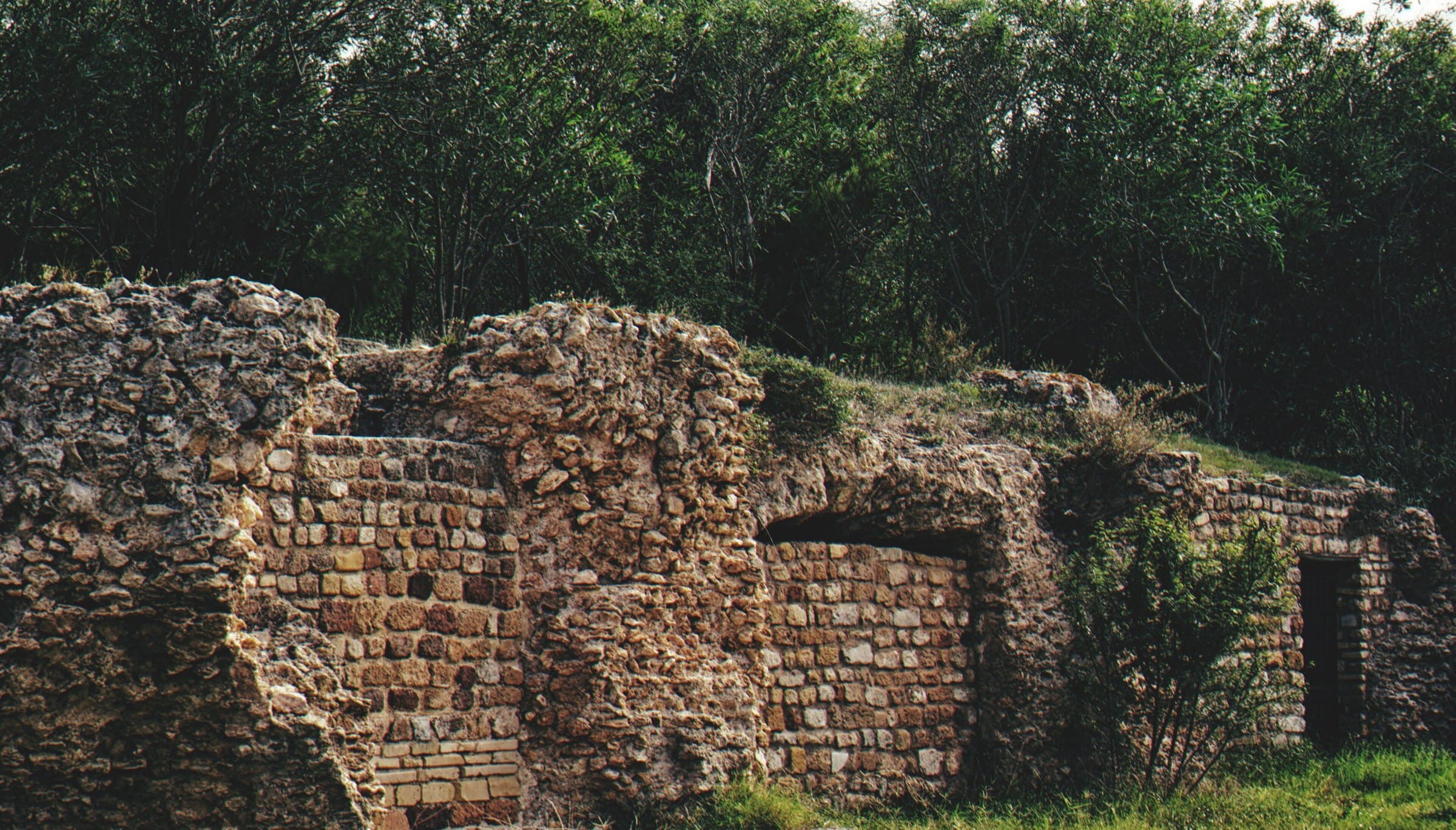
The UNESCO-listed remains of Phoenician and Roman Carthage, including Punic ports, a tophet, theatres, baths and early Christian basilicas.
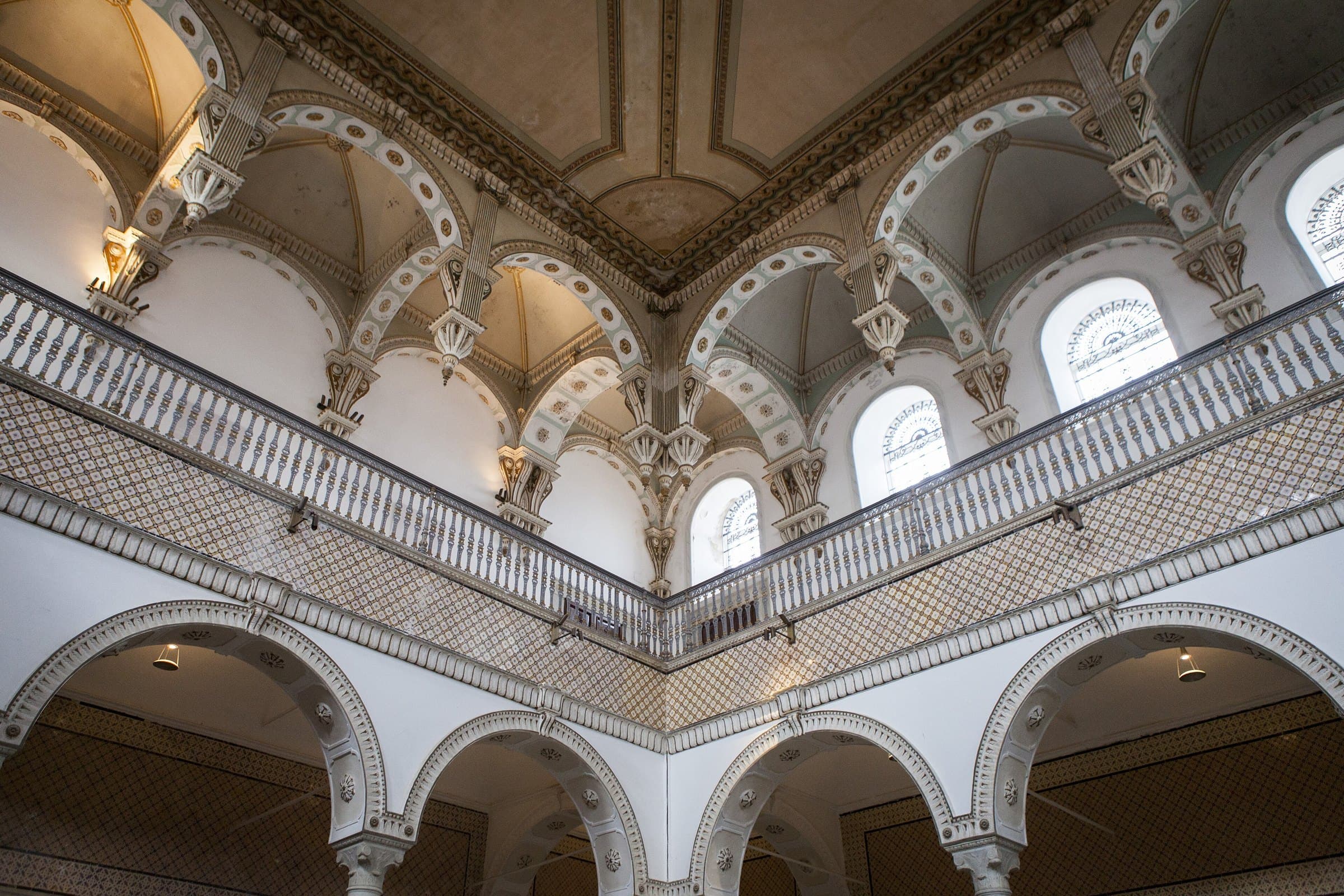
One of Tunisia's major museums, best known for its collection of Roman mosaics and for its Islamic department.
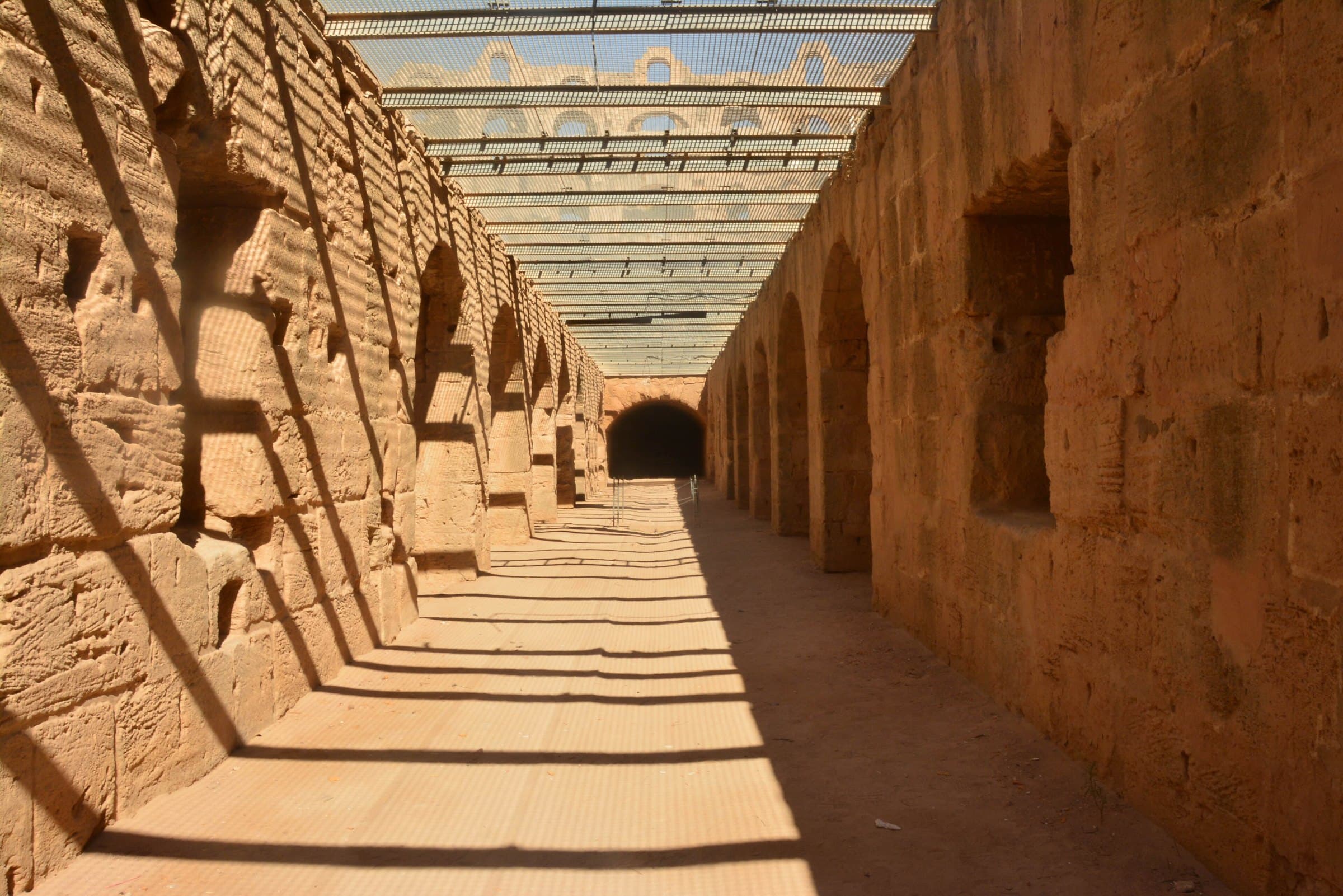
A UNESCO-listed Roman amphitheatre, often described as the second-largest in the Roman world, with underground passages beneath the arena.
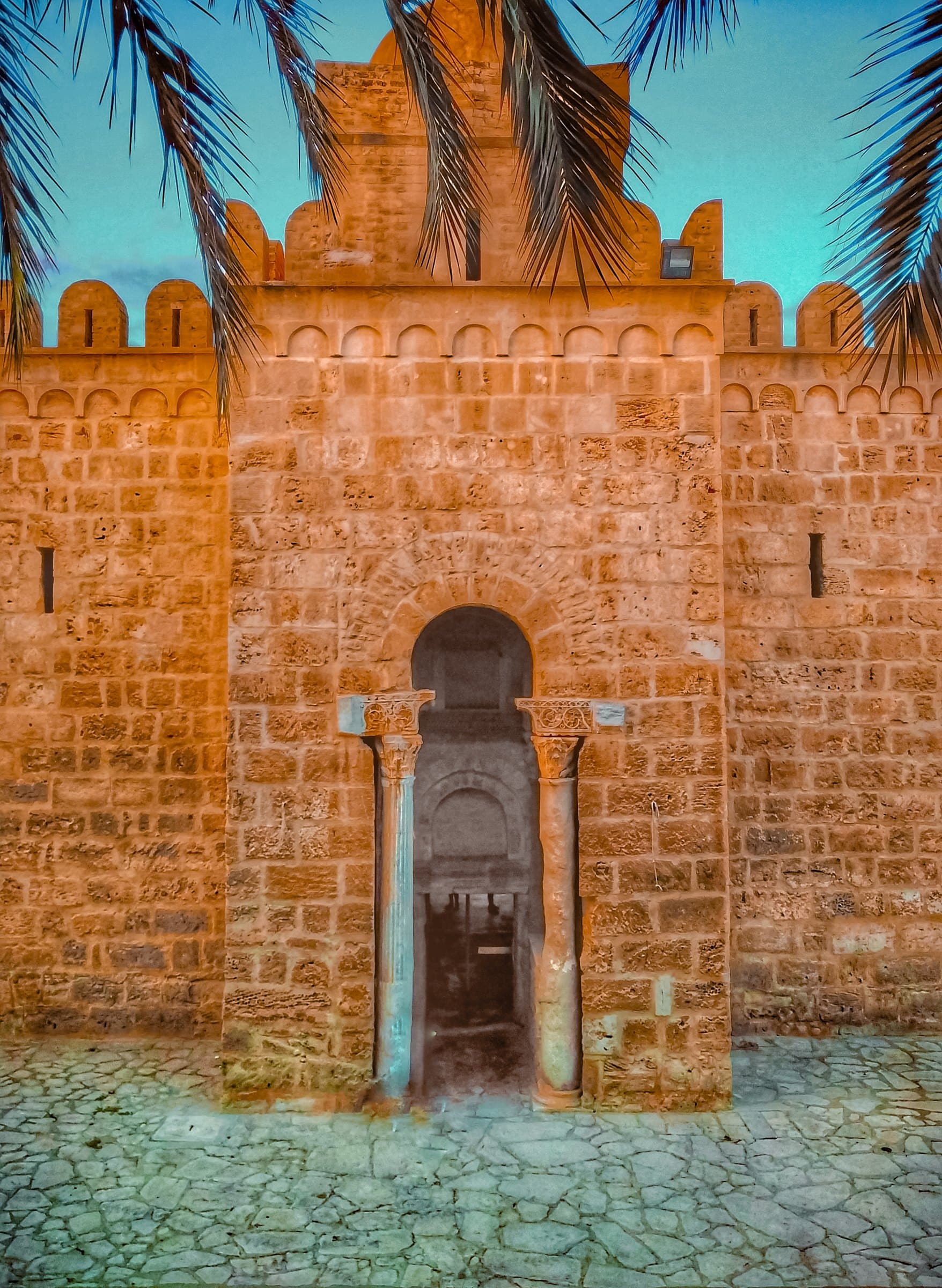
The UNESCO-listed old town of Sousse, founded in 821 AD, with a ribat (fortress) and Grand Mosque near the sea.
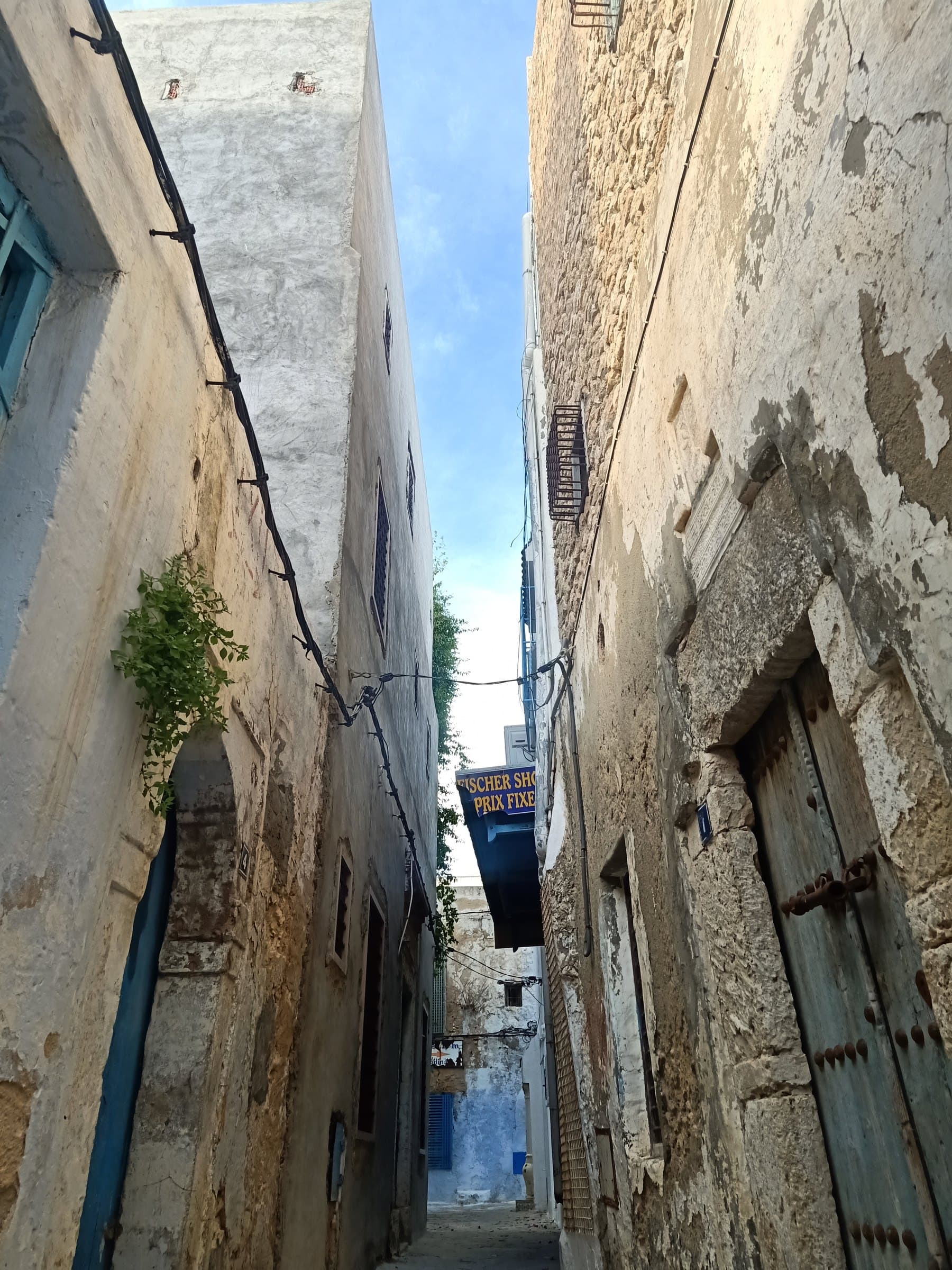
The walled old town of Hammamet, with narrow lanes and houses washed in blue lime, and a 16th-century Hispano-Turkish fort at the corner of its outer wall overlooking the bay.
FEATURED HOTELS
Hotel listings in Tunisia from our travel-data partner. These are catalogue entries, not live availability — use “Check live rates” on a hotel for prices and availability.
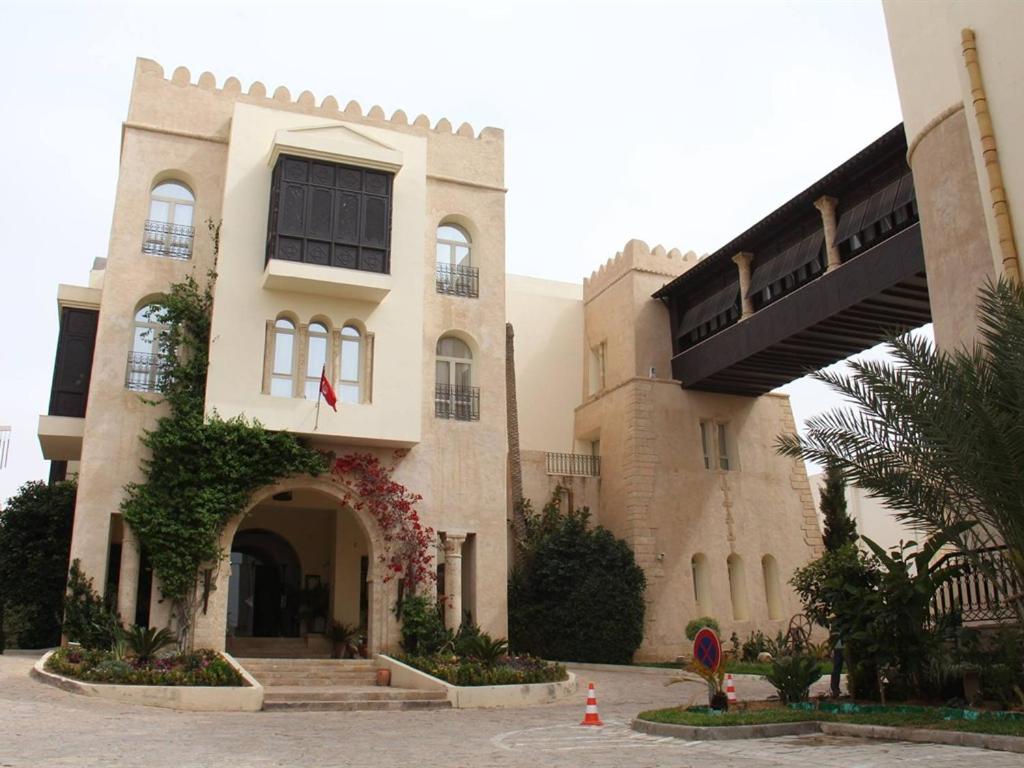
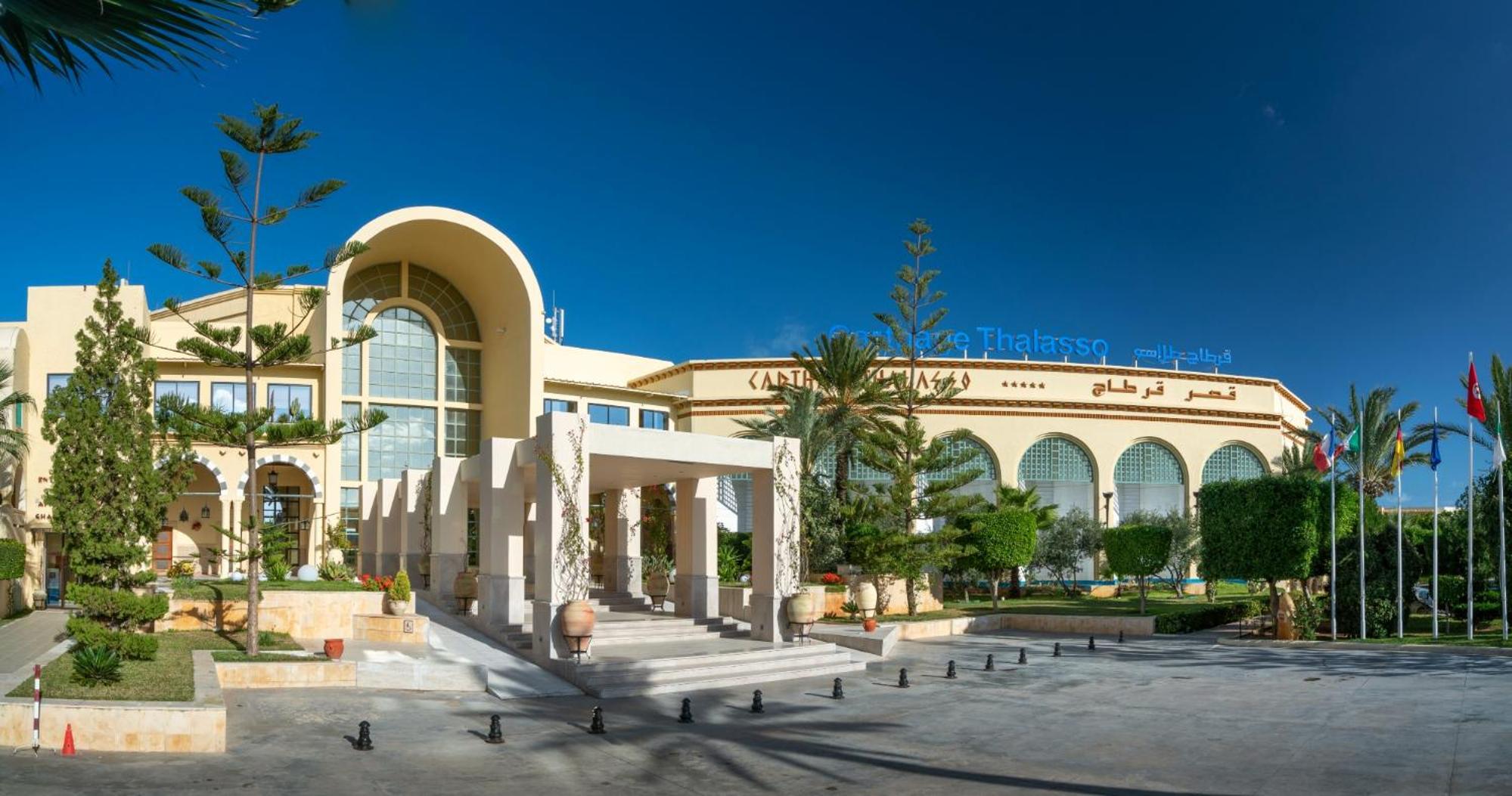
Route Soukra, Sfax
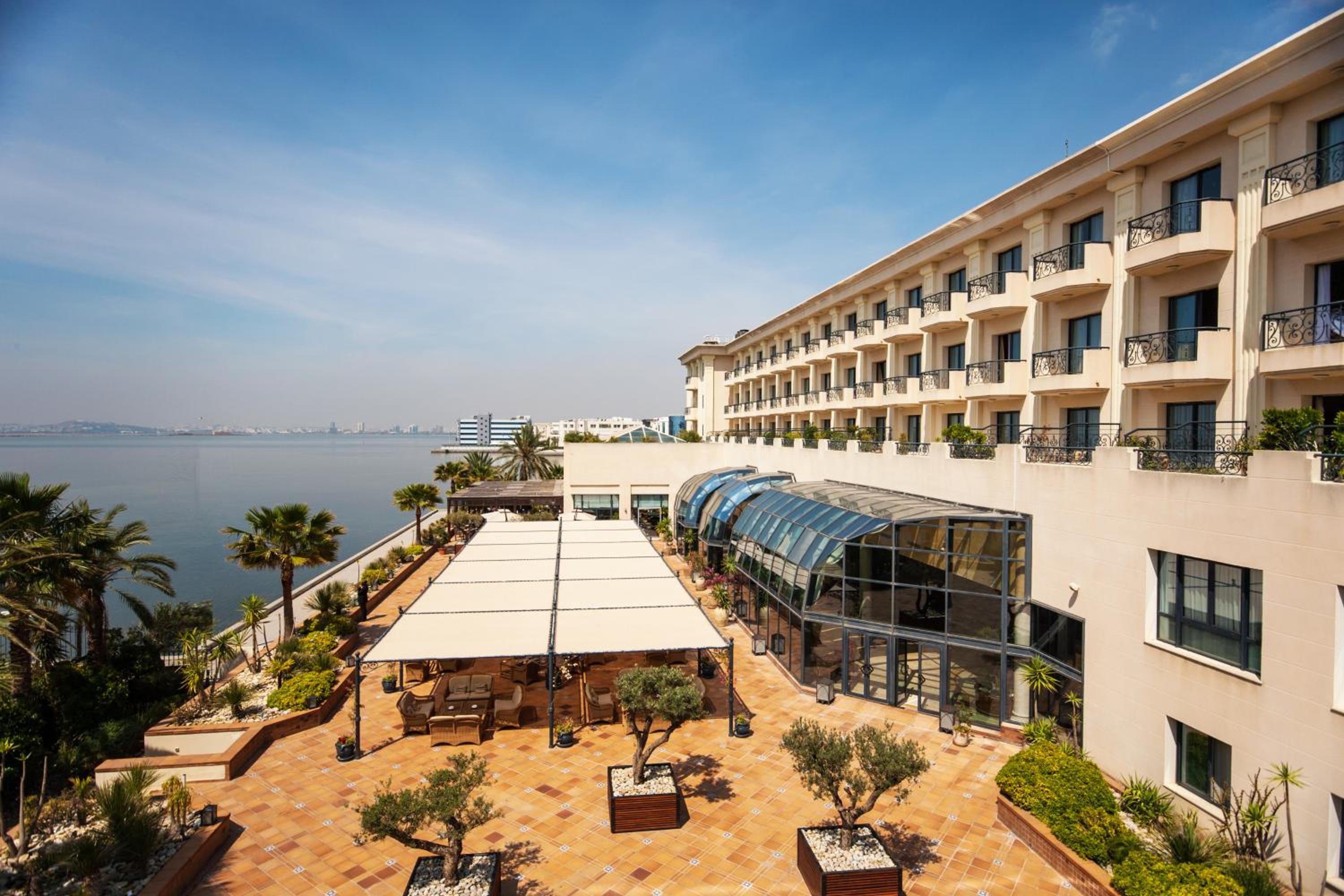
BP 720, Gammarth
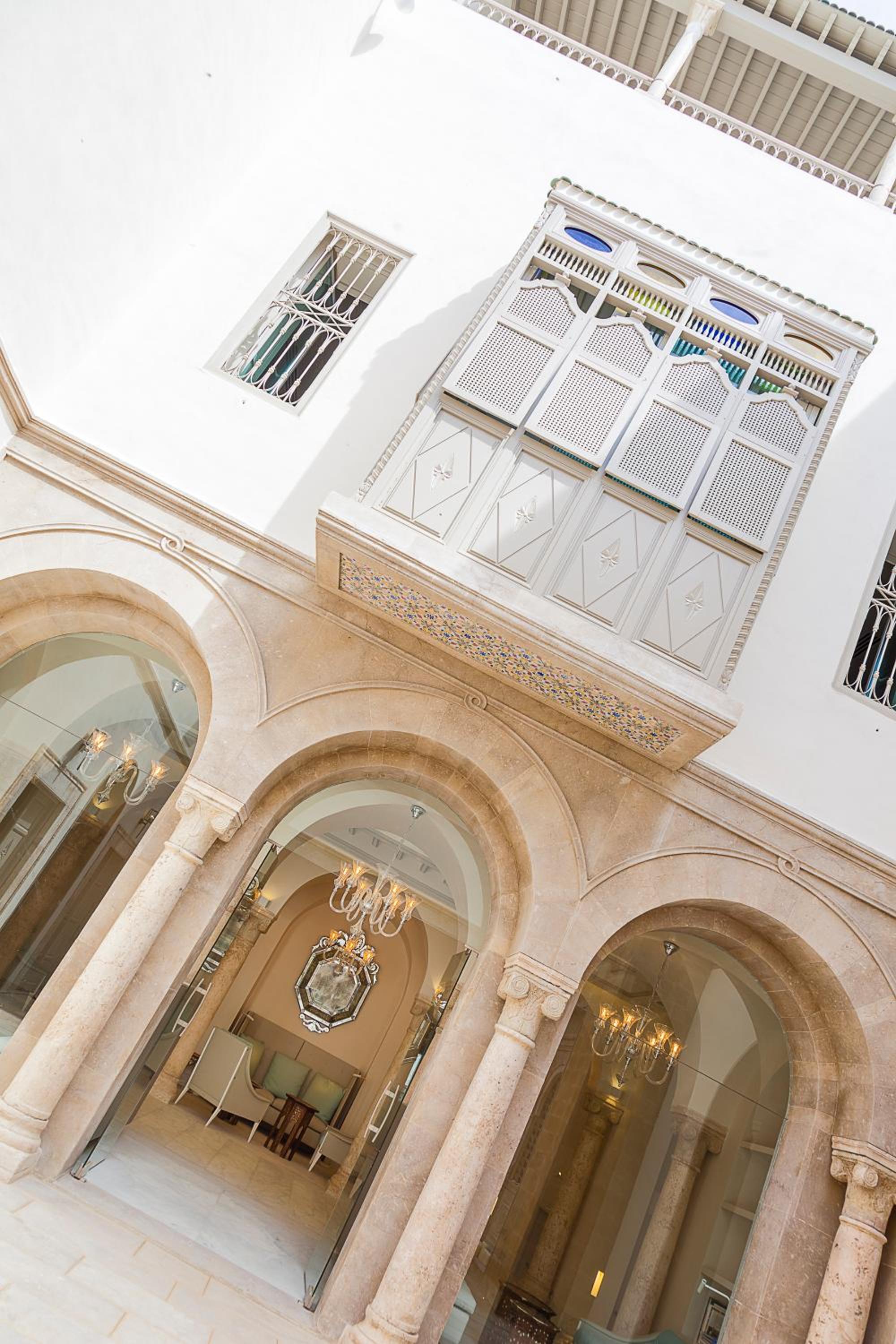
Rue du Lac de Turkana, Tunis
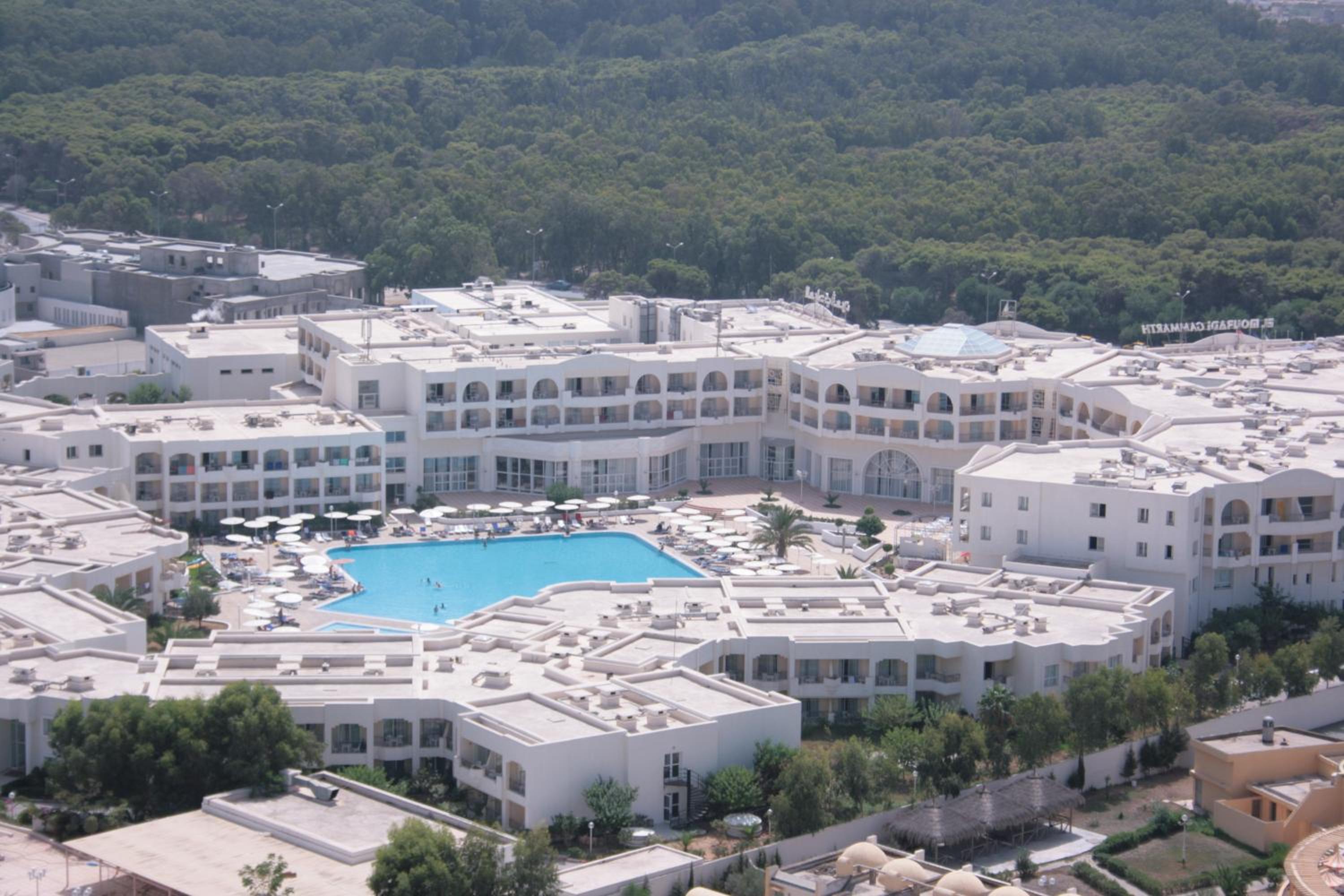
10, rue Dar El Jeld, Tunis
Les Côtes De Carthage, Gammarth
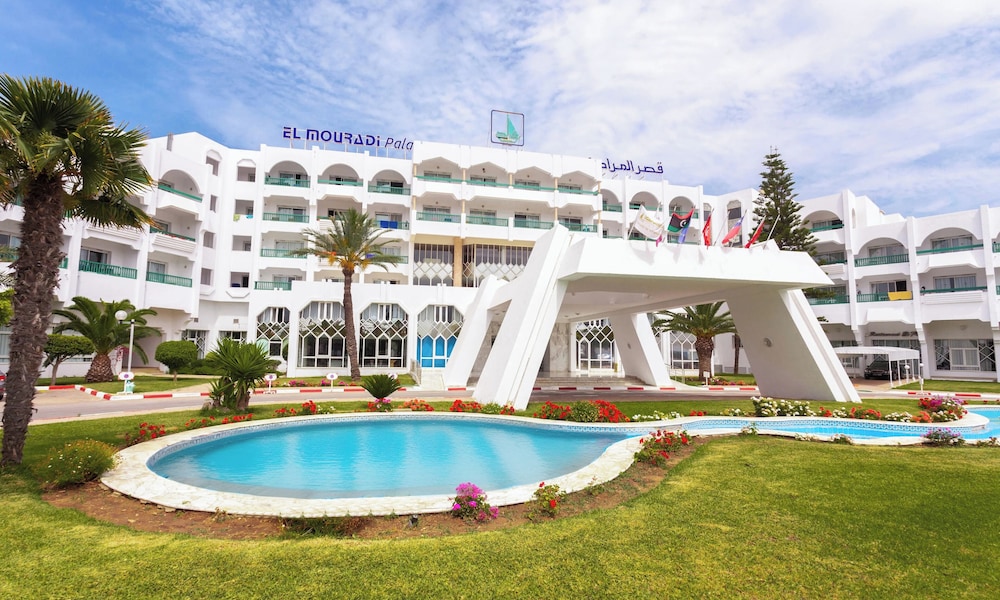
Port el Kantaoui, Port El Kantaoui
MORE STAYS
Live provider availability across Tunisia. Select a stay to confirm its price, then continue to book.
Written and maintained by the Africa Travel Intelligence Platform (ATIP) editorial team, using only places and records ATIP has reviewed. Facts we have not verified, such as opening hours, prices and schedules, are left out rather than guessed.
Read about ATIP’s general editorial approach It describes how ATIP works in general and does not verify individual guides.
YOUR NEXT CHAPTER
Start with the places that speak to you. ATIP planning tools can help bring your interests, destinations and travel information together.
Search flights to AfricaCompare hotel rates for your datesExplore tours and activities in Africa
Tunisia can be visited throughout the year, with the best season depending on the trip. Spring and autumn suit cultural touring and mild-weather travel, summer favors Mediterranean beach stays, and winter is well suited to desert and heritage exploration.
Entry and visa requirements vary by nationality and change periodically. Confirm current requirements with Tunisia's official diplomatic channels or your own government's travel advisory before departure.
Language: Arabic. Currency: Tunisian dinar.
ATIP’s main destination guides for Tunisia are Tunis & Carthage, Sousse, Hammamet, Djerba, and El Jem.
ATIP’s editorial guidance suggests Tunis & Carthage (2–3 days), Sousse (2–3 days), Hammamet (2–4 days), Djerba (3–5 days), and El Jem (1–2 days). These are recommendations, not minimum stays; allow extra time to travel between places.
ATIP’s editorial review groups the main destinations by traveller interest: Culture: Tunis & Carthage, Sousse, Djerba, and El Jem; History: Tunis & Carthage, Sousse, and El Jem; Photography: Sousse and El Jem. Open each destination guide for the details.
Yes: 3 Days in Tunis. Each sets out its places with the sources behind them.
ATIP’s guide to Tunisia covers 5 destinations. The main ones are compared below by type of place, who they suit, the suggested stay and the best time recorded for each; anything ATIP has not recorded is left out.
At ATIP’s suggested stays, the 5 destinations above that carry a duration add up to 10–17 days before any travel between them, which ATIP does not time. Choose the places that match your interests rather than trying to cover them all.
A paced 3-day Tunis itinerary: the UNESCO-listed Medina of Tunis, the remains of Phoenician and Roman Carthage and the Bardo National Museum’s Roman mosaics.
PLACES THAT BRING A COUNTRY TO LIFE
Discover the places in our Tunisia collection, from everyday city life to landscapes and cultural connections.
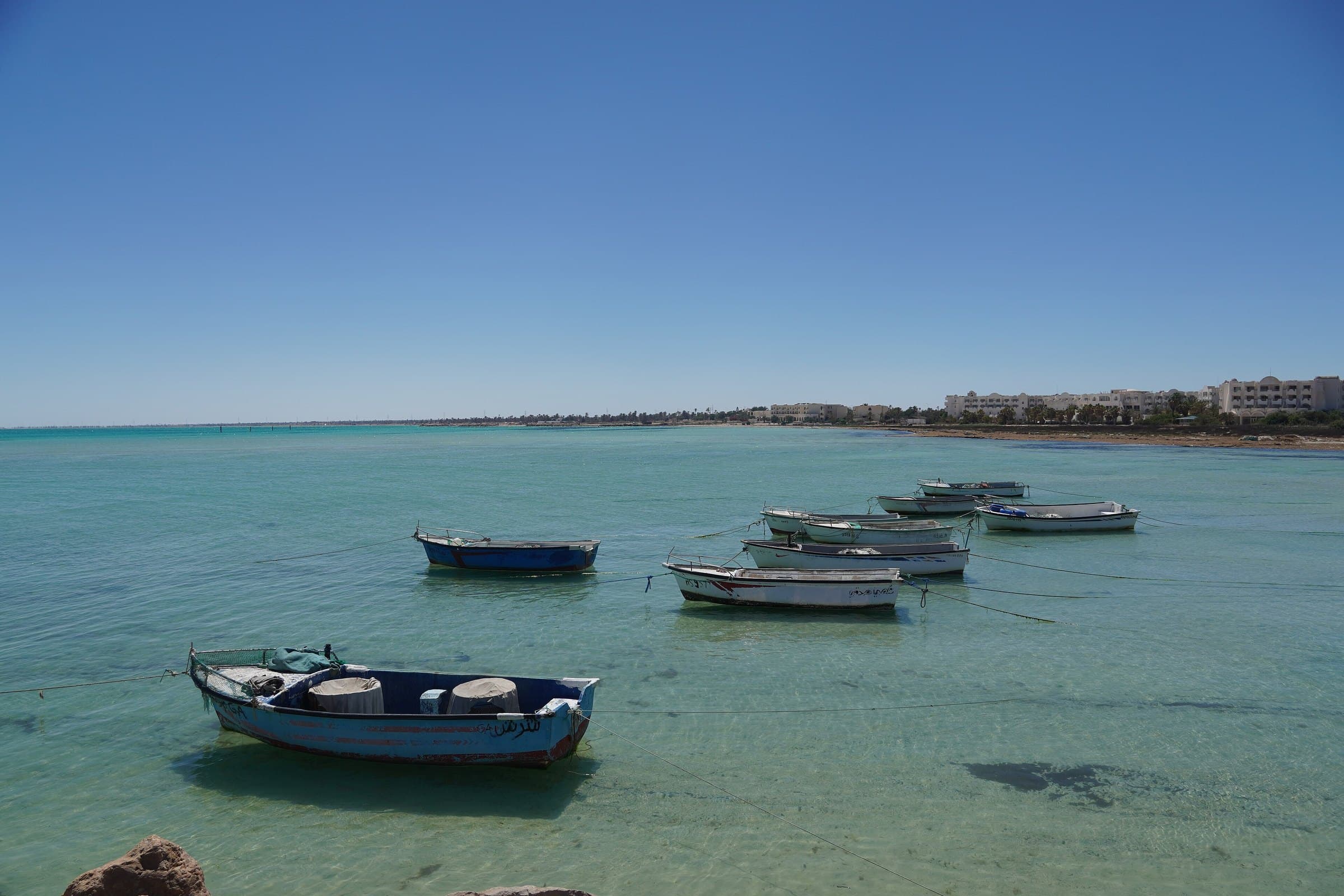 Island
Djerba is a Mediterranean island known for its beaches, traditional settlements, local markets, and distinctive cultural heritage. Its historic settlement landscape is recognized by UNESCO, while its coastal resorts and island atmosphere attract leisure travelers.
Explore destinationHistorical SiteEl Jem is home to one of the Mediterranean world's most remarkable surviving Roman amphitheatres. The monumental third-century structure, recognized by UNESCO, reflects the scale of Roman public architecture in North Africa. Its impressive arcades, arena, and preserved structural features offer visitors an opportunity to explore the history of the ancient city of Thysdrus.
Explore destinationBeachHammamet is a Mediterranean coastal destination known for its beaches, seaside resorts, historic medina, and relaxed holiday atmosphere. Travelers can combine beach activities with local markets, cultural visits, and excursions around the Cap Bon peninsula.
Explore destinationCitySousse is a historic Mediterranean coastal city celebrated for its UNESCO-listed medina, early Islamic architecture, and maritime heritage. The old town preserves fortified walls, a traditional ribat, a Great Mosque, and winding streets that reflect its history as an important commercial and defensive port during the Aghlabid period. Its coastal setting connects the city's historic identity with a contemporary seaside atmosphere.
Explore destinationCityTunis combines historic medina streets, traditional markets, cultural landmarks, and distinctive North African architecture. Nearby Carthage offers archaeological remains associated with one of the ancient Mediterranean world's major civilizations. Together, they provide an introduction to Tunisia's urban history and cultural heritage.
Explore destinationFOLLOW YOUR CURIOSITY
Select a kind of place or an interest to filter the destinations above.
FCDO travel advice for Tunisia. Includes safety and security, insurance, entry requirements and legal differences.
UK FCDO · Last updated July 24, 2026 · Retrieved just now
View official adviceContains public sector information licensed under the Open Government Licence v3.0.
Travel advice can change. Review the official source before making travel decisions.