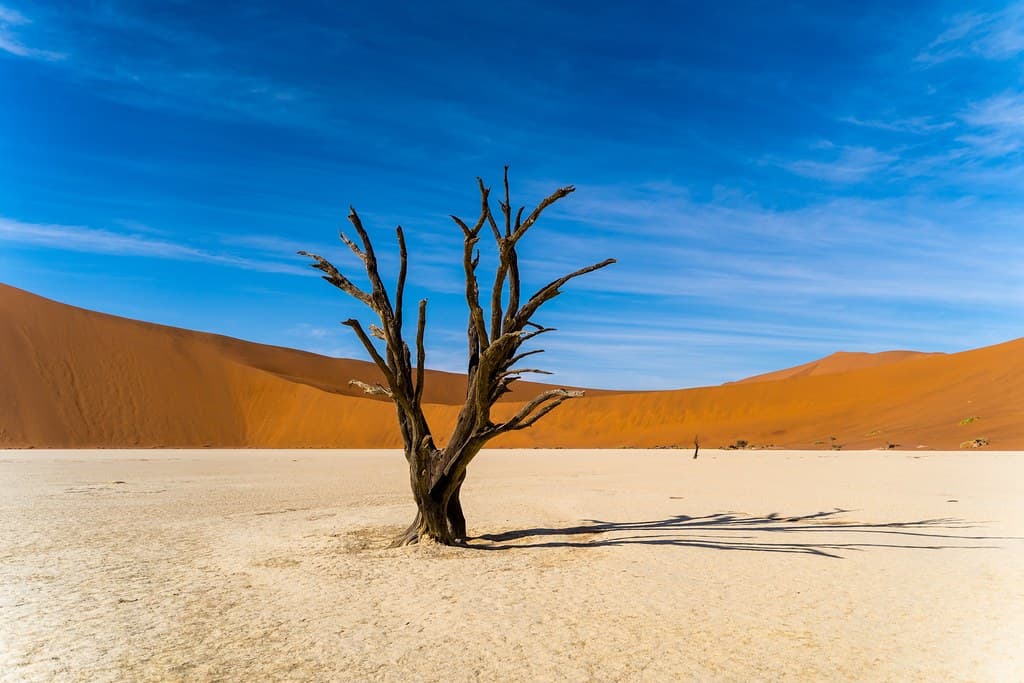
Deadvlei
A white clay pan in the Namib Desert holding long-dead acacia trees, reached by a short walk across the dunes from the parking area.
A NEW PERSPECTIVE ON AFRICA NA
Southwest African country known for dramatic desert landscapes, wildlife in Etosha, and a long Atlantic coastline.
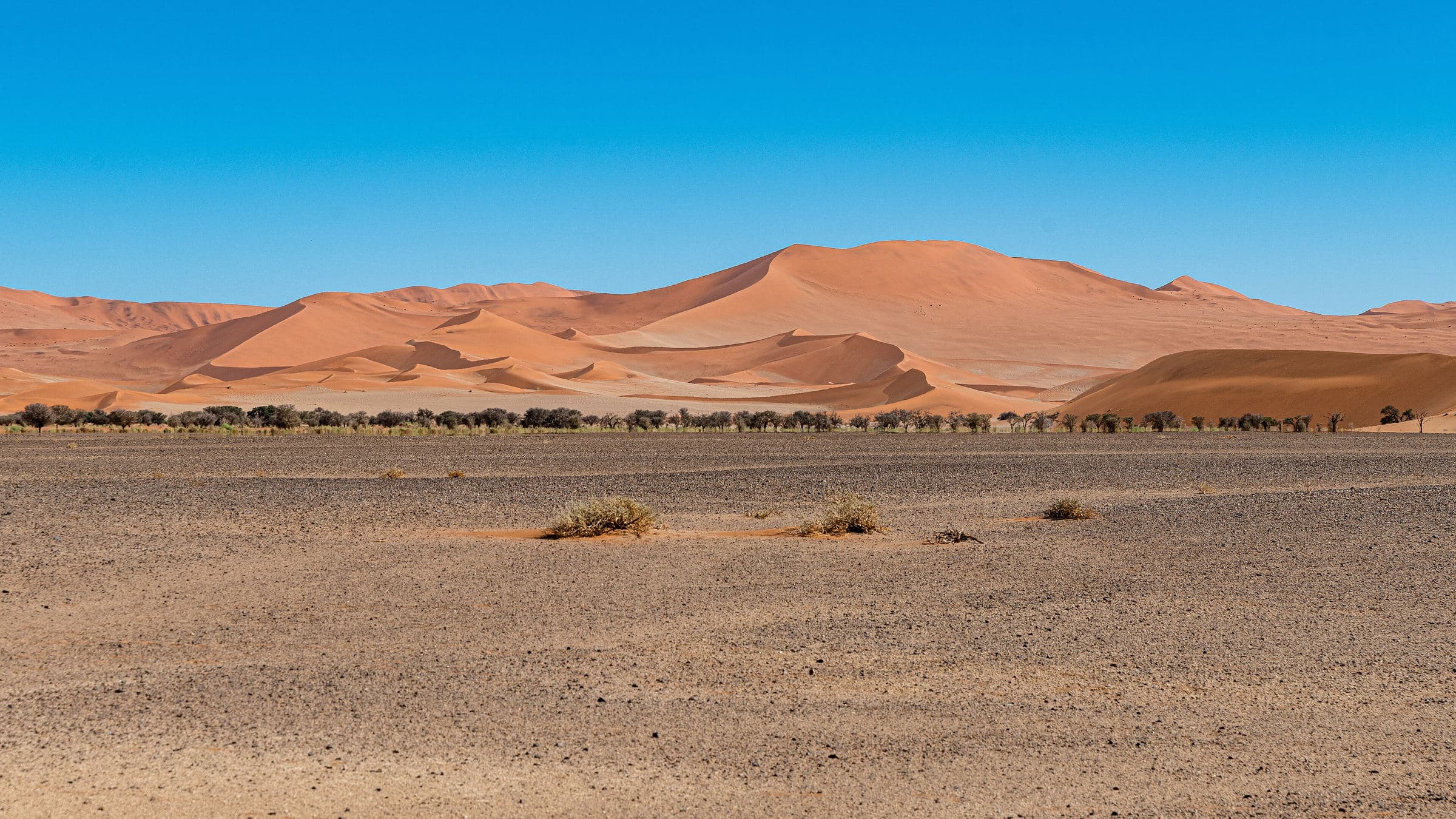
Namibia offers some of Africa’s most dramatic desert scenery, from Sossusvlei to the Skeleton Coast, together with Etosha wildlife, remote road journeys, conservation experiences and exceptional night skies.
ATIP’s editorial analysis, drawn from ATIP’s own records and the official sources listed below. It is not first-hand travel experience and not a guarantee.
Country at a glance
From ATIP’s records
Namibia is ATIP’s desert-and-road-trip guide: Sossusvlei (two to three days), Etosha National Park (three to five), Swakopmund (two to three), the Skeleton Coast (two to four) and Windhoek as the one-day gateway. ATIP records it as a year-round destination, with the drier months from roughly May to October particularly popular for wildlife viewing and conditions varying greatly between the desert, interior and coast.
ATIP’s editorial view
ATIP’s editorial view: the recorded stays add up to about ten to sixteen days, so a one-week Namibia trip needs a choice: Sossusvlei plus Swakopmund, or Etosha plus Windhoek. Distances are long and ATIP gives no driving times: ask a local operator before fixing an itinerary.
From ATIP’s records, with editorial advice
Windhoek is the one-day gateway with municipal buses and designated taxi ranks. ATIP’s records say Etosha is explored on permitted roads by self-drive vehicle or authorised guided safari, so plan routes around gates and accommodation; Sossusvlei is reached via Sesriem on permitted park routes (confirm access for the final sandy sections), Swakopmund is walkable with organised transfers for the dunes and coast, and the Skeleton Coast uses permitted routes or authorised guided or fly-in arrangements. Namibia Wildlife Resorts lists resorts in Etosha, Namib-Naukluft and Skeleton Coast National Park among others.
From government travel advice
UK government travel advice: carry photo ID, which may be checked at police checkpoints in Windhoek and other major towns, and keep copies of your passport page separately. It is illegal to buy, sell or trade protected wild animals or their parts, including ivory and rhino horn, and conservative attitudes towards LGBT+ people remain, especially in rural regions.
Confirm before you travel
UK government travel advice (written for British passport holders; other nationalities can differ): a visa has been required since 1 April 2025, obtainable on arrival at a port of entry or as an e-visa applied for online before travel. Namibia Wildlife Resorts, the state park-resort operator, publishes park regulations, entrance and conservation fee information and resorts across the national parks. Confirm current rules with the Namibian authorities before you travel.
ATIP’s records describe Etosha as explored on permitted roads by self-drive vehicle or authorised guided safari, with routes planned around gates and accommodation, and Sossusvlei as reached via Sesriem on permitted park routes, with access for the final sandy sections to be confirmed. Distances are long and ATIP gives no driving times, so build a route with a local operator and confirm vehicle and access requirements first.
Sources read November 2026.
Reviewed October 2026.
Loading live travel advice…
Rules depend on your passport.
Check requirementsTravel requirements can change. Confirm current entry and health requirements with official sources before you travel.
Finding places to explore…
A white clay pan in the Namib Desert holding long-dead acacia trees, reached by a short walk across the dunes from the parking area.
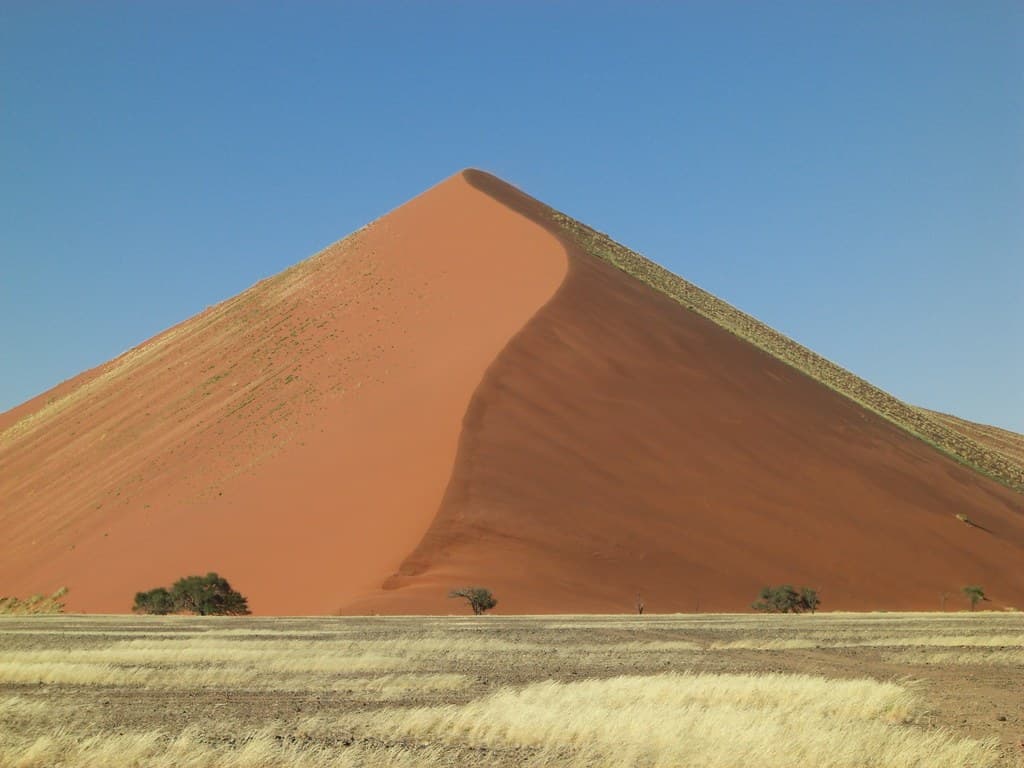
A popular dune near Sossusvlei, climbed at sunrise or sunset for panoramic views over the Namib sand sea.
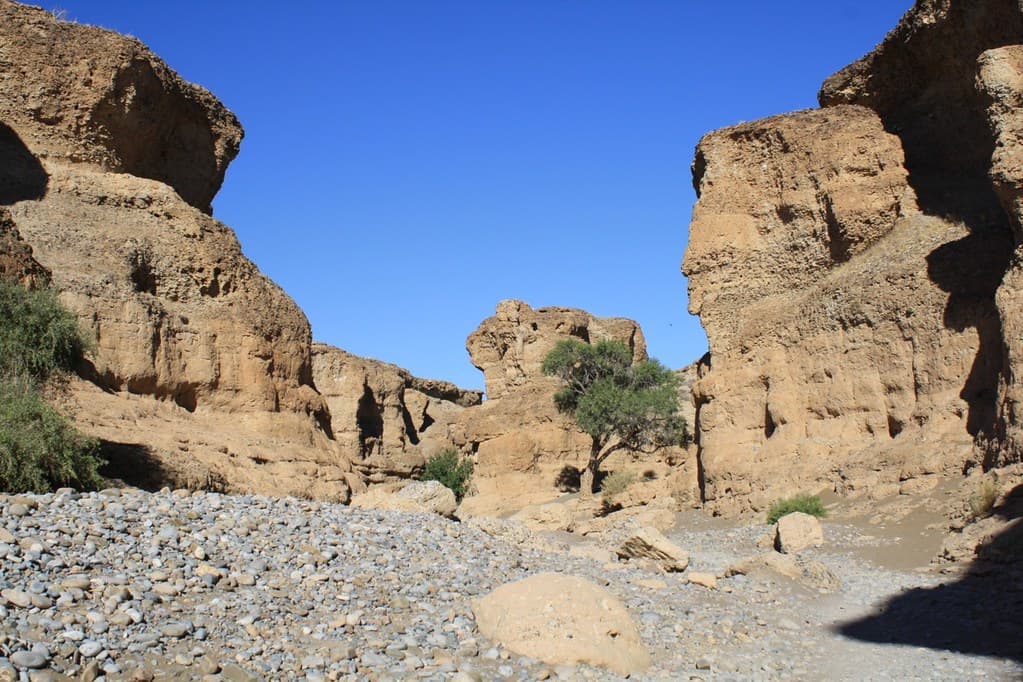
A short canyon near the Sossusvlei gate, commonly visited as an excursion once the midday heat eases.
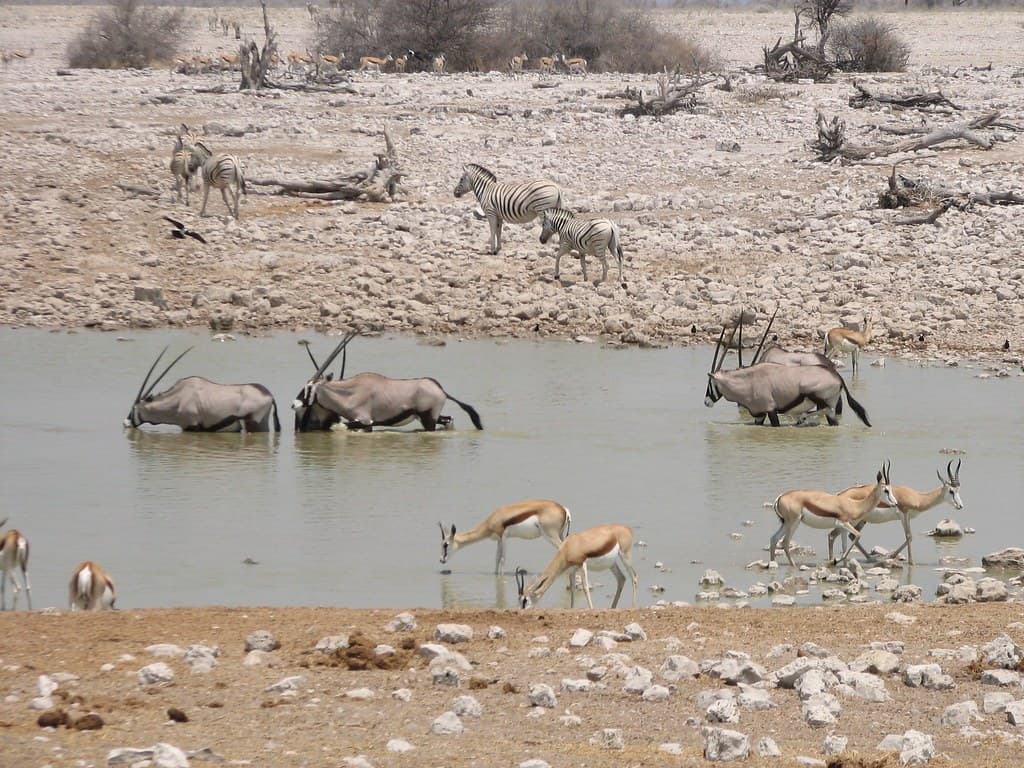
The floodlit waterhole at Okaukuejo rest camp in Etosha, where rhinos, elephants, lions and zebras can be watched drinking, especially in the evening.
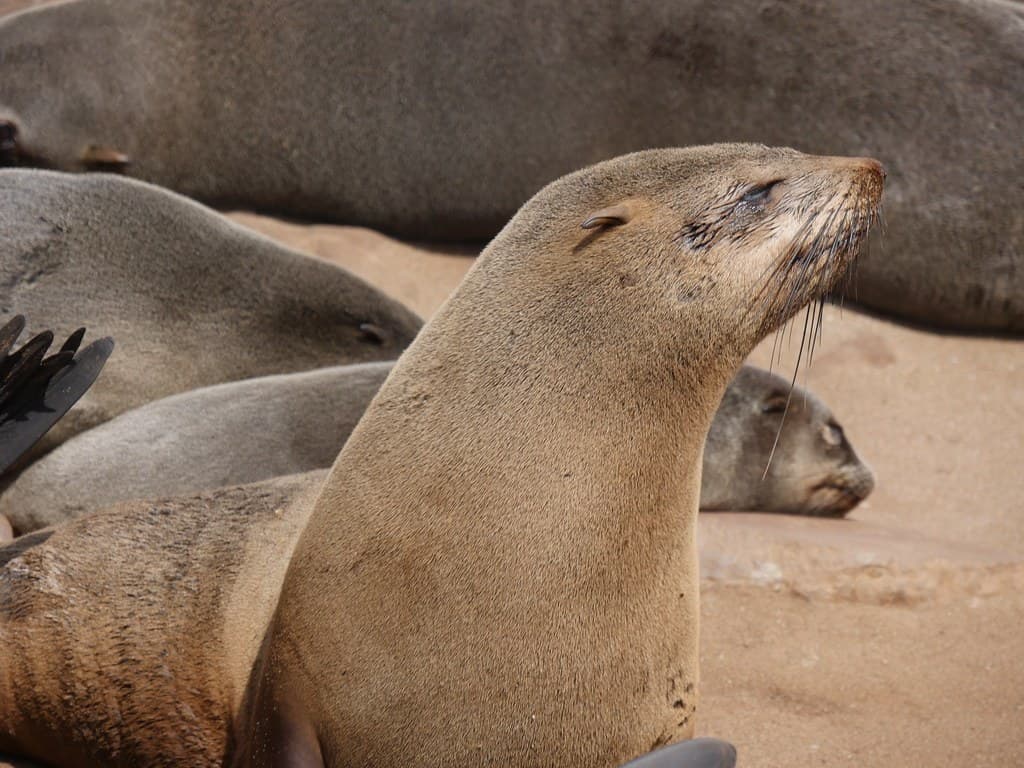
A South African fur seal colony on the Atlantic coast, about 120 km north of Swakopmund on the C35.
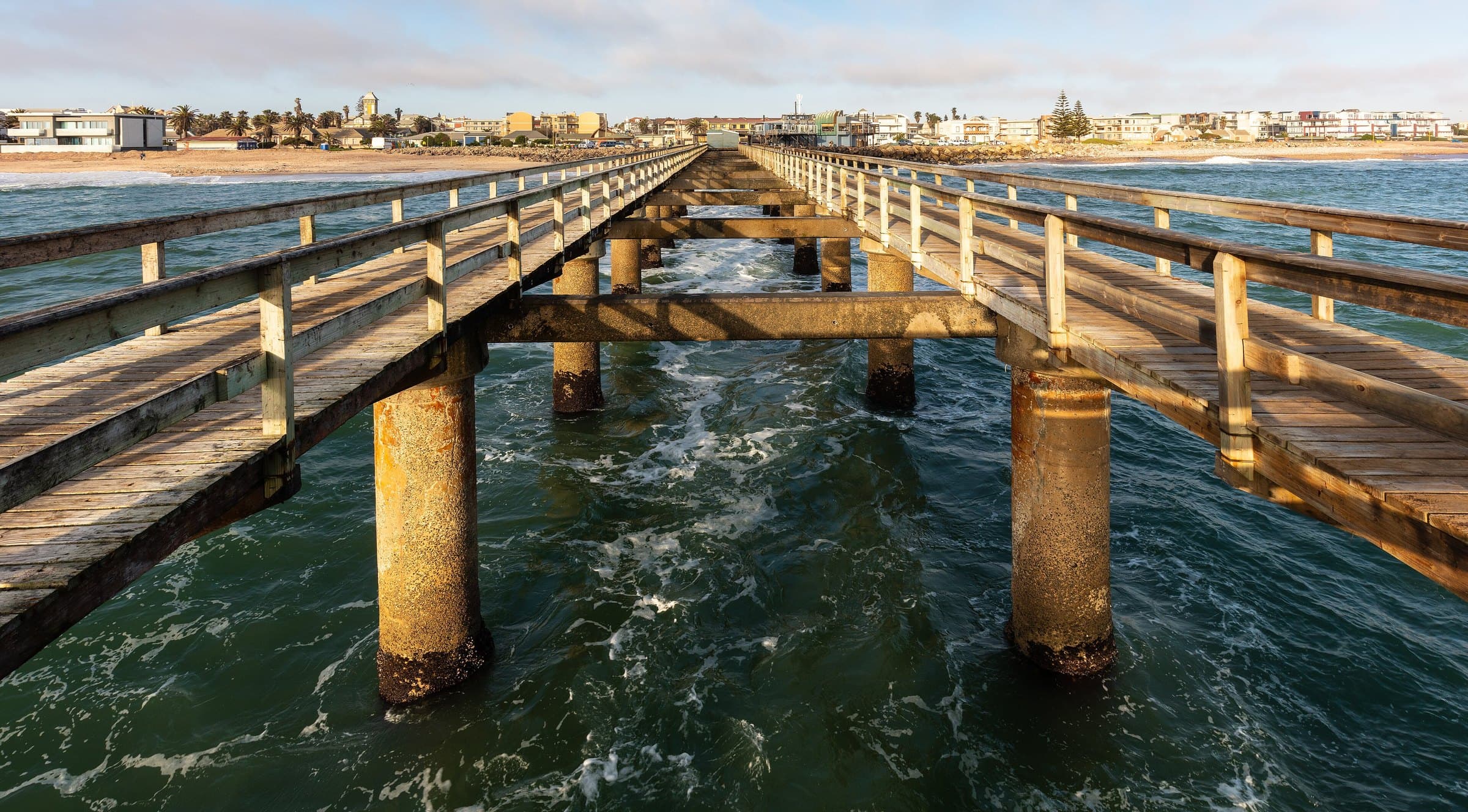
A jetty reaching into the Atlantic from Swakopmund's seafront; the first jetty here dates from 1905.
FEATURED HOTELS
Hotel listings in Namibia from our travel-data partner. These are catalogue entries, not live availability — use “Check live rates” on a hotel for prices and availability.
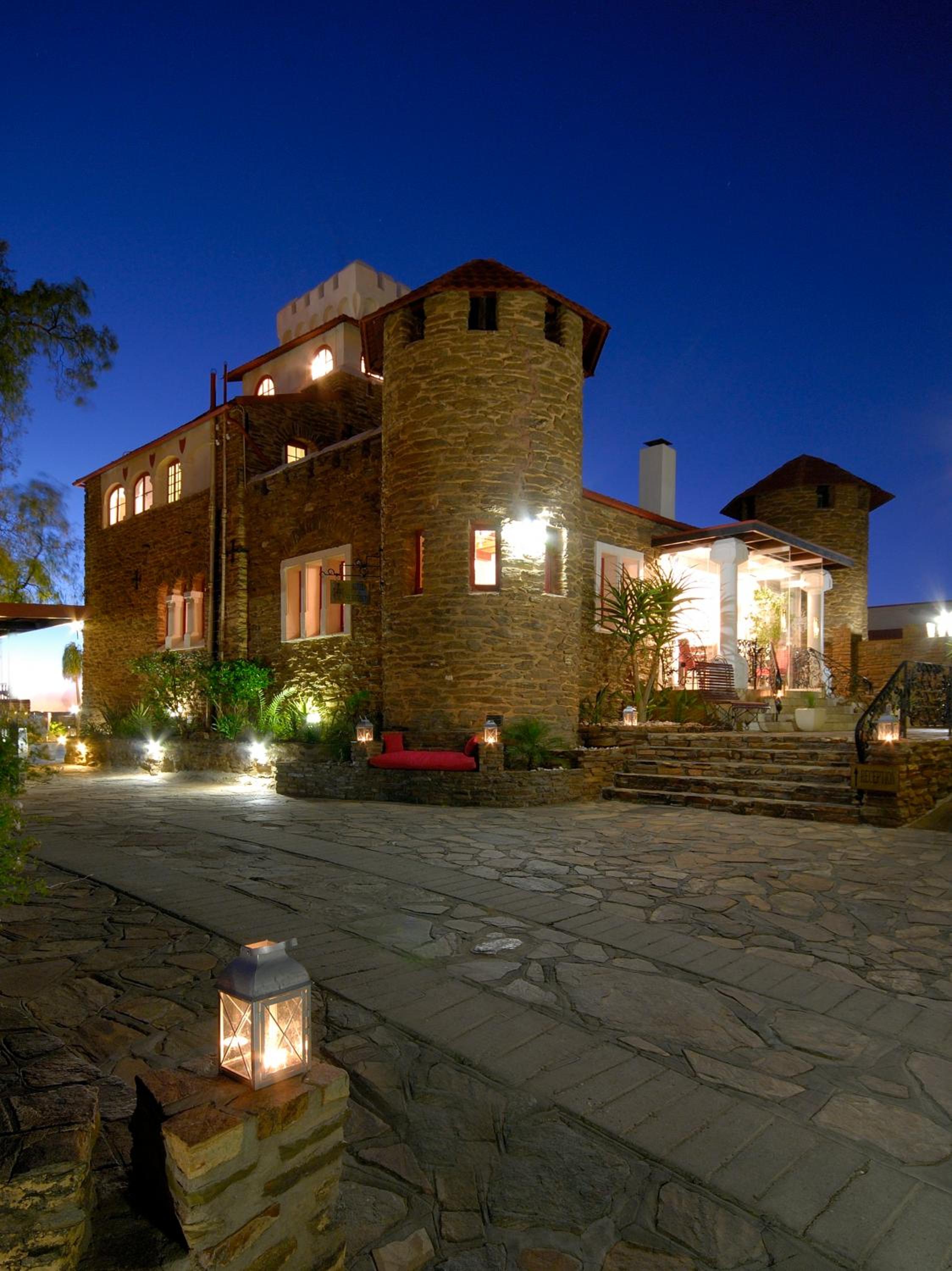
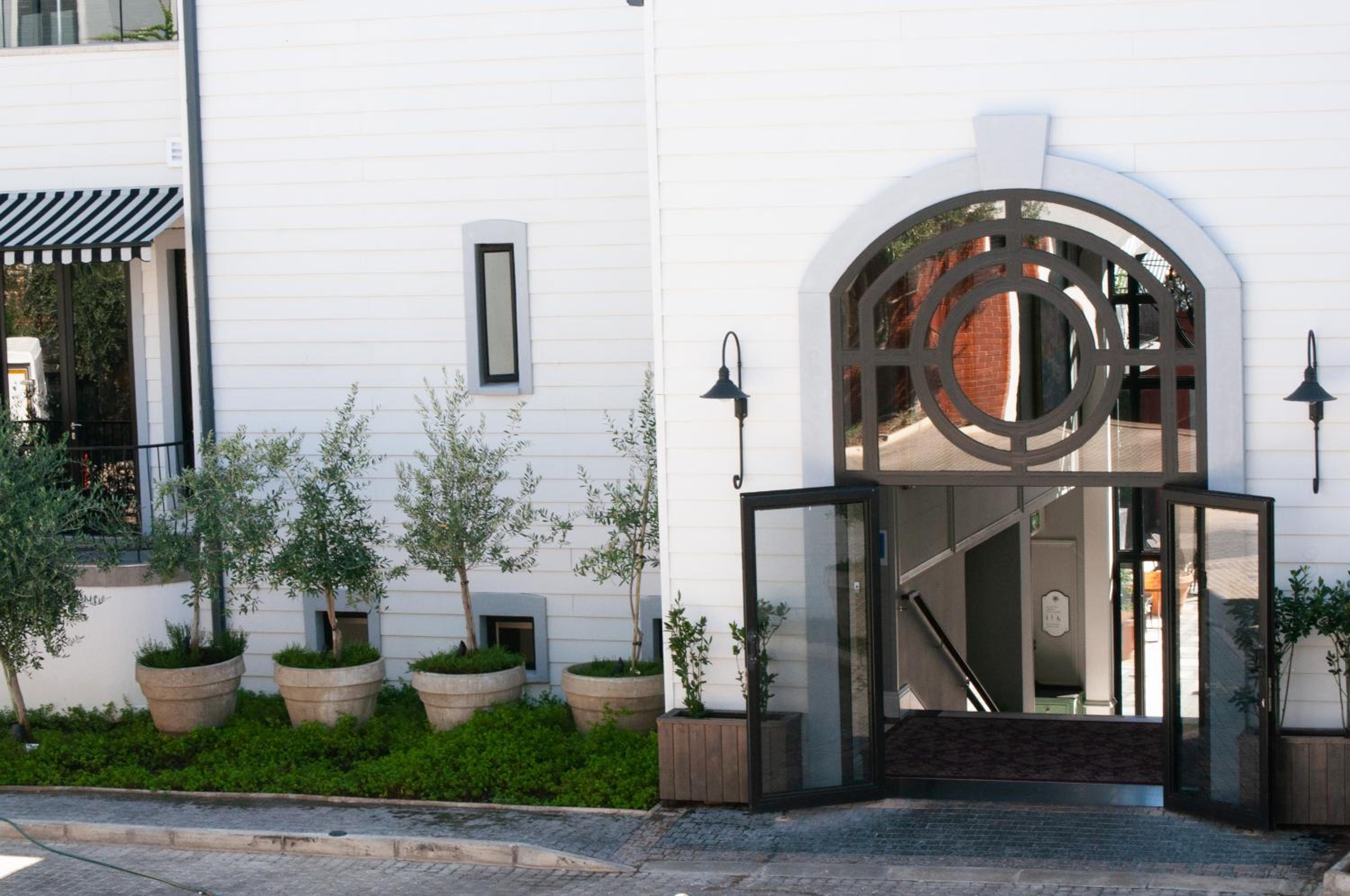
22 Heinitzburg Street, Windhoek
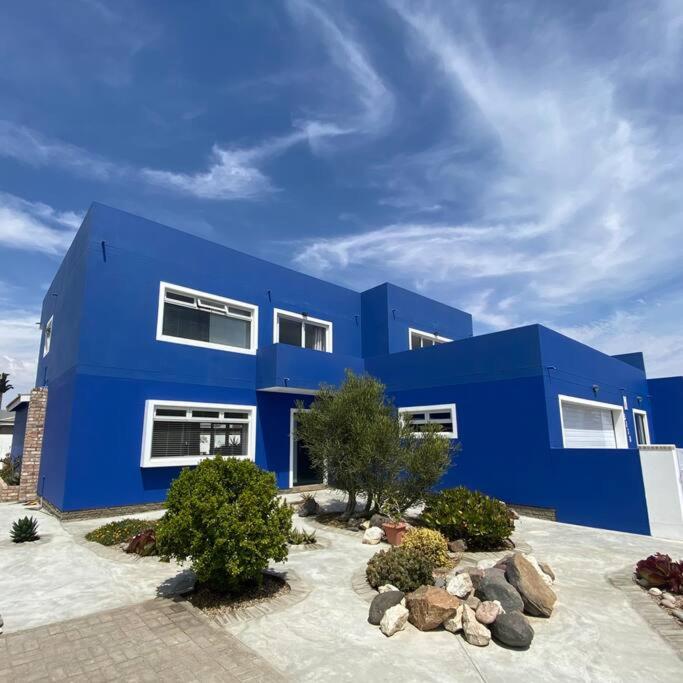
13 Jan Jonker Road, Windhoek
Leadwood Street, Swakopmund
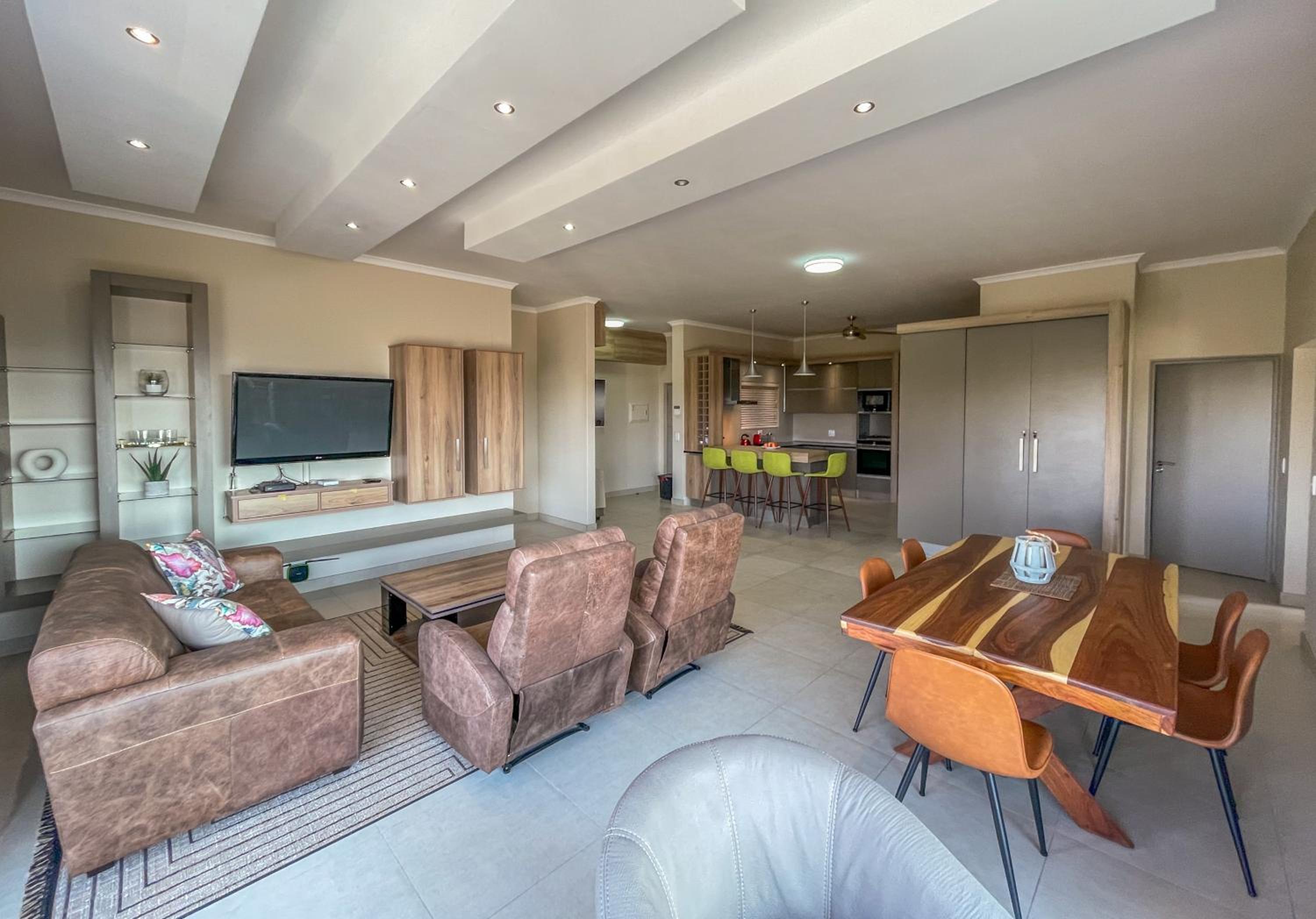
c/o Dunen & M. Garoeb Street @lantic Apartments, Swakopmund
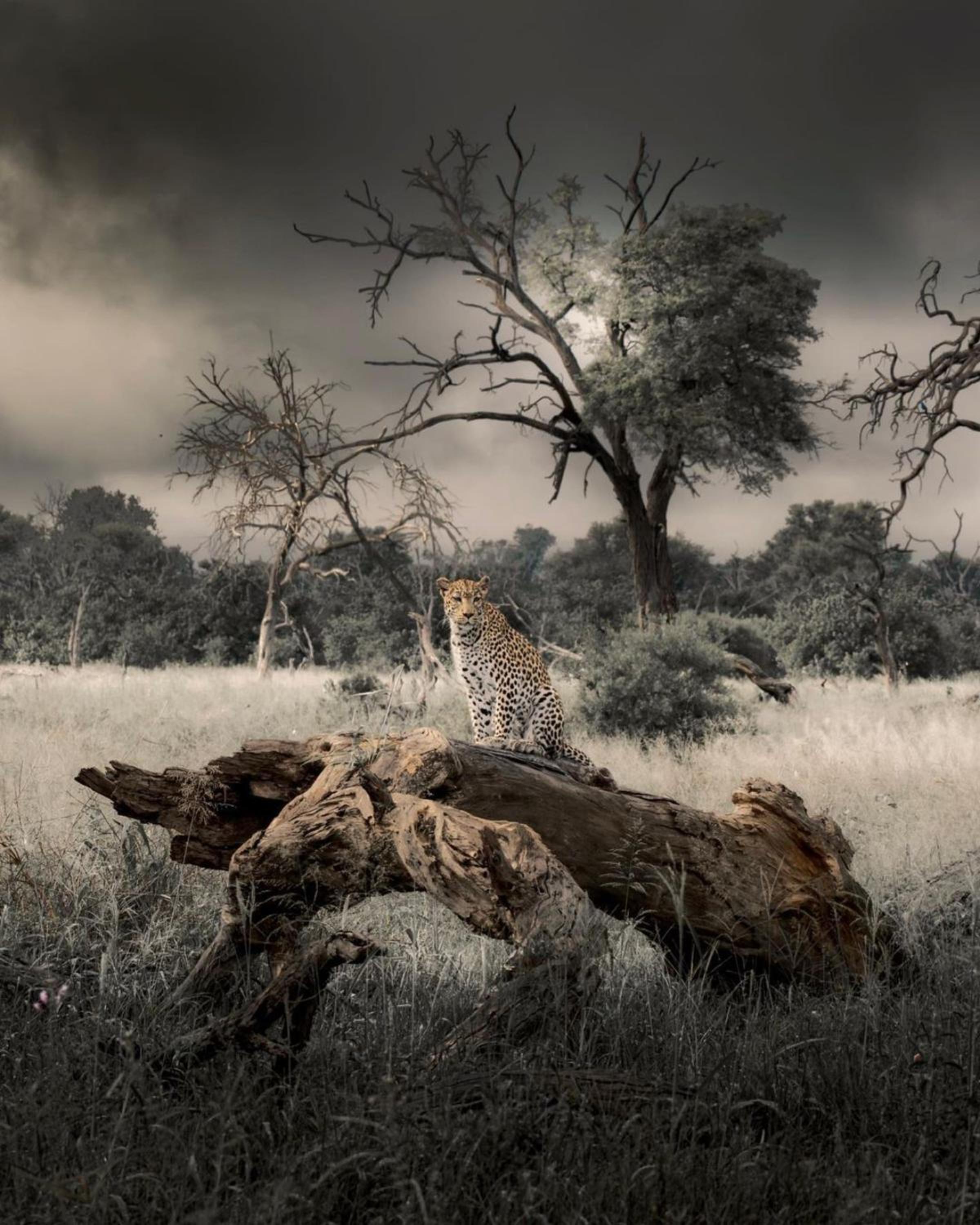
Farm Woodholme 202, Outjo District, Outjo, Namibia, Outjo
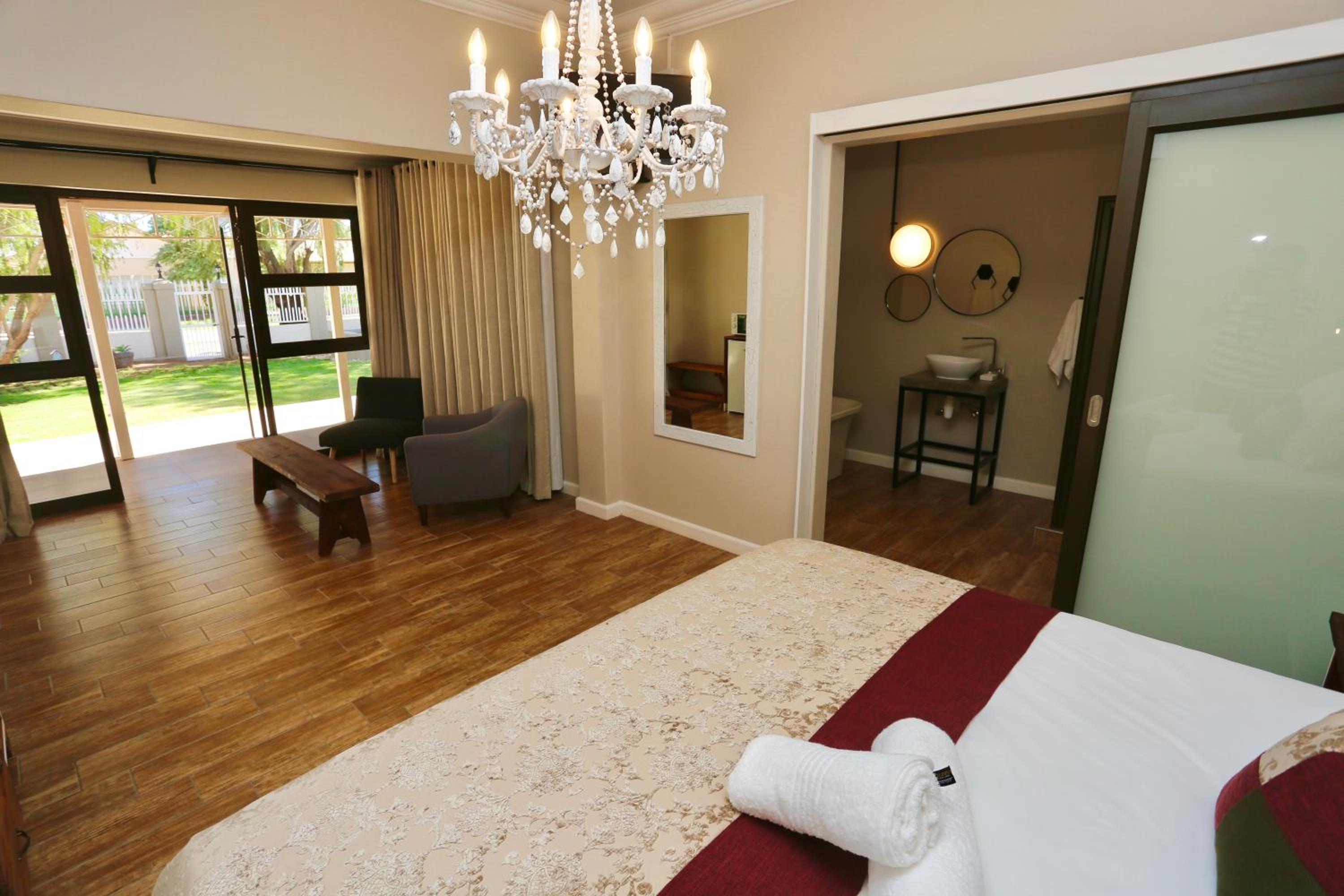
65 River Street, Mariental
MORE STAYS
Live provider availability across Namibia. Select a stay to confirm its price, then continue to book.
Written and maintained by the Africa Travel Intelligence Platform (ATIP) editorial team, using only places and records ATIP has reviewed. Facts we have not verified, such as opening hours, prices and schedules, are left out rather than guessed.
Read about ATIP’s general editorial approach It describes how ATIP works in general and does not verify individual guides.
YOUR NEXT CHAPTER
Start with the places that speak to you. ATIP planning tools can help bring your interests, destinations and travel information together.
Search flights to AfricaCompare hotel rates for your datesExplore tours and activities in Africa
No current regional FCDO advisory notices for this country.
FCDO travel advice for Namibia. Includes safety and security, insurance, entry requirements and legal differences.
UK FCDO · Last updated December 10, 2025 · Retrieved just now
View official adviceContains public sector information licensed under the Open Government Licence v3.0.
Travel advice can change. Review the official source before making travel decisions.
Namibia can be visited year-round. The drier months from roughly May to October are particularly popular for wildlife viewing, while seasonal temperatures and conditions vary considerably between the desert, interior and Atlantic coast.
Entry and visa requirements vary by nationality and change periodically. Confirm current requirements with Namibia's official diplomatic channels or your own government's travel advisory before departure.
Language: English. Currency: Namibian dollar.
ATIP’s main destination guides for Namibia are Windhoek, Sossusvlei, Etosha National Park, Swakopmund, and Skeleton Coast.
ATIP’s editorial guidance suggests Sossusvlei (2–3 days), Etosha National Park (3–5 days), Swakopmund (2–3 days), and Skeleton Coast (2–4 days). These are recommendations, not minimum stays; allow extra time to travel between places.
ATIP’s editorial review groups the main destinations by traveller interest: Wildlife: Etosha National Park; Culture: Swakopmund; Adventure: Sossusvlei, Swakopmund, and Skeleton Coast; Nature: Sossusvlei, Etosha National Park, and Skeleton Coast; Photography: Sossusvlei, Etosha National Park, Swakopmund, and Skeleton Coast. Open each destination guide for the details.
Yes: 3 Days in Sossusvlei, 1 Day in Swakopmund, and 1 Day in Windhoek. Each sets out its places with the sources behind them.
ATIP’s guide to Namibia covers 6 destinations. The main ones are compared below by type of place, who they suit, the suggested stay and the best time recorded for each; anything ATIP has not recorded is left out.
At ATIP’s suggested stays, the 5 destinations above that carry a duration add up to 10–16 days before any travel between them, which ATIP does not time. Choose the places that match your interests rather than trying to cover them all.
A 3-day Sossusvlei itinerary in the Namib: Sesriem Canyon, Dune 45 and Deadvlei, built from places ATIP has reviewed.
A paced 1-day Swakopmund plan: the Swakopmund Museum, Kristall Galerie and the Jetty, with Woermannhaus and the Sam Cohen Library & Archives as options.
A paced 1-day Windhoek plan: the Christuskirche, the Independence Memorial Museum, the National Art Gallery of Namibia and, from the outside, the Tintenpalast.
PLACES THAT BRING A COUNTRY TO LIFE
Discover the places in our Namibia collection, from everyday city life to landscapes and cultural connections.
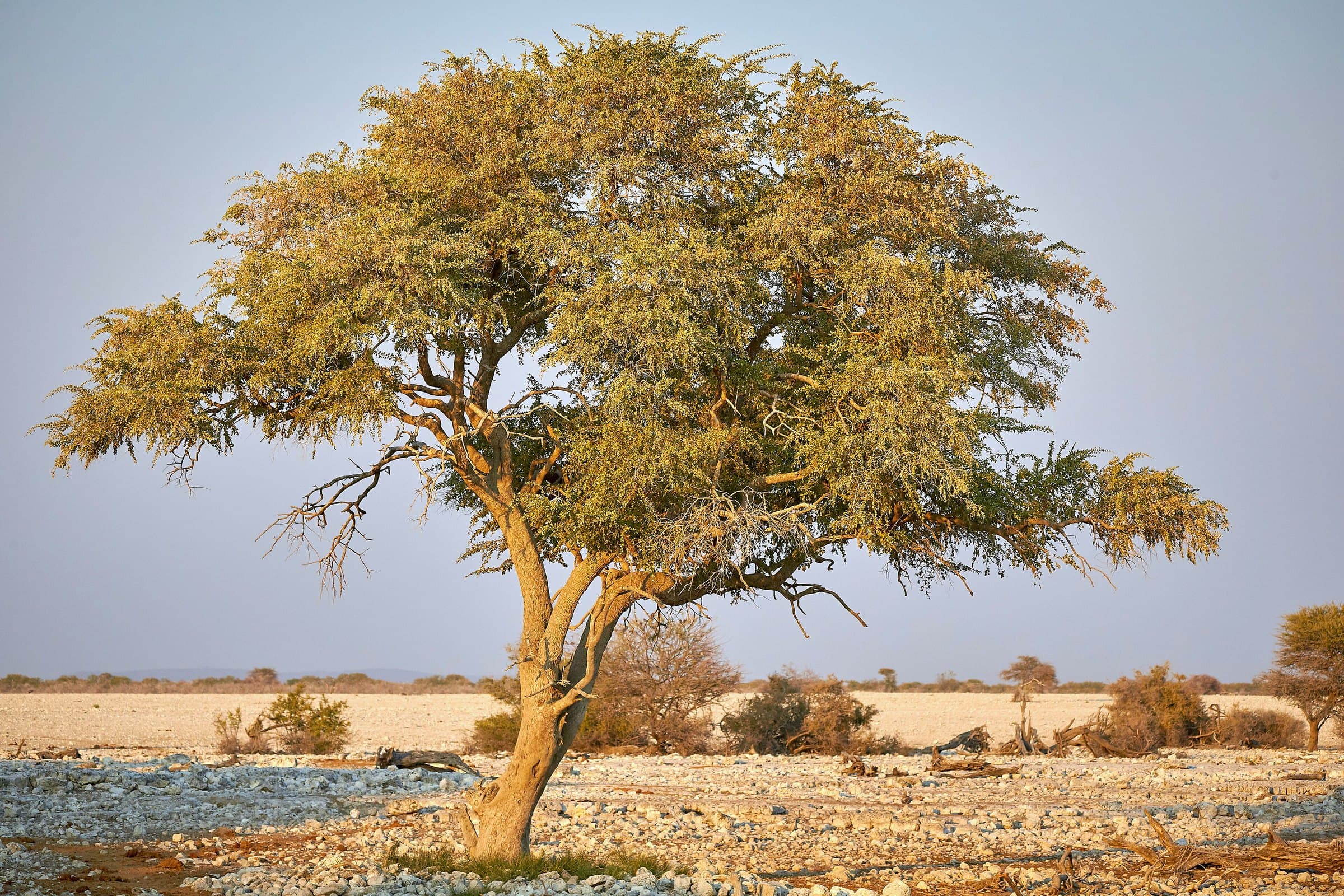 National Park
Etosha National Park is one of Namibia's premier wildlife destinations, encompassing savanna, woodland and the enormous Etosha salt pan. Waterholes attract diverse animal populations, giving visitors opportunities to observe elephants, giraffes, antelope, predators and numerous birds.
Explore destination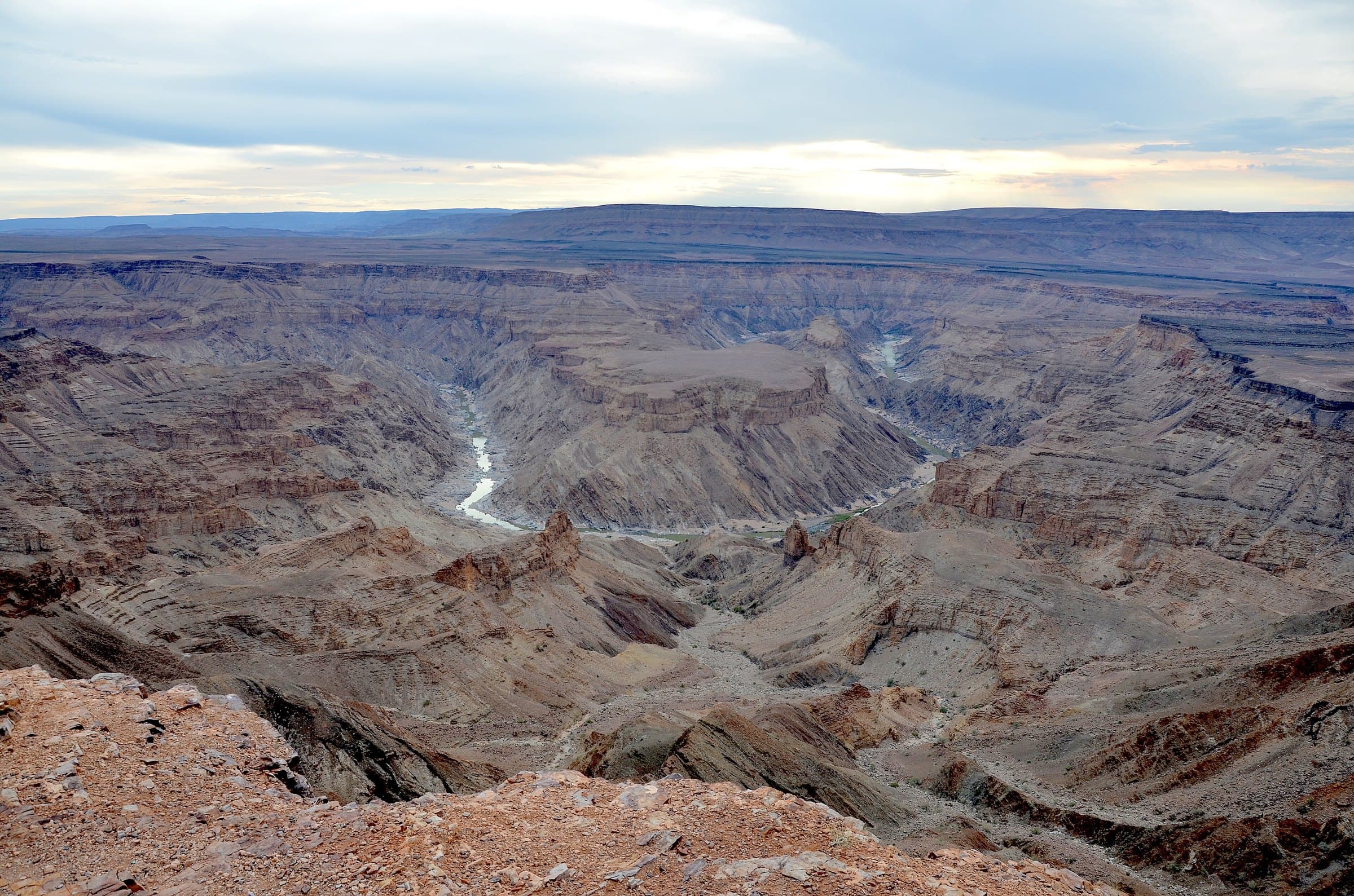 Other
Fish River Canyon is a vast geological landscape in southern Namibia, where the river has carved dramatic cliffs, layered rock formations and sweeping viewpoints. The canyon is an important destination for landscape photography and wilderness exploration.
Explore destination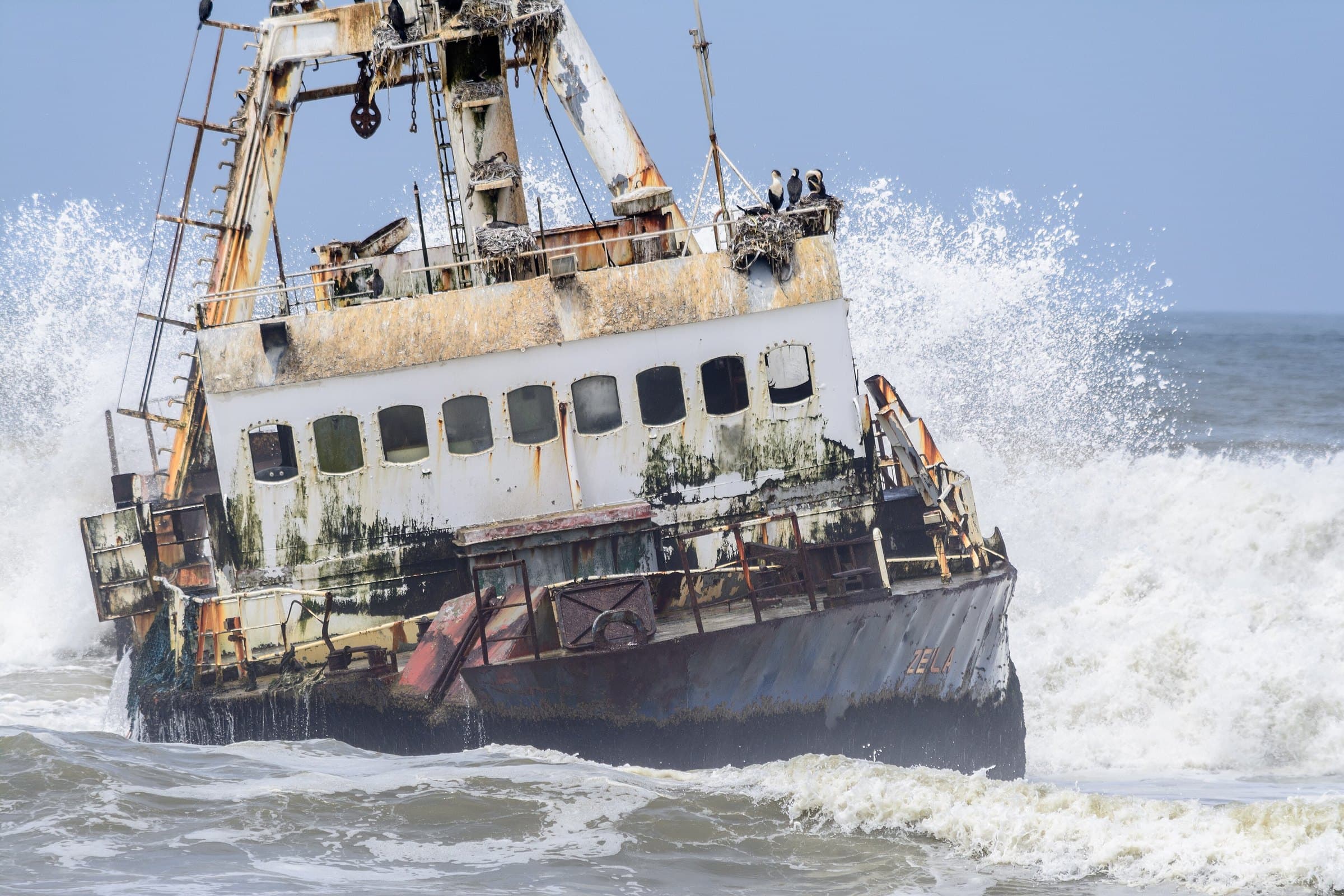 Desert
Namibia's Skeleton Coast is a remote Atlantic landscape of wind-shaped dunes, fog, rocky shores and shipwreck remains. Harsh desert terrain meets the cold Benguela Current, creating an atmospheric wilderness associated with unusual coastal ecology and striking photography.
Explore destination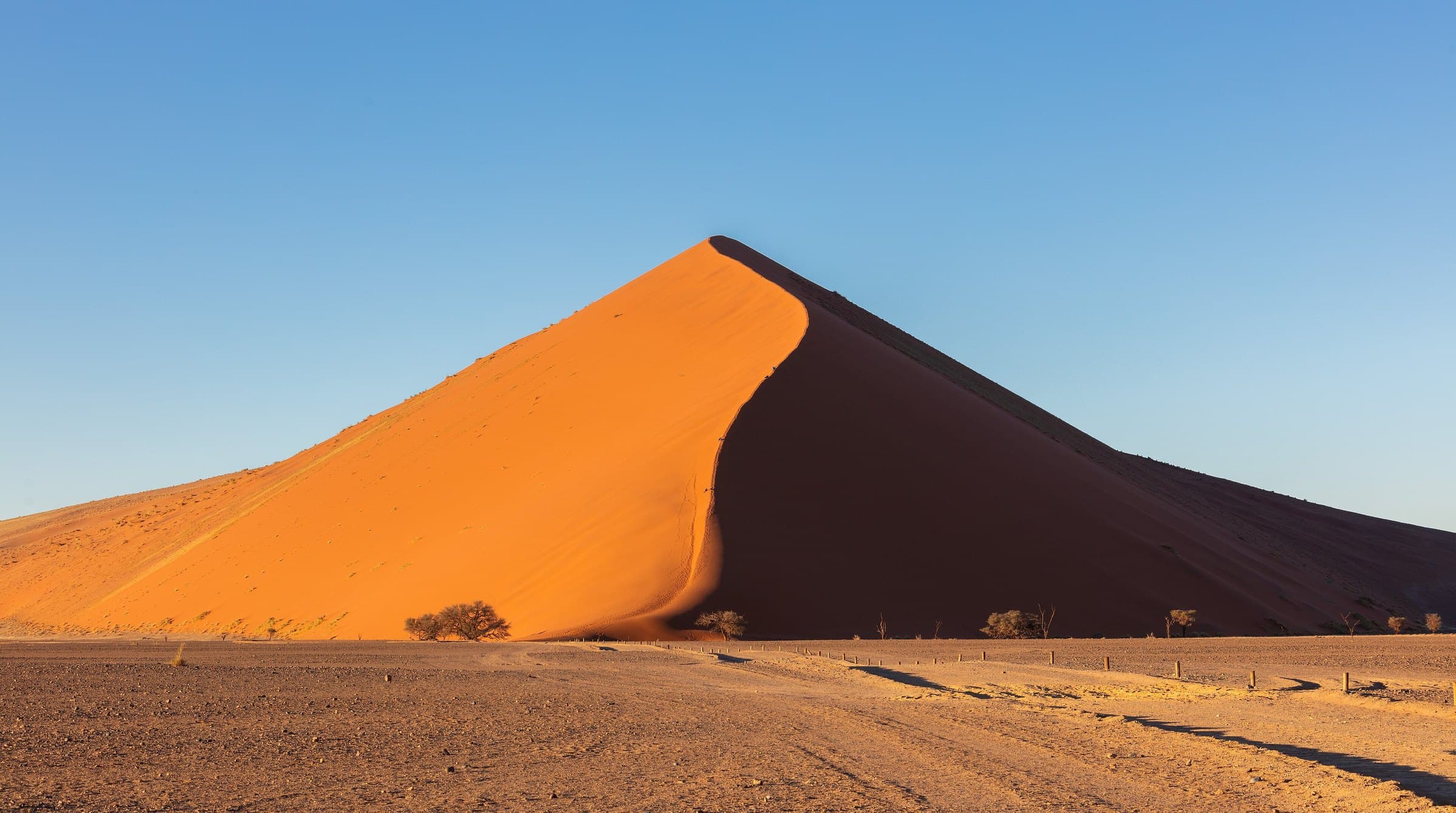 Desert
Sossusvlei is a remarkable desert landscape within the Namib-Naukluft protected area, celebrated for towering red sand dunes, the pale clay pan of Deadvlei and dramatic contrasts between sand, rock and open sky. Its desert scenery makes it one of Namibia's signature photography and nature destinations.
Explore destinationCitySwakopmund is a coastal town where Namibia's desert landscape meets the Atlantic Ocean. Its historic architecture, seaside promenade and proximity to dunes create a distinctive setting for cultural sightseeing and desert-adventure excursions.
Explore destination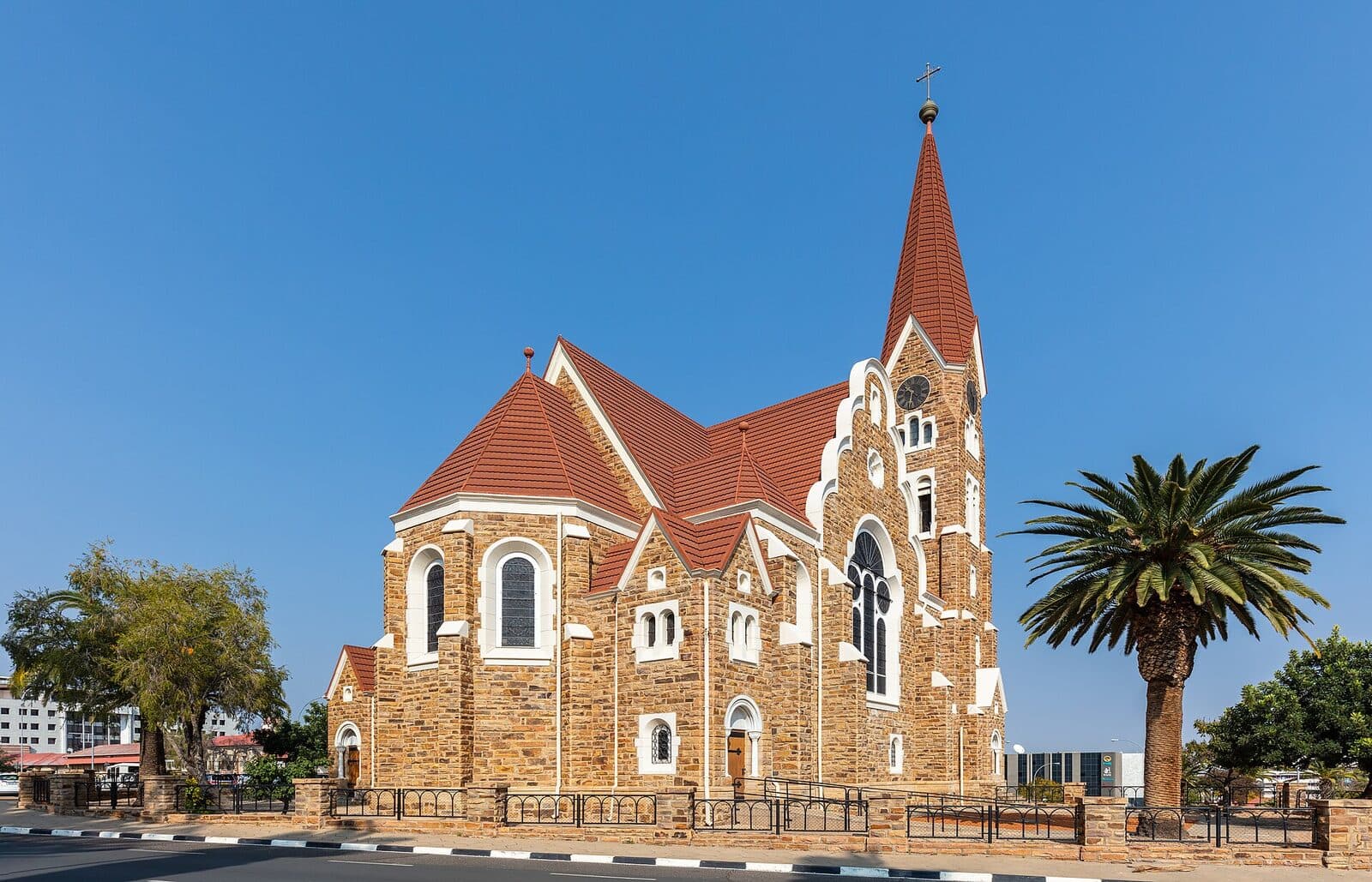 City
Windhoek is the capital of Namibia. Namibia's tourism guide names the Christuskirche among its major attractions, and the city's municipal tourism pages describe the Independence Memorial Museum, the Tintenpalast and the National Art Gallery of Namibia.
Explore destinationFOLLOW YOUR CURIOSITY
Select a kind of place or an interest to filter the destinations above.